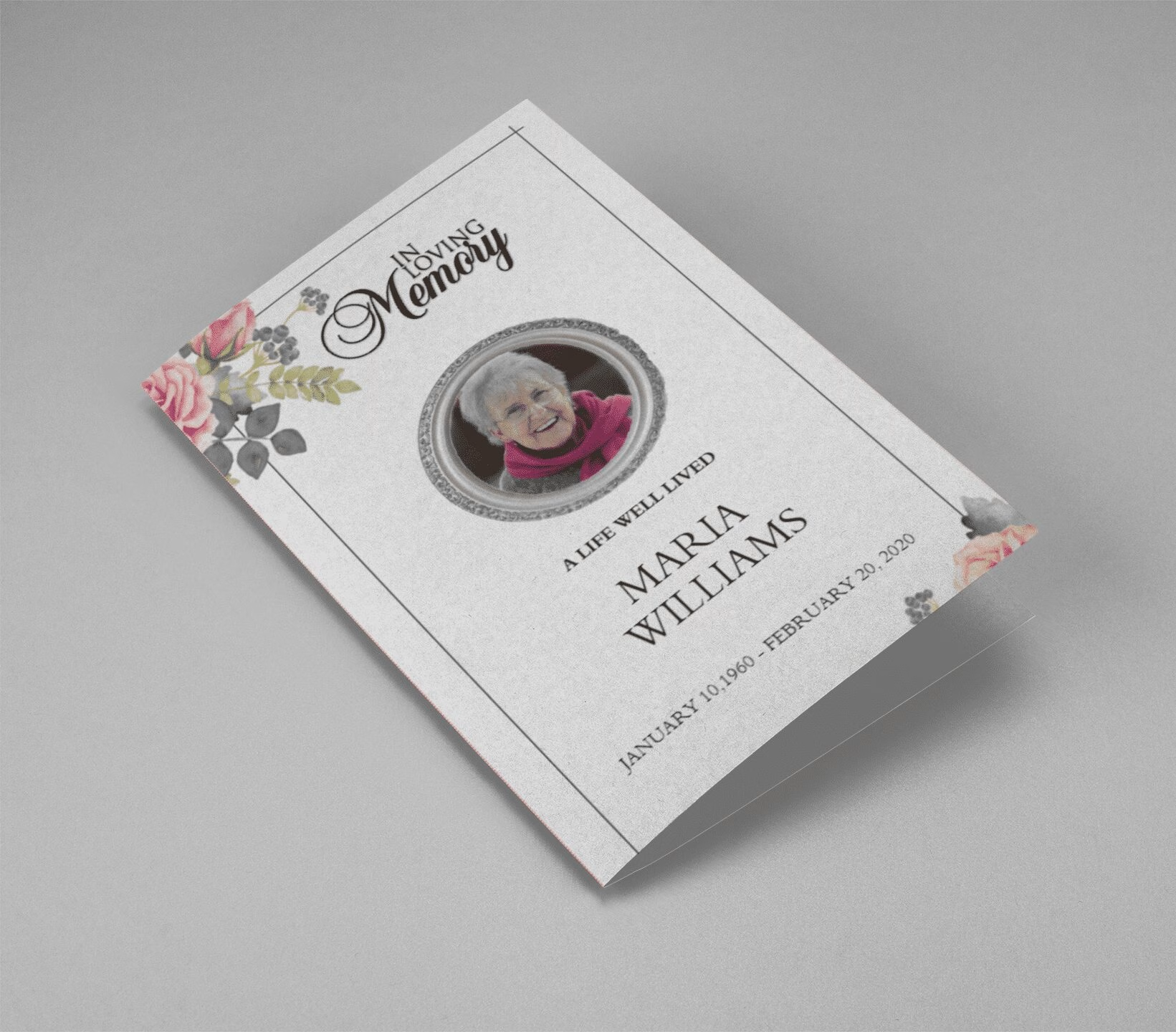
How to Write a Funeral Program Obituary

The Essential Guide to Navigating Funeral Planning

Example of an obituary for a mother

Understanding Funeral Planning

Experiencing the loss of a loved one can profoundly impact our lives. The journey of funeral planning often adds to the emotional burden. At QuickFuneral LLC, we aim to provide you with the support and resources you need to navigate this challenging time with compassion and care.

Why is Funeral Planning Important?

  • Honoring Loved Ones: A well-planned funeral reflects the life and values of the deceased.
  • Emotional Support: Planning helps family members come together and support each other.
  • Financial Clarity: Understanding costs can alleviate future financial stress.

Steps to Effective Funeral Planning

Planning a funeral involves several important steps. Here’s a guideline to help you through the process:

  1. Gather Information: Collect essential details such as the deceased’s full name, date of birth, and other vital statistics.
  2. Select a Funeral Home: Choosing a compassionate and professional funeral home can make a significant difference. For guidance, check out our article on Navigating Funeral Planning with Compassion and Care.
  3. Decide on Services: Consider whether you want a burial, cremation, or another service type.
  4. Plan the Ceremony: This includes selecting speakers, music, and readings that honor the deceased.

Resources for Comfort and Guidance

During this time, it’s essential to have access to comforting words and support. Our collection of Comforting Old and New Testament Scriptures for Funerals can provide solace and inspiration.

Emotional Aspects of Funeral Planning

Funeral planning can evoke a wide range of emotions. It is important to acknowledge these feelings and seek support when needed. Understanding the emotional landscape is crucial, and our guide on Navigating the Emotional Landscape of Funeral Planning offers valuable insights on coping with grief.

Importance of Pre-Planning

Consider the benefits of pre-planning your own funeral or discussing options with family members. This proactive approach can ease the burden on loved ones and ensure that your wishes are honored. Learn more in our comprehensive guide: Understanding Funeral Planning: A Comprehensive Guide.

Conclusion

While we have covered many aspects of funeral planning, remember that each situation is unique. It’s essential to approach this process with a sense of understanding and care. For more information on the importance of funeral planning, check out our article on Understanding the Importance of Funeral Planning.

Sample Obituary Templates

Understanding the Essentials of Funeral Planning

Example of an obituary

Introduction to Funeral Planning

Experiencing the loss of a loved one is an emotional journey that requires careful planning and consideration. At QuickFuneral LLC, we aim to provide you with all the resources you need during this challenging time. This guide will help you navigate the essential aspects of funeral planning, ensuring that you can focus on honoring your loved one’s memory.

Key Steps in Funeral Planning

When it comes to organizing a funeral, there are several key steps to consider:

  • Choose a Funeral Home: Selecting a reputable funeral home is the first step. They can assist you with various arrangements, including transportation and service details.
  • Decide on Service Type: You may choose between a traditional funeral service, a memorial service, or a celebration of life. Each option has its unique features and can be personalized.
  • Prepare Necessary Legal Documents: It’s essential to ensure all necessary legal documents, such as death certificates and permits, are in order.
  • Plan the Details: From selecting caskets to flower arrangements, planning the details can be overwhelming. Consider involving family members to share the responsibilities.

Helpful Resources

At QuickFuneral, we provide a variety of resources to aid you through the planning process:

Understanding Grief

It’s crucial to acknowledge that grief is a personal experience that varies from person to person. Understanding that your feelings are valid can help you navigate this difficult time. Resources like our Navigating the Journey of Funeral Planning can provide you with insights on how to cope with your emotions while planning the funeral.

Final Thoughts on Funeral Planning

While planning a funeral can be a daunting task, knowing that you have the support and resources available can lighten the burden. Remember, it’s okay to seek help and lean on others during this time. Each step you take is a step toward honoring the life and legacy of your loved one.

Top Free Funeral Program Templates for Every Service Style

Understanding Funeral Planning: A Compassionate Guide

Example of an obituary for a mother template

The Importance of Thoughtful Funeral Planning

When faced with the loss of a loved one, the emotional burden can be overwhelming. Planning a funeral during this difficult time adds to the stress. However, understanding the emotional landscape of funeral planning can provide clarity and comfort.

Key Considerations in Funeral Planning

  • Choosing the Right Service: Consider the type of service that reflects your loved one’s personality and values. Options may include traditional funerals, memorial services, or celebrations of life.
  • Budgeting: It’s essential to establish a budget early in the process. Understanding the costs involved can help in making informed decisions. Check our guide on navigating challenges in funeral planning for tips.
  • Legal Requirements: Ensure you are aware of any legal obligations, including permits and death certificates. Consult local regulations to avoid any last-minute surprises.

Emotional Support During Planning

While planning a funeral, it’s crucial to remember that you are not alone. Seek support from family and friends, and consider professional counseling if needed. Many find comfort in comforting Bible verses for the funeral of a mother, which can provide solace during these trying times.

Creating a Meaningful Tribute

A funeral is an opportunity to celebrate the life of your loved one. Consider including personal touches such as:

  • Personalized music playlists
  • Photo displays or slide shows
  • Written tributes or memories shared by attendees

These elements can honor their memory and create a healing atmosphere for all involved.

Choosing the Right Funeral Home

The funeral home you choose can greatly influence the planning process. Look for a facility that is compassionate and understands your needs. Our essential guide to compassionate funeral planning offers valuable insights on selecting the right provider.

Final Thoughts on Navigating Funeral Planning

Planning a funeral is one of the most significant responsibilities a family can face. It is crucial to approach this task with compassion and understanding. For more guidance, explore our article on understanding funeral planning, which provides a deeper dive into making this process more manageable.

fall card

Navigating the Challenges of Funeral Planning

Example of an obituary template

Understanding Funeral Planning

Planning a funeral is a significant responsibility that often comes during a deeply emotional time. Families face a myriad of decisions that can feel overwhelming. Having a structured approach can help ease the burdens associated with this process.

Why Funeral Planning Matters

Funeral planning is about honoring the deceased while also providing support to the grieving family. A well-thought-out plan can facilitate a smoother experience during such a difficult time. Here are some reasons why thoughtful funeral planning is essential:

  • Emotional Support: It allows families to focus on remembering their loved one rather than getting lost in logistical details.
  • Financial Clarity: Understanding the costs associated with funerals can help manage finances effectively. Explore average funeral costs to prepare accordingly.
  • Personalization: It enables families to create a service that reflects the deceased’s life and values.
  • Peace of Mind: Having a plan in place can reduce anxiety about making decisions under pressure.

The Emotional Journey of Funeral Planning

Every family’s journey through grief is unique, and understanding the emotional aspects of funeral planning can make a difference. You can find guidance on navigating these feelings in our article on navigating the emotional journey of funeral planning.

Key Steps in Funeral Planning

When embarking on the funeral planning process, consider the following steps:

  1. Discuss Preferences: Engage family members in discussions about the deceased’s wishes.
  2. Choose a Funeral Home: Select a trusted funeral home that aligns with your family’s needs and values.
  3. Determine the Type of Service: Decide whether it will be a traditional service, memorial, or a celebration of life.
  4. Budgeting: Create a budget based on your family’s financial situation. For insights on managing funeral costs, check out the importance of thoughtful funeral planning.
  5. Write an Obituary: Craft an obituary that honors the deceased’s life. For a helpful template, see our obituary template.

Understanding Funeral Options

It’s important to be aware of the different funeral options available. From traditional burials to cremation, each choice has its emotional and financial implications. For a thorough overview of these options, explore the compassionate guide to funeral planning.

Resources for Families

Utilizing available resources can aid families in making informed decisions. Our guides provide comprehensive insights into various aspects of funeral planning:

By utilizing these resources and maintaining open communication, families can navigate through the planning process with confidence and compassion.

sample obituary examples

Essential Insights on Funeral Planning

Example of an obituary for a mother template

Understanding Funeral Planning

When faced with the loss of a loved one, planning a funeral can feel overwhelming. It’s essential to approach this task with care, compassion, and a clear understanding of the steps involved. At QuickFuneral LLC, we aim to provide you with comprehensive resources to make this process as manageable as possible.

Why Funeral Planning Matters

Funeral planning is not just about the logistics; it’s about honoring the memory of the deceased and providing closure for the family. Here are a few reasons why this process is crucial:

  • Emotional Support: Planning a funeral allows families to come together and support each other during a difficult time.
  • Personalization: A well-planned funeral reflects the personality and wishes of the deceased, making it a meaningful tribute.
  • Financial Considerations: Pre-planning can help alleviate financial stress and ensure that resources are allocated appropriately.

Steps to Plan a Funeral

Here’s a general overview of the steps involved in funeral planning:

  1. Gather Information: Collect personal and biographical information about the deceased.
  2. Choose a Funeral Home: Select a funeral home that aligns with your family’s needs. For guidance on this, you can read our article on navigating funeral planning with compassion and care.
  3. Decide on Service Details: Choose whether to have a burial or cremation, as well as the type of service (religious, secular, etc.).
  4. Budgeting: Discuss costs and payment options. Understanding the essentials of funeral planning can help you make informed financial decisions.

Common Questions About Funeral Planning

Families often have several questions when it comes to funeral arrangements. Here are some frequently asked questions:

  • What should I include in an obituary? For assistance, refer to our obituary template.
  • How do I choose between burial and cremation? Each option has its pros and cons. For more insights, check out our comprehensive guide to funeral planning.
  • What legal documents do I need? It’s essential to gather necessary documents like death certificates and any pre-arrangements that may have been made.

Support for Families

During this challenging time, it’s important to seek support. Whether it’s from friends, family, or professional services, having a support system can make a significant difference. Our article on understanding funeral planning: a guide for families provides helpful resources and emotional support strategies.

Conclusion

While this blog post does not include a conclusion, we encourage you to explore our resources further. Whether you need to understand the basics or dive deeper into specific aspects of funeral planning, QuickFuneral LLC is here to help you navigate this journey.

sample obituary examples

Comprehensive Guide to Understanding Funeral Planning

Example of an obituary for a mother

Understanding Funeral Planning

Planning a funeral can be an overwhelming experience, especially during a time of loss. It’s important to approach this process with care and understanding. Here, we will explore essential insights and resources available to help families navigate this challenging journey.

Why Funeral Planning Matters

Funeral planning is not just about logistics; it’s a way to honor the life of a loved one. Here are a few reasons why thoughtful funeral planning is crucial:

  • Respecting Wishes: Ensuring that the deceased’s wishes are honored.
  • Reducing Stress: A clear plan can alleviate pressure during a difficult time.
  • Financial Preparedness: Helps families manage costs effectively.

Essential Insights into Funeral Planning

To make the process smoother, families should consider several key aspects:

Steps to Plan a Meaningful Funeral

  1. Gather Information: Collect documents and information about the deceased.
  2. Discuss with Family: Open discussions with family members about wishes and preferences.
  3. Choose a Funeral Home: Research and select a funeral home that meets your needs.
  4. Plan the Service: Decide on the type of service—traditional, memorial, or celebration of life.
  5. Consider Personal Touches: Incorporate elements that reflect the deceased’s personality.

Resources for Families

For families looking for further guidance, our Comprehensive Guide to Funeral Planning offers detailed information on each step of the funeral process. Additionally, understanding the essentials of funeral planning can significantly ease the burden on families during this time. For more insights, you can also read about The Importance of Thoughtful Funeral Planning.

In Conclusion

While this guide provides a comprehensive overview of funeral planning, remember that each situation is unique. Tailor your approach to fit the specific needs and wishes of your family and your loved one.

funeral program template

Comprehensive Guide to Funeral Planning

Example of an obituary for a mother

Understanding the Importance of Funeral Planning

Planning a funeral can be a daunting task, especially during emotional times. However, it is an essential part of honoring the life of a loved one. By understanding funeral services, you can make informed decisions that reflect your loved one’s wishes and your family’s needs.

Key Steps in the Funeral Planning Process

  • Gather Information: Collect necessary documents and details about your loved one, including identification, military records, and any pre-arrangements.
  • Choose a Funeral Home: Selecting a compassionate funeral home can ease the burden. Research local options and read reviews.
  • Determine the Type of Service: Whether a traditional funeral, memorial service, or celebration of life, choose a format that reflects the personality and preferences of the deceased.
  • Plan the Logistics: Consider aspects such as location, transportation, and any necessary permits.
  • Personalize the Service: Incorporate meaningful elements, such as music, readings, and decorations that celebrate your loved one’s life.

Navigating the Complexities of Funeral Planning

Funeral planning often involves navigating complex emotional and logistical challenges. For a deeper understanding, explore navigating the complexities of funeral planning, which outlines strategies to handle various aspects of the process with care.

Understanding the Essentials of Funeral Planning

It’s crucial to grasp the essentials of funeral planning to ensure that every detail is accounted for. Our guide on the essentials covers everything from the types of services available to the importance of pre-planning.

Emotional Support During Funeral Planning

The emotional journey of planning a funeral can be overwhelming. Seeking support from family, friends, or professional counselors can provide comfort. For more insights, read about navigating funeral planning with compassion to help you cope during this difficult time.

Finalizing Arrangements

When finalizing arrangements, consider all aspects of the service, including:

  • Service type and location
  • Burial or cremation preferences
  • Memorialization options, such as headstones or keepsakes
  • Floral arrangements and decorations

For a comprehensive overview, check out our essential guide to funeral planning, which walks you through each step in detail.

Writing a Meaningful Obituary: Examples & Guide

Writing a Meaningful Obituary: Examples & Guide

Losing a loved one is a deeply emotional experience, and writing an obituary can feel overwhelming. An obituary serves as a tribute, celebrating the life and legacy of the deceased while providing essential details about their life and funeral services. This guide provides examples of obituaries for different family members and tips on crafting a heartfelt and meaningful tribute.

How to Write a Meaningful Obituary

An obituary typically includes the following:

Using an example of an obituary for a mother can provide guidance on structuring your tribute.

Examples of Obituaries for Family Members

Example of an Obituary for a Mother

“With heavy hearts, we announce the passing of our beloved mother, Jane Doe, who peacefully left us on 2026. Born on [birth date], she was a loving mother, grandmother, and friend to many. Jane dedicated her life to caring for her family and serving the community. Her kindness and generosity will always be remembered. A memorial service will be held at [location] on 2026.”

For a more detailed obituary, visit our example of an obituary for a mother.

Example of an Obituary for a Father

“John Doe, a devoted husband, father, and grandfather, passed away on 2026 at the age of [age]. He was known for his unwavering strength, wisdom, and love for his family. John’s passion for [career/hobby] and his ability to bring joy to those around him will never be forgotten. A service celebrating his life will be held at [location] on 2026.”

Need more inspiration? See our example of an obituary for a father.

Example of an Obituary for a Brother

“We are saddened to share the passing of our dear brother, [Name], who left us on 2026. He was a loving brother, a loyal friend, and a compassionate soul who touched many lives. [Name] was passionate about [interest/hobby] and always brought laughter into our hearts. A funeral service will be held at [location] on 2026.”

For a structured obituary, check our example of an obituary for a brother.

Example of an Obituary for a Husband

“[Name], a devoted husband and loving father, passed away peacefully on 2026. He was a man of great integrity, love, and strength. His dedication to his family and his unwavering kindness will always be cherished. A celebration of his life will take place at [location] on 2026.”

Find more ways to write a tribute with our example of an obituary for a husband.

Example of an Obituary for a Grandmother

“It is with great sorrow that we announce the passing of our beloved grandmother, [Name], on 2026. She was a beacon of love, warmth, and wisdom, always ensuring her family felt cared for. Her legacy of kindness and strength will continue to inspire us. A memorial will be held at [location] on 2026.”

For more insights, read our example of an obituary for a grandmother.

Example of an Obituary for a Son

“With broken hearts, we mourn the passing of our beloved son, [Name], on 2026. His infectious smile and kind heart left an everlasting impact on everyone he met. His love for [hobby/career] brought him immense joy, and we will forever hold onto the beautiful memories he gave us. A funeral service will be held at [location] on 2026.”

Visit our example of an obituary for a son for more details.

Example of an Obituary for a Sister

“Our hearts are heavy with the loss of our beloved sister, [Name], who passed away on 2026. She was a source of joy and strength, always supporting her loved ones with kindness and compassion. She will be deeply missed, but her love will remain with us forever. A celebration of her life will be held at [location] on 2026.”

For additional examples, see example of an obituary for a sister.

Tips for Writing a Heartfelt Obituary

  • Keep it personal: Share a unique memory or characteristic of the deceased.
  • Include important details: Ensure essential dates, locations, and names are mentioned.
  • Keep it structured: Follow a clear format to make it easy for readers.
  • Use a warm and respectful tone: An obituary is a tribute, so keep the language comforting and positive.

Writing an obituary is a way to honor your loved one’s memory and share their legacy with the world. Whether you are writing about a parent, sibling, spouse, or child, these examples and guidelines can help you craft a meaningful tribute. If you need more assistance, visit our website for more templates and examples.

Examples & Guide to Crafting a Meaningful Obituary

How Are Obituaries Written?

Obituaries serve as a meaningful way to celebrate the life of a deceased individual and inform the community of their passing. Writing an obituary can be a delicate task, but with careful thought and attention to detail, it can honor the legacy of a loved one. The first step in writing an obituary is gathering all the necessary information, which includes the person’s full name, date of birth, date of death, and important life details such as career achievements, education, family members, and hobbies. Once the essential facts are collected, the tone of the obituary can be decided. Typically, obituaries maintain a respectful and dignified tone, but they may also highlight personal stories, memorable moments, or the deceased’s character. For more guidance on this, visit How Are Obituaries Written?.

An Example of Obituary

If you’re wondering what an obituary looks like, reviewing an example can be helpful. An obituary usually includes information such as the deceased’s full name, age, date of birth, place of birth, date of death, surviving family members, and funeral arrangements. The obituary may also reflect the individual’s personality, giving readers a glimpse into their life beyond basic facts. To see a detailed Example of Obituary, refer to the sample provided in the link.

Can an Obituary Be Used as a Legal Document?

Obituaries are primarily written for public and memorial purposes, but some might wonder whether an obituary could hold legal significance. While an obituary itself is not typically considered a legal document, it may play a role in legal matters. For instance, a death notice or obituary may provide proof of the death date, which could be necessary for probate proceedings or legal purposes. However, to confirm the legal aspects, a certified death certificate is typically required. Learn more about whether an obituary can be used as a legal document by visiting Can an Obituary Be Used as a Legal Document?.

Personal Obituary Examples

Writing a personal obituary can be particularly challenging. Many people may wish to reflect the true essence of the individual in a heartfelt way. A personal obituary might include memorable anecdotes, favorite quotes, or specific attributes that made the person unique. Including personal details such as their career, volunteer work, or hobbies can also paint a fuller picture. If you’re seeking inspiration, explore Personal Obituary Examples for some ideas to create a meaningful tribute.

Examples of Writing an Obituary

When crafting an obituary, using examples can provide structure and inspiration. Whether it’s for a public figure or a loved one, examples of writing an obituary can guide you in creating a clear and respectful tribute. From the factual elements such as the name and date of birth, to the more personal touches, such as a person’s accomplishments or passions, understanding the format of an obituary is essential. For more information, explore Examples of Writing a Obituary.

Ways to Start an Obituary

The opening of an obituary can set the tone for the rest of the piece. There are many ways to start an obituary, but typically, the first sentence includes the deceased’s name, date of birth, and date of death. From there, you may wish to add personal information, such as their accomplishments or role in the community. For inspiration on the perfect opening, check out Ways to Start an Obituary.

An Example of an Obituary in English

If you’re looking for an example written in English, there are many resources available that can offer guidance. Writing an obituary in English might follow the same basic structure as in other languages, but the phrasing and tone might differ based on cultural and personal preferences. To see an example of an obituary written in English, visit An Example of an Obituary in English.

Standard Obituary Examples

Standard obituary examples often adhere to a specific format, including the deceased’s full name, date of birth, date of death, and basic family information. This format is widely accepted and ensures that the most important information is included. Some people choose to personalize their obituaries with additional information, such as their legacy, work, or hobbies. For a more formal look, check out the Standard Obituary Examples for some inspiration.

Good Example of Obituary

A good obituary is one that strikes a balance between factual information and heartfelt tributes. It should include details about the deceased’s life, their family, accomplishments, and contributions to the community. A well-written obituary can truly reflect a person’s impact and legacy. If you want to see a well-crafted obituary example, explore the Good Example of Obituary.

What Are Examples of Obituary Sentences?

Obituary sentences are an important component of an obituary. They serve to provide a brief overview of the deceased’s life and their lasting impact. These sentences typically include personal accomplishments, relationships, and a message of appreciation. If you’re looking for examples to help you create your own obituary sentences, visit What Are Examples of Obituary Sentences?.

What Is an Example of Obituary Message?

An obituary message is the heartfelt message included in an obituary to remember and honor the deceased. It can reflect the person’s character, achievements, and legacy. These messages are often deeply personal and provide comfort to those mourning the loss. To see a sample obituary message, refer to What Is an Example of Obituary Message.

An Example of an Obituary in Xhosa

For those who wish to write an obituary in Xhosa, there are examples available to guide you in composing a respectful and meaningful tribute. Writing an obituary in a specific language may require an understanding of local customs, language nuances, and cultural sensitivities. Check out An Example of an Obituary in Xhosa for a helpful example.

Give an Example of Obituary

Sometimes, it’s easier to understand the structure and tone of an obituary by looking at a real example. Seeing how an obituary flows, what information is included, and how it’s written can help you create your own. If you need inspiration, visit Give an Example of Obituary.

What’s an Example of an Obituary?

An obituary example helps you visualize how your own obituary might look. It can provide guidance on the format, style, and content needed to effectively convey the essence of the person being honored. To learn more, refer to What’s an Example of an Obituary.

Can a Person Write Their Own Obituary?

Yes, it is entirely possible for a person to write their own obituary. Many people choose to do this in order to make sure their legacy is accurately represented and to leave behind a personal message for loved ones. Writing your own obituary allows you to reflect on your life, accomplishments, and relationships in a way that feels meaningful. For more information, visit Can a Person Write Their Own Obituary?.

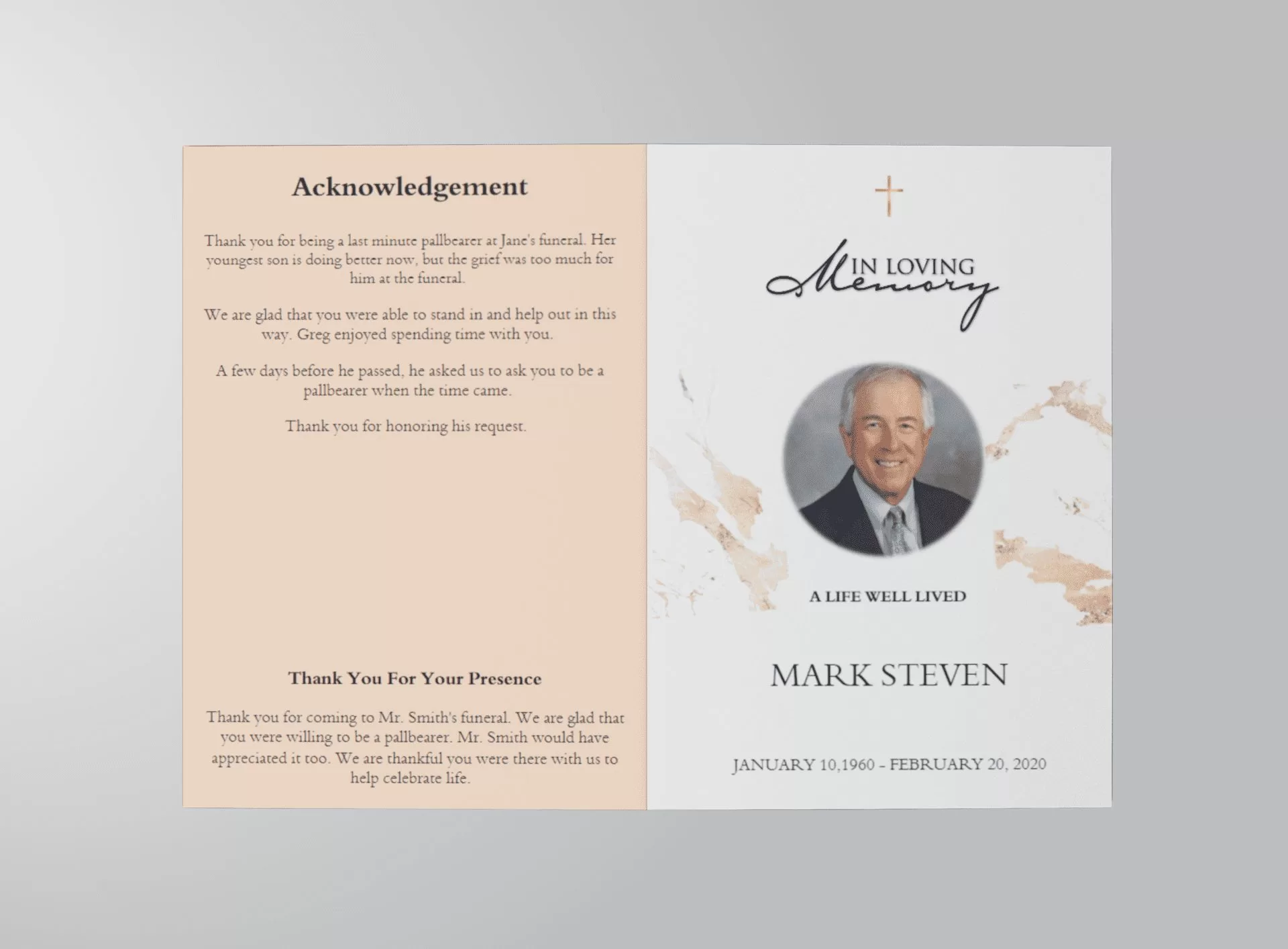

sample of obituary

Sample of Obituary: A Step-by-Step Guide

Creating a heartfelt and meaningful obituary is an essential part of honoring a loved one’s life. It allows family and friends to reflect on their cherished memories while sharing the life story of the departed. If you’re unsure where to start, this Sample of Obituary: A Step-by-Step Guide will help you write a meaningful tribute.


What is an Obituary?

An obituary is a written announcement of a person’s death that often includes key details about their life, achievements, and funeral arrangements. A well-written obituary can also provide comfort to those grieving by highlighting the unique qualities and memories of the deceased. If you’re crafting an obituary for a loved one, start by exploring this Sample of Obituary.


Essential Elements of a Sample Obituary

  1. Announcing the Death Begin by announcing the passing of your loved one. Include the full name, age, and date of death. For example:
    • “We are heartbroken to share that John Smith, aged 72, passed away peacefully on December 10, 2024.”
  2. Personal Details Share details such as:
    • Birthdate and place.
    • Names of parents, spouse, children, or other significant relationships.
    • Important milestones and achievements.
  3. Life Story Highlight memorable moments of their life:
    • Education and career achievements.
    • Volunteer work or community contributions.
    • Hobbies and passions that brought them joy.

    Find inspiration from this Sample of Obituary to personalize the tribute.


Writing Style for an Obituary

  • Tone: Keep the tone respectful and heartfelt.
  • Length: Aim for brevity while including meaningful details.
  • Gratitude: Acknowledge the love and support from family and friends.

Example of a Sample Obituary

Mary Elizabeth Brown, 68, passed away peacefully on November 25, 2024, surrounded by her family. She was born on July 12, 1956, in Springfield, Illinois, to Harold and Jeanette Wilson.

Mary was a devoted wife to James Brown and a loving mother to three children: Jennifer, Michael, and Sarah. She was known for her kindness, vibrant spirit, and dedication to community service. Mary had a passion for gardening, painting, and spending time with her grandchildren.

Her life will be celebrated at a memorial service on December 1, 2024, at St. Mary’s Church. In lieu of flowers, the family requests donations be made to Mary’s favorite charity.

Explore more ideas by reading our Sample of Obituary Guide.


Tips for Crafting a Memorable Obituary

  • Gather Information: Speak with family members to collect stories and milestones.
  • Be Genuine: Reflect the personality and unique qualities of the departed.
  • Include Funeral Details: Provide information on the funeral service, visitation, and how attendees can send condolences.

If you need assistance, our Sample of Obituary: A Step-by-Step Guide offers detailed examples and tips.


Why Obituaries Matter

Obituaries are more than announcements; they’re a lasting tribute to your loved one’s life. By sharing their story, you can inspire others and create a space for collective remembrance. Use this Sample of Obituary to ensure your tribute reflects the love and respect they deserve.


Writing an obituary is a deeply personal process, but it doesn’t have to be overwhelming. With thoughtful planning and inspiration from this Sample of Obituary Guide, you can create a tribute that honors the memory of your loved one beautifully.

Back to Top
Product has been added to your cart
Compare (0)