
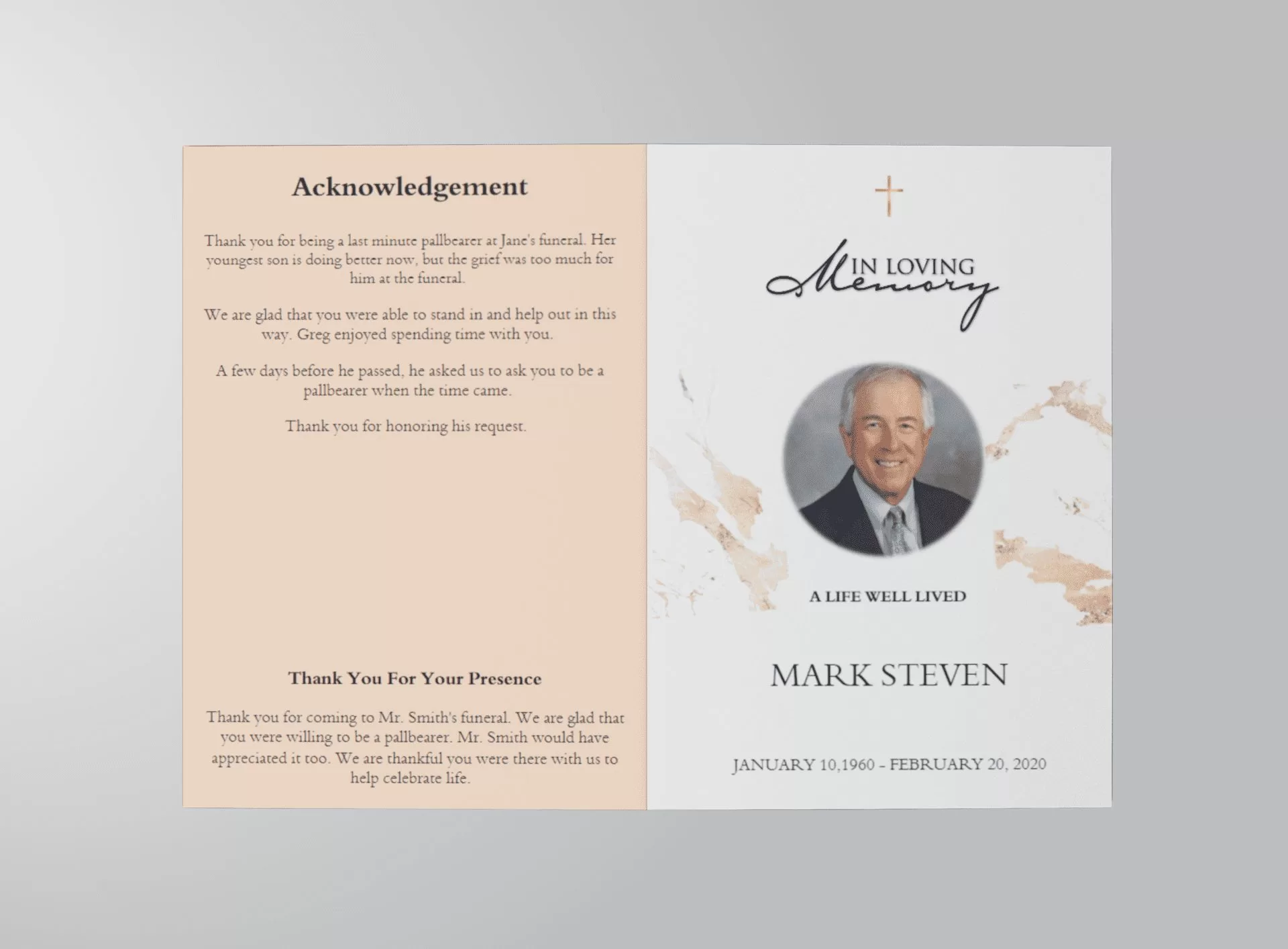
Essential Guide to Funeral Planning and Obituaries

Understanding the Basics of Funeral Planning
Planning a funeral can feel overwhelming, but understanding the essentials can ease the process significantly. It allows families to navigate this challenging time while honoring their loved ones. Here’s a comprehensive guide that outlines the key elements of funeral planning.
1. Importance of Funeral Planning
Funeral planning is not just a series of tasks; it’s a significant way to pay tribute to a loved one. Here are a few reasons why it matters:
- Honoring Wishes: Ensures that the deceased’s wishes are respected.
- Family Support: Helps family members to support each other during a difficult time.
- Financial Consideration: Allows for better budgeting and financial management.
For more insights, check our detailed article on thoughtful funeral planning.
2. Crafting an Obituary
An obituary is a vital part of commemorating a loved one. It highlights their life and legacy. To assist you in writing a heartfelt obituary, you can use our obituary template for Word. This resource provides a compassionate guide to help articulate your sentiments.
Key Elements of an Obituary
- Full Name: Include the full name of the deceased.
- Dates: Mention the birth and death dates.
- Life Achievements: Highlight significant milestones and contributions.
- Surviving Family: List family members who are left behind.
3. Navigating Grief and Funeral Planning
Grief is a natural response to loss, and it can influence funeral planning decisions. Understanding how grief affects this process is crucial. For support, refer to our article on navigating grief and planning.
4. Essential Steps in Funeral Planning
Here are some essential steps to follow when planning a funeral:
- Choose a Funeral Home: Research and select a funeral home that fits your needs.
- Decide on the Type of Service: Consider whether a traditional service, memorial, or celebration of life is appropriate.
- Arrange for Transportation: Make arrangements for the transportation of the deceased.
- Plan the Details: This includes music, readings, and speakers.
For more detailed information on the process, visit our page on understanding the essentials of funeral planning.
5. After the Funeral
The period following a funeral is often filled with mixed emotions. Families should take time to grieve and heal together. Support from friends and community can play a vital role during this time.
By being informed about the funeral planning process, you can ensure that you honor the memory of your loved one while taking care of your family’s needs. Remember that you are not alone in this journey; resources are available to assist you every step of the way.