
Writing an Obituary
If you’re grieving, putting words together can feel overwhelming. This guide gives a clear, respectful structure so you can summarize a loved one’s life with accuracy and care—then refine it in your own voice.
Start here: a simple obituary structure
If you want the quickest way to begin, use this outline. You can write in your own voice—then edit for clarity and accuracy.
- Introduce the death respectfully (a brief announcement)
- Share key details of the life lived (milestones, work, passions, or service)
- List family (surviving and, if you choose, predeceased family members)
- Include service information (funeral or memorial details, if available)
- Review for accuracy and tone (check names, dates, and wording)
Use a template to get started
If you’d rather start from a ready-to-fill format, use the template help below.

How to write an obituary
- Gather information: Compile names, dates, and key life events.
- Write the introduction: Announce the death respectfully and clearly.
- Detail the life lived: Highlight meaningful events, achievements, and qualities.
- Include family members: List close family members (surviving and, if you include them, predeceased).
- Add service information: Share funeral or memorial details, if you have them.
- Review and edit: Ensure accuracy, readability, and a tone that feels right.
What an obituary is (and how it differs)
An obituary is a written notice that announces a person’s death, includes a brief account of their life, and may include information about upcoming funeral or memorial services. Unlike a eulogy (a speech delivered during the service), an obituary is typically written for publication in newspapers or online.
Key components to include
- Name
- Age
- Place of birth
- Date of death
- Close family members
- Significant life events (education, career, hobbies, charitable affiliations—if relevant)
Helpful tips for respectful, clear writing
- Write with respect and honesty: Aim for sincere, compassionate wording, especially when describing complex parts of a life.
- Personalize it (without overthinking): Include a few details that feel true—like a meaningful anecdote or a notable achievement—then keep the rest simple.
- Avoid common mistakes: Don’t make it too long or too brief, double-check accuracy (names and dates), and keep the tone respectful.
Examples and inspiration
If you’re unsure where to start, reviewing well-written obituaries can help you understand tone, length, and how personal details fit into the overall structure. Then adapt what you like to your loved one’s story.
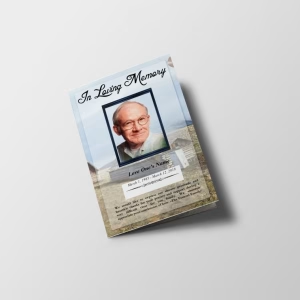
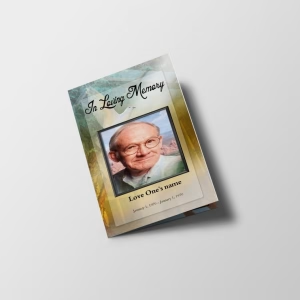
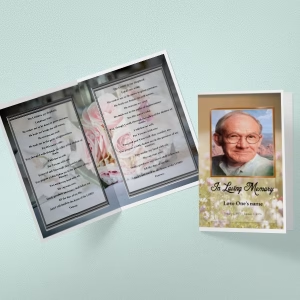
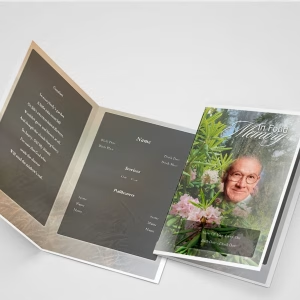
For additional guidance, you can also reference an obituary template to help with formatting and wording.
Funeral Obituary Templates
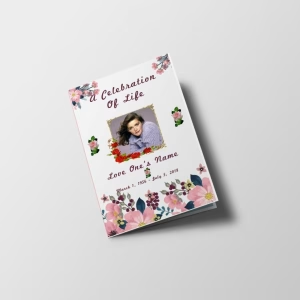
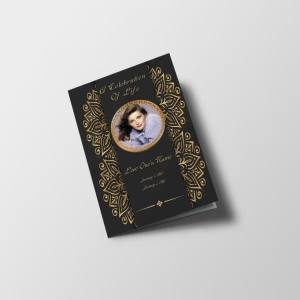

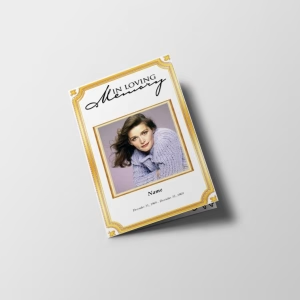
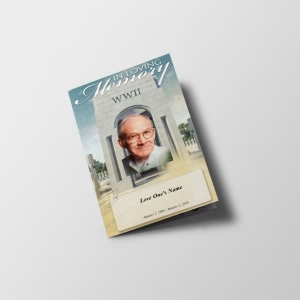
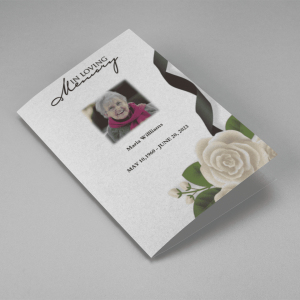
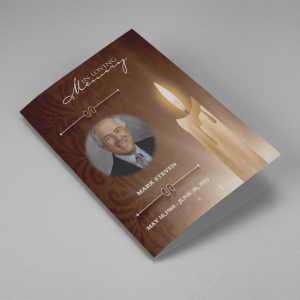
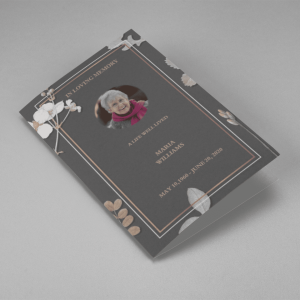
Free Funeral Program Template Help Video
If you’d also like help with the program side of the service, the video below can walk you through it.
FAQ about writing an obituary
What’s the difference between an obituary and a eulogy?
An obituary is a written notice that announces a death and summarizes a person’s life, often with service details. A eulogy is a speech delivered during the service.
What basic information should I include?
Common elements include the person’s name, age, place of birth, date of death, and close family members. Many obituaries also include key life events such as education, career, hobbies, or charitable affiliations.
How do I decide how long it should be?
Aim for a tribute that’s clear and complete without trying to cover every detail of a life. If you’re unsure, start with the core sections (introduction, life highlights, family, and service information) and edit for readability.
Should I include predeceased family members?
Many obituaries include surviving and, if the family chooses, predeceased family members. Use what feels appropriate and consistent with how you want the obituary to read.
What’s the best way to keep it respectful and accurate?
Use sincere, careful wording; balance honesty with sensitivity; and review details for accuracy (especially names and dates) before publishing.
Can I add personal anecdotes or achievements?
Yes. Personal touches—like a short anecdote or meaningful achievement—can make the obituary feel more personal and memorable. Keep the focus on what reflects the person’s unique life.
Writing an obituary is deeply personal. With a clear structure, accurate details, and a respectful tone, you can create a tribute that honors your loved one’s memory.
Add a review
Your email address will not be published. Required fields are marked *