Crafting the Perfect Obituary: Templates and Sample Examples

Templates and Sample Examples

Writing an obituary is a meaningful way to honor a loved one’s life and legacy. If you’re searching for guidance, using a sample obituary examples can provide inspiration and structure.

What is an Obituary?

An obituary is a written announcement of a person’s passing, often shared in newspapers, online memorials, or funeral programs. A well-written obituary typically includes:

  • Name, age, and date of passing
  • Brief biography (education, career, hobbies, achievements)
  • Surviving family members
  • Funeral or memorial details
  • A heartfelt tribute or quote

If you’re unsure how to format one, reviewing an example of an obituary can be helpful.

Using an Obituary Template

To simplify the writing process, many people use a template of obituary as a starting point. These templates provide a structured format, ensuring all important details are included.

Types of Obituary Templates

  • Traditional Obituary: Follows a formal structure with essential details. Use a template for obituary to maintain a classic format.
  • Personalized Obituary: A more detailed and heartfelt tribute. Various obituary templates offer different styles.
  • Short Obituary: A concise version suitable for newspaper announcements. Find a template of an obituary to keep it brief yet impactful.

For more options, explore templates for obituaries to find one that best fits your needs.

Sample Obituary Layouts

Formatting an obituary properly ensures clarity and professionalism. Using sample obituary layouts can help structure your message effectively.

Key Elements of an Obituary Layout

  1. Header: Full name, age, and date of passing.
  2. Introduction: Brief summary of the individual’s life.
  3. Biographical Details: Career, achievements, and hobbies.
  4. Survivors: Names of close family members.
  5. Funeral Arrangements: Date, time, and location.
  6. Personal Touch: A favorite quote or memory.

For a ready-to-use format, consider downloading an obituary template to simplify the process.

Writing an obituary doesn’t have to be overwhelming. By using sample obituary examples and structured obituary templates, you can create a heartfelt tribute that honors your loved one’s memory. Whether you need a template of obituary or a guide on structuring the content, these resources will help you craft a meaningful obituary with ease.

For additional resources and templates, visit QuickFuneral today.

Writing the Perfect Obituary: Examples and Samples to Guide You

Losing a loved one is never easy, and writing an obituary can feel like an overwhelming task. However, a well-crafted obituary serves as a heartfelt tribute, celebrating the life and legacy of the departed. If you’re unsure where to start, reviewing an example of obituary can provide guidance and inspiration.

What is an Obituary?

An obituary is a written announcement of a person’s passing, often published in newspapers or online memorial pages. It typically includes key details such as:

For reference, here’s a sample obituary to help you structure your writing.

Examples of Obituaries

Every obituary is unique, reflecting the personality and legacy of the departed. If you’re looking for examples of obituaries, consider these formats:

Traditional Obituary

A formal and respectful announcement, often following a standard template. You can check out a sample of obituary for a structured approach.

Personalized Obituary

A more heartfelt and detailed account of the deceased’s life, highlighting their personality, achievements, and impact. Browse through obituaries samples to see how others have honored their loved ones.

Short Obituary

For newspapers with limited space, a concise version of the obituary focuses on essential details. If you need samples of an obituary, check out these well-crafted examples.

How to Write an Obituary

If you’re unsure how to begin, here’s a step-by-step guide:

For more inspiration, refer to this obituary example that beautifully captures a loved one’s story.

Finding the Right Words

Writing an obituary is a deeply personal process. If you need assistance, these samples of obituaries can guide you in crafting a meaningful tribute. Whether you want a traditional, heartfelt, or brief obituary, exploring different samples of an obituary can help you find the right words.

Honoring a loved one’s life through an obituary is a meaningful way to preserve their memory. If you’re looking for inspiration or guidance, these samples of obituaries provide helpful starting points. Whether you’re writing for a newspaper, an online memorial, or a personal tribute, a well-crafted obituary can serve as a lasting remembrance of a cherished life.

For more resources and templates, visit QuickFuneral today.

Writing a Meaningful Obituary: Examples & Guide

Writing a Meaningful Obituary: Examples & Guide

Losing a loved one is a deeply emotional experience, and writing an obituary can feel overwhelming. An obituary serves as a tribute, celebrating the life and legacy of the deceased while providing essential details about their life and funeral services. This guide provides examples of obituaries for different family members and tips on crafting a heartfelt and meaningful tribute.

How to Write a Meaningful Obituary

An obituary typically includes the following:

Using an example of an obituary for a mother can provide guidance on structuring your tribute.

Examples of Obituaries for Family Members

Example of an Obituary for a Mother

“With heavy hearts, we announce the passing of our beloved mother, Jane Doe, who peacefully left us on 2026. Born on [birth date], she was a loving mother, grandmother, and friend to many. Jane dedicated her life to caring for her family and serving the community. Her kindness and generosity will always be remembered. A memorial service will be held at [location] on 2026.”

For a more detailed obituary, visit our example of an obituary for a mother.

Example of an Obituary for a Father

“John Doe, a devoted husband, father, and grandfather, passed away on 2026 at the age of [age]. He was known for his unwavering strength, wisdom, and love for his family. John’s passion for [career/hobby] and his ability to bring joy to those around him will never be forgotten. A service celebrating his life will be held at [location] on 2026.”

Need more inspiration? See our example of an obituary for a father.

Example of an Obituary for a Brother

“We are saddened to share the passing of our dear brother, [Name], who left us on 2026. He was a loving brother, a loyal friend, and a compassionate soul who touched many lives. [Name] was passionate about [interest/hobby] and always brought laughter into our hearts. A funeral service will be held at [location] on 2026.”

For a structured obituary, check our example of an obituary for a brother.

Example of an Obituary for a Husband

“[Name], a devoted husband and loving father, passed away peacefully on 2026. He was a man of great integrity, love, and strength. His dedication to his family and his unwavering kindness will always be cherished. A celebration of his life will take place at [location] on 2026.”

Find more ways to write a tribute with our example of an obituary for a husband.

Example of an Obituary for a Grandmother

“It is with great sorrow that we announce the passing of our beloved grandmother, [Name], on 2026. She was a beacon of love, warmth, and wisdom, always ensuring her family felt cared for. Her legacy of kindness and strength will continue to inspire us. A memorial will be held at [location] on 2026.”

For more insights, read our example of an obituary for a grandmother.

Example of an Obituary for a Son

“With broken hearts, we mourn the passing of our beloved son, [Name], on 2026. His infectious smile and kind heart left an everlasting impact on everyone he met. His love for [hobby/career] brought him immense joy, and we will forever hold onto the beautiful memories he gave us. A funeral service will be held at [location] on 2026.”

Visit our example of an obituary for a son for more details.

Example of an Obituary for a Sister

“Our hearts are heavy with the loss of our beloved sister, [Name], who passed away on 2026. She was a source of joy and strength, always supporting her loved ones with kindness and compassion. She will be deeply missed, but her love will remain with us forever. A celebration of her life will be held at [location] on 2026.”

For additional examples, see example of an obituary for a sister.

Tips for Writing a Heartfelt Obituary

  • Keep it personal: Share a unique memory or characteristic of the deceased.
  • Include important details: Ensure essential dates, locations, and names are mentioned.
  • Keep it structured: Follow a clear format to make it easy for readers.
  • Use a warm and respectful tone: An obituary is a tribute, so keep the language comforting and positive.

Writing an obituary is a way to honor your loved one’s memory and share their legacy with the world. Whether you are writing about a parent, sibling, spouse, or child, these examples and guidelines can help you craft a meaningful tribute. If you need more assistance, visit our website for more templates and examples.

Examples & Guide to Crafting a Meaningful Obituary

How Are Obituaries Written?

Obituaries serve as a meaningful way to celebrate the life of a deceased individual and inform the community of their passing. Writing an obituary can be a delicate task, but with careful thought and attention to detail, it can honor the legacy of a loved one. The first step in writing an obituary is gathering all the necessary information, which includes the person’s full name, date of birth, date of death, and important life details such as career achievements, education, family members, and hobbies. Once the essential facts are collected, the tone of the obituary can be decided. Typically, obituaries maintain a respectful and dignified tone, but they may also highlight personal stories, memorable moments, or the deceased’s character. For more guidance on this, visit How Are Obituaries Written?.

An Example of Obituary

If you’re wondering what an obituary looks like, reviewing an example can be helpful. An obituary usually includes information such as the deceased’s full name, age, date of birth, place of birth, date of death, surviving family members, and funeral arrangements. The obituary may also reflect the individual’s personality, giving readers a glimpse into their life beyond basic facts. To see a detailed Example of Obituary, refer to the sample provided in the link.

Can an Obituary Be Used as a Legal Document?

Obituaries are primarily written for public and memorial purposes, but some might wonder whether an obituary could hold legal significance. While an obituary itself is not typically considered a legal document, it may play a role in legal matters. For instance, a death notice or obituary may provide proof of the death date, which could be necessary for probate proceedings or legal purposes. However, to confirm the legal aspects, a certified death certificate is typically required. Learn more about whether an obituary can be used as a legal document by visiting Can an Obituary Be Used as a Legal Document?.

Personal Obituary Examples

Writing a personal obituary can be particularly challenging. Many people may wish to reflect the true essence of the individual in a heartfelt way. A personal obituary might include memorable anecdotes, favorite quotes, or specific attributes that made the person unique. Including personal details such as their career, volunteer work, or hobbies can also paint a fuller picture. If you’re seeking inspiration, explore Personal Obituary Examples for some ideas to create a meaningful tribute.

Examples of Writing an Obituary

When crafting an obituary, using examples can provide structure and inspiration. Whether it’s for a public figure or a loved one, examples of writing an obituary can guide you in creating a clear and respectful tribute. From the factual elements such as the name and date of birth, to the more personal touches, such as a person’s accomplishments or passions, understanding the format of an obituary is essential. For more information, explore Examples of Writing a Obituary.

Ways to Start an Obituary

The opening of an obituary can set the tone for the rest of the piece. There are many ways to start an obituary, but typically, the first sentence includes the deceased’s name, date of birth, and date of death. From there, you may wish to add personal information, such as their accomplishments or role in the community. For inspiration on the perfect opening, check out Ways to Start an Obituary.

An Example of an Obituary in English

If you’re looking for an example written in English, there are many resources available that can offer guidance. Writing an obituary in English might follow the same basic structure as in other languages, but the phrasing and tone might differ based on cultural and personal preferences. To see an example of an obituary written in English, visit An Example of an Obituary in English.

Standard Obituary Examples

Standard obituary examples often adhere to a specific format, including the deceased’s full name, date of birth, date of death, and basic family information. This format is widely accepted and ensures that the most important information is included. Some people choose to personalize their obituaries with additional information, such as their legacy, work, or hobbies. For a more formal look, check out the Standard Obituary Examples for some inspiration.

Good Example of Obituary

A good obituary is one that strikes a balance between factual information and heartfelt tributes. It should include details about the deceased’s life, their family, accomplishments, and contributions to the community. A well-written obituary can truly reflect a person’s impact and legacy. If you want to see a well-crafted obituary example, explore the Good Example of Obituary.

What Are Examples of Obituary Sentences?

Obituary sentences are an important component of an obituary. They serve to provide a brief overview of the deceased’s life and their lasting impact. These sentences typically include personal accomplishments, relationships, and a message of appreciation. If you’re looking for examples to help you create your own obituary sentences, visit What Are Examples of Obituary Sentences?.

What Is an Example of Obituary Message?

An obituary message is the heartfelt message included in an obituary to remember and honor the deceased. It can reflect the person’s character, achievements, and legacy. These messages are often deeply personal and provide comfort to those mourning the loss. To see a sample obituary message, refer to What Is an Example of Obituary Message.

An Example of an Obituary in Xhosa

For those who wish to write an obituary in Xhosa, there are examples available to guide you in composing a respectful and meaningful tribute. Writing an obituary in a specific language may require an understanding of local customs, language nuances, and cultural sensitivities. Check out An Example of an Obituary in Xhosa for a helpful example.

Give an Example of Obituary

Sometimes, it’s easier to understand the structure and tone of an obituary by looking at a real example. Seeing how an obituary flows, what information is included, and how it’s written can help you create your own. If you need inspiration, visit Give an Example of Obituary.

What’s an Example of an Obituary?

An obituary example helps you visualize how your own obituary might look. It can provide guidance on the format, style, and content needed to effectively convey the essence of the person being honored. To learn more, refer to What’s an Example of an Obituary.

Can a Person Write Their Own Obituary?

Yes, it is entirely possible for a person to write their own obituary. Many people choose to do this in order to make sure their legacy is accurately represented and to leave behind a personal message for loved ones. Writing your own obituary allows you to reflect on your life, accomplishments, and relationships in a way that feels meaningful. For more information, visit Can a Person Write Their Own Obituary?.


What Is The Best Template For An Obituary?

Crafting an obituary is an important task when honoring the life and memory of a loved one who has passed away. It’s a deeply personal tribute that provides a summary of a person’s life, their values, and their connections to family, friends, and the community. Choosing the best obituary template can make this process easier, particularly during a time of grief, allowing you to focus on personalization and meaningful expression.

Why Choosing the Right Template Matters

Writing an obituary is about more than just listing facts about someone’s life. It’s an opportunity to tell a story, to celebrate their achievements, and to express how much they meant to the people who loved them. The right obituary template can guide you in structuring these thoughts, making it easier to compose a meaningful and organized narrative.

An eco-friendly obituary template takes this a step further by ensuring that the process is sustainable. This includes using digital formats, printable templates on recycled paper, and reducing waste by offering templates that are both practical and environmentally conscious.


What Should an Obituary Include?


Before choosing a template, it’s important to understand the basic elements that make up an obituary. These can vary slightly depending on cultural traditions or personal preferences, but most obituaries will include:

  1. Personal Information: The full name of the deceased, date and place of birth, date of death, and age.
  2. Family Information: Names of immediate family members, including surviving relatives and predeceased loved ones.
  3. Life Summary: A brief overview of the person’s life, including their education, career, hobbies, achievements, and community involvement.
  4. Funeral or Memorial Service Details: Information about the time, date, and location of the funeral or memorial service.
  5. Memorial Contributions: In some cases, people prefer to request donations to a charity or cause in lieu of flowers.

An eco-friendly obituary template may also provide space to include green memorial options, such as planting trees in memory of the deceased or donating to environmental causes.


The Best Types of Obituary Templates


Here are some types of templates to consider, with each offering different benefits depending on your needs:

1. Traditional Obituary Template

A traditional obituary template provides a classic structure that includes all the essential information in a simple, straightforward format. This type of template is ideal if you prefer a formal and timeless design that honors the deceased respectfully.


2. Celebration of Life Template

A celebration of life obituary template takes a more positive and uplifting tone, focusing on the happy moments, achievements, and joyful memories of the deceased. These templates often allow for more flexibility in terms of layout and design, with space for colorful elements, quotes, and photographs.


3. Minimalist Obituary Template

For those who prefer simplicity, a minimalist obituary template may be the best choice. These templates provide clean, modern designs that prioritize white space and understated fonts. They are perfect for conveying information clearly and concisely, while still being elegant.


4. Bi-Fold or Tri-Fold Templates

Bi-fold and tri-fold templates allow you to include more content without overcrowding the design. They provide additional space for extended family details, multiple photographs, and longer life summaries. These templates are useful for memorial services that might involve a program or multiple speakers.


5. Interactive Digital Obituary Templates

With the rise of digital technology, interactive obituary templates have become more popular. These templates allow you to create a digital tribute that can include videos, audio clips, and virtual memory walls, where friends and family can leave their condolences or share their own memories.


How to Choose the Best Obituary Template


When choosing the best template for an obituary, consider the following factors to make sure it suits your needs and values:


1. The Tone of the Tribute

Think about how you want the obituary to feel. Should it be formal and respectful, or more lighthearted and celebratory? Some families may prefer a somber tone, while others may want to highlight the positive and joyful aspects of the deceased’s life

.

2. Your Audience

Who will be reading the obituary? If you have a large family or extended network of friends, you might need more space for additional details and acknowledgments. If the audience is smaller, a minimalist or short-form obituary may suffice.


3. Customization Options

Look for templates that allow for easy customization so you can add personal touches like special fonts, favorite quotes, or meaningful images. The best templates are flexible enough to accommodate your needs.


4. Eco-Friendliness

If sustainability is important to you, choose an obituary template that allows for digital distribution or can be printed on recycled materials. Digital templates are an excellent way to reduce waste and leave a smaller carbon footprint while still honoring your loved one’s memory.


Tips for Writing an Eco-Friendly Obituary

Here are some additional tips for creating an obituary that’s both heartfelt and environmentally friendly:

  • Go digital: Opt for a digital version of the obituary to minimize paper usage. Share it via email or social media to reach a larger audience without printing.
  • Use recycled paper: If you need printed copies, select 100% recycled or tree-free paper options.
  • Choose sustainable fonts and colors: Avoid designs that require excessive ink. Stick to minimalist layouts and lighter colors to save on printing resources.
  • Highlight eco-conscious memorial options: Encourage family and friends to donate to environmental charities or participate in green memorial practices like planting trees in memory of the deceased.


The Best Obituary Template Is the One That Reflects Your Loved One

There’s no single answer to the question of what the best obituary template is. The right template for you will depend on your preferences, the personality of the person being honored, and your environmental considerations. At QuickFuneral.com, we offer a wide selection of eco-friendly, customizable obituary templates to suit any need. Whether you’re looking for a traditional design, a minimalist layout, or a celebration of life template, we’re here to help you create a meaningful and sustainable tribute to your loved one.

Sample Obituaries and Templates

Sample obituaries offer a helpful starting point, providing structure and inspiration during a difficult time. Whether you’re looking for a simple obituary sample, multiple obituaries samples, or a free sample obituary template, this guide will provide the resources and advice to help you create the perfect tribute.

Writing an obituary can be one of the most important tasks when honoring a loved one’s life. It serves as a final farewell and a way to celebrate their legacy. Sample obituaries offer a helpful starting point, providing structure and inspiration during a difficult time. Whether you’re looking for a simple obituary sample, multiple obituaries samples, or a free sample obituary template, this guide will provide the resources and advice to help you create the perfect tribute.

In this article, you’ll find various obituary sample formats, along with tips on how to personalize them to reflect your loved one’s unique story.


What is a Sample Obituary?

A sample obituary is a pre-written example that helps guide you in creating an obituary. These templates can be customized to include key details such as the deceased’s name, age, family members, accomplishments, and funeral service details. Whether you need a brief or detailed obituary sample format, using samples can help you get started quickly and confidently.

Explore our sample obituaries for inspiration and guidance.


Benefits of Using Sample Obituaries

Using sample obituaries comes with several benefits:

  1. Provides Structure: Obituary templates give you a clear structure, ensuring that all necessary details are included. This is especially useful if you’re not sure where to start.
  2. Saves Time: Writing an obituary from scratch can be time-consuming. A free sample obituary template speeds up the process, giving you more time to focus on personalizing the content.
  3. Reduces Stress: During a time of grief, it can be challenging to focus on writing. Using a sample removes the pressure of having to come up with the right words and allows you to simply fill in the blanks with relevant information.
  4. Ensures Completeness: By following a sample obituary format, you won’t forget important details like service times, family acknowledgments, and personal achievements.

You can view various obituaries samples to see how they can help you craft a thoughtful and complete obituary.


Types of Sample Obituaries

There are several types of obituary sample formats you can choose from, depending on your needs and preferences. Here are a few common examples:

  1. Traditional Obituary Sample:
    • Includes the full name of the deceased, date of birth, date of passing, family members, and funeral details.
    • Example: “John Doe, 85, passed away peacefully on [Date]. He was a beloved husband, father, and grandfather, survived by [family members]. A service will be held at [Location] on [Date].”
  2. Short Obituary Sample:
    • Focuses on key details and is often used in newspapers with space limitations.
    • Example: “[Name], age [Age], of [City], passed away on [Date]. Services will be held at [Location].”
  3. Personalized Obituary Sample:
    • Highlights personal stories, achievements, and the character of the deceased.
    • Example: “Jane Doe was not just a mother; she was an artist, traveler, and the heart of her community. Her passion for [Hobby] brought joy to everyone around her.”
  4. Military Obituary Sample:
    • Designed to honor veterans and military personnel, featuring their service details.
    • Example: “Captain [Name], a proud veteran of the U.S. Navy, passed away at the age of [Age]. His dedication to his country was unmatched, serving for over [Years].”

For more examples of each type, visit our free sample obituary template page.


How to Choose the Right Obituary Sample Format

Choosing the right obituary sample format depends on several factors:

  1. Length and Detail: Determine whether you want a brief or detailed obituary. If you’re submitting it to a newspaper, you may need to stick to a word count, but for online memorials, there is usually more freedom.
  2. Tone: Consider how formal or informal the tone should be. Traditional formats are typically more formal, while personalized obituaries may be more casual and storytelling in nature.
  3. Audience: Think about who will be reading the obituary. For example, if the deceased was involved in a specific community (such as military or religious communities), you may want to include specific references to reflect that part of their life.
  4. Customization: Most obituary samples are flexible, allowing you to personalize them with unique details about the deceased. Ensure that the sample you choose allows room for this personalization.

Tips for Using Sample Obituaries

Here are a few tips to keep in mind when using sample obituaries:

  1. Start with Basic Information: Always begin with the essential details like name, age, date of passing, and funeral service information. Once that is covered, you can move on to more personal aspects.
  2. Personalize Thoughtfully: Use the sample as a foundation, but make sure to add unique details that reflect the deceased’s personality, hobbies, and legacy. Mention key milestones, special relationships, and any passions that made them who they were.
  3. Be Mindful of Length: If you’re submitting the obituary to a newspaper, there may be word count limits. Ensure that your writing is concise while still honoring the person’s life.
  4. Keep It Respectful: While it’s important to capture the person’s spirit, be mindful of the tone. Ensure that the language used is respectful and appropriate for the occasion.
  5. Review for Accuracy: Before submitting or publishing the obituary, double-check all details for accuracy, including names, dates, and locations.

For more guidance, check out our obituaries samples and see how others have crafted thoughtful tributes.


Frequently Asked Questions (FAQs)

What is a sample obituary?
A sample obituary is a template or example that helps guide you in writing an obituary. It provides a structured format for you to follow, making the process easier and less stressful.

Where can I find free sample obituary templates?
You can find free sample obituary templates on various funeral planning websites, including QuickFuneral.com, where you can download and customize them to suit your needs.

Can I customize sample obituaries?
Yes, sample obituaries are meant to be customized. You can add personal anecdotes, adjust the tone, and include specific details that reflect the deceased’s unique life story.

What should be included in an obituary?
An obituary typically includes the deceased’s full name, date of birth, date of death, family members, notable achievements, and details of the funeral or memorial service.

How do I format an obituary sample for a newspaper?
When formatting an obituary for a newspaper, check the publication’s word count limits and guidelines. Keep the obituary concise, including key details like name, age, family, and service times, while following a structured obituary sample format.


Crafting an Effective Obituary: Dos and Don’ts for Honoring Loved Ones

Creating a Meaningful and User-Friendly Obituary

Step 1: Gathering Basic Information

To begin crafting a meaningful and user-friendly obituary, start by gathering important details about the person who passed away. These include their full name, birthdate, and date of death. Additionally, note any relevant information about the funeral or memorial service.

Step 2: Announcing the Passing/Death

Next, announce the passing of the individual. You may choose to include additional details such as the cause of death or the person’s age, but it’s not necessary. Use compassionate language to convey the news of their passing.

Step 3: Celebrating the Life and Accomplishments

Include biographical information and key life events that paint a picture of the person’s journey. This can encompass their childhood, education, career, marriage, and retirement. Highlight memorable moments, significant achievements, and any community, social, or military service they may have contributed. Take this opportunity to celebrate the person’s life, keeping in mind that this list is a starting point and you can adjust the level of detail as desired.


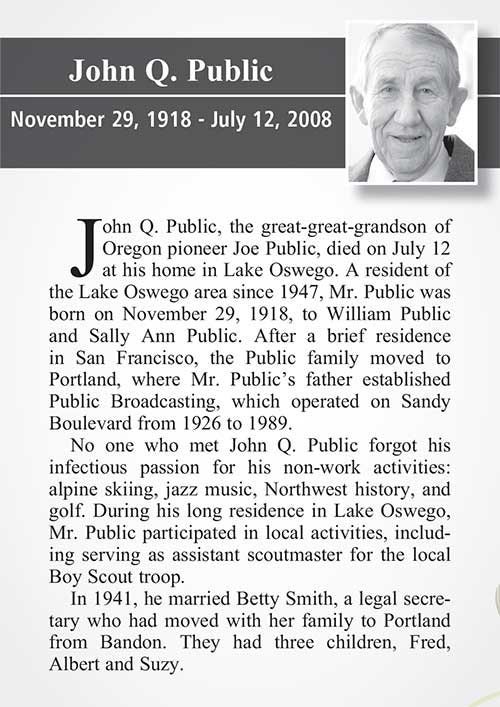
obituary template

obituary template

Writing Tips:

  1. Striking a Balance: While it’s natural to want to share personal details, remember to strike a balance. Avoid sharing overly intimate information, as the obituary will be read by many people. Maintaining a professional tone is important and helps protect the family from potential identity theft.
  2. Conciseness and Relevance: Keep the obituary concise and informative by being selective about the details you include. While it’s tempting to include everything, focusing on key aspects of the person’s life will make the obituary more engaging. Reserve funeral arrangements and personal messages for other memorial programs.
  3. Avoid Clutter: It’s not necessary to include every detail of the person’s life in the obituary. Celebrate their life effectively by keeping the obituary concise. Avoid mentioning ex-spouses or ordinary qualifications, as it can clutter the obituary and distract from the focus on the deceased’s life. You can use an obituary template to quickly edit and print.

Revamped Example:

[Full Name], aged [number], passed away on 2026. He was a beloved father, husband, and friend, deeply missed by all who knew him.

Born on [birthday] in [hometown], [First Name] later attended [education] at [institution]. He pursued a career as a dedicated [profession] at [company/organization], known for his unwavering work ethic and passion for helping others.

Beyond his professional life, [First Name] was a devoted father who cherished moments spent with his children. He enjoyed sharing stories, playing games, and watching their favorite TV shows. Providing unwavering support and guidance, he was a constant pillar of strength through life’s challenges.

In his free time, [First Name] indulged in [hobbies/interests], sharing his knowledge and enthusiasm with others. He actively contributed to the community, volunteering for various causes and organizations.

[First Name] is survived by his loving wife, [Name], his children, [Names], and his cherished grandchildren, [Names]. His memory will forever be cherished by all who knew him.

A private funeral service will be held for family and close friends. In lieu of flowers, the family kindly requests donations be made to [charity/cause].

By focusing on essential details and presenting the information in a compassionate and concise manner, this obituary becomes more user-friendly and pays homage to the life and accomplishments of the departed individual.


Free Tool for generating Obituary Example

Are you struggling to find the right words to honor the memory of a loved one who has passed away?

Look no further than our free obituary generator tool! Our easy-to-use tool takes the stress out of writing an obituary by guiding you through a series of prompts and questions about your loved one’s life, accomplishments, and personality.

From there, our advanced algorithm generates a beautifully written obituary that you can customize and edit to your heart’s content.

Not only does our obituary generator save you time and effort during a difficult time, but it also ensures that your loved one’s legacy is accurately and respectfully represented. Plus, it’s completely free to use! Give our obituary generator a try and see how it can help you create a meaningful tribute to your loved one that will be cherished for years to come.


Back to Top
Product has been added to your cart
Compare (0)