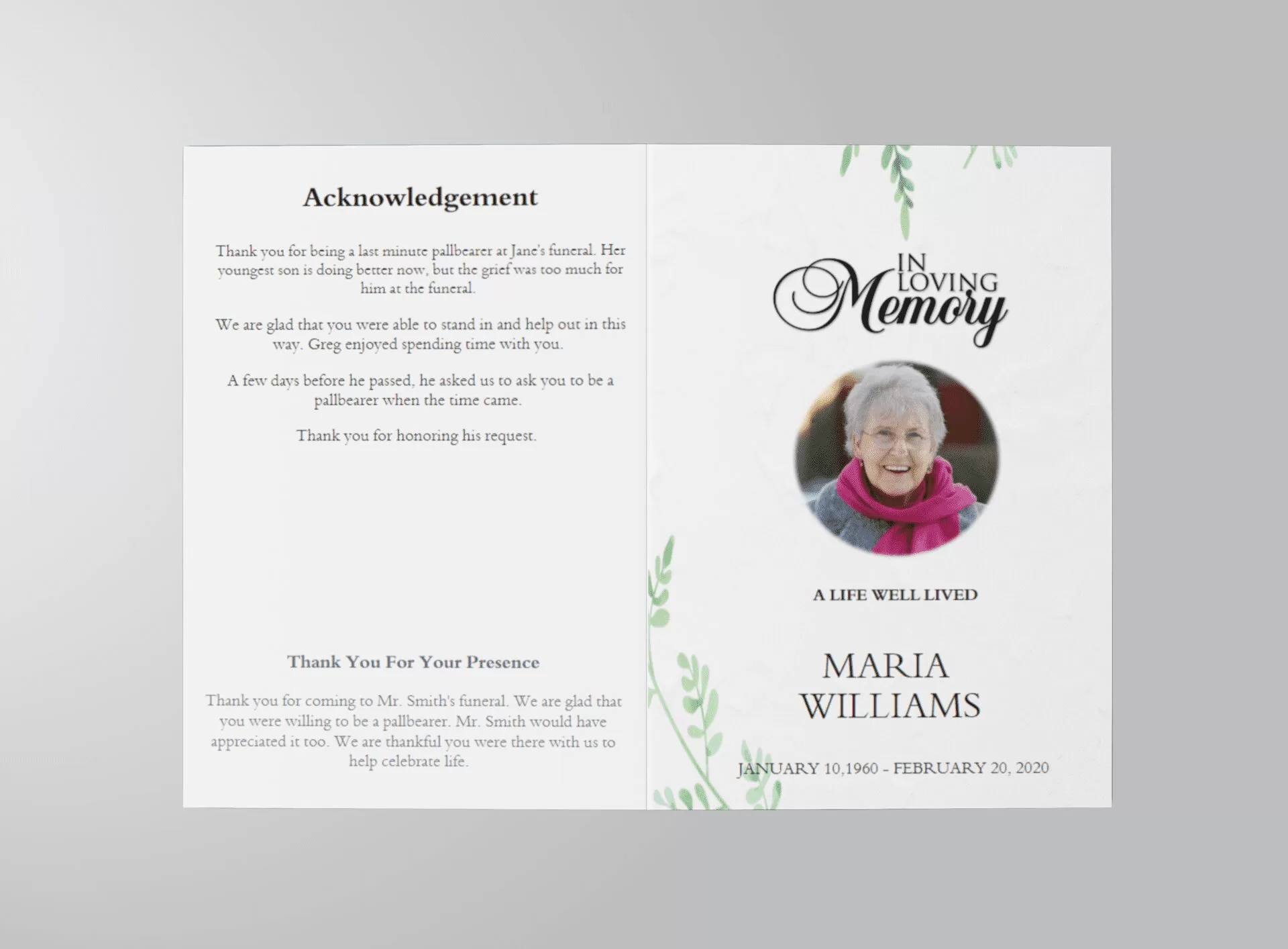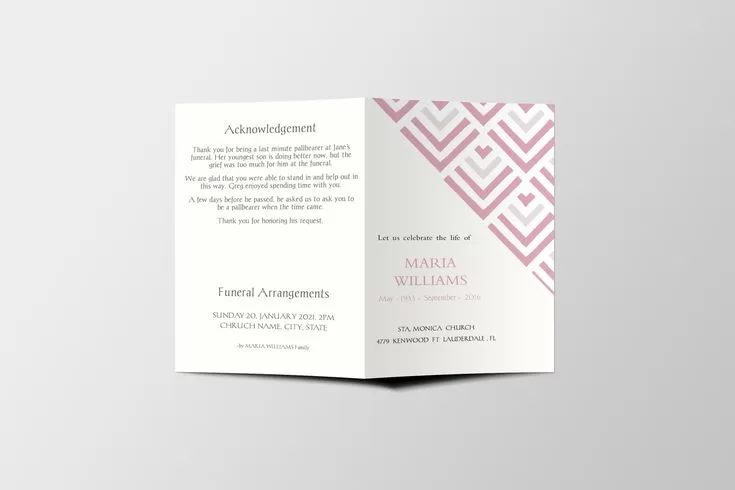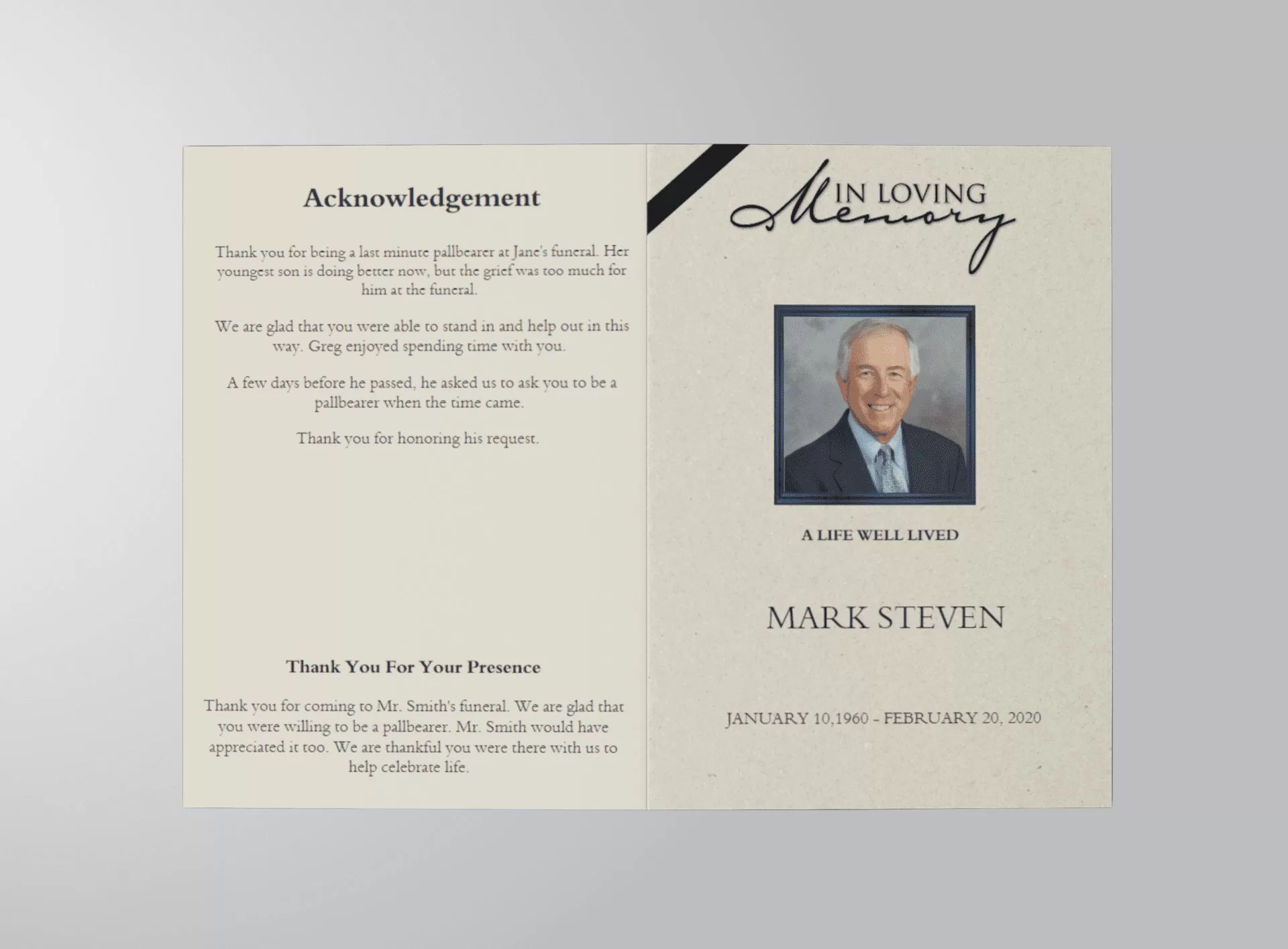
Top Free Funeral Program Templates for Every Service Style

Understanding Funeral Planning: A Comprehensive Guide

Example of an obituary for a mother

Introduction to Funeral Planning

Experiencing the loss of a loved one is one of the most profound emotional journeys one can face. During this time, the need for proper funeral planning becomes crucial. Understanding the essentials can significantly ease the burden on grieving families.

Key Aspects of Funeral Planning

Planning a funeral involves several important considerations. Here are some key aspects to keep in mind:

  • Choosing the Right Service: Determine whether a traditional funeral, memorial service, or celebration of life is most appropriate.
  • Budgeting: Be clear about your budget and explore options that fit within it. For detailed guidance, check our Comprehensive Guide to Funeral Planning.
  • Funeral Attire: Understanding appropriate attire can be sensitive. Review our guide on Choosing Appropriate and Respectful Outfits for Funerals.
  • Personalization: Consider how to personalize the service to reflect the personality of the deceased.
  • Legal and Administrative Tasks: Be prepared to handle necessary paperwork, including permits and death certificates.

Navigating the Emotional Journey

Funeral planning can evoke a range of emotions, and it’s essential to acknowledge them. Understanding the emotional journey can help families cope better. You can learn more about this in our article on Navigating the Emotional Journey of Funeral Planning.

Common Challenges in Funeral Planning

Several challenges may arise during the planning process:

  • Family Dynamics: Different opinions can lead to conflict; clear communication is key.
  • Decision Fatigue: The number of decisions can be overwhelming; consider delegating tasks to trusted family members or friends.
  • Time Constraints: Funerals often need to be arranged quickly; having a checklist can streamline the process.

Resources for Effective Planning

Utilizing resources can enhance your planning experience. For example, our Navigating the Complexities of Funeral Planning guide offers detailed insights into various planning aspects.

Additionally, understanding the essentials can be beneficial. For a deeper dive, refer to A Guide to Funeral Planning: Understanding the Essentials.

Final Thoughts on Funeral Planning

While planning a funeral can feel daunting, being informed and prepared can bring peace during a tumultuous time. Remember, you’re not alone; many resources are available to assist you.

fall card

Navigating the Emotional Journey of Funeral Planning

Obituary Template

Understanding Funeral Planning

When we lose a loved one, the emotional toll can be overwhelming. During such difficult times, planning a funeral becomes a necessary yet challenging task. This guide aims to provide you with insights and resources to navigate this journey with compassion and clarity.

The Importance of Funeral Planning

Funeral planning is not just about logistics; it’s about honoring the life of the deceased while also providing closure for family and friends. Here are some reasons why this process is vital:

  • Emotional Support: A well-planned funeral can bring comfort to grieving relatives and friends.
  • Personalization: It allows you to celebrate the individuality of your loved one through tailored services.
  • Financial Preparedness: Planning ahead can ease the financial burden on family members during a challenging time.

Key Steps in Funeral Planning

To help you navigate the planning process, here are essential steps to consider:

  1. Gather Information: Collect details about the deceased’s wishes, including any pre-arrangements they may have made.
  2. Choose a Funeral Home: Research local funeral homes and compare their services. For a comprehensive overview, check out our Essential Guide to Funeral Planning.
  3. Select a Service Type: Decide whether to have a traditional funeral, a memorial service, or a celebration of life.
  4. Plan the Details: Choose readings, music, and speakers for the service that reflect the deceased’s personality and values.
  5. Consider Logistics: Think about transportation, burial or cremation arrangements, and any other necessary services.

Understanding Funeral Attire

Another aspect of attending a funeral is understanding appropriate attire. For those looking for guidance, our article on Choosing the Perfect Funeral Suits for Ladies offers valuable insights on respectful clothing choices.

Resources for Support

Throughout this journey, don’t hesitate to seek support. Here are a few resources that may assist you:

By utilizing these resources and following the steps outlined, you can honor your loved one in a meaningful way while also caring for your own emotional needs during this difficult time.

Top Free Funeral Program Templates for Every Service Style

Navigating the Emotional Landscape of Funeral Planning

Obituary Template

Navigating the Emotional Landscape of Funeral Planning

Funeral planning is an essential yet often daunting task, especially during times of grief. It involves making numerous decisions that can feel overwhelming. However, understanding the various aspects of funeral planning can help ease the burden. In this guide, we’ll explore crucial components, including dress codes, planning essentials, and helpful insights.

Understanding Funeral Dress Code for Ladies

Choosing the right attire for a funeral is a significant part of showing respect for the deceased and their family. The funeral dress code for ladies typically leans towards conservative and subdued colors. Here are some guidelines to consider:

  • Color Choices: Black is traditional, but navy, gray, and dark earth tones are also acceptable.
  • Style: Modesty is key; opt for dresses or skirts that fall below the knee.
  • Accessories: Keep jewelry minimal and avoid flashy pieces that may draw attention.

Essential Guide to Funeral Planning

Planning a funeral requires careful thought and consideration. Our Essential Guide to Funeral Planning provides a comprehensive overview, helping families navigate through their grief with care. Key aspects to focus on include:

  • Choosing a Funeral Home: Research local establishments and read reviews to find a compassionate provider.
  • Service Details: Decide between a traditional service, memorial, or celebration of life.
  • Budgeting: Be aware of costs and plan accordingly; transparency is crucial.

Insights into Funeral Planning

It’s essential to gather insights into funeral planning to make informed decisions. Here are some points to consider:

  • Personal Touches: Include elements that reflect the deceased’s personality, such as favorite songs or photographs.
  • Guest Considerations: Think about the comfort of attendees; ensure the venue is accessible.
  • Follow-up: Consider sending thank-you notes after the service to acknowledge support.

A Comprehensive Approach to Funeral Planning

For a thorough understanding, our Comprehensive Guide to Funeral Planning offers in-depth information on the entire process. Here are some takeaways:

  • Pre-Planning Options: Discuss pre-planning with family members to ease decision-making later on.
  • Legal Considerations: Be aware of necessary paperwork and legal obligations.
  • Community Resources: Utilize local support groups or counselors for emotional assistance.

Conclusion

While this post does not include a conclusion, we hope this information on funeral planning has provided clarity and support during a difficult time. Remember, seeking help is a sign of strength, and resources are available to assist you through this journey.

fall card

Comprehensive Guide to Funeral Planning

Example of an obituary for a mother

Understanding the Essentials of Funeral Planning

Funeral planning is a crucial part of honoring the life of a loved one. It involves making thoughtful arrangements that reflect the wishes of both the deceased and their family. While this process can be overwhelming, understanding its core elements can help ease the burden during a difficult time.

Key Components of Funeral Planning

  • Choosing the Type of Service: This could be a traditional burial, cremation, or a memorial service. Each option has its unique benefits and considerations.
  • Location and Venue: Selecting a suitable venue for the service is essential. This could be a church, funeral home, or even a location that held significance to the deceased.
  • Obituary Preparation: Writing a heartfelt obituary is an important way to commemorate your loved one’s life. For guidance, check out our Essential Guide to Funeral Planning and Obituaries.
  • Budgeting: Funeral costs can add up quickly. It’s wise to create a budget that encompasses all aspects of the service.

Navigating Emotional Challenges

Planning a funeral is not just a logistical task; it’s also an emotional journey. Families often face various challenges during this time. For support, explore our article on Navigating Funeral Planning with Compassion and Care, which provides insights on managing emotions and making decisions that honor your loved one.

Essential Elements of Funeral Services

When planning a funeral, consider the following essential elements:

  1. Service Content: Decide on speakers, music, and readings that reflect your loved one’s personality.
  2. Memorialization: Consider creating a memory table with photos and personal items to celebrate their life.
  3. Guest List: Compile a list of family and friends to notify about the service.

Resources for Funeral Planning

There are numerous resources available to assist you during this time. Our Comprehensive Guide to Funeral Planning offers detailed information on each aspect of the planning process. Additionally, the Understanding the Essentials of Funeral Planning article provides foundational knowledge to help you navigate this journey.

Final Thoughts

While planning a funeral can be daunting, remember that you are not alone. There are many resources and guides available to help make this process as smooth as possible. By taking the time to plan carefully, you can create a meaningful tribute that honors the life of your loved one.

sample obituary examples

Essential Guide to Funeral Planning and Obituaries

Example of an obituary for a mother template

Understanding Funeral Planning

Funeral planning is a significant process that involves making thoughtful arrangements for a loved one’s final rites. While it can be overwhelming, understanding the essentials can provide clarity and comfort during a challenging time. This guide aims to navigate you through the process with compassion and care.

Key Components of Funeral Planning

  • Choosing the Type of Service: Decide whether you want a traditional service, a memorial, or a celebration of life.
  • Location: Determine where the service will be held, considering factors like accessibility and personal significance.
  • Budgeting: Create a budget to manage expenses effectively, ensuring that all necessary arrangements are covered.
  • Personal Touches: Consider incorporating meaningful elements such as music, readings, or personal stories that reflect the life of your loved one.

Incorporating Comforting Words

Many families find solace in including comforting Bible verses during a funeral service. These verses can provide strength and peace to grieving family members and friends. Selecting excerpts that resonate with the deceased’s life can create a powerful and healing atmosphere.

Understanding the Essentials of Funeral Planning

When faced with the loss of a loved one, it’s important to navigate the process with empathy and understanding. Our resource on understanding the essentials of funeral planning can guide you through the various facets, from legal obligations to emotional support systems.

Obituaries: A Tribute to Life

Crafting an obituary is a vital part of honoring the memory of the deceased. An obituary reflects their life, values, and the legacy they leave behind. For more insights on writing obituaries, visit our section on essential elements of funeral planning and obituaries.

Planning with Compassion

Planning a funeral requires both logistical and emotional considerations. Our article on navigating funeral planning with compassion and care emphasizes the importance of making choices that honor your loved one while providing comfort to grieving family members.

Helpful Resources for Funeral Planning

To further assist you in this journey, our guide on mastering the art of funeral planning offers tips and strategies to help streamline the planning process, ensuring that you honor your loved one’s memory in the best possible way.

Catholic Funeral Program Example PDF (Free Editable Template)

Comprehensive Guide to Funeral Planning

Example of an obituary for a mother

Understanding the Essentials of Funeral Planning

Planning a funeral is often one of the most challenging experiences a family can face. During such a sensitive time, having clear guidance can make the process smoother. This comprehensive guide will help you navigate the complexities of funeral planning with compassion and care.

Why Funeral Planning Matters

Funeral planning is not just about logistics; it is about honoring the life of your loved one. It allows families to come together and make decisions that reflect their values and wishes. For a deeper understanding, explore our Understanding Funeral Planning: A Comprehensive Guide.

Key Steps in Funeral Planning

  • Gather Information: Collect essential documents, including the deceased’s will and any pre-arrangements they may have made.
  • Choose a Funeral Home: Research local funeral homes and read reviews to find one that aligns with your family’s needs.
  • Discuss Options: Meet with the funeral director to discuss options for services, burial, or cremation.
  • Plan the Service: Consider how you would like to honor your loved one, whether through a traditional service, a celebration of life, or a private gathering.

Types of Funeral Services

Understanding the different types of funeral services can help you make informed decisions. Here are a few common options to consider:

  • Traditional Funeral: Involves a viewing, service, and burial or cremation.
  • Memorial Service: Held without the body present, often in a place of significance to the deceased.
  • Celebration of Life: A more informal service that focuses on celebrating the deceased’s life rather than mourning their passing.

Incorporating Personal Touches

Adding personal elements to the service can create a meaningful experience. Some ideas include:

  • Displaying photos and memorabilia
  • Creating a memory table
  • Incorporating favorite music or readings

For more detailed information, check out our Navigating the Complexities of Funeral Planning.

Financial Considerations

Funeral expenses can add up quickly, making it essential to budget ahead. Here are some tips to manage costs:

  • Compare Prices: Don’t hesitate to compare prices among different funeral homes.
  • Understand Packages: Ask about package deals that can offer savings on services.
  • Explore Funding Options: Consider pre-paid funeral plans or insurance policies that can ease the financial burden.

For a compassionate approach to financial planning, read our The Compassionate Guide to Funeral Planning.

Preparing for the Day of the Service

On the day of the service, it’s important to be prepared. Here are a few things to keep in mind:

  • Arrive Early: Give yourself plenty of time to greet guests and settle in.
  • Designate Roles: Assign family members specific tasks to help the day go smoothly.
  • Take Care of Yourself: Remember to take breaks and hydrate as emotions may run high.

For further insights on planning, visit our article on The Essential Guide to Funeral Planning for Families.

Embracing the Grieving Process

Funeral planning is a crucial part of the grieving process. Allow yourself and your family the time and space to grieve while also celebrating the life that was lived. This dual focus can help in fostering healing.

To learn more about this compassionate approach, refer to our Essential Guide to Funeral Planning: A Compassionate Approach.

fall card

Navigating the Challenges of Funeral Planning

Obituary Template

Understanding Funeral Planning

Planning a funeral can often feel overwhelming, especially during a time of grief. It’s essential to approach this task with a clear mind and a structured plan. At QuickFuneral.com, we aim to provide you with the resources you need to navigate this difficult process.

Why Thoughtful Planning Matters

Thoughtful funeral planning ensures that your loved one’s wishes are respected and that the service reflects their life and values. For more insights, check out our article on The Importance of Thoughtful Funeral Planning.

Key Steps in Funeral Planning

  1. Gather Information: Collect necessary documents such as the deceased’s birth certificate, Social Security number, and any pre-arrangement papers.
  2. Choose a Funeral Home: Research local funeral homes and consider their services, reputation, and pricing.
  3. Plan the Service: Decide on the type of service, location, and any specific wishes of the deceased.
  4. Consider Personal Touches: Think about including favorite music or readings. For comforting music options, check out our list of Christian Grieving Songs for Funerals.
  5. Budgeting: Understand the costs involved and create a budget. It’s crucial to have a clear financial plan in place.

Navigating Emotional Challenges

During this time, it’s normal to experience a range of emotions. Understanding how to navigate these feelings can be beneficial. For guidance, read our piece on Navigating the Emotional Landscape of Funeral Planning.

Utilizing Resources

Many families find it helpful to refer to guides that simplify the funeral planning process. A detailed resource can be found in our article Navigating Funeral Planning: A Helpful Guide for Families. This guide covers everything from the initial steps to the final arrangements.

Essentials to Keep in Mind

It’s important to remember that funeral planning is not just about logistics; it’s about honoring a life. Approaching this process with care can help create a meaningful tribute. For a deeper understanding, refer to our guide on Understanding the Essentials of Funeral Planning.

In Conclusion

Effective funeral planning can alleviate some stress during a challenging time. With the right information and support, families can honor their loved ones appropriately.

fall card

Navigating the Emotional Landscape of Funeral Planning

Example of an obituary for a mother template

Understanding the Importance of Funeral Planning

When the time comes to plan a funeral, it can be an emotionally charged experience. Understanding the essential steps in funeral planning can provide clarity and support during this difficult time. It is vital to approach this process with compassion and care, ensuring that every detail reflects the life and wishes of the deceased.

Key Steps in Funeral Planning

  • Gather Information: Collect personal details about the deceased, including their full name, date of birth, and any preferences they may have had regarding their funeral.
  • Funeral Service Options: Decide on the type of service that best honors the individual. Options can range from a traditional ceremony to a more personalized celebration of life.
  • Budget Considerations: Establish a budget to help guide decisions regarding services, locations, and additional elements like memorial remembrance cards.
  • Emotional Support: Utilize resources to navigate grief and planning. Our Helpful Guide to Funeral Planning and Grieving offers insights on managing emotions during this challenging time.

Creating a Meaningful Tribute

Memorial remembrance cards can serve as a beautiful tribute to your loved one. These tokens not only honor their memory but also provide guests with a keepsake to cherish. To learn more about creating these heartfelt cards, visit our page on memorial remembrance cards.

Legal and Practical Considerations

In addition to emotional aspects, there are practical matters to address. It’s essential to understand the legal requirements for funerals in your area. This includes obtaining necessary permits and understanding any regulations surrounding burial or cremation. For further guidance, consider our comprehensive resource on Understanding Funeral Planning.

Finding the Right Funeral Home

Selecting a funeral home is a significant decision. Look for a facility that aligns with your values and offers the services you need. Don’t hesitate to ask questions and express preferences to ensure your loved one is honored appropriately. For a deeper understanding of how to navigate this journey, check out Navigating the Journey of Funeral Planning with Care.

Support Resources

During this time, support is crucial. Whether it’s friends, family, or professional counselors, seeking help can ease the burden of grief. Remember, it’s okay to lean on others as you navigate the complexities of planning a funeral.

Being prepared and informed can significantly alleviate stress. By understanding the key elements of funeral planning, you can ensure that the final goodbye is a meaningful and respectful tribute to a life well-lived.

funeral program template

Navigating Funeral Planning with Compassion and Care

Obituary Example

Understanding Funeral Planning

Funeral planning can be a daunting process, especially when faced with the loss of a loved one. It involves numerous decisions that must be made during an emotionally challenging time. To ease this burden, our Essential Guide to Funeral Planning offers valuable insights into the intricacies of this journey.

Key Steps in Funeral Planning

Here’s a breakdown of important steps to consider when planning a funeral:

  1. Gather Information: Collect personal details about the deceased, including their wishes for the service.
  2. Select a Funeral Home: Research local funeral homes and consult reviews to find one that aligns with your needs.
  3. Plan the Service: Decide on the type of service (traditional, memorial, etc.) and any specific elements to include, such as music or readings.
  4. Arrange Transportation: Ensure transportation arrangements for the family and the deceased are in place.
  5. Handle Legalities: Be aware of any legal obligations, such as obtaining a death certificate.

Compassionate Considerations

When navigating the journey of funeral planning, it’s essential to incorporate compassion and understanding. For more on this topic, check out our Navigating the Journey of Funeral Planning with Compassion.

Additional Resources

To further assist you, we have compiled various resources that can help you through the planning process:

Final Thoughts

While planning a funeral can be overwhelming, being equipped with the right information and support can make a significant difference. Whether you are looking for guidance on logistics or emotional support, resources are available to help you navigate this challenging time.

Funeral Program Template Online

Understanding the Essentials of Funeral Planning

Example of an obituary for a mother

Introduction to Funeral Planning

When the time comes to say goodbye to a loved one, the process of funeral planning can feel overwhelming. It’s essential to approach this task with care and understanding. This guide aims to provide support through the complexities of planning a funeral while honoring the memory of your loved one.

Key Steps in the Funeral Planning Process

  1. Understanding Your Options: Familiarize yourself with different types of services available. From traditional burials to cremation, knowing your choices is crucial.
  2. Budgeting: Determine a budget for the funeral. This will help guide your decisions and ensure you are prepared for any expenses.
  3. Choosing a Funeral Home: Research local funeral homes and consider their services, reputation, and pricing. A good funeral home will guide you through the process and help alleviate stress.
  4. Planning the Details: Decide on the specifics of the service, including location, date, and any personalization options like music or readings.

Emotional Considerations

Planning a funeral involves not just logistical considerations but also emotional ones. It’s important to take care of yourself and seek support from others. You might find it helpful to read our article on navigating grief for additional insights.

Helpful Resources

Utilizing the right resources can make the planning process smoother. Consider the following:

Finalizing Arrangements

Once you have planned the service, make sure to keep all necessary documents organized. This includes any pre-arrangement paperwork and legal documents. It’s also helpful to communicate the details with family and close friends, ensuring everyone is informed and involved.

Support and Guidance

Don’t hesitate to reach out for help during this challenging time. Engaging with funeral professionals can provide invaluable support and guidance. If you are looking for a deeper understanding of the emotional aspects intertwined with funeral planning, check out our essential guide.

Back to Top
Product has been added to your cart
Compare (0)