
Understanding the Essentials of Funeral Planning

Understanding the Essentials of Funeral Planning
Planning a funeral can be an overwhelming task, especially during a time of grief. However, having a structured approach can help ease the burden on families. This guide aims to provide valuable insights into the funeral planning process while highlighting key aspects to consider.
Key Steps in Funeral Planning
- Gather Information: Collect important details such as the deceased’s full name, date of birth, and preferences for the service.
- Establish a Budget: Determine how much you are willing to spend on the funeral, including services, caskets, and burial or cremation fees.
- Select a Funeral Home: Research local funeral homes to find one that aligns with your needs. You can read more about this in our helpful guide on navigating funeral planning.
- Choose the Type of Service: Decide whether you want a traditional service, a memorial service, or a direct burial or cremation.
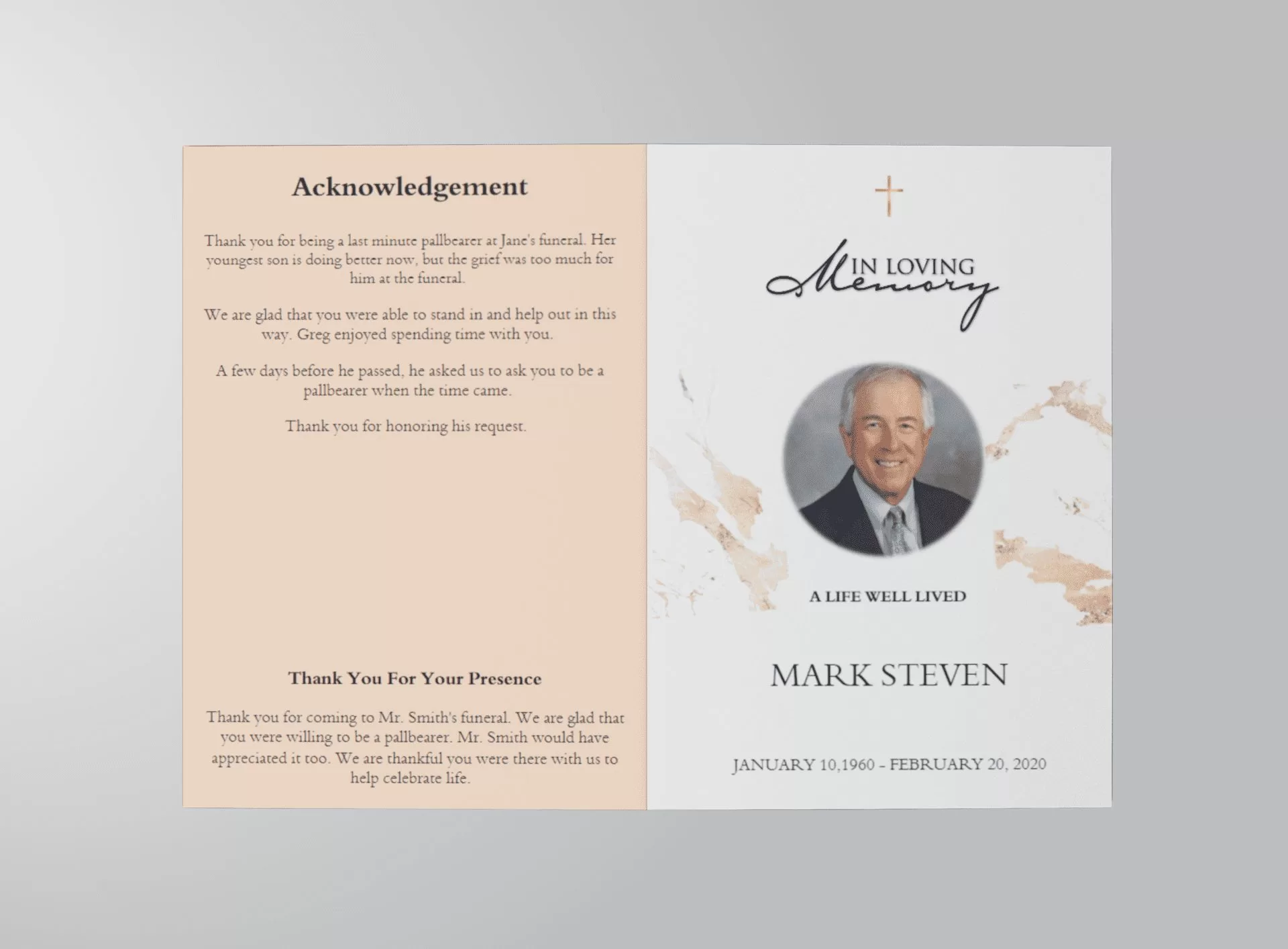
- Personalize the Tribute: Consider how you want to honor your loved one. This could include selecting music, readings, and even creating a meaningful obituary. For more ideas, check our article on crafting a meaningful tribute.
Expressing Gratitude
In the wake of loss, showing appreciation for those who have supported you is vital. Writing thank you notes can express your gratitude effectively. Consider using some heartfelt quotes in your messages to convey your feelings.
Memorial Quotes to Honor Your Loved One
Incorporating memorial quotes can add a personal touch to the service. Whether it’s a quote displayed during the service or included in a program, it can resonate deeply with attendees. Explore our collection of memorial quotes for inspiration.
In Memory Quotes for Sympathy
When reaching out to others who are grieving, consider using in memory quotes in sympathy cards. These quotes convey compassion and understanding during difficult times.
The Importance of Thoughtful Planning
Understanding the importance of thoughtful funeral planning cannot be overstated. It not only honors the deceased but also provides comfort to the bereaved. For a deeper look into the significance of planning, read our article on the importance of thoughtful funeral planning.
Overall, while the process of planning a funeral may be daunting, being informed can significantly ease the task. Remember to take your time and involve family members in the decision-making process to create a service that truly reflects the life of your loved one.