
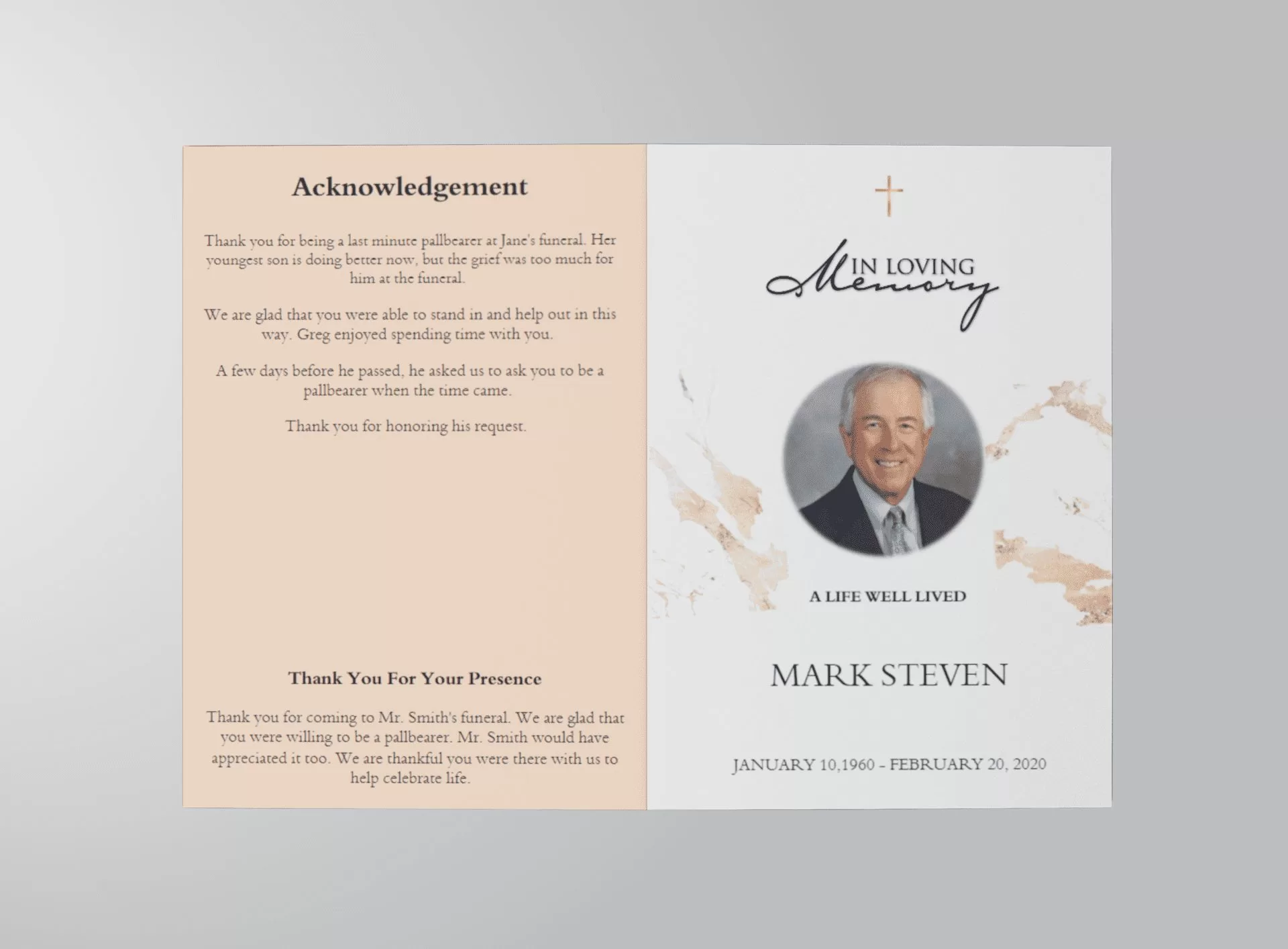
Navigating the Journey of Funeral Planning with Compassion

Understanding Funeral Planning
When faced with the loss of a loved one, the process of funeral planning can be emotionally overwhelming. It’s crucial to approach this journey with compassion and care. Whether you are planning a service for a family member or a friend, understanding the essentials of this process can help ease your burden during such a difficult time.
Key Aspects of Funeral Planning
- Choosing the Right Type of Service: Different families may opt for varying types of services. Some may prefer a traditional funeral, while others might lean towards a more personalized celebration of life. Explore our article on Essential Guide to Funeral Planning for more insights.
- Location and Venue: Selecting the right venue is essential for a meaningful service. Consider places that hold significance for the deceased or the family. Learn more about navigating venue selection in our comprehensive guide on navigating funeral planning.
- Personalizing the Service: Personal touches can make the service more memorable. Think about including favorite songs, photos, or memories that celebrate the life of your loved one. For ideas, check out our list of Non-Religious Funeral Songs.
- Budget Considerations: Funeral costs can add up quickly. It’s important to create a budget and stick to it while ensuring that you honor your loved one appropriately. For a detailed breakdown of costs, refer to our Guide to Compassionate Funeral Planning.
Steps to Take When Planning a Funeral
- Gather Family Input: Involve family members in discussions about the service. This can provide comfort and help ensure that everyone feels included in the process.
- Select a Funeral Director: A professional can guide you through the logistics and help you make informed decisions. Ensure you choose someone who respects your wishes and provides compassionate support.
- Decide on Burial or Cremation: This decision often depends on personal beliefs and family traditions. Whichever you choose, make sure it reflects the wishes of your loved one.
- Plan for After the Service: Consider what you would like to do following the service, whether hosting a gathering or a small reception. This can be a time for family and friends to share stories and memories.
Resources for Support
Planning a funeral is a significant responsibility, and it’s normal to feel a range of emotions throughout this process. Seeking support is crucial. There are many resources available that can provide guidance and comfort, including:
- Local support groups for those who have lost loved ones.
- Online forums and communities where individuals share their experiences.
- Understanding the Essentials of Funeral Planning offers valuable insights into the process.
Taking the time to understand the complexities of funeral planning can lead to a more meaningful tribute to your loved one. Every detail counts, and with the right information and support, you can navigate this journey with grace and compassion.