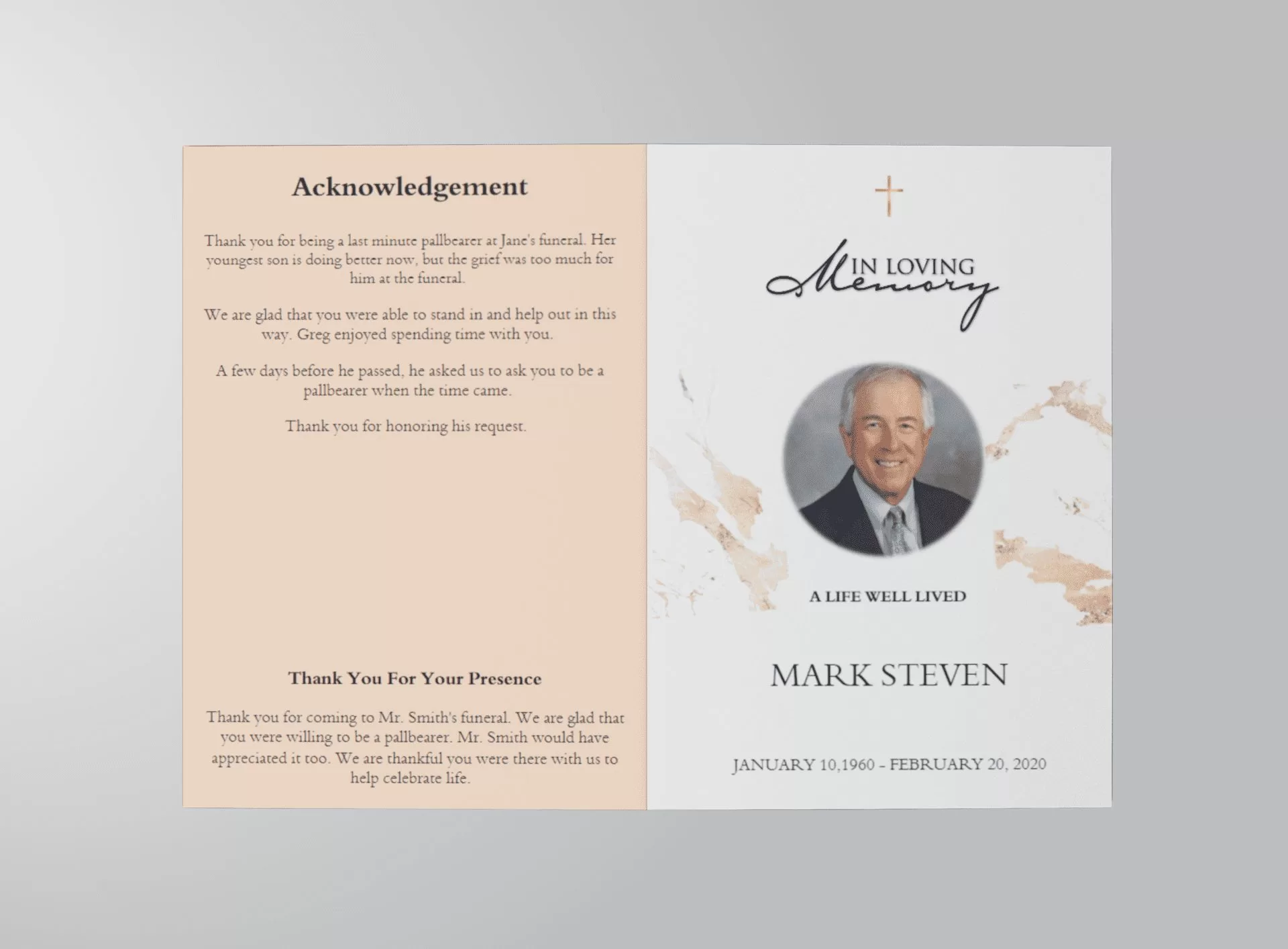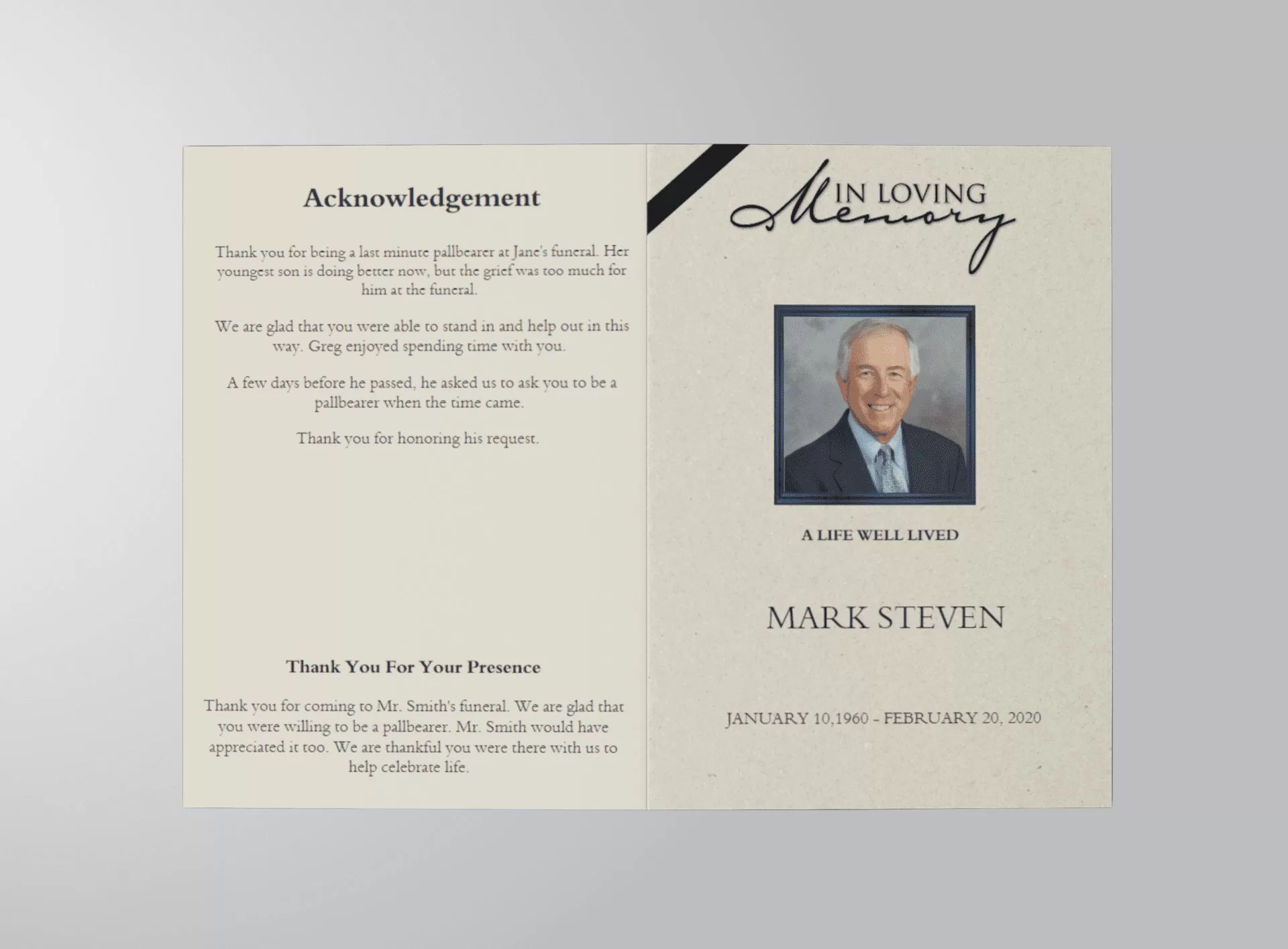
Top Free Funeral Program Templates for Every Service Style

Navigating the Emotional Journey of Funeral Planning

Example of an obituary for a mother

Understanding the Emotional Landscape

When faced with the loss of a loved one, the emotional turmoil can be overwhelming. The process of funeral planning can add to this burden. It’s crucial to approach this journey with compassion and care.

Steps in Funeral Planning

To help guide you through this difficult time, here are some essential steps to consider:

  1. Gather Information: Collect relevant documents and details about your loved one’s wishes.
  2. Select a Funeral Home: Research and choose a funeral home that aligns with your needs and values.
  3. Choose the Type of Service: Decide between a traditional service, memorial service, or other options.
  4. Plan the Details: Consider the location, speakers, music, and any special elements to honor your loved one.

Resources for Comfort and Guidance

During this challenging time, finding words that resonate can provide comfort. Our collection of Bible verses for funeral services can offer solace and strength.

Additionally, understanding the intricacies of the funeral planning process can ease some of the burdens. Our comprehensive guide provides an overview of important considerations.

Compassionate Approaches to Funeral Planning

It’s important to navigate this process with empathy. The importance of thoughtful funeral planning cannot be overstated — it honors the memory of your loved one while also considering the emotional needs of family and friends.

Final Thoughts on Planning with Purpose

Planning a funeral is not just a logistical task; it’s a way to celebrate a life and provide closure. For a thoughtful approach, consider compassionate funeral planning resources that can support you during this time.

Remember, you are not alone in this journey. Seek support from friends, family, or professionals who can help lighten the load as you honor your loved one’s legacy.
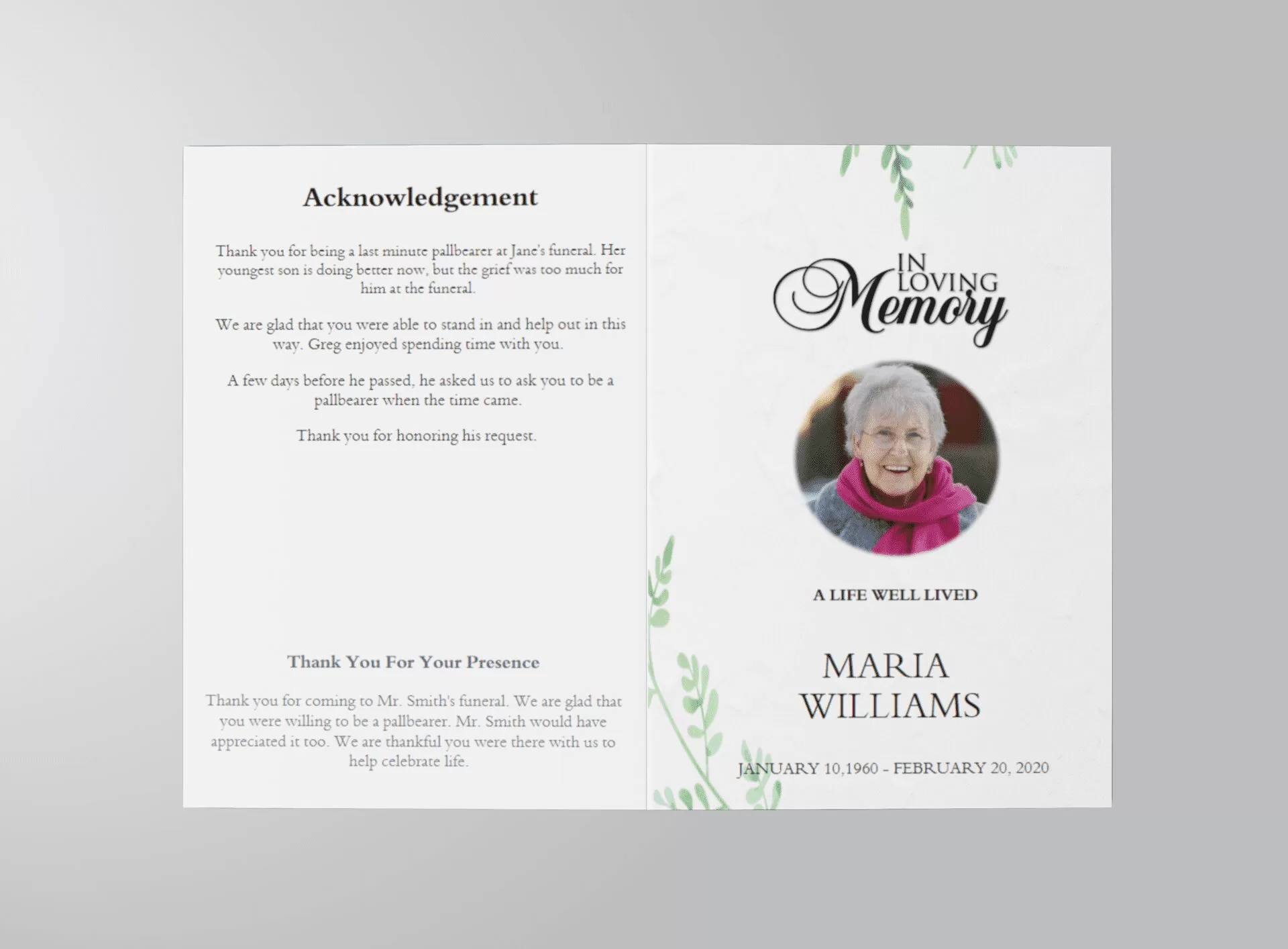

Catholic Funeral Program Example PDF (Free Editable Template)

Navigating the Journey of Funeral Planning

Obituary Template

Navigating the Journey of Funeral Planning

Planning a funeral can often be a daunting task, especially during a time of grief. It is essential to approach this process thoughtfully and with care. At QuickFuneral LLC, we understand the complexities involved in honoring a loved one’s life with a meaningful farewell. In this guide, we will explore various aspects of funeral planning, providing insights and resources to help you through this challenging time.

The Importance of Funeral Planning

Funeral planning is crucial not only for honoring the deceased but also for providing a sense of closure for those left behind. Here are some key points to consider:

  • Emotional Support: Engaging in the planning process can help family members come together, supporting one another through shared memories and experiences.
  • Financial Considerations: Pre-planning can alleviate financial burdens, allowing families to focus on celebrating their loved one’s life rather than worrying about costs.
  • Personalization: A well-thought-out funeral can reflect the personality and values of the deceased, creating a meaningful tribute.

Steps to Effective Funeral Planning

Here are some essential steps to guide you through the funeral planning process:

  1. Gather Information: Collect relevant details about the deceased, including their preferences for their funeral service.
  2. Set a Budget: Determine a budget that accommodates your family’s needs while considering the services required. Our Comprehensive Guide to Funeral Planning can provide helpful insights.
  3. Choose a Location: Decide on a venue for the service, whether it be a funeral home, church, or another meaningful location.
  4. Select a Funeral Director: A professional can guide you through the logistical aspects of planning and ensure everything runs smoothly.
  5. Plan the Service Details: Consider what type of service you wish to hold, including music, readings, and speakers.

Creating a Meaningful Tribute

Honoring a loved one’s life through a meaningful tribute is an essential part of the funeral planning process. You might consider:

  • Personalized Obituaries: Writing a heartfelt obituary can celebrate their life and achievements. For an example, visit our obituary template.
  • Memory Boards: Create a display of photographs and mementos that represent the deceased’s life.
  • Special Readings: Include meaningful poems or passages during the service that resonate with family and friends.

Resources for Funeral Planning

To ensure you have all the information you need, consider reviewing the following resources:

At QuickFuneral LLC, we aim to provide compassionate support and guidance throughout the funeral planning journey. Our goal is to empower families to create a fitting tribute that honors their loved ones while navigating this emotional experience.

sample obituary examples

The Essential Guide to Funeral Planning

Example of an obituary for a mother template

Understanding the Importance of Funeral Planning

Experiencing the loss of a loved one can be overwhelming. It is during these tough times that thoughtful funeral planning can alleviate some of the burdens. By preparing in advance, families can ensure that their loved one’s wishes are honored while also easing the emotional strain on themselves.

Why Is Funeral Planning Important?

  • Reduces Stress: When a loved one passes away, the last thing you want is to be faced with making difficult decisions. Having a plan in place can significantly reduce stress.
  • Honors Wishes: Funeral planning allows individuals to express their wishes regarding their final arrangements, ensuring that they are honored.
  • Financial Considerations: Pre-planning can also help mitigate financial burdens on family members, making it easier to budget for funeral expenses.

Key Insights on Funeral Planning

When navigating the complexities of funeral planning, it’s essential to gather as much information as possible. Resources such as Understanding Funeral Planning: A Compassionate Guide can provide valuable insights. Here are some key components to consider:

1. Choosing the Right Service

Deciding whether to have a religious or secular service is a significant choice. Each option offers different ways to honor the deceased’s legacy.

2. Burial vs. Cremation

Families must decide between burial and cremation. Each choice has its own set of considerations, including cost and personal preferences.

3. Personalization of the Service

Making the service unique can bring comfort to family and friends. Consider incorporating special elements, such as:

  • Favorite songs or readings
  • Memory-sharing sessions
  • Visual tributes through photos or videos

Finding Comfort in Poetry

During times of grief, many find solace in words. Inspirational Poems About Death of a Loved One can provide comfort and reflection, helping you and your family navigate the emotional landscape of loss.

Resources for Planning

It’s crucial to equip yourself with the right tools and information. Consider using resources like Essential Insights on Funeral Planning to guide you through the process, or explore Navigating the Journey of Funeral Planning for a deeper understanding of what to expect.

Final Thoughts on Funeral Planning

While dealing with the loss of a loved one is never easy, being well-prepared can significantly ease the burden. Understanding the importance of funeral planning can help ensure that you are able to honor your loved one’s memory in a meaningful way. For more detailed guidance, refer to Navigating the Complexities of Funeral Planning, where you can find compassionate support and advice.

How to Write a Funeral Program Obituary

Understanding the Essentials of Funeral Planning

Example of an obituary for a mother

Planning a Funeral: A Comprehensive Guide

When faced with the loss of a loved one, the task of planning a funeral can be both emotionally overwhelming and logistically challenging. It is essential to approach this process with compassion and care. Understanding the essentials of funeral planning can help ease some of the burdens.

The Initial Steps

  • Notification and Documentation: Inform family and friends about the passing. Ensure all necessary legal documents are in order.
  • Choosing a Funeral Home: Research local funeral homes. Consider their services, reputation, and costs.
  • Setting a Budget: Budgeting for a funeral is crucial. Determine what you can spend and prioritize essential services.

Understanding Funeral Services

Funeral services can vary widely based on cultural and personal preferences. Explore different types of services, including traditional funerals, memorial services, and more unique celebrations of life. For a deeper dive into the types of services available, you can read our article on navigating funeral planning with compassion.

Creating Funeral Pamphlets

Funeral pamphlets play a significant role in memorial services. They provide attendees with information about the deceased and the funeral program. If you’re curious about how to create meaningful pamphlets, check out our guide on understanding funeral pamphlets and their importance.

Emotional Considerations

Funeral planning is not just about logistics; it also involves addressing the emotional needs of family members. Grief can manifest in many ways, and understanding these emotional dynamics can help families support one another. For insights on coping with grief during this time, refer to our post on navigating the emotional terrain of funeral planning.

Incorporating Personal Touches

Adding personal touches to a funeral can make it more meaningful. Consider the following options:

  • Personalized tributes, such as speeches or video montages.
  • Favorite music or readings of the deceased’s favorite poems.
  • Unique themes that reflect the personality and life of the loved one.

For more ideas on how to create a personalized experience, explore our article on the importance of thoughtful funeral planning.

Final Thoughts on Funeral Planning

While the process can seem daunting, being informed and prepared can significantly alleviate some of the stress. Remember to lean on family and friends during this time; support is crucial. Additionally, consider reaching out to professionals who specialize in navigating the journey of funeral planning for guidance.

The Essential Guide to Thoughtful Funeral Planning

Example of an obituary for a mother template

The Essential Guide to Thoughtful Funeral Planning

When a loved one passes away, the emotional burden can be overwhelming. One of the most significant tasks that families face is planning the funeral. This process can be daunting, but understanding the journey can help ease the burden.

Understanding Funeral Planning

Funeral planning is a crucial process that involves making arrangements for the final rites of a loved one. It can be a complex endeavor, but with the right resources, it can also be a meaningful way to honor their life. For a deeper dive, check our article on understanding funeral planning and its importance.

Key Components of Funeral Planning

  • Choosing a Funeral Home: Research local funeral homes and their services. It’s essential to find one that aligns with your needs and values.
  • Deciding on Service Details: Will it be a traditional service, a memorial, or something unique? Personal touches can make a service more meaningful.
  • Budgeting: Understanding the costs involved can help in making decisions that honor your loved one while being financially responsible.
  • Gathering Necessary Documents: Ensure you have the required documentation, such as the death certificate and any pre-arrangement papers.

The Emotional Journey

Funeral planning is not just about logistics; it’s also an emotional journey. Many families find comfort in creating a memorial slideshow that reflects their loved one’s life. This can be a therapeutic way to celebrate the memories shared.

Why Thoughtful Planning Matters

Thoughtful funeral planning ensures that the wishes of the deceased are respected and that the family can begin to heal. The process is not only about the event itself but also about supporting each other through grief. Our guide on the importance of thoughtful funeral planning explores these themes in depth.

Resources for Families

Many resources are available to help families navigate the complexities of funeral planning. Consider reading our essential guide to funeral planning for loved ones for a comprehensive overview.

Funeral planning can be challenging, but with the right tools and support, families can create a beautiful tribute to their loved ones. Utilize these resources to help guide you through this difficult time.

Funeral Program Template Online

Navigating the Essentials of Funeral Planning

Example of an obituary for a mother template

Understanding Funeral Planning

When faced with the loss of a loved one, planning a funeral can feel overwhelming. It involves not only emotional challenges but also a myriad of decisions that need to be made promptly. This guide is designed to help you navigate these complexities with confidence and grace.

The Importance of Funeral Planning

Funeral planning is vital for several reasons:

  • Emotional Closure: A well-planned funeral provides a sense of closure for family and friends, allowing them to honor the deceased’s life.
  • Financial Preparedness: Planning ahead can alleviate the financial burden on families during a time of grief.
  • Personalization: It allows you to create a service that truly reflects the personality and wishes of your loved one.

Steps to Consider in Funeral Planning

Here are some essential steps to guide your planning process:

  1. Gather Information: Collect details such as the deceased’s wishes, any pre-arrangements, and necessary documentation.
  2. Choose a Funeral Home: Research and select a reputable funeral home that aligns with your needs. For a thorough overview, see our Navigating the Complexities of Funeral Planning.
  3. Decide on Service Type: Determine whether to have a traditional service, a memorial service, or a celebration of life. Explore options in our Comprehensive Guide to Sample Funeral Service Programs.
  4. Plan the Details: Choose music, readings, and any speakers for the service to personalize it further.

Understanding the Emotional Journey

It’s essential to recognize the emotional journey involved in funeral planning. Grief can manifest in various ways, and it’s crucial to allow yourself and others the space to express these feelings. For more insights, read Understanding Funeral Planning and Its Importance.

Practical Tips for Funeral Arrangements

  • Stay Organized: Keep a checklist of tasks to ensure nothing is overlooked.
  • Communicate: Engage family members in discussions to gather input and share responsibilities.
  • Seek Support: Don’t hesitate to reach out to friends, family, or professionals for assistance during this challenging time.

Post-Funeral Considerations

After the funeral service, the journey doesn’t end. It’s essential to maintain support networks and consider follow-up actions:

  • Thank You Notes: Acknowledge those who offered support during your loss.
  • Grief Counseling: Consider professional help if you or family members are struggling to cope.
  • Reflect: Take time to reflect on the life of your loved one and how you can honor their memory moving forward.

For more detailed guidance on planning, refer to our Essential Guide to Funeral Planning for Loved Ones and The Importance of Thoughtful Funeral Planning.

Top Free Funeral Program Templates for Every Service Style

Compassionate Funeral Planning: A Guiding Light in Difficult Times

Obituary Example

Understanding the Essentials of Compassionate Funeral Planning

When faced with the loss of a loved one, the responsibility of planning a funeral can feel overwhelming. It’s a time filled with emotional challenges, and having a structured approach can make a significant difference. At QuickFuneral LLC, we believe that compassionate funeral planning is essential not only for honoring your loved one but also for easing the burden on family members during such a difficult time.

Why Funeral Planning Matters

Funeral planning is more than just organizing logistics; it’s about creating a meaningful farewell that pays tribute to the life of the deceased. Here are some key reasons why planning is crucial:

  • Emotional Support: A well-planned funeral provides closure and helps family and friends heal.
  • Financial Considerations: Understanding costs upfront can prevent unexpected expenses and financial strain.
  • Personalization: Planning allows families to customize the service to reflect the personality and wishes of their loved one.

Steps to Compassionate Funeral Planning

Here are essential steps to guide you through the process of funeral planning:

  1. Gather Information: Collect details about the deceased’s life, such as personal stories, favorite music, and meaningful symbols.
  2. Choose a Ceremony Type: Decide whether you want a traditional service, a celebration of life, or a simple memorial gathering.
  3. Select a Funeral Home: Look for a compassionate funeral home that aligns with your values and meets your needs.
  4. Plan the Logistics: Address details such as location, time, and officiants. Don’t forget to consider transportation and burial or cremation preferences.

Understanding the Importance of Compassionate Funeral Planning

During such emotionally taxing times, understanding the impact of compassionate planning can be invaluable. For an in-depth look, check out our article on Understanding the Importance of Compassionate Funeral Planning.

Navigating the Journey of Funeral Planning with Compassion

The journey of planning can feel daunting, but it’s essential to navigate it with care. Our guide on Navigating the Journey of Funeral Planning with Compassion provides insights into how to approach each step with empathy and understanding.

A Compassionate Approach to Funeral Planning

Choosing to approach funeral planning with compassion can transform the experience from one of stress to one of honor and remembrance. Learn more about this approach in our helpful resource: A Compassionate Approach to Funeral Planning.

Comprehensive Resources for Funeral Planning

For those seeking a comprehensive understanding of funeral planning, we offer a detailed guide that covers all aspects. Discover more in our article, Understanding Funeral Planning: A Comprehensive Guide.

In summary, navigating the complexities of funeral planning is a journey best taken with care and compassion. By utilizing available resources and support, families can create a meaningful tribute that honors their loved one’s life while also caring for their emotional well-being.

fall card

Creating a Meaningful Obituary: A Step-by-Step Guide

Example of an obituary for a mother

Understanding the Importance of an Obituary

Writing an obituary is a deeply meaningful way to commemorate the life of a loved one. It serves as a tribute that shares their story, achievements, and the impact they had on those around them. This article will guide you through the process of creating a heartfelt obituary, ensuring that you honor your loved one appropriately.

Gathering Information

To start crafting an effective obituary, you’ll want to gather essential information. This includes:

  • Full name of the deceased
  • Date of birth and date of passing
  • Details about their life, including education, career, and hobbies
  • Surviving family members
  • Details about the funeral service

For tips on what to include and how to structure your obituary, check out our article on Crafting an Effective Obituary.

Using Templates for Guidance

Sometimes, finding the right words can be challenging. Utilizing a template can provide a helpful framework. We offer a variety of free obituary templates that can simplify the writing process. These templates are designed to help you express your sentiments while ensuring that nothing important is overlooked.

Creating a Beautiful Tribute

In addition to using templates, consider using our free printable obituary maker to personalize the tribute. This tool allows you to create a visually appealing obituary that reflects the personality of your loved one.

Sharing the Obituary

Once you have prepared the obituary, sharing it with family and friends is essential. You might want to publish it in local newspapers or online platforms. Ensure that you include all the necessary details regarding the funeral service so that attendees have the information they need. For a comprehensive overview of funeral planning, visit our Understanding Funeral Planning guide.

Emotional Support During the Process

Planning a funeral and writing an obituary can be emotionally taxing. It’s important to seek support from family and friends during this time. Additionally, you may find it beneficial to read about navigating the emotional journey of funeral planning to better understand the feelings you may encounter.

Final Thoughts

Creating an obituary is a significant step in honoring a loved one’s memory. By taking the time to gather information, utilize templates, and share the tribute thoughtfully, you will create a lasting memory that reflects their life and legacy.

fall card

A Comprehensive Guide to Funeral Planning

Example of an obituary for a mother

Understanding Funeral Planning

When faced with the loss of a loved one, the emotional burden can be overwhelming. Funeral planning is a crucial step in honoring their memory while navigating through grief. At QuickFuneral LLC, we understand the intricacies involved in this process and strive to provide you with the essential information to make this journey a little easier.

Key Steps in Funeral Planning

  • Gather Information: Collect necessary documents and personal details about the deceased.
  • Choose a Funeral Home: Research and select a funeral home that meets your needs and budget. For insights on making an informed choice, check our article on navigating the journey of funeral planning with compassion.
  • Plan the Service: Decide on the type of service, burial, or cremation preferences.
  • Create a Budget: Outline your financial plan and discuss options with the funeral director.
  • Personalize the Experience: Think about how to honor your loved one’s life through personal touches.

Important Considerations

Funeral planning involves many emotional and logistical decisions. Here are some considerations to keep in mind:

  • Cultural and Religious Traditions: Respect traditions that may influence the planning process.
  • Environmental Concerns: Consider eco-friendly options such as green burials.
  • Legal Requirements: Be aware of any legalities concerning death certificates and permits.

Resources for Support

Planning a funeral is not a solitary journey. Seeking help can be invaluable. Here are some resources:

After the Funeral

The period following the funeral can also be challenging. Here are some steps to consider:

  • Grief Support: Look for local support groups or online resources.
  • Legal Affairs: Manage the deceased’s estate, including wills and insurance policies.
  • Commemorative Acts: Consider establishing a memorial fund or charity in their name.

With compassion and careful planning, you can honor your loved one’s memory while ensuring that the process is as smooth as possible. Remember, you’re not alone in this journey, and resources are available to help you along the way.

sample obituary examples

What to Wear for a Celebration of Life – Updates & Related Resources

My website is QuickFuneral.com, Write a 700-900 word blog post that naturally weaves internal links to the provided URLs. Use varied anchor text, make it helpful and readable, avoid keyword stuffing. Keep tone professional but friendly. Include at least 4 internal links from the provided list. Also make it very user and Search Engine friendly and follow google EEAT. Do not add conclusion at the end, no sign of AI generated content. Also use this image anywhere randomly on top https://d1ihld6xxoauws.cloudfront.net/wp-content/uploads/2024/12/Example-of-an-obituary-for-a-mother-template.webp and hyper link that image to open https://beta.quickfuneral.com/obituary-template/. Try to create as much as descriptive with lists, headings etc. Do not add any external website links.

Back to Top
Product has been added to your cart
Compare (0)