
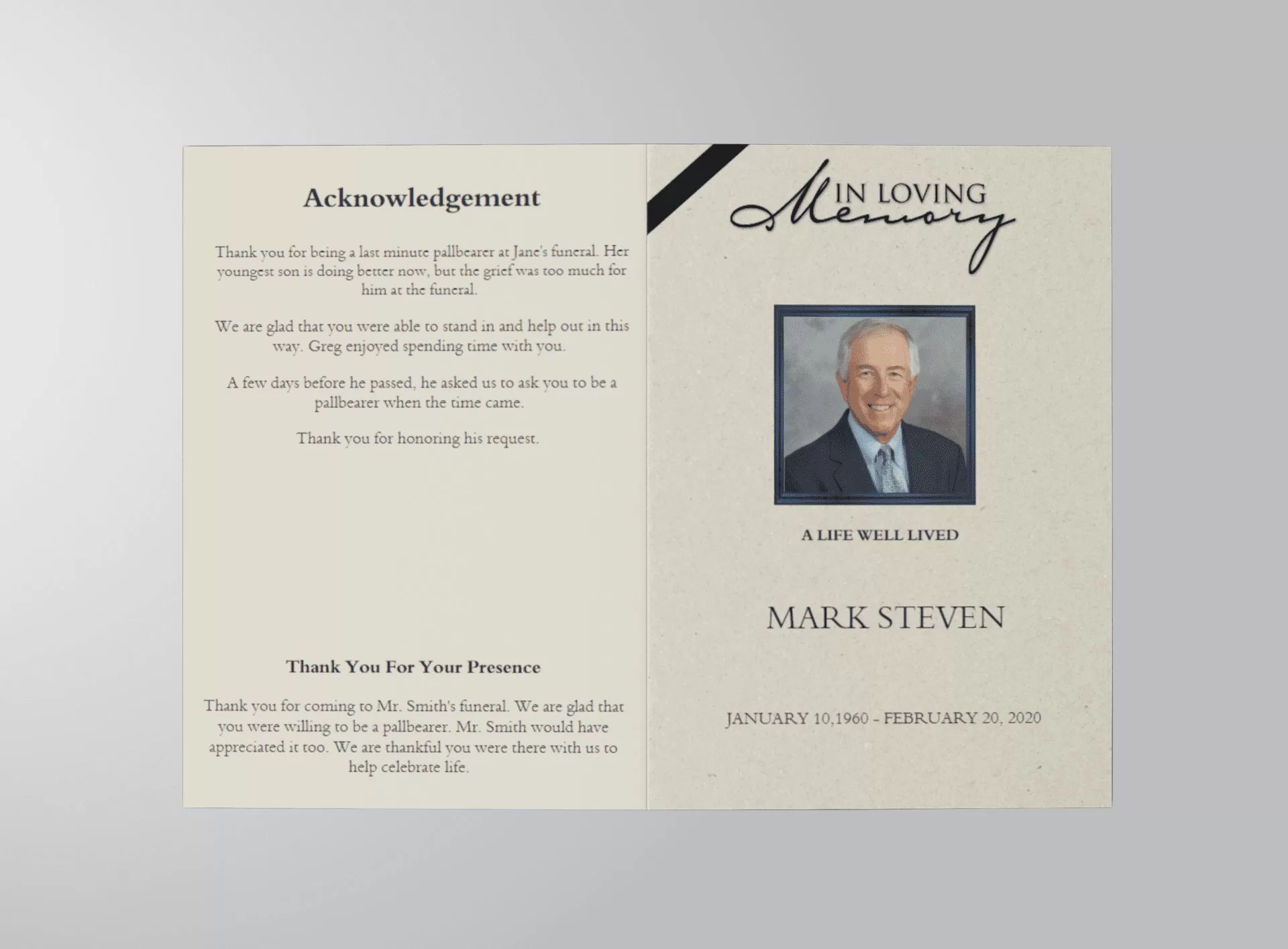
Navigating the Essentials of Funeral Planning

Understanding Funeral Planning
When faced with the loss of a loved one, planning a funeral can feel overwhelming. It involves not only emotional challenges but also a myriad of decisions that need to be made promptly. This guide is designed to help you navigate these complexities with confidence and grace.
The Importance of Funeral Planning
Funeral planning is vital for several reasons:
- Emotional Closure: A well-planned funeral provides a sense of closure for family and friends, allowing them to honor the deceased’s life.
- Financial Preparedness: Planning ahead can alleviate the financial burden on families during a time of grief.
- Personalization: It allows you to create a service that truly reflects the personality and wishes of your loved one.
Steps to Consider in Funeral Planning
Here are some essential steps to guide your planning process:
- Gather Information: Collect details such as the deceased’s wishes, any pre-arrangements, and necessary documentation.
- Choose a Funeral Home: Research and select a reputable funeral home that aligns with your needs. For a thorough overview, see our Navigating the Complexities of Funeral Planning.
- Decide on Service Type: Determine whether to have a traditional service, a memorial service, or a celebration of life. Explore options in our Comprehensive Guide to Sample Funeral Service Programs.
- Plan the Details: Choose music, readings, and any speakers for the service to personalize it further.
Understanding the Emotional Journey
It’s essential to recognize the emotional journey involved in funeral planning. Grief can manifest in various ways, and it’s crucial to allow yourself and others the space to express these feelings. For more insights, read Understanding Funeral Planning and Its Importance.
Practical Tips for Funeral Arrangements
- Stay Organized: Keep a checklist of tasks to ensure nothing is overlooked.
- Communicate: Engage family members in discussions to gather input and share responsibilities.
- Seek Support: Don’t hesitate to reach out to friends, family, or professionals for assistance during this challenging time.
Post-Funeral Considerations
After the funeral service, the journey doesn’t end. It’s essential to maintain support networks and consider follow-up actions:
- Thank You Notes: Acknowledge those who offered support during your loss.
- Grief Counseling: Consider professional help if you or family members are struggling to cope.
- Reflect: Take time to reflect on the life of your loved one and how you can honor their memory moving forward.
For more detailed guidance on planning, refer to our Essential Guide to Funeral Planning for Loved Ones and The Importance of Thoughtful Funeral Planning.