
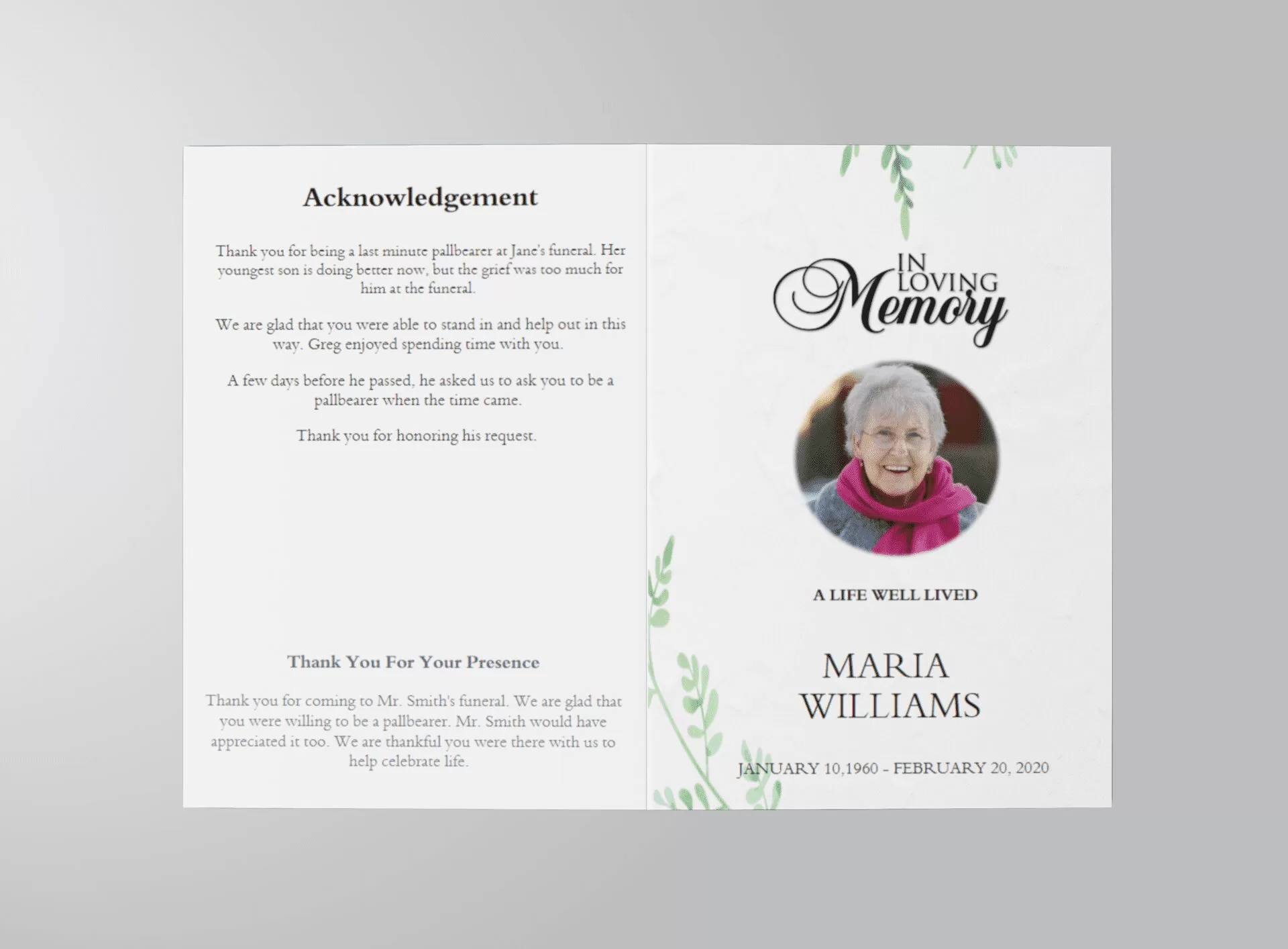
Navigating Funeral Planning with Compassion and Care

Understanding the Process of Funeral Planning
Experiencing the loss of a loved one is undeniably one of life’s most challenging moments. The burden of making funeral arrangements during such a profound time can feel overwhelming. However, with proper guidance and support, you can navigate this journey with compassion and care.
Key Steps in Funeral Planning
- Assessing Your Loved One’s Wishes: It’s essential to consider any prior discussions or documented wishes your loved one may have had about their funeral.
- Choosing Between Burial and Cremation: Understanding the options available will help streamline your decisions. Explore our Essential Guide to Funeral Planning for detailed insights.
- Selecting a Funeral Home: Research and visit local funeral homes to find one that aligns with your family’s needs and budget.
- Planning the Service: Decide on the type of service you wish to hold. This could range from a traditional service to a more personalized celebration of life.
Emotional Considerations
Planning a funeral is not solely about logistics; it also involves processing grief. Here are some emotional aspects to keep in mind:
- Allow Yourself to Grieve: It’s okay to feel a range of emotions. Take time to process your feelings as you plan.
- Involve Family and Friends: Don’t hesitate to lean on loved ones for support. Sharing the planning process can lighten the emotional load.
- Seek Professional Help: Consider speaking with a counselor or therapist who specializes in grief if you’re feeling particularly overwhelmed.
Incorporating Meaningful Tributes
Memorial services provide an opportunity to celebrate and honor the memory of your loved one. Here are some suggestions:
- Share Personal Stories: Encourage family and friends to share their favorite memories and stories during the service.
- Use Bible Verses: Incorporating comforting Bible verses can provide solace during memorial services. Check out our collection of Comforting Bible Verses for Memorial Services for inspiration.
- Create a Memory Table: Set up a table with photographs and mementos that reflect the life and passions of the deceased.
Understanding Funeral Costs
Funeral expenses can vary widely, so it’s crucial to budget accordingly. Here are some typical costs to consider:
- Funeral home services
- Burial plot or cremation fee
- Headstone or memorial marker
- Transportation costs
For more detailed guidance on budgeting for these expenses, visit our Navigating the Journey of Funeral Planning page.
Final Thoughts
While planning a funeral is often fraught with challenges, it can also be a deeply rewarding experience that honors your loved one’s memory. By taking the time to understand the process and leaning on available resources, including our Understanding Funeral Planning: A Comprehensive Guide, you can navigate this journey with greater ease.
Remember, seeking support and sharing the burden with family can create a more meaningful experience as you come together to celebrate a life well-lived.