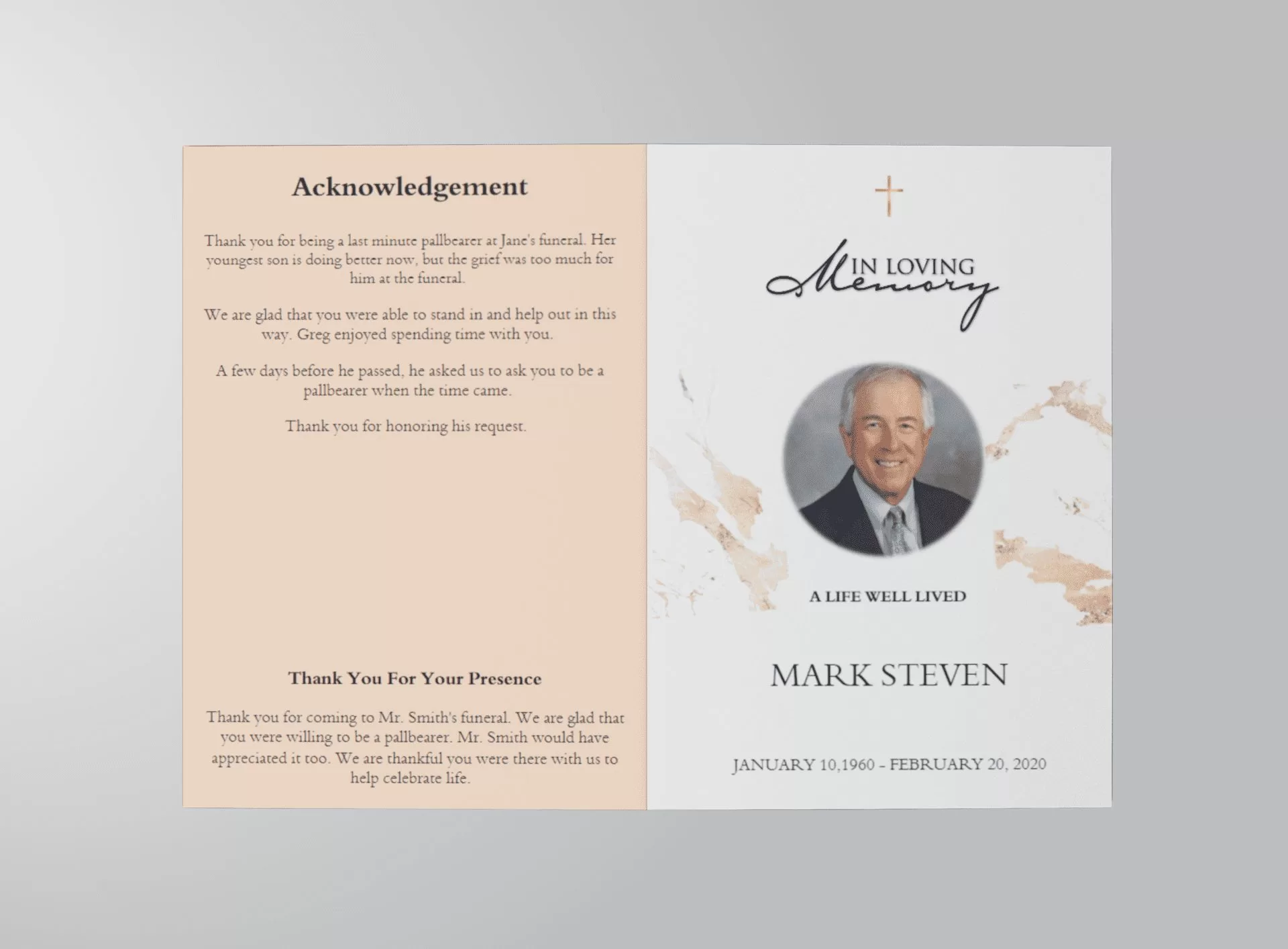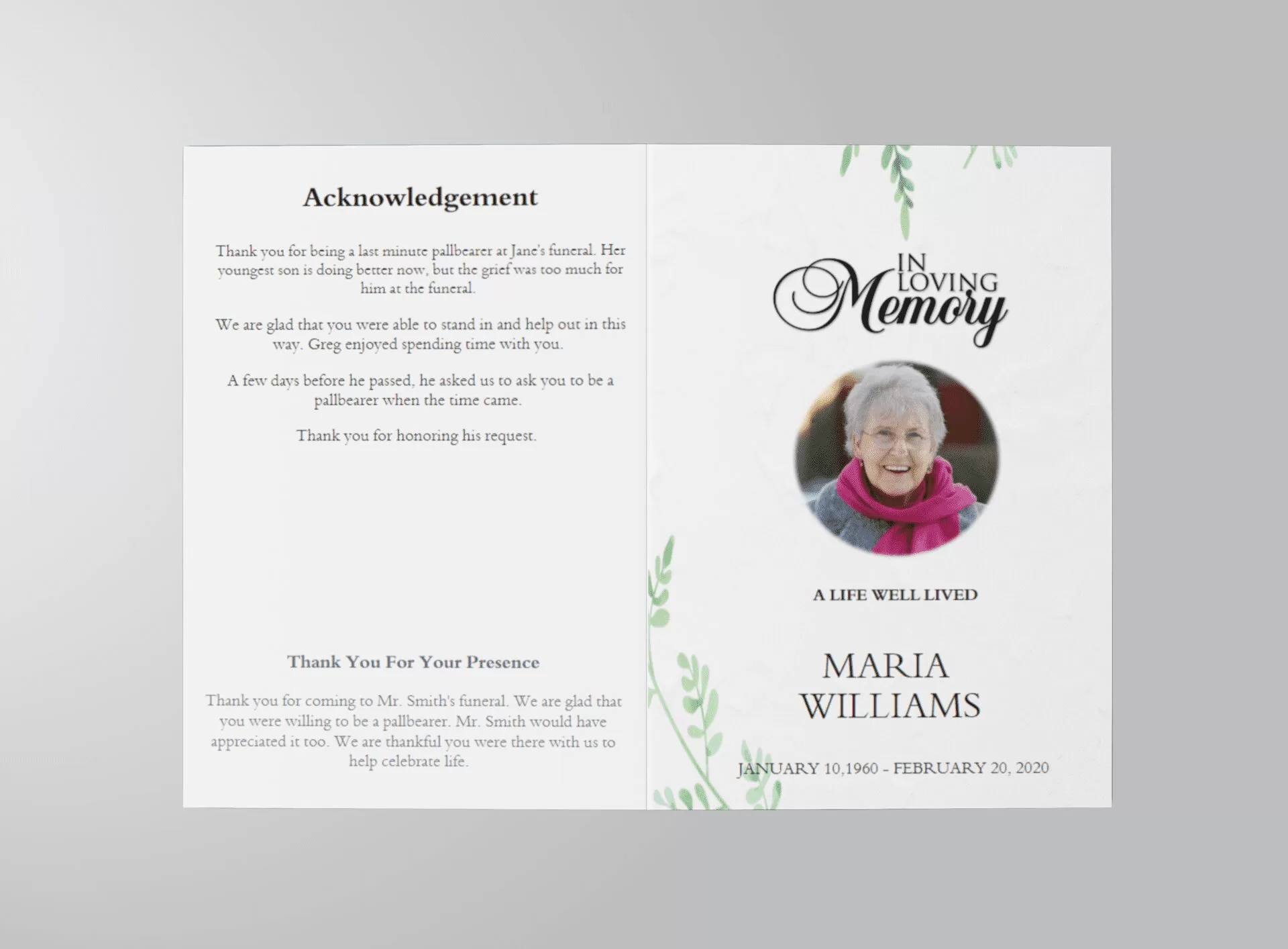
Sample Obituary Templates

Understanding Funeral Planning: Your Comprehensive Guide

Obituary Template

Introduction to Funeral Planning

When faced with the loss of a loved one, the journey of funeral planning can feel overwhelming. It is essential to understand the various components involved in this process to ensure a meaningful farewell that honors the deceased. This guide aims to help you navigate through the complexities of funeral planning with compassion and clarity.

Understanding the Importance of Funeral Planning

Planning a funeral is not just about logistics; it is also about providing support to grieving families. According to our Understanding Funeral Planning and Its Importance resource, having a structured plan can alleviate stress during an emotionally charged time. Here are some key aspects of why planning is crucial:

  • Emotional Relief: Having a plan can reduce the emotional burden on family members.
  • Personalization: It allows you to personalize the service to reflect the deceased’s life and values.
  • Financial Considerations: Proper planning can help manage costs effectively and avoid unnecessary expenses.

Key Components of Funeral Planning

When organizing a funeral, several key elements must be taken into account:

  1. Choosing a Funeral Home: Selecting a funeral home that aligns with your family’s needs is a pivotal step.
  2. Deciding on Service Type: Determine whether a traditional burial, cremation, or a memorial service fits best.
  3. Obituary Writing: Writing an obituary can be a meaningful tribute. Explore our Understanding Funeral Planning and Obituaries page for guidance on this task.
  4. Planning the Ceremony: Personal touches, such as music selections and readings, can be incorporated to honor the deceased.

Incorporating Spiritual Elements

For many, spirituality can play a significant role in the grieving process. Our Comforting Bible Scriptures for Funerals and Memorial Services provides a selection of verses that can be included in the service, offering solace to those in attendance. Here are a few options:

  • Psalm 23:4 – “Even though I walk through the darkest valley, I will fear no evil, for you are with me.”
  • John 14:1-2 – “Do not let your hearts be troubled. You believe in God; believe also in me.”

Support Resources for Grieving Families

Grieving is a personal journey, and support during this time is invaluable. Consider resources that aid in emotional healing. Our article on Understanding Funeral Planning and Grief Support outlines various avenues for support, such as:

  • Support groups for shared experiences.
  • Professional counseling services.
  • Online resources and forums for grief support.

Conclusion

Planning a funeral can be a daunting task, but with the right resources and support, families can navigate this journey with compassion. Whether you are looking for spiritual guidance or practical tips, understanding the elements of funeral planning will help you honor your loved one meaningfully.

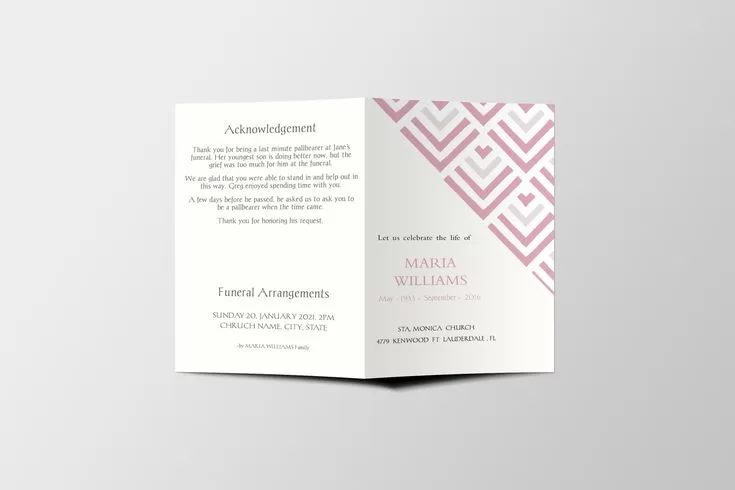
Top Free Funeral Program Templates for Every Service Style

Understanding Funeral Planning and Obituaries

Example of an obituary template

Grieving and Planning: A Delicate Balance

The loss of a loved one is an emotional and challenging time. During this period, families often face the daunting task of planning a funeral. Understanding the essentials of funeral planning can provide clarity and support.

Creating an Obituary

One of the first steps in honoring a loved one is to create an obituary. An obituary serves as a tribute, detailing the life and achievements of the deceased. To assist you, check out our sample obituary for funeral programs, which provides a structured approach to crafting a meaningful obituary.

Key Components of an Obituary

  • Name: Full name of the deceased.
  • Date of Birth and Death: Important dates that mark their life.
  • Life Story: A brief narrative of their life, including achievements and passions.
  • Service Details: Information regarding the funeral service and burial.
  • Survived By: Names of family members and loved ones.

Navigating Funeral Planning

Funeral planning can be overwhelming. It’s essential to approach this process with compassion and clarity. Our guide on navigating funeral planning offers valuable insights to help families make informed decisions during this difficult time.

Essential Elements of Funeral Planning

When planning a funeral, consider the following elements:

  • Choosing a Funeral Home: Research and select a reputable funeral home that aligns with your family’s needs.
  • Service Type: Decide whether to have a traditional service, memorial service, or a celebration of life.
  • Budgeting: Understand the costs involved and plan accordingly.
  • Personal Touch: Incorporate elements that reflect the personality and wishes of the deceased.

Understanding the Complexities

Planning a funeral involves numerous decisions that can be complex. Our article on navigating the complexities of funeral planning breaks down this process, providing clarity and direction to grieving families.

A Comprehensive Guide to Support Families

For those seeking a thorough understanding of the funeral planning process, our comprehensive guide to funeral planning covers all necessary aspects, ensuring families feel supported and informed every step of the way.

Conclusion

Remember, the goal of both obituary writing and funeral planning is to honor and celebrate the life of your loved one. By utilizing available resources, you can navigate this challenging time with confidence and grace.

Top Free Funeral Program Templates for Every Service Style

Navigating Funeral Planning: Your Comprehensive Guide

Obituary Template

Navigating Funeral Planning: Your Comprehensive Guide

Experiencing the loss of a loved one is a profound emotional journey. During such challenging times, understanding the intricacies of funeral planning can help ease some of the burdens. This guide will provide you with insights and resources to navigate this process with care and dignity.

Understanding the Basics of Funeral Planning

Funeral planning involves several key decisions that reflect the wishes of the deceased and the family. Here are some essential aspects to consider:

  • Type of Service: Decide between a traditional service, memorial service, or a celebration of life.
  • Burial vs. Cremation: Understanding the differences and implications of each option can guide your decision.
  • Location: Choose a venue that holds significance for the family or the deceased.
  • Budgeting: Create a financial plan to manage costs effectively.

Honoring Memories through Obituaries

An obituary is a meaningful way to honor the life of your loved one. It serves as a public announcement and a tribute to their legacy. For those looking for a template to assist in writing an obituary, consider exploring our obituary template for guidance.

Expressing Grief through Poetry

Poetry can be a powerful tool for expressing grief and honoring memories. You might find solace in poems for funerals for mothers or poetry for the death of a father. These literary pieces can provide comfort and assist in articulating feelings that may be difficult to express.

Additional Resources for Funeral Planning

To further assist you in this journey, we have curated a selection of resources:

By utilizing these resources, you can ensure that the planning process is both respectful and reflective of your loved one’s wishes.

Conclusion

In times of loss, it’s essential to remember that you’re not alone. There are numerous resources and support systems available to help you navigate through funeral planning. For further assistance, please explore our diverse collection of articles designed to support you during this time.

funeral program template

Understanding Funeral Planning: A Comprehensive Guide

Example of an obituary for a mother

Introduction to Funeral Planning

Planning a funeral can be an emotional and daunting task. It’s essential to approach this process with compassion and care, ensuring that every detail honors the life of your loved one. At QuickFuneral LLC, we understand the importance of making thoughtful arrangements. This guide will provide you with valuable insights and resources for navigating funeral planning.

The Importance of Funeral Planning

Funeral planning is not just about logistics; it’s about celebrating a person’s life and providing closure for family and friends. Here are some key reasons why planning is crucial:

  • Emotional Support: A well-planned funeral can provide much-needed support to grieving families.
  • Personalization: It allows families to personalize the service, reflecting the deceased’s character and values.
  • Financial Considerations: Planning ahead can help reduce costs and prevent financial strain.

Steps to Consider When Planning a Funeral

When faced with the responsibility of planning a funeral, consider these essential steps:

  1. Gather Information: Collect necessary details about the deceased, including personal preferences and any existing arrangements.
  2. Choose a Funeral Home: Selecting a reputable funeral home is vital. Look for one that offers compassionate services and aligns with your family’s values.
  3. Decide on the Type of Service: Whether you prefer a traditional service, a memorial, or a celebration of life, choosing the right format is crucial.
  4. Prepare the Obituary: Crafting a heartfelt obituary is an essential step in honoring your loved one. For a helpful template, check out our obituary template.

Helpful Resources for Funeral Planning

At QuickFuneral, we offer a variety of resources to assist you in the planning process:

Finalizing Arrangements

Once you have made the necessary decisions, it’s time to finalize arrangements. This involves coordinating with the funeral home, confirming details about the service, and ensuring that all logistical aspects are in place. Remember to keep communication open with family members to ensure everyone feels included in the process.

Conclusion

Understanding the essentials of funeral planning can make a difficult time more manageable. By taking the time to plan thoughtfully, you honor the memory of your loved one while providing comfort to those left behind.

fall card

Navigating the Emotional Landscape of Funeral Planning

Obituary Example

Understanding the Importance of Funeral Planning

Experiencing the loss of a loved one is undoubtedly a challenging time, filled with emotional turmoil and a myriad of decisions to be made. Funeral planning is a significant responsibility that often comes at a difficult time. It involves numerous decisions that reflect the life and legacy of the deceased.

Key Elements of Funeral Planning

  • Choosing a Funeral Home: Selecting a compassionate and reputable funeral home is critical. Look for one that aligns with your values and offers the services you need.
  • Deciding on the Type of Service: Whether it’s a traditional service, a memorial, or a celebration of life, the type of service should resonate with the personality of your loved one.
  • Preparing Obituaries: An obituary serves as a lasting tribute. You can find a helpful template for creating an obituary that honors your loved one’s memory.

Incorporating Personal Touches

Funeral services are deeply personal. Including elements that reflect the deceased’s personality can provide comfort to attendees. Consider the following:

  • Favorite Music: Choosing songs that were meaningful to the deceased can evoke cherished memories.
  • Special Readings: Poems can be a beautiful addition to the service. You might find comfort in poems for a deceased friend or explore poetry for the death of a father.
  • Display Photos: A slideshow of photos can tell the story of a life well-lived and provide a visual tribute.

Funeral Etiquette

Attending a funeral comes with its own set of unspoken rules. Here are some guidelines to follow:

  • Arrive on time and dress appropriately.
  • Offer your condolences to the family, even if it’s a simple “I’m sorry for your loss.”
  • Share your memories of the deceased if appropriate, but avoid dominating the conversation.

Finding Comfort Through Poetry

Poetry can play a significant role in the grieving process. Reading or sharing a poem can help express feelings that are difficult to articulate. For those looking to honor their mothers, poems for funerals for mothers provide a touching way to convey love and remembrance.

Additionally, if you are searching for heartfelt expressions for those mourning the loss of a mother, consider poems for mother passing away. These words can bring solace and connection during a time of grief.

Resources for Further Support

If you find yourself overwhelmed, remember that there are resources available. The Understanding Funeral Planning guide offers comprehensive insights that can aid you in making informed decisions during this difficult time. It’s essential to take care of yourself while managing these responsibilities.

How to Write a Funeral Program Obituary

Understanding the Essentials of Funeral Planning

Example of an obituary template

The Importance of Thoughtful Funeral Planning

When a loved one passes away, the emotional turmoil can be profound. Planning a funeral is a significant step that not only honors the deceased but also provides a sense of closure for those left behind. Understanding the essentials of funeral planning can help ease this challenging journey.

Steps to Consider in Funeral Planning

  • Choosing the Right Funeral Home: Research local funeral homes to find one that meets your needs and budget.
  • Deciding on Burial or Cremation: Consider the wishes of the deceased and family preferences.
  • Planning the Service: Decide on the type of service, whether traditional or celebratory.
  • Preparing Obituaries: Craft a meaningful obituary to honor your loved one’s life. You can refer to our obituary template for guidance.

Emotional Aspects of Funeral Planning

Funeral planning involves not just logistics but also emotional support. It can be beneficial to engage with family and friends to share the burden. For insights on navigating these emotional challenges, see our article on navigating the emotional journey of funeral planning.

Creating a Meaningful Tribute

Honoring your loved one’s memory can be done in various ways. One creative approach is to create a memorial photo collage that showcases their life and achievements. This visual tribute can be displayed during the service or kept as a cherished memory.

Compassionate Approaches to Funeral Planning

Adopting a compassionate approach in planning can significantly affect the process. It’s essential to communicate openly with family members and consider their emotional states. For more compassionate strategies, explore our guide on compassionate approaches to funeral planning.

Essential Insights to Help You

To navigate the complexities of planning a funeral, understanding the essential insights can be invaluable. Learn more about the fundamental aspects of funeral planning by reading our article on essential insights into funeral planning.

Final Thoughts

While the process of planning a funeral can be overwhelming, knowing the steps to take can provide clarity and comfort. Remember, you are not alone in this journey. Let the resources available to you, including our comprehensive guides, assist you in honoring your loved one’s memory with dignity and respect.

Catholic Funeral Program Example PDF (Free Editable Template)

Understanding the Essentials of Funeral Planning

Example of an obituary for a mother template

Introduction

When faced with the loss of a loved one, the emotional burden can be overwhelming. Planning a funeral is often one of the last things on your mind during such a difficult time. However, having a solid understanding of the essentials of funeral planning can help ease the process and ensure that you honor your loved one’s memory in a meaningful way.

What is Funeral Planning?

Funeral planning involves arranging the details of a funeral service, which can include choosing burial or cremation, selecting a casket or urn, and coordinating the service details. It’s a comprehensive process that can be made simpler with a few key steps:

  • Choosing a Funeral Home: Research local funeral homes and their services. Recommendations from friends and family can be invaluable.
  • Deciding on Burial or Cremation: Understanding the options available helps in making a decision that aligns with your loved one’s wishes.
  • Planning the Service: This includes selecting speakers, music, and readings that reflect your loved one’s life.

Heartfelt Tributes

One crucial aspect of funeral planning is creating heartfelt funeral tributes. These tributes allow family and friends to share memories and celebrate the life of the deceased. Consider incorporating:

  • Personal anecdotes and stories
  • Photos and videos
  • Favorite quotes or poems

Navigating the Emotional Landscape

Grief is a complex process, and planning a funeral can stir a myriad of emotions. It’s vital to approach each step with compassion. To assist you in navigating this journey, resources like Navigating the Journey of Funeral Planning with Compassion can provide insights and support.

Understanding Funeral Costs

Financial considerations are often a concern during funeral planning. Being aware of typical costs can help you prepare. Common expenses include:

  • Funeral home services
  • Casket or urn costs
  • Burial plot or cremation fees

For a deeper understanding, explore our guide on understanding funeral planning to honor your loved ones.

Creating an Obituary

An obituary serves as a way to inform the community of a death and celebrate the life of the deceased. It’s important to capture essential details such as:

  • Full name and age
  • Date of passing
  • Surviving family members
  • Memorial service details

For a structured approach, consider using an obituary template to guide you in creating a meaningful tribute.

Conclusion

While the process of funeral planning can be daunting, understanding its essentials and having the right resources can make a significant difference. Whether it’s creating heartfelt tributes, managing costs, or drafting an obituary, you are not alone in this journey.

fall card

Navigating the Essentials of Funeral Planning

Example of an obituary for a mother template

Understanding Funeral Planning

When we lose someone we love, the emotional burden can be overwhelming. Amidst the grief, the task of planning a funeral often falls to family members or close friends. It’s crucial to understand the key components involved in funeral planning to honor your loved ones appropriately.

Key Elements of Funeral Planning

  • Choosing a Funeral Home: Selecting a funeral home is one of the first steps in the planning process. Look for a facility that meets your family’s needs and preferences.
  • Deciding on Burial or Cremation: Families must decide whether they prefer burial or cremation. Each option has its own set of considerations and costs.
  • Planning the Service: The funeral service can be tailored to reflect the deceased’s life, values, and wishes. This may include selecting readings, music, and speakers.
  • Creating an Obituary: Writing an obituary is a significant aspect of sharing the news of a loved one’s passing. For guidance, check out our comprehensive guide to obituaries.

Incorporating Music into the Service

Music can profoundly affect the atmosphere of a funeral. It can provide comfort and help express emotions. For those considering music choices, explore our list of contemporary Christian songs for funerals that can serve as a heartfelt tribute.

Understanding Costs and Budgeting

Funeral planning also involves a financial aspect. It’s essential to have a clear understanding of costs associated with the services, caskets, and other arrangements. For a deeper dive into budgeting for funerals, visit our helpful guide on funeral planning.

Managing Grief During the Process

It’s important to acknowledge that while planning a funeral, your emotions may be heightened. Finding support during this time is crucial. Consider seeking help from friends, family, or professionals to navigate through this challenging experience.

Additional Resources

For those looking for a more structured approach to funeral planning, our essential guide to navigating funeral planning can provide you with useful tips and resources.

Catholic Funeral Program Example PDF (Free Editable Template)

A Comprehensive Guide to Funeral Planning and Obituaries

Example of an obituary for a mother template

Understanding Funeral Planning

When faced with the loss of a loved one, the task of planning a funeral can be overwhelming. It is essential to navigate this process with care and compassion. To assist families during this challenging time, we have compiled a comprehensive guide that outlines key aspects of funeral planning.

Key Elements of Funeral Planning

  • Choosing a Funeral Home: Research local funeral homes to find one that meets your needs and budget.
  • Creating a Funeral Service: Decide on the type of service, speakers, and any special tributes.
  • Handling Legal Matters: Ensure all legal requirements are met, including obtaining death certificates.
  • Budgeting: Understand the costs involved and explore options to manage expenses.

Funeral Pamphlets

Funeral pamphlets, also known as memorial programs, are an integral part of the service. They provide attendees with important details about the deceased and the service. For families looking to create these pamphlets, our article on funeral pamphlets offers valuable insights and templates to get started.

Writing an Obituary

Writing an obituary is a meaningful way to honor a loved one’s life. It serves as a public announcement and can be a source of comfort for family and friends. For those unsure of how to write an obituary, our essential guide provides step-by-step instructions.

Understanding Grief and Funeral Planning

Grief can significantly impact decision-making during the funeral planning process. It is crucial to acknowledge these feelings and seek support when needed. Our resource on funeral planning and grief offers essential insights to help families cope during this time.

Planning Ahead

Consider pre-planning your own funeral to ease the burden on loved ones. Pre-planning allows you to communicate your wishes clearly and ensure everything is taken care of. Our article on navigating funeral planning discusses the benefits of planning ahead and how to approach this sensitive topic.

Conclusion

Although this guide does not include a formal conclusion, we encourage readers to explore the resources provided. Each link offers further details that can assist families in making informed decisions during their time of need.

Sample Obituary Templates

A Comprehensive Guide to Compassionate Funeral Planning

Obituary Template

Understanding the Importance of Compassionate Funeral Planning

When faced with the loss of a loved one, the emotional burden can be overwhelming. Funeral planning is a crucial step in honoring their memory while navigating your grief. It’s essential to approach this process with compassion and care. For a deeper understanding of this topic, check out our article on A Compassionate Approach to Funeral Planning.

Key Steps in Funeral Planning

Planning a funeral involves several key steps to ensure that everything runs smoothly. Here are some important considerations:

  • Choosing a Funeral Home: Research local options and read reviews to find a compassionate provider.
  • Deciding on Service Type: Consider whether a traditional service, memorial, or celebration of life best honors your loved one.
  • Budgeting: Establish a budget to help guide your decisions and avoid overspending during this emotional time.
  • Personalization: Think about how to personalize the service with music, readings, and other elements that reflect their life.

Navigating Emotional Challenges

Funeral planning can evoke a range of emotions. It’s important to acknowledge these feelings and seek support. You can explore ways to navigate these challenges in our article on Navigating the Journey of Funeral Planning with Compassion.

Essential Considerations

While planning, keep in mind the essential aspects that will help you stay organized:

  1. Gather Important Documents: This includes the death certificate, insurance policies, and any pre-arranged funeral plans.
  2. Notify Family and Friends: Make a list of people to inform about the passing and the service details.
  3. Plan for After the Service: Consider how to continue honoring your loved one’s memory after the funeral.

Finding Support During This Time

It is crucial to seek support during this challenging period. Professional services can provide guidance and comfort. You can find comprehensive resources in our piece on the Understanding Funeral Planning with Compassion and Care.

Further Resources for Funeral Planning

For a deeper understanding of the essentials of funeral planning, consider our Understanding the Essentials of Funeral Planning guide. It covers everything from the basic terminology to the intricacies of planning a service.

Additionally, if you’re facing the daunting task of organizing a funeral, our Navigating the Essentials of Funeral Planning article can help simplify the process.

Back to Top
Product has been added to your cart
Compare (0)