
A Comprehensive Guide to Funeral Planning and Obituaries

Understanding Funeral Planning
When faced with the loss of a loved one, the task of planning a funeral can be overwhelming. It is essential to navigate this process with care and compassion. To assist families during this challenging time, we have compiled a comprehensive guide that outlines key aspects of funeral planning.
Key Elements of Funeral Planning
- Choosing a Funeral Home: Research local funeral homes to find one that meets your needs and budget.
- Creating a Funeral Service: Decide on the type of service, speakers, and any special tributes.
- Handling Legal Matters: Ensure all legal requirements are met, including obtaining death certificates.
- Budgeting: Understand the costs involved and explore options to manage expenses.
Funeral Pamphlets
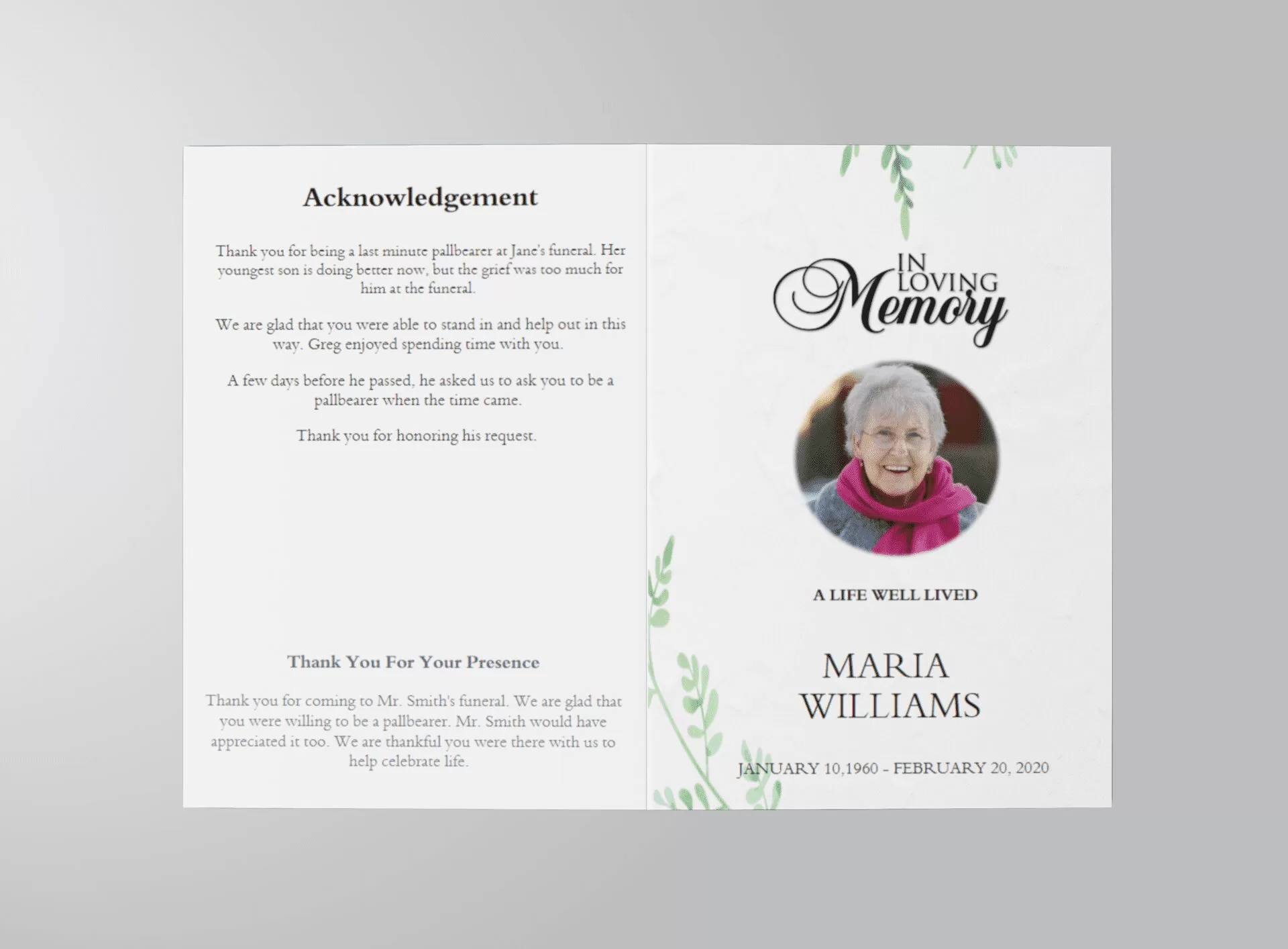
Funeral pamphlets, also known as memorial programs, are an integral part of the service. They provide attendees with important details about the deceased and the service. For families looking to create these pamphlets, our article on funeral pamphlets offers valuable insights and templates to get started.
Writing an Obituary
Writing an obituary is a meaningful way to honor a loved one’s life. It serves as a public announcement and can be a source of comfort for family and friends. For those unsure of how to write an obituary, our essential guide provides step-by-step instructions.
Understanding Grief and Funeral Planning
Grief can significantly impact decision-making during the funeral planning process. It is crucial to acknowledge these feelings and seek support when needed. Our resource on funeral planning and grief offers essential insights to help families cope during this time.
Planning Ahead
Consider pre-planning your own funeral to ease the burden on loved ones. Pre-planning allows you to communicate your wishes clearly and ensure everything is taken care of. Our article on navigating funeral planning discusses the benefits of planning ahead and how to approach this sensitive topic.
Conclusion
Although this guide does not include a formal conclusion, we encourage readers to explore the resources provided. Each link offers further details that can assist families in making informed decisions during their time of need.