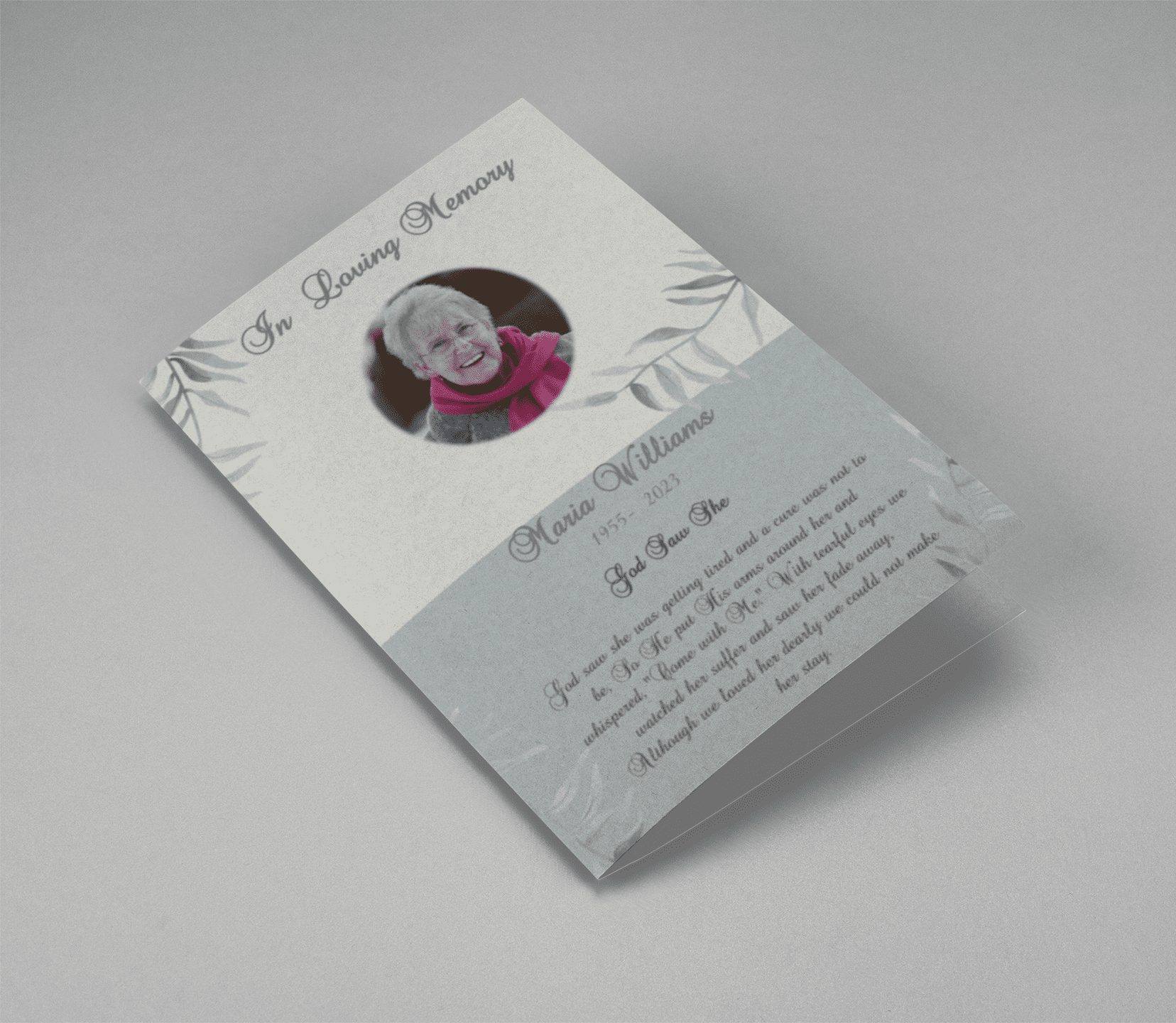
fall card

Essential Insights on Funeral Planning for Families

Example of an obituary for a mother

Understanding the Importance of Funeral Planning

Planning a funeral is an emotional journey that requires careful thought and organization. It’s a time when families come together to honor the memory of their loved ones. Here are some essential aspects to consider when navigating this process:

Key Considerations

  • Emotional Readiness: Recognize the emotional challenges involved and ensure you have support.
  • Budgeting: Understand the financial implications and plan accordingly.
  • Personalization: Think about how you want to celebrate the life of your loved one.

Comprehensive Resources for Funeral Planning

For families facing the daunting task of funeral planning, having the right information is crucial. Our Navigating Funeral Planning: A Comprehensive Guide offers detailed insights into the steps you need to take.

Steps to Take

  1. Gather Information: Start by collecting necessary documents and preferences.
  2. Choose a Funeral Service Provider: Research local providers and compare services.
  3. Make Arrangements: Discuss options with family and finalize details.

Understanding Essentials of Funeral Planning

It’s essential to grasp the basics of funeral planning. From selecting burial or cremation to deciding on memorial services, each choice impacts the overall experience. Here’s a quick checklist of what to consider:

  • Type of service: Traditional, memorial, or direct burial?
  • Location: Where will you hold the service?
  • Guest list: Who do you want to invite?

Navigating the Complexities of Funeral Planning

Understanding the complexities of funeral planning can ease the burden on families. Each step can feel overwhelming, but breaking it down makes it manageable. Here are additional resources that can help:

  1. Consult with funeral directors to gain insight and assistance.
  2. Consider pre-planning options to alleviate future stress.
  3. Engage in discussions with family members to honor everyone’s wishes.

In moments of grief, having a structured approach to funeral planning can foster connection, remembrance, and healing. Utilize the resources available to ensure the process is as smooth as possible for you and your family.
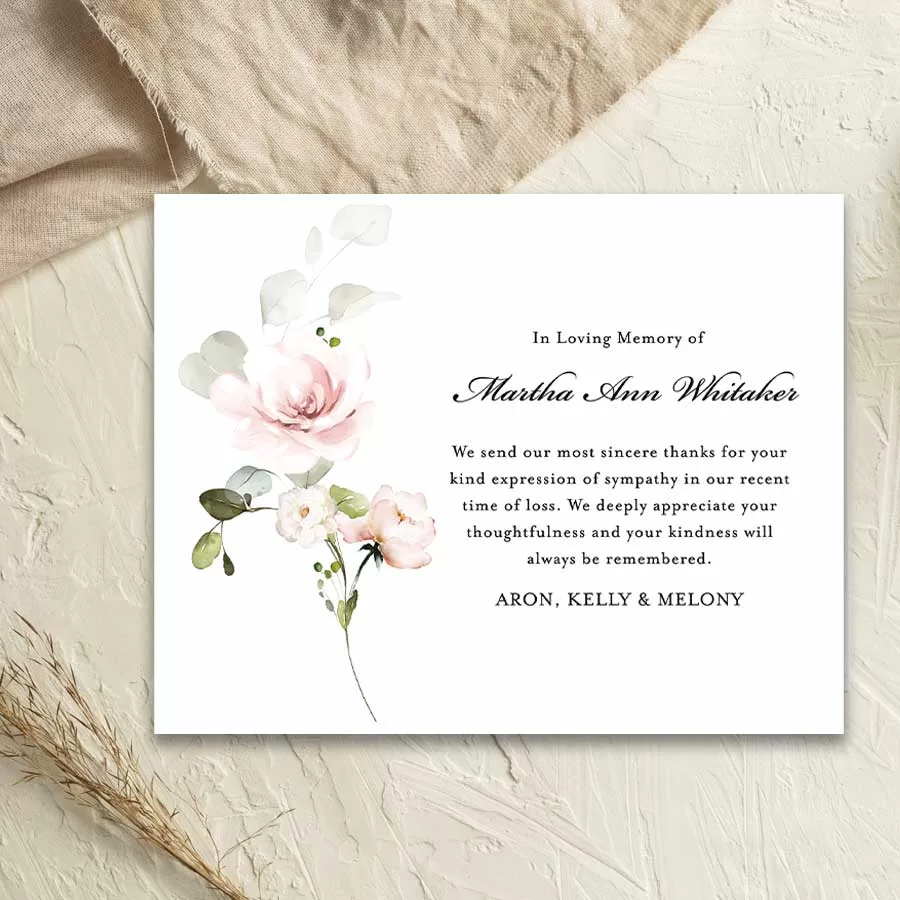
The Essential Guide to Navigating Funeral Planning

Example of an obituary for a mother

Understanding Funeral Planning

Facing the loss of a loved one is a deeply emotional experience. One of the most challenging aspects of this journey is navigating the complexities of funeral planning. This process can feel overwhelming, but with the right support and information, it can also be a meaningful way to honor your loved one’s life.

Key Steps in Funeral Planning

  • Gather Information: Start by collecting important documents and understanding the wishes of the deceased.
  • Choose a Funeral Home: Research local funeral homes and consider their services and pricing options.
  • Select a Type of Service: Decide whether you prefer a traditional service, a memorial service, or a celebration of life.
  • Plan the Details: This includes everything from music selections to floral arrangements and the order of service.

Resources for Support

To assist you in this journey, A Comprehensive Guide to Funeral Planning provides valuable insights on how to approach these decisions with care.

Honoring Your Loved Ones

Funeral planning is not just about logistics; it’s also about honoring the memory of the person you loved. Consider incorporating personal touches, such as:

  • Favorite songs or readings
  • Personal mementos or photographs
  • Special speakers or eulogies

For a deeper understanding of how to honor your loved ones through the planning process, check out Understanding Funeral Planning and Honoring Loved Ones.

Emotional Support During Planning

Grief can be a heavy burden, and it’s crucial to seek emotional support during this time. Consider reaching out to friends, family, or professional counselors. Resources like Understanding Grief and Funeral Planning: A Compassionate Approach can guide you through managing your feelings while planning a funeral.

Common Questions About Funeral Planning

Many people have questions when it comes to funeral planning. Here are a few common inquiries:

  • What are the costs associated with a funeral?
  • How can I personalize a funeral service?
  • What legal requirements must I consider?

For a comprehensive overview of these topics, visit Navigating the Journey of Funeral Planning with Care.

Conclusion

Funeral planning is a significant step in honoring the life of a loved one. By understanding the process, seeking support, and personalizing the ceremony, you can navigate this challenging time with compassion and care. Remember that you are not alone in this journey; resources and support systems are available to assist you.

condolences, condolence message, sympathy message, bereavement, loss of loved one, message of support, funeral message, grieving, comfort words, heartfelt condolences

Condolences Message – Tips, Examples, and Free Templates

Condolences Message – Tips, Examples, and Free Templates

Sending a condolences message is one of the most thoughtful ways to express sympathy and support after someone has experienced a loss. A few sincere words can offer immense comfort, helping those grieving feel acknowledged and supported. In this post, we share expert tips, examples, and free templates to help you convey your message with warmth and clarity.

What Is a Condolences Message?

A condolences message is a written or spoken expression of sympathy sent to someone who has lost a loved one. It may be sent via card, text, letter, email, or spoken during a conversation or ceremony. A good message acknowledges the loss and offers comfort without being overly formal or emotional.

Benefits of Sending a Condolences Message

  • ✔️ Provides emotional comfort
  • ✔️ Reinforces bonds of friendship or family
  • ✔️ Honours the memory of the departed

Tips for Writing a Condolences Message

  1. Be sincere: Write from the heart and avoid clichés.
  2. Offer support: Include a line offering help if appropriate.
  3. Be brief: A few honest lines are more powerful than a long paragraph.
  4. Use appropriate tone: Respect the relationship and setting.

Examples of Condolences Messages

  • “My thoughts are with you. I’m so sorry for your loss.”
  • “Wishing you peace and strength in this difficult time.”
  • “May you find comfort in the love that surrounds you.”

Free Condolences Message Templates

We’ve created free downloadable condolences message templates you can use for emails, sympathy cards, or funeral guest books. These templates are editable and ready to personalize for your specific situation.

Download Free Condolences Message Templates »

When to Send a Condolences Message

It is best to send your message within the first few days of learning about the loss. You may also follow up later with a longer message, a call, or a visit, depending on your relationship.

Conclusion

Taking a moment to write a condolences message is a meaningful way to show you care. Whether you’re writing a note for a friend, colleague, or distant relative, our tips and templates can help you strike the right tone with sensitivity and warmth.

Looking for more templates? Visit our Free Condolences Templates resource page.

Condolence message – Tips, Examples, and Free Templates

Condolence Message – Tips, Examples, and Free Templates

Offering comfort through words is a timeless gesture. A sincere condolence message can help ease the pain of grief and show heartfelt support during difficult times. In this post, we share expert tips, sample condolence messages, and free templates to help you express sympathy with clarity and compassion.

What Is a Condolence Message?

A condolence message is a short note or letter expressing sympathy and support to someone who has lost a loved one. Whether spoken or written, the message offers comfort and acknowledges the pain of the bereaved.

Why Sending a Condolence Message Matters

  • ✔️ Offers emotional support to grieving families
  • ✔️ Strengthens personal and professional relationships
  • ✔️ Shows empathy and humanity in tough moments

Tips for Writing a Thoughtful Condolence Message

  1. Keep it short and sincere: Avoid overcomplicating your message.
  2. Speak from the heart: Personal memories or emotions resonate deeply.
  3. Offer support: If appropriate, include a specific offer of help.
  4. Use respectful language: Avoid clichés or insincere expressions.

Sample Condolence Messages

  • “I’m so sorry for your loss. My heart goes out to you and your family.”
  • “Thinking of you in these difficult times and sending love.”
  • “May [Name]’s soul rest in peace. You’re in our thoughts.”

Free Condolence Message Templates

We’ve created free, editable templates that help you convey sympathy with grace. Available in text, email, and card-ready formats.

Download Free Condolence Message Templates »

When and How to Send a Condolence Message

Messages can be sent immediately after hearing the news, or later, as a follow-up. Cards, letters, emails, and social media messages are all acceptable formats—depending on your relationship with the bereaved.

Conclusion

A well-written condolence message is a simple yet powerful way to show you care. Our free templates make it easy to express sympathy with grace, warmth, and sincerity.

Back to Top
Product has been added to your cart
Compare (0)