
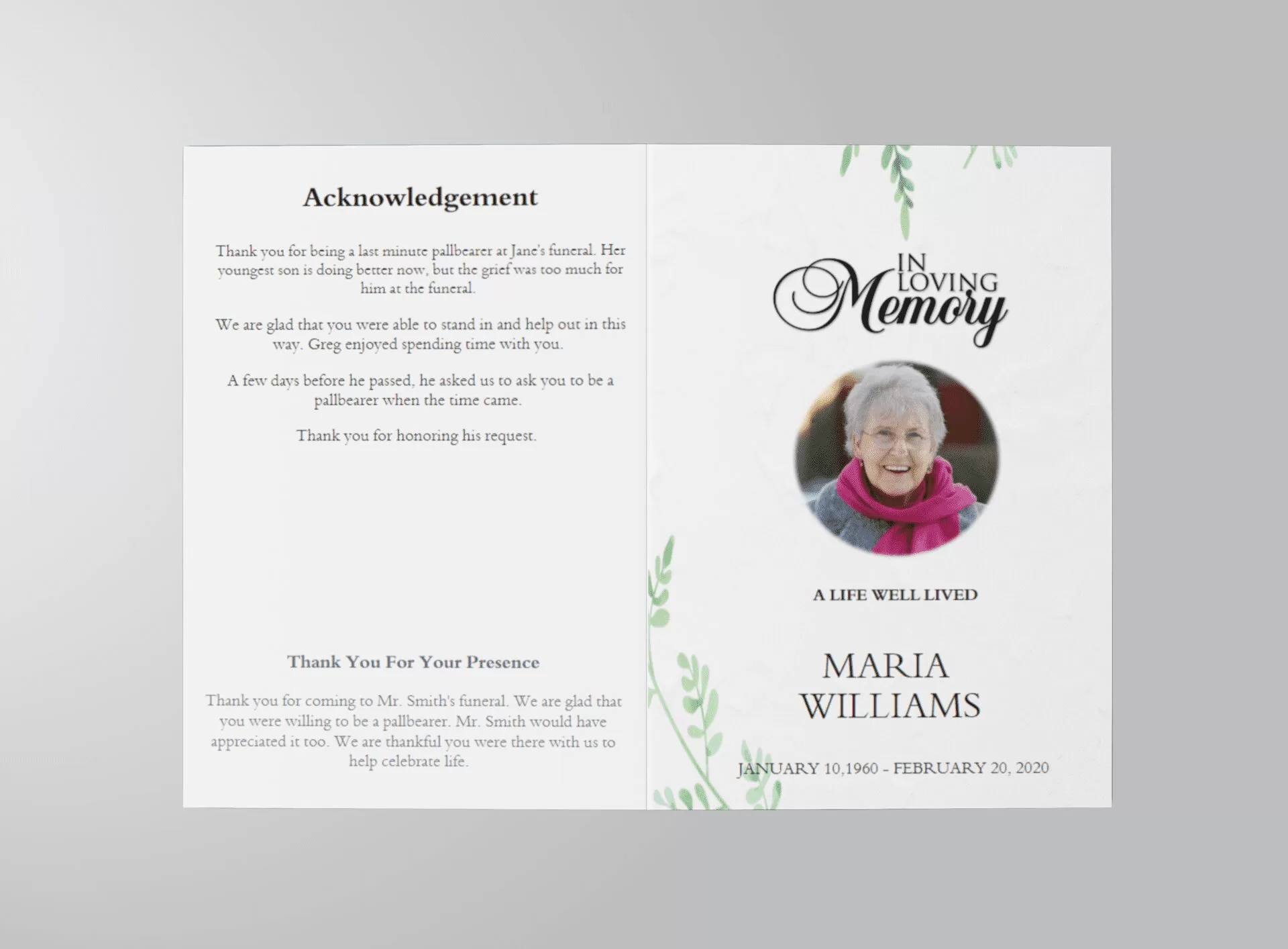
Understanding the Essentials of Funeral Planning

Why Funeral Planning is Important
Facing the loss of a loved one is one of the most challenging experiences in life. The emotional toll can be overwhelming, and during such times, understanding the nuances of funeral planning becomes essential. A well-structured plan can ease the burden on family members and ensure that the wishes of the deceased are honored.
Key Components of Funeral Planning
When it comes to arranging a funeral, several key elements should be considered:
- Choosing a Funeral Home: Research and select a funeral home that aligns with your needs and values.
- Deciding on the Service Format: Options range from traditional services to more personal and unique memorials. For guidance on creating a service program, check out our Comprehensive Guide to Memorial Service Program Format.
- Budgeting: Understand the costs involved and create a budget to avoid unexpected expenses.
- Legal and Administrative Considerations: Familiarize yourself with the necessary paperwork and legal requirements.
Exploring Different Service Options
Funeral services can vary greatly. Here are some options to consider:
- Traditional Funeral: Typically includes a viewing, service, and burial.
- Cremation: An alternative that may offer more flexibility in terms of memorial services.
- Memorial Services: These can often be held at a later date and can be personalized to reflect the deceased’s life.
To navigate these choices effectively, our Navigating the Journey of Funeral Planning article provides valuable insights.
Memorial Tributes and Personalization
Creating a personalized memorial tribute can provide comfort and celebrate the life of your loved one. Consider:
- Photo Displays: Showcase cherished memories through photographs.
- Memory Boards: Invite guests to share their favorite memories and stories.
- Unique Themes: Tailor the service to reflect the personality and passions of the deceased.
For more on this topic, our Essential Guide to Funeral Planning and Memorial Tributes is an excellent resource.
Understanding the Role of Family in Funeral Planning
Family members often play a crucial role in the funeral planning process. It’s important to communicate openly about:
- Personal preferences and wishes of the deceased.
- Financial contributions and budgeting.
- Emotional support for each other during this difficult time.
For additional support, explore our article on Navigating Funeral Planning with Care and Compassion.
Conclusion
While this article does not conclude with a summary, we hope the information provided empowers you in the challenging times of planning a funeral. Each step taken can help honor your loved one in a meaningful way. For further guidance, our resources are always available to assist you in this journey.