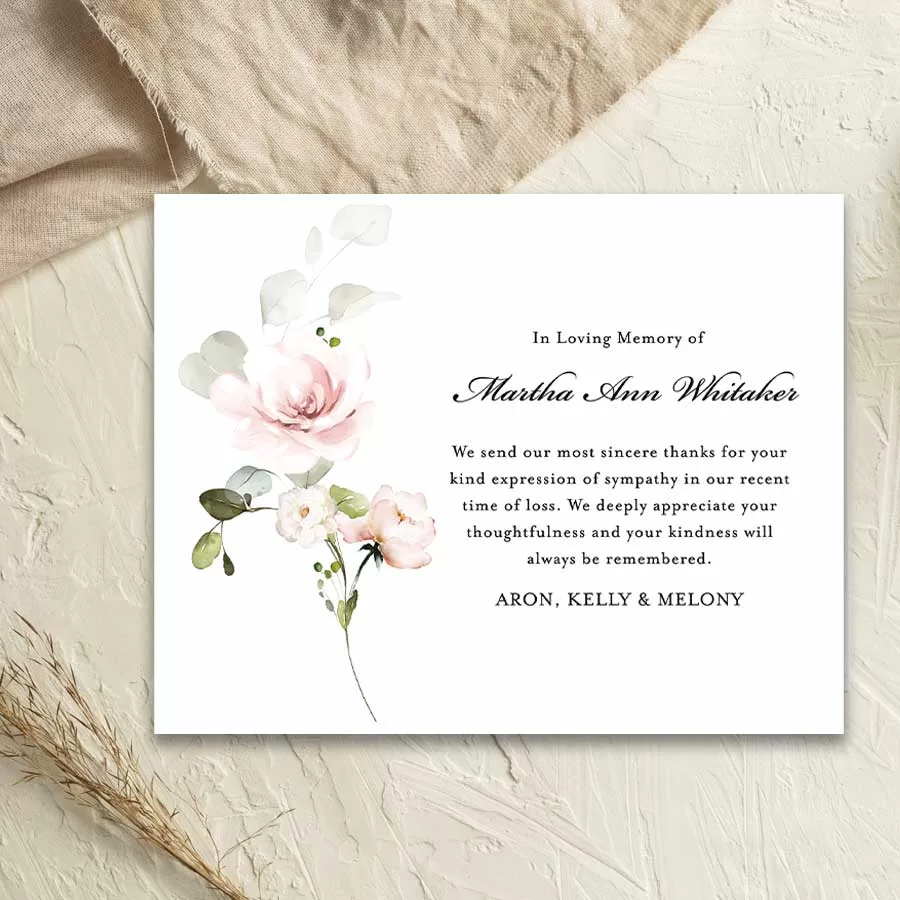
In life, there are few things as challenging as finding the right words to offer someone who is grieving. A well-crafted condolences message can provide comfort and support during one of life’s most difficult moments. Knowing how to express sympathy can make a significant difference in someone’s healing process. This guide will explore how to craft thoughtful condolences messages and offer related insights into offering heartfelt sympathy.
Understanding the Importance of a Condolences Message
A condolences message is more than just a social nicety; it’s a way to show that you care about someone’s loss and want to be there for them during their time of grief. Whether it’s a simple text, a heartfelt card, or a message written in an online guestbook, your words can bring comfort and solace.
When writing a condolences message, it’s important to be sincere and to the point. The key is to acknowledge the loss, offer support, and share a memory or thought about the deceased. Your message doesn’t have to be long, but it should come from the heart.
How to Write a Thoughtful Condolences Message
Writing a condolences message can feel overwhelming, especially when you’re unsure of what to say. However, the most important thing is that your message comes from a place of compassion and empathy. Here are some tips to help you craft a thoughtful and sincere condolences message:
- Start with a Simple Acknowledgment: Begin your message by acknowledging the loss. For example, “I was so sorry to hear about your loss,” or “My heart goes out to you and your family during this difficult time.”
- Express Your Sympathy: It’s essential to let the person know that you are thinking of them. Phrases like “You are in my thoughts and prayers” or “I’m sending you love and strength” can be very comforting.
- Share a Fond Memory or Positive Thought: If you knew the deceased, sharing a fond memory can add a personal touch to your message. If you didn’t know the person, a simple message of support, such as “I know how much they meant to you,” can be just as meaningful.
- Offer Support: Offering help or support can be comforting. You might say, “Please don’t hesitate to reach out if you need anything,” or “I’m here for you if you need someone to talk to.”
- Close with a Thoughtful Sentiment: End your message with a thoughtful closing, such as “With deepest sympathy” or “Wishing you peace and comfort in the days ahead.”
For more examples and inspiration, visit this condolences message guide.
Related Keywords and How They Enhance Your Message
When writing a condolences message, you might encounter various related terms that can help you express your feelings more fully. Here are some of these terms and how they can be used effectively:
- Sympathy Message: Similar to a condolences message, a sympathy message is often used to express sorrow for someone’s loss. Phrases like “Please accept my deepest sympathy” or “Sending my heartfelt sympathy” are common.
- Condolence Notes: These are often shorter than a full message but still convey the same sentiment. A condolence note might simply say, “Thinking of you during this time of sorrow.”
- Words of Comfort: These are the phrases and sentiments that offer reassurance and peace to someone in grief. For example, “May you find comfort in the love and memories you shared.”
- Bereavement Message: This term is often used interchangeably with condolences message but may sometimes refer to the period of mourning. An appropriate bereavement message could be, “Wishing you strength during this time of bereavement.”
- Message of Sympathy: This phrase is another way to describe a condolences message. It’s essential to tailor your message of sympathy to the recipient’s needs and emotions.
For a more in-depth look at how to use these terms and to see more examples, visit this comprehensive condolences message guide.
The Impact of a Well-Written Condolences Message
A well-written condolences message can have a profound impact on someone who is grieving. It can help them feel less alone, provide a sense of connection, and offer solace during an incredibly challenging time. Moreover, by carefully choosing your words, you can ensure that your message is both comforting and respectful.
Here are a few reasons why a thoughtful condolences message is so impactful:
- It Shows That You Care: Taking the time to write a heartfelt message shows the recipient that you care about their loss and are thinking of them.
- It Offers Emotional Support: A well-crafted message can offer emotional support, helping the recipient to process their grief.
- It Honors the Deceased: By sharing memories or expressing what the deceased meant to you, you honor their legacy and show the recipient how much their loved one was valued.
- It Provides a Keepsake: Many people keep condolence cards and notes as a way to remember the support they received during their time of loss. Your message could become a cherished keepsake.
To explore more about how to craft impactful condolences messages, check out this detailed condolences message guide.
Crafting Messages for Different Relationships
The way you write a condolences message can vary depending on your relationship with the deceased or the bereaved. Here are some examples tailored to different relationships:
- For a Friend: “I’m so sorry for your loss. I know how much [Name] meant to you, and my heart aches for you. Please know I’m here for you.”
- For a Colleague: “Please accept my deepest condolences on the loss of your [relation]. My thoughts are with you and your family during this difficult time.”
- For a Family Member: “Our family is deeply saddened by the loss of [Name]. We will cherish the memories we have and keep you in our prayers.”
- For a Neighbor: “Sending you my heartfelt condolences during this time. [Name] was a wonderful person, and they will be greatly missed in our community.”
Each of these messages can be customized further depending on the situation and the individuals involved. For more tailored examples, visit this condolences message guide.
The Lasting Importance of Condolences Messages
In conclusion, writing a condolences message is a meaningful way to express sympathy and offer comfort to those who are grieving. Whether it’s a brief note or a more detailed message, your words can provide much-needed support during a difficult time. Remember to be sincere, offer support, and, if appropriate, share a memory of the deceased. By doing so, you can create a message that truly resonates with the recipient.
For further guidance and examples on how to write a heartfelt condolences message, explore the resources available. Your support can make a world of difference to someone in their time of need.