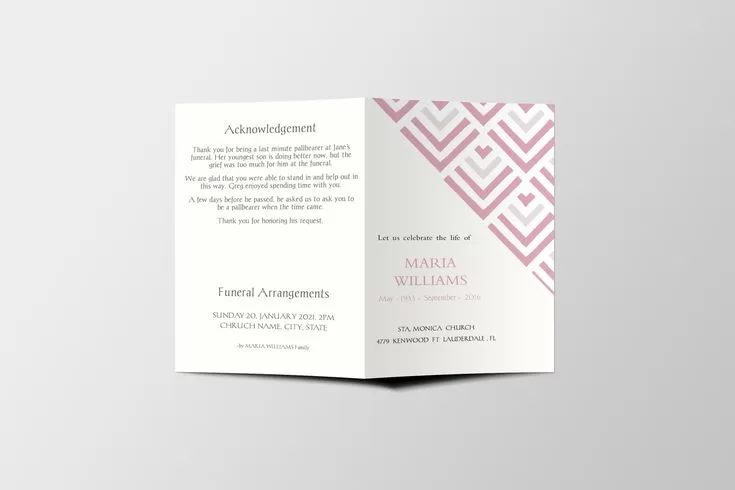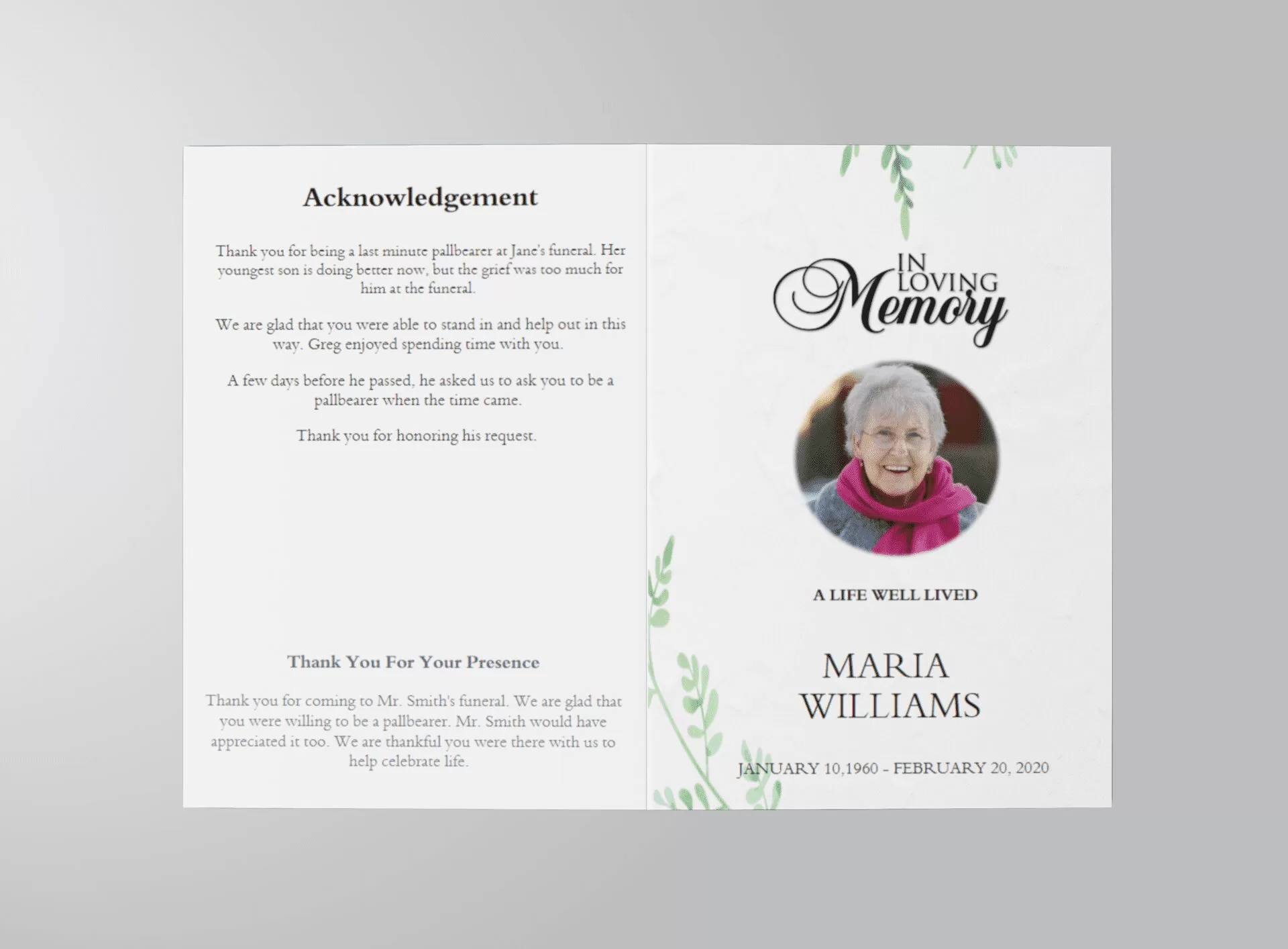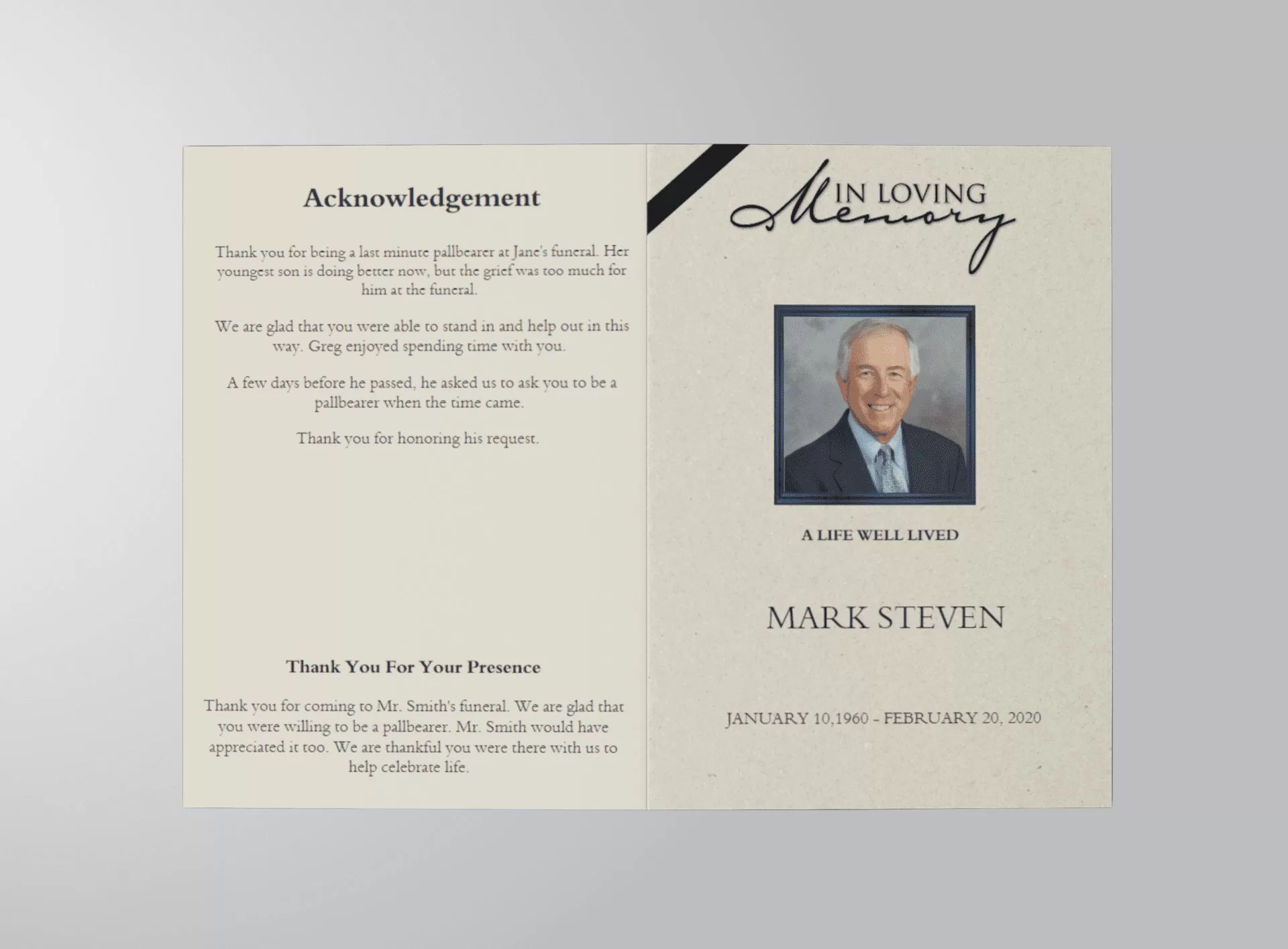
Funeral Program Template Online

Understanding Funeral Planning: A Compassionate Guide

Understanding Funeral Planning

Experiencing the loss of a loved one can be one of life’s most challenging moments. The process of planning a funeral can feel overwhelming, but it’s also an opportunity to honor the individual who has passed. Understanding the various aspects of funeral planning can ease your burden and help you create a meaningful tribute.

Utilizing Funeral Home Programs Templates

Funeral home programs serve as a keepsake for attendees and provide essential details about the service. These programs often include a schedule of events, readings, and personal stories about the deceased. By using funeral home programs templates, families can easily customize the content to reflect the unique life of their loved one, ensuring that the program resonates with those who attend.

Creating a Funeral Service Program Template

A funeral service program template is an invaluable tool for organizing the service’s flow. This template can outline the order of speakers, musical selections, and special tributes. Families can personalize these elements to capture the essence of their loved one, providing a structured yet heartfelt service that celebrates their life.

Memorial Service Program Template Options

For those who choose to hold a memorial service, a memorial service program template can help guide the experience. These programs can include photographs, quotes, and even a timeline of significant events in the deceased’s life. Customizing a memorial program not only honors the departed but also provides a source of comfort and connection for attendees, allowing them to share in the memories.

Funeral Programme Template Essentials

Utilizing a funeral programme template ensures that all necessary components of the service are covered. From the opening remarks to the closing prayers, having a structured program can help ease the anxiety of planning. Families can incorporate personal touches, such as favorite songs or readings, to create a truly memorable experience for everyone involved.

Personal Touches: Prayer Cards

Another meaningful addition to any funeral or memorial service is the inclusion of prayer cards. These small cards can feature a comforting verse, a photo of the deceased, or an inspiring quote. They serve as a tangible reminder of the love shared and can be handed out to guests as a keepsake. Personalizing prayer cards can provide solace to grieving family members and friends.

Why Templates Matter

Templates provide a framework that can significantly reduce the stress associated with funeral planning. They allow families to focus on the emotional aspects of loss while ensuring that all logistical details are handled. By utilizing resources such as funeral planning templates, families can create a service that is both respectful and personalized.

Embracing Personalization

Personalization is key in making a funeral or memorial service unique. Incorporating elements like favorite songs, cherished memories, and personal anecdotes can bring warmth amidst the sorrow. Families are encouraged to think about what made their loved one special and celebrate those traits during the service. Using various templates allows for this creativity and ensures that every detail aligns with the family’s wishes.

Support Resources

Throughout this challenging time, support is crucial. Resources like compassionate guides can help families navigate their options, find emotional support, and understand the planning process more thoroughly. Remember, you are not alone in this journey; many are here to help you every step of the way.


fall card

Navigating the Essentials of Funeral Planning

Obituary Example

Understanding Funeral Planning

Planning a funeral can often feel overwhelming, especially during a time of grief. It combines emotional challenges with numerous logistical considerations. At QuickFuneral LLC, we aim to help you navigate through this process by providing essential insights and resources.

The Importance of Thoughtful Funeral Planning

Thoughtful funeral planning is not just about arranging the logistics; it’s about honoring a loved one’s life. Our guide on The Importance of Thoughtful Funeral Planning delves into how planning can ease the burden on grieving families and provide a meaningful tribute.

Key Components of Funeral Planning

  • Choosing a Funeral Home: Selecting the right funeral home is a crucial first step. Look for a provider that aligns with your values and budget.
  • Understanding Costs: Transparency in pricing is vital. Familiarize yourself with typical expenses to avoid unexpected costs.
  • Memorial Services: Consider organizing a memorial service. Our Comprehensive Guide to Memorial Service Bulletin Templates can assist you in creating a meaningful program for the service.
  • Obituary Writing: Writing an obituary can be a heartfelt way to honor a loved one. Explore our resources for crafting a thoughtful obituary.

Navigating Emotional Challenges

Funeral planning is often intertwined with deep emotional responses. It’s important to acknowledge these feelings. Our article on Navigating the Complexities of Funeral Planning offers practical advice on managing the emotional aspects while making logistical arrangements.

Planning Ahead

Pre-planning a funeral can relieve pressure from your loved ones during a difficult time. By making decisions in advance, you can ensure that your wishes are honored. For more on this topic, refer to our Comprehensive Guide to Thoughtful Funeral Planning.

Understanding the Essentials

Every family has different needs and preferences when it comes to funerals. Our guide on Understanding the Essentials of Funeral Planning addresses the fundamental aspects you should consider to personalize the experience.

Conclusion

While the process may be daunting, remember that you are not alone. Resources and support systems are available to help you through this challenging time.

How to Write a Funeral Program Obituary

Navigating the Journey of Funeral Planning

Obituary Template

Understanding the Funeral Planning Process

Losing a loved one is undoubtedly one of life’s most challenging experiences. The journey of funeral planning can feel overwhelming, filled with emotional and logistical challenges. Here’s a comprehensive guide to assist you as you navigate this difficult time.

Key Steps in Funeral Planning

  1. Choosing the Type of Service: Decide whether you want a traditional funeral service, a memorial service, or a celebration of life. Each option has its unique elements, so consider what your loved one would have wanted.
  2. Selecting a Funeral Home: Research local funeral homes and compare services. A compassionate team can significantly ease the planning process. For insights on how to choose the right home, refer to our navigating funeral planning guide.
  3. Planning the Details: This includes selecting music, readings, and speakers, along with deciding on the burial or cremation options. Each detail can reflect the personality and life of your loved one.
  4. Creating an Obituary: Writing a meaningful obituary can help celebrate the life of your loved one. Our obituary templates can guide you in crafting a heartfelt message.
  5. Setting a Budget: Funeral costs can add up quickly, so creating a budget is essential. Be sure to inquire about all potential expenses when meeting with the funeral home.

Understanding the Essentials of Funeral Planning

It’s crucial to grasp the essentials of funeral planning. Our article on understanding funeral planning breaks down the fundamental components, ensuring that you feel informed and empowered as you make decisions.

Memorial Tributes and Personalization

Personalizing a service can truly honor the memory of your loved one. Consider adding elements such as:

  • Memory tables with photographs and mementos
  • Personalized programs that tell their story
  • Special music selections that were meaningful to them

For a deeper understanding of memorial tributes, explore our essential guide which provides valuable insights into creating a meaningful tribute.

Support During the Planning Process

Remember, you don’t have to navigate this journey alone. Many resources are available, including support groups and counseling services. Engaging with professionals can provide the help you need during this challenging time.

Final Thoughts

Funeral planning is an emotional endeavor, but it can also be a meaningful way to celebrate a life. By following these steps and utilizing available resources, you can create a fitting tribute that reflects the love and memories shared.

funeral program template

Understanding the Essentials of Funeral Planning

Example of an obituary for a mother

Understanding the Essentials of Funeral Planning

When a loved one passes away, the emotional toll can be overwhelming. The process of planning a funeral can feel daunting, but understanding the essentials can make this journey a little easier. At QuickFuneral LLC, we aim to provide you with the guidance you need during this difficult time.

Key Components of Funeral Planning

  • Choosing the Right Type of Service: Decide whether you prefer a traditional burial, cremation, or a memorial service. Each option has its unique attributes that should reflect the wishes of your loved one.
  • Selecting a Funeral Home: Partnering with a compassionate funeral home can ease the burden. Consider visiting Navigating Funeral Planning with Compassion and Care to learn more about how to choose the right provider.
  • Budget Planning: Establish a budget to help guide your decisions. Understanding the costs associated with different services can prevent unexpected financial strain.
  • Gathering Necessary Documents: Ensure all legal paperwork is in order, including death certificates and burial permits.

The Role of Personalization in Funerals

Personalizing a funeral service can help to celebrate the unique life of the deceased. Consider incorporating elements such as:

Emotional Support During Planning

Planning a funeral is not only about logistics; it’s also an emotional journey. It’s crucial to seek support from friends, family, or professionals who can help guide you through this process. Our article on A Compassionate Approach to Funeral Planning offers insights into how to navigate this challenging time with care.

Understanding Funeral Arrangements

When making arrangements, it’s helpful to understand the essentials of funeral planning:

  1. Discussing Wishes: Talk with family members about the deceased’s wishes to ensure that the service reflects their life accurately.
  2. Choosing a Venue: Decide on a location that holds significance, whether it’s a place of worship or a community center.
  3. Considering Cultural Traditions: Respect and incorporate the cultural traditions that are meaningful to your family.

Finalizing Arrangements

Finalize all arrangements by confirming details with the funeral home and ensuring that everything is in order for the day of the service. Our guide on The Importance of Thoughtful Funeral Planning can provide further assistance in making sure that every detail is accounted for.

Planning a funeral can be a daunting task, but with the right resources and support, you can honor your loved one’s memory with grace and dignity. For more comprehensive insights into the funeral planning process, visit our Understanding the Essentials of Funeral Planning page.

fall card

Essential Guide to Funeral Planning

Example of an Obituary for a Mother

Understanding Funeral Planning

Planning a funeral can be a daunting task, especially during such an emotional time. It is crucial to navigate this process with care and empathy. Here’s a helpful overview to guide you through the essentials.

The Importance of Funeral Planning

Funeral planning is not just about the logistics; it’s an opportunity to honor the life of a loved one. Proper planning helps families manage their grief while also celebrating cherished memories. For more insights on why this process matters, check out our article on Understanding Funeral Planning During Difficult Times.

Steps in the Funeral Planning Process

  1. Choosing the Type of Service: Decide whether to have a traditional funeral, a memorial service, or a celebration of life.
  2. Selecting a Funeral Home: Research local funeral homes to find one that meets your needs and budget.
  3. Discussing Costs: Understand the pricing structure and what is included in the services offered.
  4. Personalizing the Service: Think about how you want to reflect the personality and life of the deceased through music, readings, and decor.

Navigating Emotional Challenges

Understanding the emotional journey is just as important as the logistical aspects of planning. Families often face overwhelming feelings during this time. For strategies on coping with these emotions, visit our resource on Navigating the Emotional Journey of Funeral Planning.

Common Questions About Funeral Planning

  • What are the legal requirements? Each state has different regulations, so it’s essential to check local laws regarding death certificates and permits.
  • How can I save on costs? Consider options like direct cremation or a simple service to keep expenses manageable.
  • What should I include in an obituary? An obituary should highlight the person’s accomplishments, family, and any services or memorials that will be held.

Resources for Further Guidance

If you’re feeling overwhelmed, remember that you are not alone. Many resources are available to assist you through this challenging time. For a comprehensive look at planning, refer to Understanding Funeral Planning: A Comprehensive Guide. This guide covers everything from emotional support to the practical aspects of funeral arrangements.

Planning Ahead

Thinking about your own funeral plans can be a difficult but empowering decision. Pre-planning allows you to express your wishes and relieve your loved ones of the burden during a time of grief. For tips on how to approach this sensitive topic, check out Navigating the Complexities of Funeral Planning.

Final Thoughts

While the process of planning a funeral can be challenging, it is also a profound way to honor a loved one’s life. By taking the time to understand the steps involved, you can create a meaningful tribute that reflects their legacy.

funeral program template

A Comprehensive Guide to Understanding Funeral Planning

Example Obituary Template

What is Funeral Planning?

Funeral planning is the process of preparing for the funeral of a deceased person, ensuring that their wishes are honored while providing comfort to grieving families. It involves a variety of decisions, from selecting the type of service to choosing burial or cremation options.

The Importance of Funeral Planning

When faced with the loss of a loved one, the emotional burden can be heavy. Understanding the intricacies of funeral planning can help alleviate some of this stress. For a deeper dive into why planning is crucial, check out our Understanding Funeral Planning: A Comprehensive Guide.

Key Elements of Funeral Planning

  • Choosing a Funeral Home: Start by researching local funeral homes. Look for reviews and services offered.
  • Service Type: Decide on whether you want a traditional service, a memorial service, or a simple graveside service.
  • Burial or Cremation: Consider the deceased’s wishes and the family’s preferences when making this decision.
  • Personalization: Incorporate elements that reflect the personality of the deceased, such as music, flowers, and photographs.

Navigating the Complexities of Funeral Planning

Funeral planning can become complex, especially when emotions are high. To help navigate these challenges, read our article on Navigating the Complexities of Funeral Planning. It provides valuable insights into managing expectations and making informed choices.

Creating a Meaningful Memorial

Memorial services can be a beautiful way to honor a loved one’s life. Consider incorporating personal touches that reflect their values and passions. For more on this topic, our guide on Don’t Grieve For Me, For Now I’m Free: Understanding and Creating Meaningful Memorials offers helpful suggestions.

Planning Ahead

If you’re considering pre-planning your own funeral or that of a loved one, it’s essential to understand the process fully. For a detailed overview, please refer to The Essential Guide to Funeral Planning. This resource provides a step-by-step approach to making your wishes known and easing the burden on family members.

Emotional and Financial Considerations

Funeral costs can add up quickly. It’s important to budget for these expenses and explore options that fit within your financial means. Our article on Guiding You Through the Funeral Planning Process discusses how to manage costs while still honoring your loved one’s memory.

Final Thoughts

Understanding funeral planning can empower families to make informed decisions during one of life’s most challenging moments. By taking the time to prepare and explore available resources, you can ensure that the funeral service is a fitting tribute to your loved one.

Catholic Funeral Program Example PDF (Free Editable Template)

Understanding Funeral Planning: A Comprehensive Guide

Example of an obituary for a mother

Understanding Funeral Planning

Planning a funeral is a significant responsibility that often comes during one of the most challenging times in life. The emotional weight can be overwhelming, and understanding the various aspects of this process is essential. In this guide, we will explore essential insights into funeral planning, covering everything from logistics to emotional support.

The Importance of Funeral Planning

Funeral planning is not just about the logistics; it’s about honoring a loved one while providing a sense of closure for family and friends. Here are some key reasons why planning is vital:

  • Emotional Support: A well-planned service can help family and friends grieve together and celebrate the life of the deceased.
  • Financial Considerations: Planning ahead can help alleviate unexpected costs during a time of grief.
  • Personal Touch: Tailoring the service to reflect the individual’s personality can make the event more meaningful.

Steps to Navigate Funeral Planning

While every situation is unique, here are some steps to consider when navigating the journey of funeral planning:

  1. Choose a Funeral Home: Research local funeral homes, read reviews, and consider their services.
  2. Decide on the Type of Service: Whether it’s a traditional service, cremation, or a celebration of life, defining this early can guide your planning.
  3. Set a Budget: Discuss financial limitations with family to ensure that the plans align with available resources.
  4. Gather Necessary Documents: Acquire important documents such as the death certificate and any pre-arranged funeral plans.

Understanding Funeral Services

There are various types of services to consider, each with its unique characteristics. Here’s a brief overview:

  • Memorial Services: Often held without the body present, these services focus on celebrating the deceased’s life.
  • Graveside Services: A short service held at the burial site, often with family and close friends.
  • Traditional Funerals: Typically involve a viewing, a service, and a burial or cremation.

Expressing Gratitude

After a funeral, expressing gratitude to those who supported your family is essential. Thank you notes for funeral attendees play a crucial role in this process, showing appreciation for their support and presence during a difficult time. Here are some tips for writing these notes:

  • Be Timely: Send your notes within a few weeks of the service.
  • Personalize Each Note: Mention specific actions or words of comfort that meant a lot to you.
  • Keep It Simple: A heartfelt thank you is often more appreciated than a lengthy message.

Resources for Funeral Planning

To ensure a smooth planning process, consider utilizing resources like a complete guide to navigating funeral planning. This can provide comprehensive insights and checklists to keep you organized. Additionally, understanding funeral services can also help clarify the options available to you, ensuring that you make informed choices throughout the process.

Planning a funeral can be daunting, but with the right resources and support, you can navigate it successfully. Remember to lean on friends and family for emotional support as you honor your loved one’s memory.

Understanding Funeral Planning: A Helpful Guide

Example of an obituary for a mother template

What is Funeral Planning?

Funeral planning is a critical process that involves making arrangements for a service to honor the life of a loved one who has passed away. It can be an overwhelming task, especially in times of grief. However, understanding the steps involved can make this process more manageable.

Essential Elements of Funeral Planning

  • Choosing a Service Type: Decide whether you prefer a traditional burial, cremation, or alternative memorial service.
  • Setting a Budget: Funeral costs can vary greatly. Establishing a budget early on can help streamline decision-making.
  • Selecting a Funeral Home: Research and choose a funeral home that meets your family’s needs and expectations.
  • Creating a Program: Personalize the service with elements such as music, readings, and a program. For a helpful resource, check out our Free Memorial Service Program Template.
  • Writing an Obituary: Communicating the loss of your loved one through an obituary can be a meaningful way to share their life story.

Navigating the Emotional Aspects

Facing the loss of a loved one is never easy. It’s essential to approach the funeral planning process with compassion and care. For more insights on managing your emotions during this time, visit our guide on Navigating Funeral Planning with Compassion and Care.

Comprehensive Approach to Planning

Understanding the full scope of funeral planning can help you make informed decisions. It involves several key areas:

  1. Legal Aspects: Ensure all legal requirements are met, including permits and death certificates.
  2. Personalization: Choose elements that reflect your loved one’s personality, such as themes, colors, and favorite songs.
  3. Logistical Details: Arrange transportation, burial sites, and other services with the funeral home.
  4. Support Systems: Seek support from friends, family, or professional counselors during this challenging time.

Helpful Resources

For families looking for a deeper understanding of funeral planning, we recommend our comprehensive guide on Understanding Funeral Planning: A Comprehensive Approach. This resource provides an in-depth look at each step involved and what to expect.

Additionally, if you’re looking to understand the essentials of funeral planning, check out Understanding the Essentials of Funeral Planning. This guide covers all the necessary details you need to consider during the planning process.

Lastly, for those who feel overwhelmed by the complexities of planning, our article on Navigating the Complexities of Funeral Planning offers valuable insights and support.

Top Free Funeral Program Templates for Every Service Style

Understanding Funeral Planning: A Comprehensive Guide

Example of an obituary for a mother template

Introduction to Funeral Planning

Planning a funeral can feel overwhelming, especially when you’re coping with the loss of a loved one. At QuickFuneral LLC, we understand that this is a time of high emotion and many decisions. This guide aims to provide insights into making the funeral planning process smoother and more manageable.

Key Components of Funeral Planning

  • Choosing a Service Type: Decide whether you want a traditional funeral, a memorial service, or a celebration of life event. Each option has its unique elements that can honor your loved one appropriately.
  • Selecting a Funeral Home: Research local funeral homes to find one that aligns with your needs. Look for reviews and ask for recommendations.
  • Budget Planning: Understanding the costs associated with funeral services is crucial. Many options exist, and it’s essential to establish a budget early on.

Creating a Personal Tribute

One of the most meaningful parts of a funeral is the personal tribute to the deceased. This can include:

Navigating the Journey of Funeral Planning

Funeral planning involves navigating various stages and decisions. Here are some steps to consider:

  1. Contact family members and close friends to gather their input and preferences.
  2. Choose a date and location for the service, considering the comfort of attendees.
  3. Plan the details of the service, including speakers, readings, and music.

For a deeper understanding of the planning process, visit our article on navigating the journey of funeral planning.

Understanding Funeral Costs

Funeral costs can vary significantly based on the services you choose. Here are some common expenses to consider:

  • Funeral home fees
  • Transportation costs
  • Cemetery or cremation fees
  • Obituary and memorial costs

To gain insights into managing these costs, refer to our comprehensive guide to funeral planning.

Conclusion

While we do not provide a conclusion in this guide, we hope that the information shared here will assist you in navigating the challenging journey of funeral planning. From understanding costs to creating personalized tributes, QuickFuneral LLC is here to help you every step of the way.
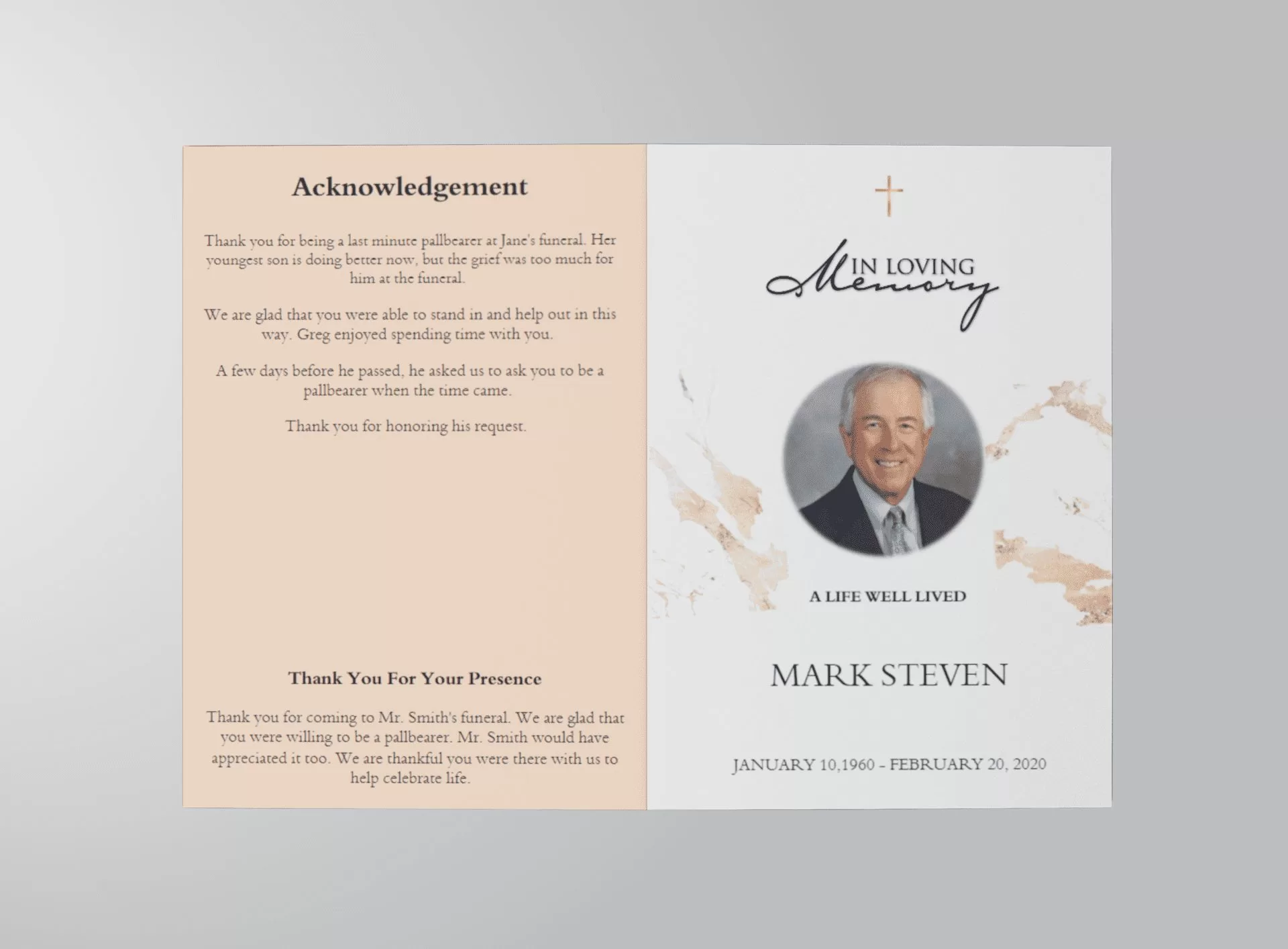
Catholic Funeral Program Example PDF (Free Editable Template)

Comprehensive Guide to Funeral Planning

Example of an obituary for a mother

Understanding the Essentials of Funeral Planning

Planning a funeral is often one of the most challenging experiences a family can face. During such a sensitive time, having clear guidance can make the process smoother. This comprehensive guide will help you navigate the complexities of funeral planning with compassion and care.

Why Funeral Planning Matters

Funeral planning is not just about logistics; it is about honoring the life of your loved one. It allows families to come together and make decisions that reflect their values and wishes. For a deeper understanding, explore our Understanding Funeral Planning: A Comprehensive Guide.

Key Steps in Funeral Planning

  • Gather Information: Collect essential documents, including the deceased’s will and any pre-arrangements they may have made.
  • Choose a Funeral Home: Research local funeral homes and read reviews to find one that aligns with your family’s needs.
  • Discuss Options: Meet with the funeral director to discuss options for services, burial, or cremation.
  • Plan the Service: Consider how you would like to honor your loved one, whether through a traditional service, a celebration of life, or a private gathering.

Types of Funeral Services

Understanding the different types of funeral services can help you make informed decisions. Here are a few common options to consider:

  • Traditional Funeral: Involves a viewing, service, and burial or cremation.
  • Memorial Service: Held without the body present, often in a place of significance to the deceased.
  • Celebration of Life: A more informal service that focuses on celebrating the deceased’s life rather than mourning their passing.

Incorporating Personal Touches

Adding personal elements to the service can create a meaningful experience. Some ideas include:

  • Displaying photos and memorabilia
  • Creating a memory table
  • Incorporating favorite music or readings

For more detailed information, check out our Navigating the Complexities of Funeral Planning.

Financial Considerations

Funeral expenses can add up quickly, making it essential to budget ahead. Here are some tips to manage costs:

  • Compare Prices: Don’t hesitate to compare prices among different funeral homes.
  • Understand Packages: Ask about package deals that can offer savings on services.
  • Explore Funding Options: Consider pre-paid funeral plans or insurance policies that can ease the financial burden.

For a compassionate approach to financial planning, read our The Compassionate Guide to Funeral Planning.

Preparing for the Day of the Service

On the day of the service, it’s important to be prepared. Here are a few things to keep in mind:

  • Arrive Early: Give yourself plenty of time to greet guests and settle in.
  • Designate Roles: Assign family members specific tasks to help the day go smoothly.
  • Take Care of Yourself: Remember to take breaks and hydrate as emotions may run high.

For further insights on planning, visit our article on The Essential Guide to Funeral Planning for Families.

Embracing the Grieving Process

Funeral planning is a crucial part of the grieving process. Allow yourself and your family the time and space to grieve while also celebrating the life that was lived. This dual focus can help in fostering healing.

To learn more about this compassionate approach, refer to our Essential Guide to Funeral Planning: A Compassionate Approach.

Back to Top
Product has been added to your cart
Compare (0)