
Understanding Funeral Planning: A Comprehensive Approach

Planning a Funeral: What You Need to Know
Facing the loss of a loved one is a challenging experience that brings a whirlwind of emotions. During this difficult time, planning a funeral may feel overwhelming. However, understanding the intricacies of funeral planning can help ease the burden and allow you to focus on honoring your loved one’s memory.
Why Thoughtful Funeral Planning is Essential
Thoughtful funeral planning is crucial for several reasons:
- Provides Closure: A well-planned service can help family and friends find closure and comfort.
- Honors the Deceased: It allows you to create a tribute that reflects the personality and wishes of your loved one.
- Eases Decision-Making: Having a clear plan can reduce stress and uncertainty during a time of grief.
Key Components of Funeral Planning
When planning a funeral, consider the following essential components:
- Choosing the Type of Service: Decide whether you want a traditional funeral, memorial service, or celebration of life. Each type has its own significance and format.
- Selecting a Venue: Choose a location that is meaningful to the deceased, whether it’s a church, community center, or outdoor space.
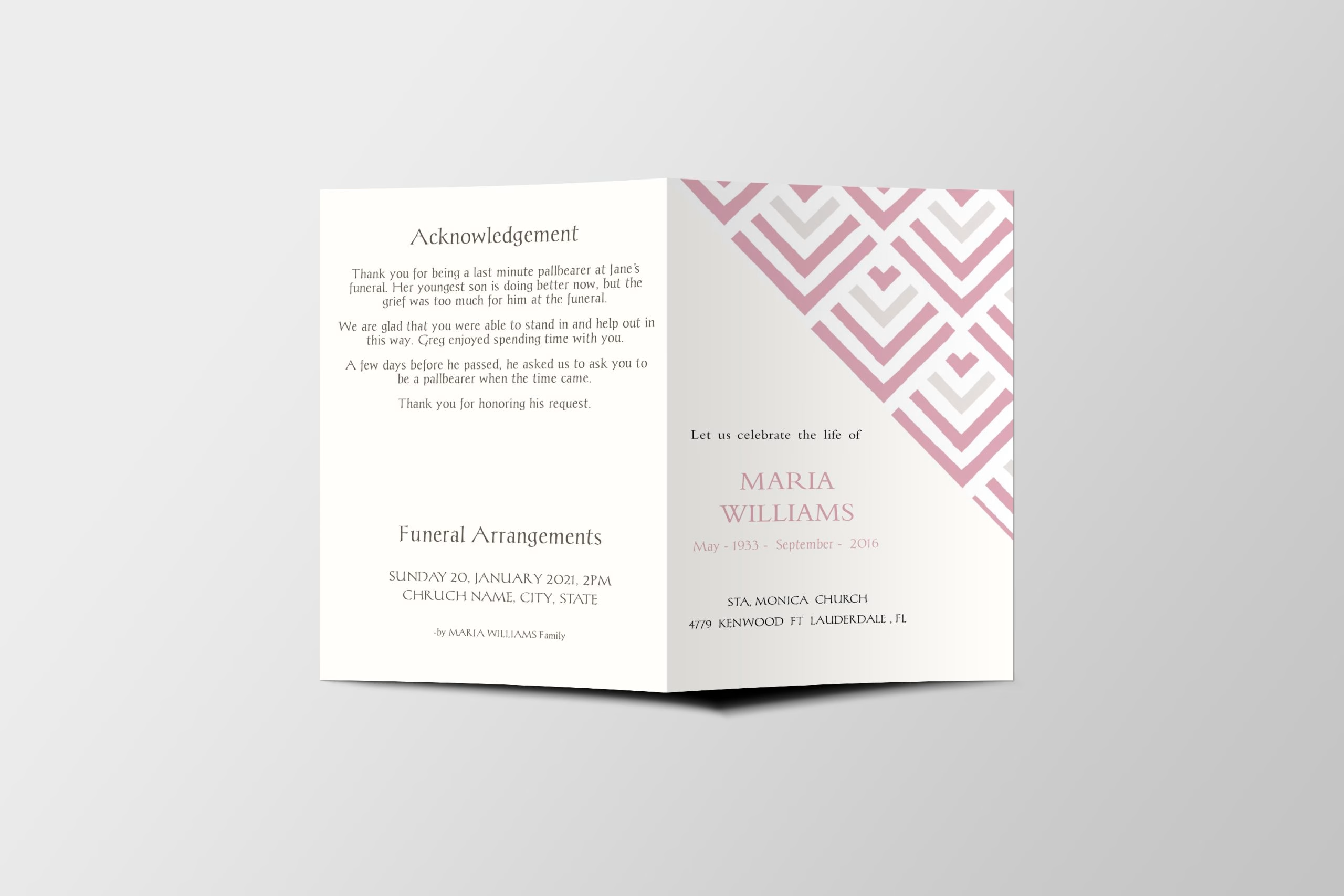
- Creating a Program: A funeral program serves as a keepsake for attendees. For examples, check out our comprehensive guide to funeral program examples.
Understanding the Costs Involved
Funeral expenses can vary significantly based on choices made. Here are common costs to consider:
- Funeral home services
- Casket or urn selection
- Transportation costs
- Burial or cremation fees
To navigate these complexities, you might find it helpful to read our article on understanding funeral planning, which provides insights into managing costs and making informed decisions.
Personalizing the Funeral Experience
Personal touches can make a funeral memorable. Consider incorporating:
- Favorite music or readings of the deceased
- Photo displays or memory boards
- Unique themes that reflect their life and passions
For more tips on crafting a personalized service, check out our guide to thoughtful funeral planning.
Emotional Support During Planning
It’s essential to lean on family and friends during this time. Consider seeking support groups or professional counseling to help navigate the emotional landscape of loss. Engaging in open conversations about your feelings can also aid in the healing process.
Final Thoughts on Funeral Planning
While planning a funeral can seem daunting, approaching it with a structured mindset can significantly ease the process. Whether you’re looking for essential insights into thoughtful funeral planning or need practical advice, resources are available to guide you through each step.