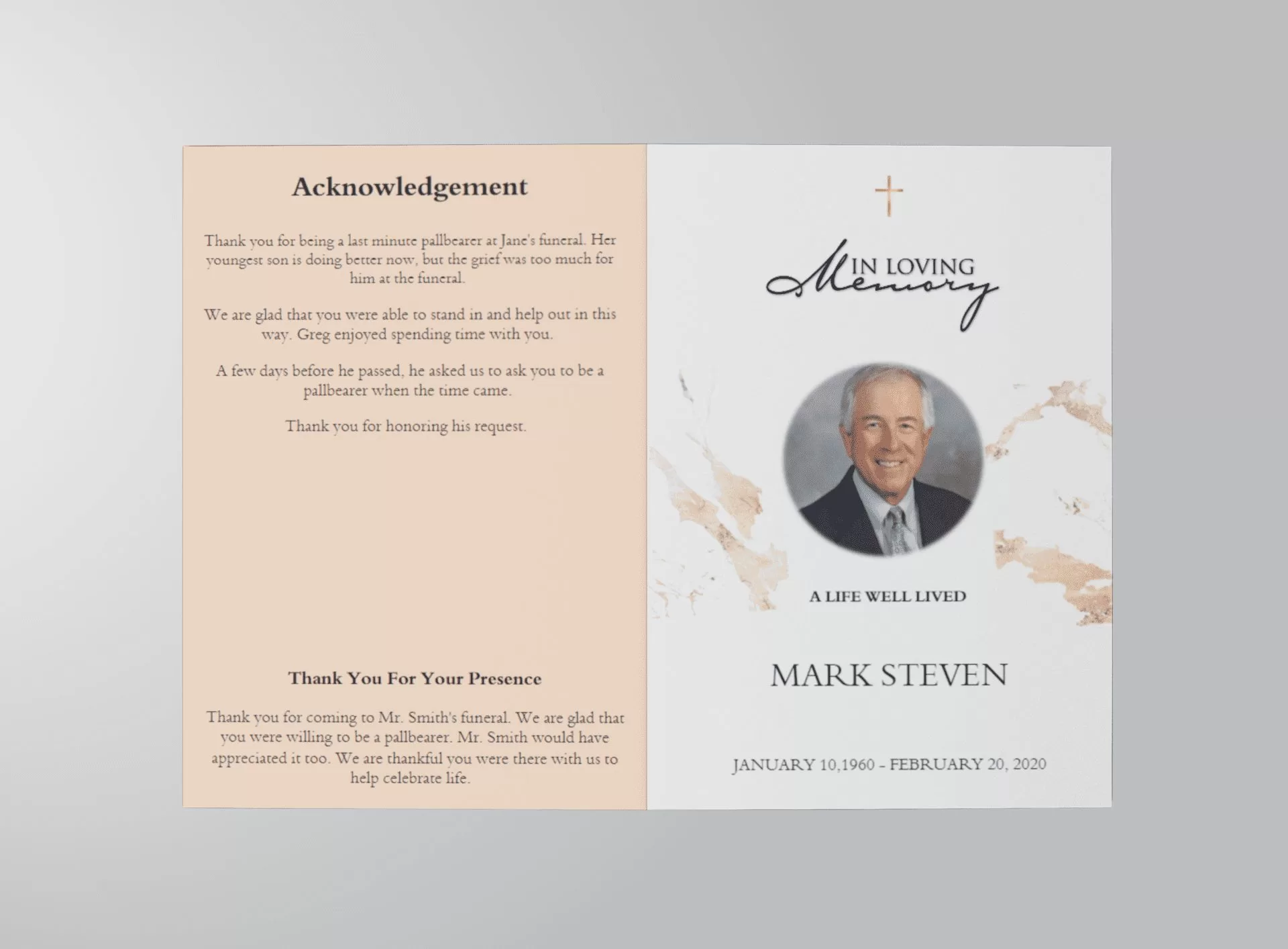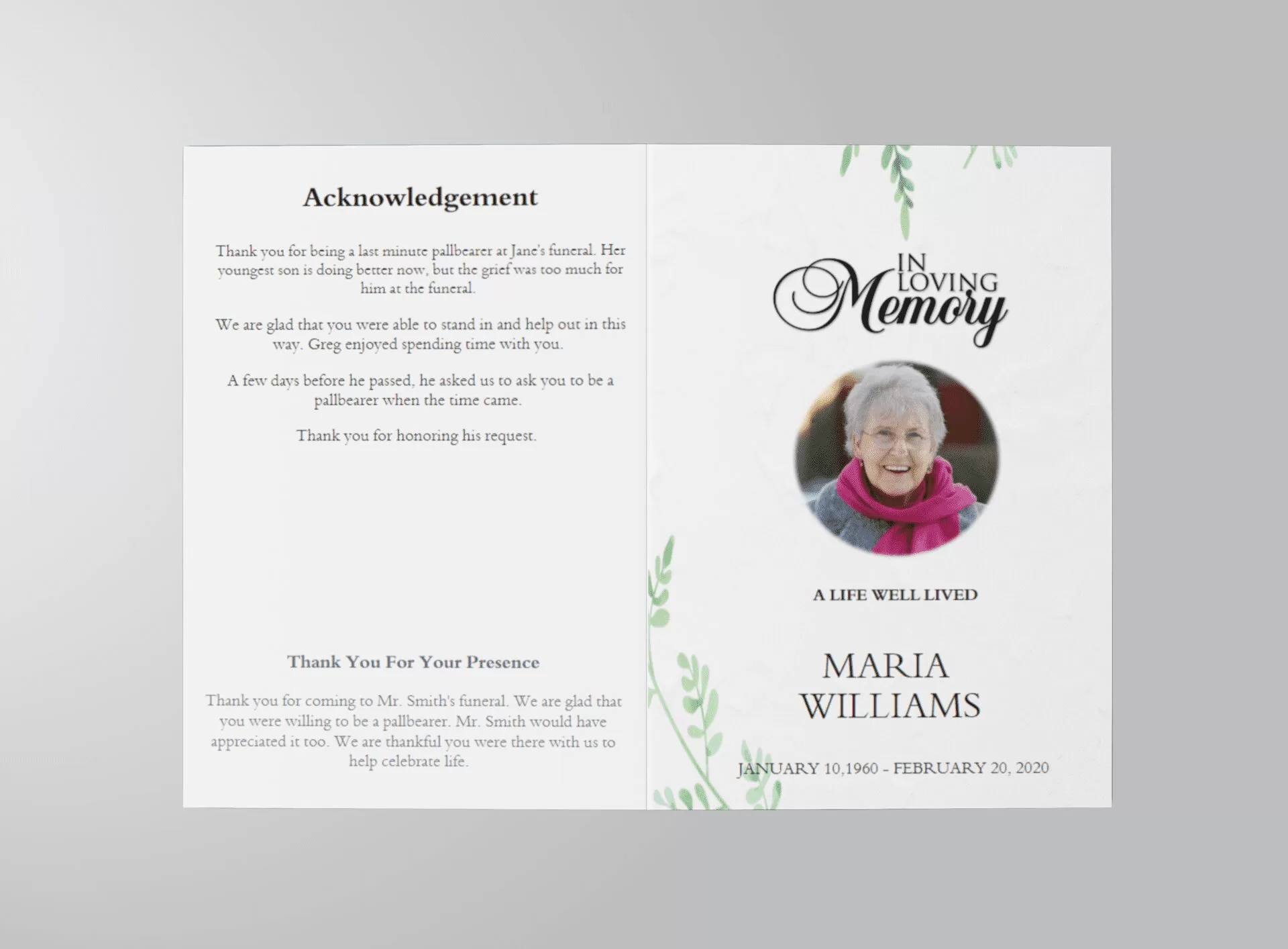
Catholic Funeral Program Example PDF (Free Editable Template)

A Comprehensive Guide to Navigating Funeral Planning

Example of an obituary for a mother template

Understanding Funeral Planning

Experiencing the loss of a loved one is one of the most profound emotional journeys one can face. During such trying times, effective funeral planning becomes crucial. Having a clear understanding of the steps involved can ease the burden on grieving family members and help honor the memory of the deceased.

Key Aspects of Funeral Planning

When approaching funeral planning, consider the following key elements:

  • Choosing the Right Funeral Home: Research local funeral homes and their services. Look for reviews and ask for recommendations from friends or family.
  • Budgeting: Determine a budget that accommodates all necessary expenses, including the service, burial or cremation, and any additional fees.
  • Service Options: Decide whether to have a traditional service, a memorial, or a celebration of life event. Each option can reflect the personality and wishes of the deceased.

Personalizing the Service

Personal touches can make a service more meaningful. Consider incorporating:

  • Music: Select songs that were significant to the deceased or that resonate with attendees.
  • Speeches and Eulogies: Invite family and friends to share stories and memories that celebrate the life of the loved one.
  • Memorial Items: Utilize items such as photographs, videos, or personal belongings that reflect the deceased’s life.

Utilizing Resources

For families looking to navigate the complexities of funeral planning, various resources are available. One such resource is our comprehensive guide to funeral planning, which covers everything from legal requirements to emotional considerations.

Poetry and Remembrance

Incorporating poetry into funeral services can provide comfort and reflection. Explore our collection of heartfelt poems for remembering loved ones that can be read during the service or included in memorial programs.

Support and Grief Resources

Understanding the emotional journey of grief is essential. Our resource on navigating the journey of funeral planning provides insights into coping with loss and finding support through this challenging time.

Final Thoughts on Funeral Planning

While the process of planning a funeral can feel overwhelming, it is an opportunity to celebrate life and bring closure. By utilizing available resources and support, families can honor their loved ones in meaningful ways.
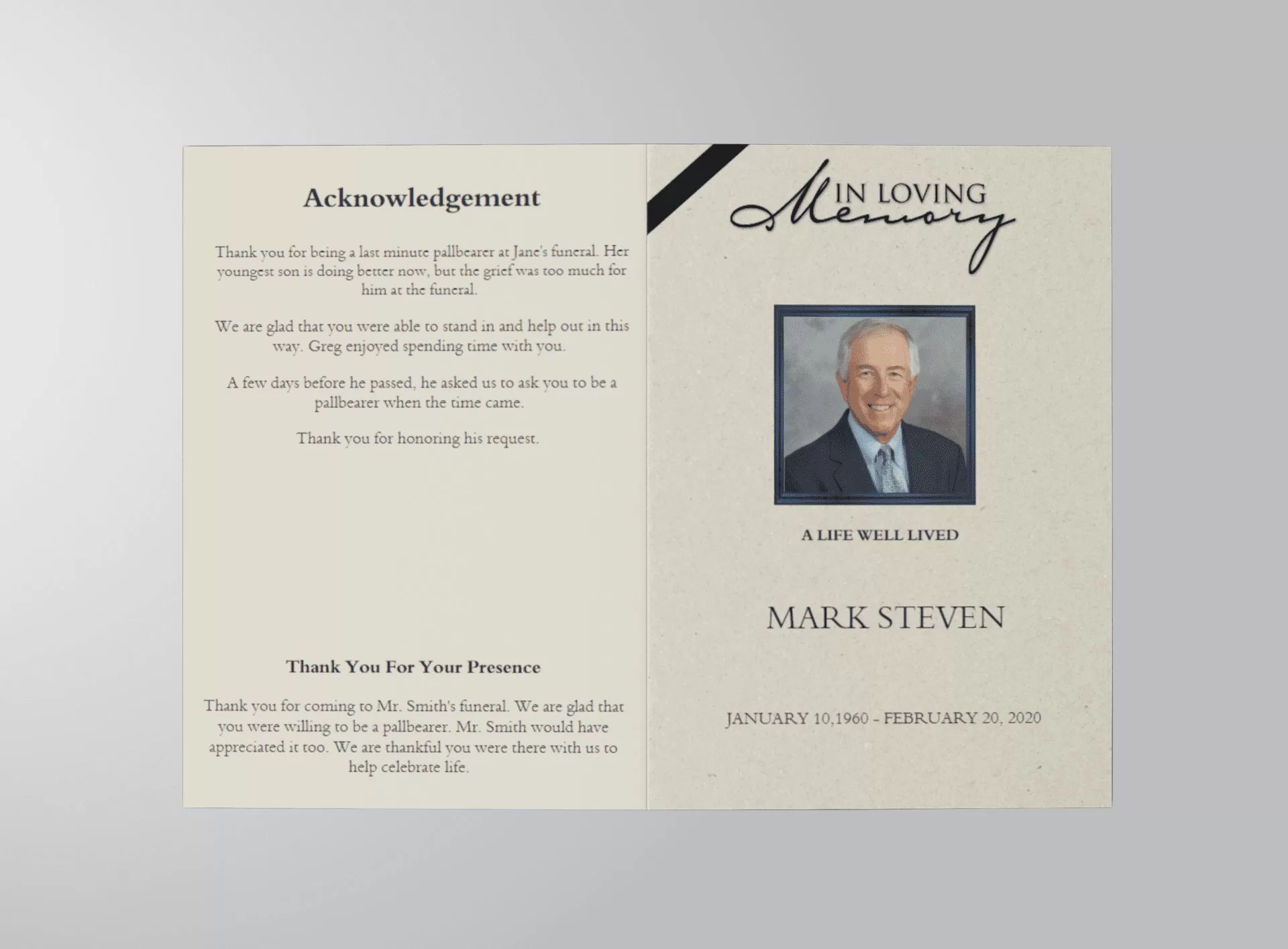

Funeral Program Template Online

A Thoughtful Approach to Funeral Planning

Example of an obituary for a mother

Understanding Funeral Planning

Experiencing the loss of a loved one is one of the most profound emotional journeys one can face. During this time, understanding the intricacies of funeral planning is crucial. Planning a funeral can be a daunting task, but with the right information and support, it can also be an opportunity to honor the life of your loved one.

The Importance of Personal Touches

Adding personal touches to a funeral service can help celebrate the unique life of the deceased. Consider these elements:

  • Personalized Obituaries: Share stories and memories that reflect the person’s character.
  • Favorite Music: Incorporate songs that were meaningful to them.
  • Photo Displays: Create a visual tribute using photographs throughout their life.

Incorporating Meaningful Bible Verses

Many find comfort in scripture during difficult times. Popular Bible verses for funerals can provide solace, offer hope, and help guide the service in a spiritual direction.

Steps to Plan a Funeral

When faced with planning a funeral, consider the following steps:

  1. Choose a Funeral Home: Research and select a funeral home that aligns with your needs.
  2. Determine the Type of Service: Decide if you want a traditional service, memorial service, or a celebration of life.
  3. Select a Casket or Urn: Choose an appropriate casket or urn based on your preferences and budget.
  4. Draft the Obituary: Create an obituary that honors your loved one’s life and includes details about the service.

Organizing the Details

Being organized can alleviate some stress during this emotional time. Using a checklist can help you keep track of:

  • Guest List
  • Venue Arrangements
  • Floral Arrangements
  • Transportation Needs

For a more in-depth guide, you might find our comprehensive guide to funeral planning helpful.

Support for Grieving Families

Grief can be overwhelming. It’s essential to seek support from family, friends, or professionals as you navigate this journey. Understanding the emotional journey of loss can help you process your feelings and find ways to cope.

Educational Resources

To empower yourself, consider reading about the essentials of funeral planning. Our article on understanding the essentials of funeral planning provides valuable insights into what to expect and how to prepare.

Planning a funeral is undeniably challenging, but it is also a significant step towards honoring and celebrating a life well-lived. Engage with the resources available to you, and don’t hesitate to lean on your support network during this time.

Top Free Funeral Program Templates for Every Service Style

Navigating Funeral Planning: Your Comprehensive Guide

Obituary Template

Navigating Funeral Planning: Your Comprehensive Guide

Experiencing the loss of a loved one is a profound emotional journey. During such challenging times, understanding the intricacies of funeral planning can help ease some of the burdens. This guide will provide you with insights and resources to navigate this process with care and dignity.

Understanding the Basics of Funeral Planning

Funeral planning involves several key decisions that reflect the wishes of the deceased and the family. Here are some essential aspects to consider:

  • Type of Service: Decide between a traditional service, memorial service, or a celebration of life.
  • Burial vs. Cremation: Understanding the differences and implications of each option can guide your decision.
  • Location: Choose a venue that holds significance for the family or the deceased.
  • Budgeting: Create a financial plan to manage costs effectively.

Honoring Memories through Obituaries

An obituary is a meaningful way to honor the life of your loved one. It serves as a public announcement and a tribute to their legacy. For those looking for a template to assist in writing an obituary, consider exploring our obituary template for guidance.

Expressing Grief through Poetry

Poetry can be a powerful tool for expressing grief and honoring memories. You might find solace in poems for funerals for mothers or poetry for the death of a father. These literary pieces can provide comfort and assist in articulating feelings that may be difficult to express.

Additional Resources for Funeral Planning

To further assist you in this journey, we have curated a selection of resources:

By utilizing these resources, you can ensure that the planning process is both respectful and reflective of your loved one’s wishes.

Conclusion

In times of loss, it’s essential to remember that you’re not alone. There are numerous resources and support systems available to help you navigate through funeral planning. For further assistance, please explore our diverse collection of articles designed to support you during this time.

Comprehensive Guide to Funeral Planning

Example of an obituary for a mother template

Understanding Funeral Planning

Experiencing the loss of a loved one is one of the most profound emotional journeys one can face. During this time, understanding the nuances of funeral planning can be crucial to ensuring that you honor their memory in the best way possible.

Why Is Funeral Planning Important?

Funeral planning serves several essential purposes:

  • Emotional Support: It helps families cope with grief by providing a structured framework to celebrate the deceased’s life.
  • Financial Considerations: Planning ahead can alleviate financial stress, ensuring that families are not burdened with unexpected costs.
  • Personalization: It allows families to reflect on the wishes of their loved ones, ensuring that the service is a true representation of their life.

Key Steps in Funeral Planning

When navigating the journey of funeral planning, consider the following steps:

  1. Assessing the Needs: Determine what type of service is appropriate and desired.
  2. Choosing a Location: Decide where the funeral will take place, whether it’s at a funeral home or another location.
  3. Selecting the Casket or Urn: Choose a fitting casket or urn that reflects the deceased’s personality.
  4. Planning the Service: Engage friends and family in deciding on readings, music, and speakers.

Resources for Families

To help you further understand the intricacies of funeral planning, we recommend the following resources:

Final Thoughts

While the loss of a loved one is undeniably challenging, taking the time to plan their funeral can create a meaningful experience for everyone involved. Embrace the journey of honoring their memory with compassion and love.

Top Free Funeral Program Templates for Every Service Style

Essential Guide to Funeral Planning for Families

Example of an obituary for a mother

Understanding Funeral Planning: A Comprehensive Overview

Facing the loss of a loved one is one of the most challenging moments in life. During such a time, the process of funeral planning can seem overwhelming. However, understanding the essentials of funeral planning can help ease the burden during this emotional journey.

What is Funeral Planning?

Funeral planning involves organizing the details and arrangements for a funeral service, which can include the following:

  • Choosing a funeral home
  • Selecting burial or cremation options
  • Planning the service details, including location, date, and time
  • Coordinating with family members and friends
  • Preparing necessary documentation

The Importance of Funeral Planning

Planning a funeral is essential for several reasons:

  • Emotional Relief: Having a plan in place can significantly reduce stress during a difficult time.
  • Financial Considerations: Understanding costs helps families avoid unexpected expenses.
  • Personalization: Planning allows for a tribute that reflects the personality and wishes of the deceased.

Navigating the Emotional Journey

The emotional journey of dealing with loss can be profound. For many, seeking guidance can help navigate this challenging time. For additional insights, check out our article on Navigating the Journey of Funeral Planning.

Steps to Plan a Funeral

Here are steps to consider when planning a funeral:

  1. Gather Information: Collect all necessary documents, including the death certificate.
  2. Choose a Funeral Home: Research and select a funeral home that meets your needs.
  3. Decide on Services: Determine whether you prefer a traditional service, a memorial, or a celebration of life.
  4. Coordinate Arrangements: Work with the funeral director to finalize details.

Understanding Funeral Options

There are various funeral options available, including:

  • Traditional Burial: A conventional burial service with a casket and graveside service.
  • Cremation: An alternative to burial, with options for memorial services.
  • Green Funerals: Environmentally friendly options that focus on sustainability.

Resources for Funeral Planning

For a deep dive into the complexities of funeral planning, consider our Comprehensive Guide to Funeral Planning. This resource provides in-depth information on each aspect of the process.

Additional Support

During these times, many families benefit from professional support. Our article on The Importance of Funeral Planning: A Compassionate Approach offers insights on how to emotionally and practically navigate the planning process.

Final Thoughts on Funeral Planning

Funeral planning is not just about logistics; it’s about honoring a loved one and creating a meaningful farewell. By understanding the essentials and having the right resources, families can make informed decisions that reflect their loved one’s wishes.

For more information on the essential elements of funeral planning, please visit our page on Understanding the Essentials of Funeral Planning.

Catholic Funeral Program Example PDF (Free Editable Template)

Navigating the Journey of Funeral Planning

Example of an obituary for a mother template

Understanding the Emotional Journey

The loss of a loved one is a life-altering event that often comes with overwhelming emotions. Grieving is a personal journey, and during this time, one must also navigate the complexities of funeral planning. Here, we provide you with essential insights and resources to help ease this burden.

Key Aspects of Funeral Planning

Funeral planning involves several critical components. Below are some essential elements to consider:

  • Choosing the Right Service: Decide whether you prefer a traditional funeral, memorial service, or a celebration of life.
  • Budgeting: Set a budget early on. Understanding costs can help manage expenses effectively.
  • Location: Select a venue that is meaningful to you and your family. Consider local funeral homes, places of worship, or natural settings.
  • Personalization: Integrate personal touches such as favorite songs, photographs, and memories that reflect the life of your loved one.

Helpful Resources

To assist you in this challenging period, we recommend exploring the following resources:

Emotional Support

It is crucial to seek emotional support while navigating funeral planning. Consider the following options:

  • Family and Friends: Reach out to loved ones who can provide a listening ear and comfort.
  • Support Groups: Local or online support groups can connect you with others who are experiencing similar losses.
  • Professional Help: Don’t hesitate to seek professional counseling if you feel overwhelmed.

Final Thoughts

While the process of planning a funeral can be daunting, remember that you are not alone. Utilize available resources and lean on your support system. Each step taken towards honoring your loved one is a step towards healing.

Top Free Funeral Program Templates for Every Service Style

Understanding Funeral Planning: A Comprehensive Guide

Example of an obituary for a mother

Introduction to Funeral Planning

Experiencing the loss of a loved one is one of the most profound emotional journeys one can face. During this time, the need for proper funeral planning becomes crucial. Understanding the essentials can significantly ease the burden on grieving families.

Key Aspects of Funeral Planning

Planning a funeral involves several important considerations. Here are some key aspects to keep in mind:

  • Choosing the Right Service: Determine whether a traditional funeral, memorial service, or celebration of life is most appropriate.
  • Budgeting: Be clear about your budget and explore options that fit within it. For detailed guidance, check our Comprehensive Guide to Funeral Planning.
  • Funeral Attire: Understanding appropriate attire can be sensitive. Review our guide on Choosing Appropriate and Respectful Outfits for Funerals.
  • Personalization: Consider how to personalize the service to reflect the personality of the deceased.
  • Legal and Administrative Tasks: Be prepared to handle necessary paperwork, including permits and death certificates.

Navigating the Emotional Journey

Funeral planning can evoke a range of emotions, and it’s essential to acknowledge them. Understanding the emotional journey can help families cope better. You can learn more about this in our article on Navigating the Emotional Journey of Funeral Planning.

Common Challenges in Funeral Planning

Several challenges may arise during the planning process:

  • Family Dynamics: Different opinions can lead to conflict; clear communication is key.
  • Decision Fatigue: The number of decisions can be overwhelming; consider delegating tasks to trusted family members or friends.
  • Time Constraints: Funerals often need to be arranged quickly; having a checklist can streamline the process.

Resources for Effective Planning

Utilizing resources can enhance your planning experience. For example, our Navigating the Complexities of Funeral Planning guide offers detailed insights into various planning aspects.

Additionally, understanding the essentials can be beneficial. For a deeper dive, refer to A Guide to Funeral Planning: Understanding the Essentials.

Final Thoughts on Funeral Planning

While planning a funeral can feel daunting, being informed and prepared can bring peace during a tumultuous time. Remember, you’re not alone; many resources are available to assist you.

How to Write a Funeral Program Obituary

Understanding the Essentials of Funeral Planning

Example of an obituary for a mother

Planning a Funeral: A Comprehensive Guide

When faced with the loss of a loved one, the task of planning a funeral can be both emotionally overwhelming and logistically challenging. It is essential to approach this process with compassion and care. Understanding the essentials of funeral planning can help ease some of the burdens.

The Initial Steps

  • Notification and Documentation: Inform family and friends about the passing. Ensure all necessary legal documents are in order.
  • Choosing a Funeral Home: Research local funeral homes. Consider their services, reputation, and costs.
  • Setting a Budget: Budgeting for a funeral is crucial. Determine what you can spend and prioritize essential services.

Understanding Funeral Services

Funeral services can vary widely based on cultural and personal preferences. Explore different types of services, including traditional funerals, memorial services, and more unique celebrations of life. For a deeper dive into the types of services available, you can read our article on navigating funeral planning with compassion.

Creating Funeral Pamphlets

Funeral pamphlets play a significant role in memorial services. They provide attendees with information about the deceased and the funeral program. If you’re curious about how to create meaningful pamphlets, check out our guide on understanding funeral pamphlets and their importance.

Emotional Considerations

Funeral planning is not just about logistics; it also involves addressing the emotional needs of family members. Grief can manifest in many ways, and understanding these emotional dynamics can help families support one another. For insights on coping with grief during this time, refer to our post on navigating the emotional terrain of funeral planning.

Incorporating Personal Touches

Adding personal touches to a funeral can make it more meaningful. Consider the following options:

  • Personalized tributes, such as speeches or video montages.
  • Favorite music or readings of the deceased’s favorite poems.
  • Unique themes that reflect the personality and life of the loved one.

For more ideas on how to create a personalized experience, explore our article on the importance of thoughtful funeral planning.

Final Thoughts on Funeral Planning

While the process can seem daunting, being informed and prepared can significantly alleviate some of the stress. Remember to lean on family and friends during this time; support is crucial. Additionally, consider reaching out to professionals who specialize in navigating the journey of funeral planning for guidance.

Sample Obituary Templates

The Importance of Funeral Planning: A Compassionate Approach

Example of an obituary for a mother

Understanding the Emotional Journey of Funeral Planning

Experiencing the loss of a loved one is one of life’s most challenging moments. The emotional toll can be overwhelming, making the process of funeral planning even more daunting. It’s essential to approach this journey with both compassion and care.

Why Funeral Planning Matters

Planning a funeral allows families to celebrate the life of their loved ones while also providing a necessary structure during a time of grief. Here are several reasons why taking the time to plan a funeral is beneficial:

  • Emotional Closure: A well-planned funeral service can help family and friends find closure.
  • Personalization: Funeral planning provides an opportunity to personalize the service, reflecting the deceased’s life and legacy.
  • Financial Preparedness: Understanding costs associated with funerals can alleviate financial burdens later.
  • Family Support: Involving family members can foster unity and support during difficult times.

Key Steps in Funeral Planning

When beginning the process, consider the following steps to ensure a smooth journey:

  1. Communicate with Family: Discuss preferences and wishes with family members to ensure everyone is on the same page.
  2. Research Options: Explore different types of services, including traditional funerals, memorial services, and alternative options.
  3. Choose a Funeral Home: Selecting a compassionate funeral home is crucial as they will guide you through the process.
  4. Consider Funeral Pamphlets: Creating funeral pamphlets can help attendees follow the service and remember the deceased.

Understanding Funeral Pamphlets

Funeral pamphlets, also known as memorial programs, serve as informative booklets for attendees. They typically include:

  • Obituary of the deceased
  • Order of service
  • Photos and memories
  • Special messages from family

For more details on creating these pamphlets, check out our comprehensive guide on Understanding Funeral Pamphlets.

Embracing Compassion in Funeral Planning

Every family’s needs are unique. It’s important to navigate the complexities of funeral planning with compassion and care. Here are some ways to incorporate empathy into the process:

  • Listen to the wishes of the deceased and their family.
  • Be open about discussing costs and options.
  • Provide emotional support to those involved in the planning.

Resources for Families

For families navigating this journey, we offer various resources to assist in the planning process. Our Essential Guide to Funeral Planning provides helpful insights on how to make informed decisions during this challenging time.

Additionally, engaging with our article on Navigating the Journey of Funeral Planning can shed light on the emotional aspects and practical considerations involved.

Catholic Funeral Program Example PDF (Free Editable Template)

Understanding Funeral Planning: A Comprehensive Guide

Example of an obituary template

Understanding Funeral Planning

Experiencing the loss of a loved one is a profoundly emotional journey. During such challenging times, navigating the complexities of funeral planning can feel overwhelming. Yet, this process is crucial for honoring your loved one’s life and ensuring that their farewell is as meaningful as possible. In this guide, we will explore essential aspects of funeral planning and offer resources to assist you along the way.

The Importance of Funeral Planning

Funeral planning serves several key purposes:

  • Provides Closure: A funeral allows family and friends to say their goodbyes, helping them find closure.
  • Honors the Deceased: It’s an opportunity to celebrate the life and legacy of the person who has passed.
  • Offers Support: Gathering loved ones can provide emotional support during a difficult time.
  • Ensures Wishes are Honored: Planning allows you to ensure that the deceased’s final wishes are respected.

Steps to Navigate the Funeral Planning Process

When it comes to funeral planning, there are numerous steps to consider. Here are some of the most important:

  1. Gather Information: Collect necessary documents and information about the deceased, including identification and any pre-arrangements.
  2. Choose a Funeral Home: Research and select a reputable funeral home that aligns with your values and budget.
  3. Discuss Options: Meet with the funeral director to discuss available options, including types of services, burial or cremation, and additional memorialization opportunities.
  4. Budget Planning: Determine a budget and consider available financial resources, which may include insurance or savings.
  5. Create a Service Plan: Plan the details of the service, including speakers, music, and any special rituals or readings.

Resources for Support

During this challenging time, it’s essential to seek support. Consider utilizing resources such as:

Conclusion

While we won’t conclude here, remember that planning a funeral is a deeply personal journey. Each decision made can reflect the unique life of your loved one and provide a space for healing and remembrance.

Back to Top
Product has been added to your cart
Compare (0)