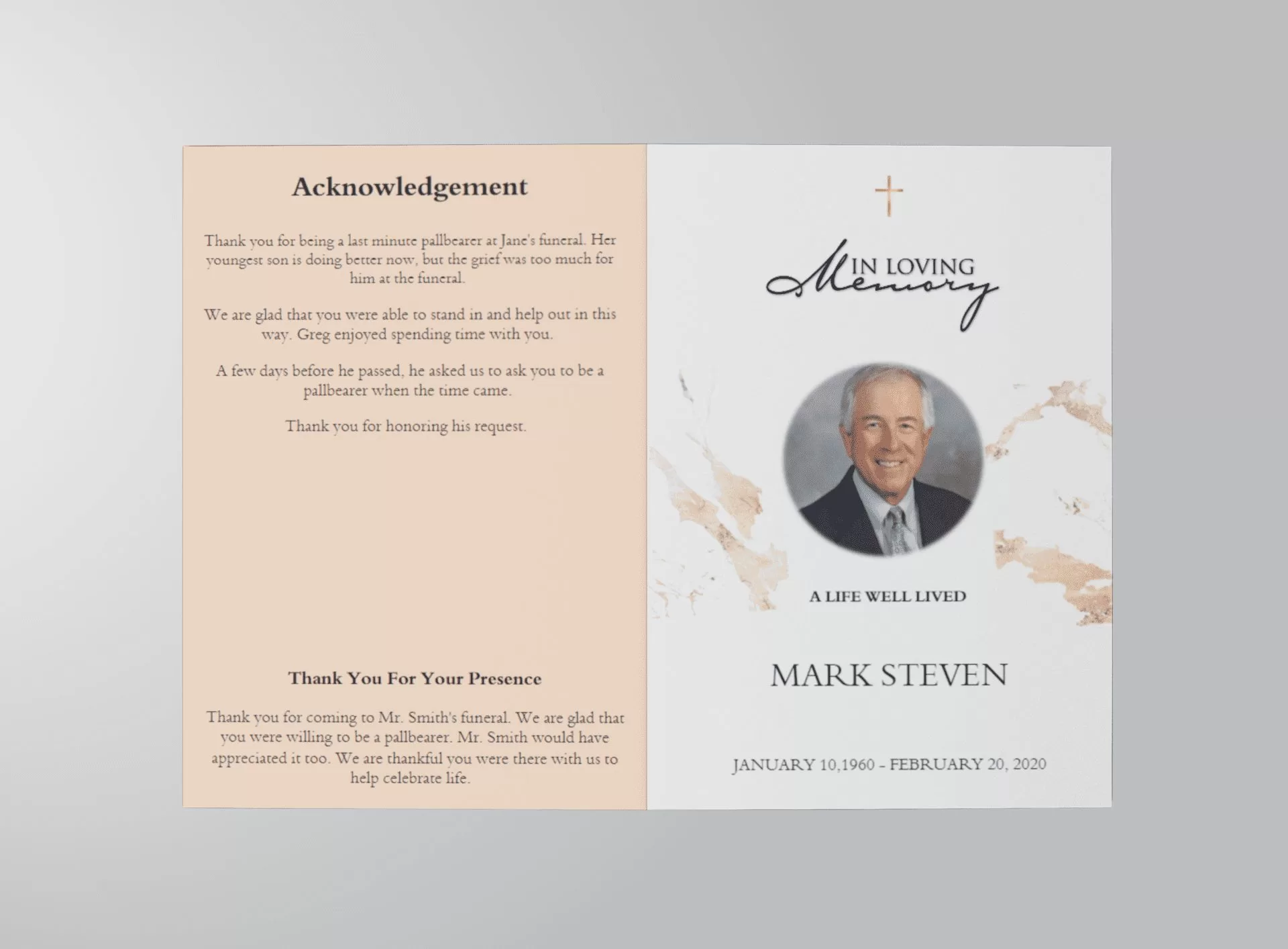
How to Write a Funeral Program Obituary

Essential Guide to Funeral Planning: What You Need to Know

Example obituary for a mother

Understanding Funeral Planning

Experiencing the loss of a loved one is one of the most profound emotional journeys one can face. During this challenging time, effective planning is crucial to ensure that the wishes of the deceased are honored and that family members receive the support they need. This guide will cover the essential aspects of funeral planning, providing you with the knowledge necessary to navigate this difficult process.

The Importance of Funeral Planning

Funeral planning helps alleviate the emotional burden during a time of grief. It ensures that all necessary arrangements are made ahead of time. Here are some key reasons why planning is vital:

  • Respecting Wishes: Many individuals leave behind instructions regarding their funeral preferences.
  • Reducing Stress: Pre-planning can significantly lessen the decision-making pressure on surviving family members.
  • Financial Considerations: Planning ahead can help manage costs and prevent overspending.

Essential Elements of Funeral Planning

When planning a funeral, consider the following elements:

  1. Choosing a Funeral Home: Research local funeral homes and read reviews. It’s important to find a provider that aligns with your needs and values.
  2. Deciding on the Type of Service: Options may include traditional services, memorial services, or even celebratory events.
  3. Preparing the Obituary: Crafting a meaningful obituary is an important part of honoring the deceased. For assistance, check out our obituary template.
  4. Arranging Transportation: Make arrangements for transporting the body, as well as providing transportation for family and guests.

Resources for Funeral Planning

For those new to the process, several resources can assist in making informed decisions:

Dressing for a Funeral Viewing

Attending a funeral viewing is an important moment to honor the departed and support their family. Choosing the right attire is crucial. For more information on appropriate clothing, read our guide to dressing for a funeral viewing.

Emotional Support During Planning

Funeral planning can be an emotional experience. It’s essential to seek support from friends, family, or professionals who can provide guidance and comfort. Consider joining a support group or consulting a counselor to help navigate your feelings during this time.
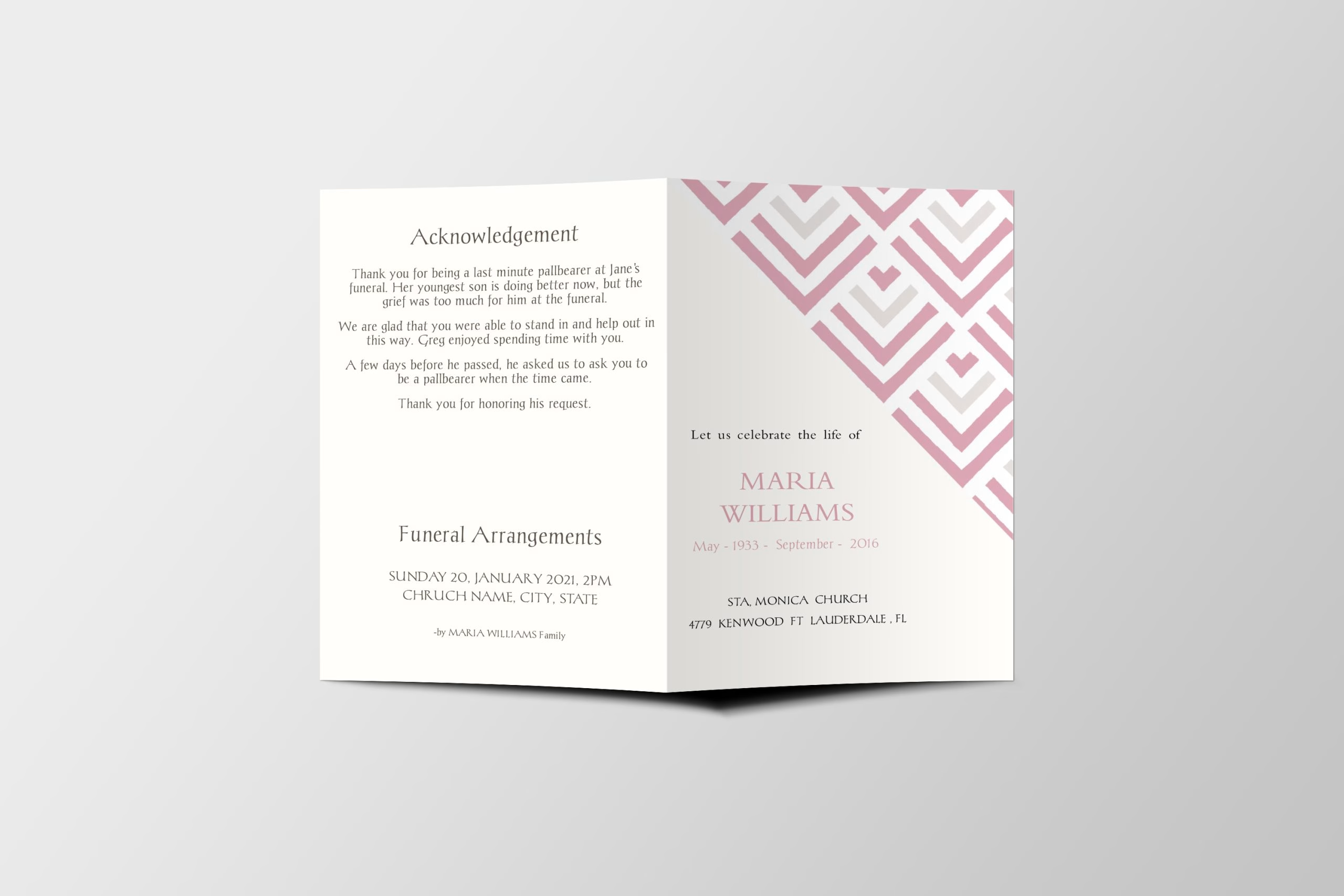
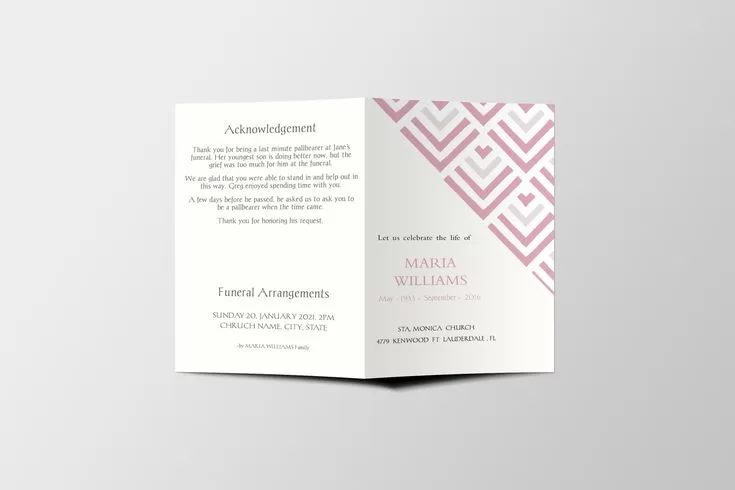
Navigating the Essentials of Funeral Planning

Example of an obituary for a mother

Understanding the Funeral Planning Process

Experiencing the loss of a loved one can be one of the most challenging times in life. During such emotional periods, the need for a well-structured funeral planning process becomes apparent. Proper planning not only honors the deceased but also alleviates stress for the family. Here’s a closer look at the essentials of funeral planning.

The Importance of Funeral Planning

Funeral planning is crucial for several reasons:

  • Emotional Relief: Planning ahead can ease the emotional burden on family members during a difficult time.
  • Personalization: It allows families to create a personalized service that reflects the life and values of their loved one.
  • Financial Control: Understanding costs and planning for them can prevent financial strain.

Steps to Consider in Funeral Planning

When navigating the complexities of funeral planning, it helps to follow a structured approach. Here are some key steps:

  1. Gather Information: Collect essential documents like the deceased’s will, insurance policies, and any pre-arrangement records.
  2. Choose a Funeral Home: Research local funeral homes and read reviews. Consider their services and pricing.
  3. Decide on the Type of Service: Funerals can vary significantly, from traditional ceremonies to more personalized celebrations of life.
  4. Plan Logistics: This includes selecting a burial or cremation, arranging transportation, and considering memorial items.
  5. Communicate with Family: Involve family members in decisions, ensuring everyone feels respected and heard.

Resources for Funeral Planning

For a more comprehensive understanding of funeral planning, consider exploring the following resources:

Common Questions About Funeral Planning

Families often have many questions about the funeral planning process. Here are some commonly asked questions:

  • What is the average cost of a funeral? Funeral costs can vary widely based on location and services chosen. It’s advisable to request itemized estimates from several funeral homes.
  • Can I pre-plan my own funeral? Yes, many people choose to pre-plan their funerals to ensure their wishes are honored and to relieve their families of decision-making burdens.
  • What should I include in an obituary? An obituary typically includes the deceased’s name, age, date of birth and death, and details about the funeral service.

For more information on creating obituaries, you can check our obituary template, which provides a helpful outline to follow.

Funeral planning is a deeply personal journey, and having the right resources can make all the difference. Whether you are looking for emotional support or practical advice, remember that you’re not alone in this process.

How to Write a Funeral Program Obituary

Navigating the Essentials of Funeral Planning

Example of an obituary for a mother

Navigating the Essentials of Funeral Planning

When faced with the loss of a loved one, the emotional weight can be overwhelming. One of the most significant responsibilities during this time is planning a funeral. Understanding the intricacies of funeral planning can help ease some of this burden. Here’s a comprehensive guide to navigate through the process.

Understanding the Funeral Planning Process

Funeral planning involves several key components, including:

  • Choosing a Funeral Home: Research local funeral homes and read reviews to find one that aligns with your family’s needs.
  • Deciding on Burial or Cremation: Consider the wishes of the deceased and your family’s traditions when making this decision.
  • Arranging the Service: From selecting speakers to choosing music, every detail matters.
  • Managing Costs: Be aware of the potential expenses involved and budget accordingly.

For a more in-depth look at these aspects, check out our article on Understanding Funeral Planning: A Complete Guide.

Emotional Aspects of Funeral Planning

Planning a funeral is not just about logistics; it’s also about navigating the emotional landscape. Consider the following:

  • Grieving Process: Allow yourself and your family time to grieve while planning.
  • Support Systems: Lean on friends and family for emotional support.
  • Seek Professional Help: Don’t hesitate to reach out to grief counselors or support groups.

To understand more about the emotional aspects of this journey, visit our article on Navigating the Emotional Landscape of Funeral Planning.

Essential Insights on Funeral Planning

Having a solid understanding of funeral planning can make the process smoother. Here are some essential insights:

  • Prepare a checklist of tasks to ensure nothing is overlooked.
  • Communicate openly with family members about their wishes and expectations.
  • Consider creating a pre-planned funeral, which can relieve some of the decision-making burden in the future.

For more details, refer to our comprehensive guide on Essential Insights on Funeral Planning.

Understanding the Importance of Funeral Planning

Funeral planning is more than just an obligation; it’s a significant way to honor the deceased. It allows family and friends to come together to celebrate life and share memories. Here are some reasons why it’s essential:

  • Provides closure and a sense of peace for the grieving family.
  • Allows for a personalized tribute that reflects the personality and values of the deceased.
  • Can help reduce financial stress by making decisions in advance.

To learn more about planning with compassion, check our article on Understanding Funeral Planning: A Compassionate Approach.

Conclusion

Planning a funeral is undoubtedly a challenging task, but with the right knowledge and resources, it can also be a meaningful experience. Equip yourself with understanding and compassion as you navigate this journey.

sample obituary examples

Understanding Funeral Planning: A Complete Guide

Example of an obituary template

The Importance of Funeral Planning

When faced with the loss of a loved one, the emotional strain can be overwhelming. Proper funeral planning not only honors the deceased but also provides a supportive framework for the grieving family. Understanding the various aspects of funeral planning is essential to navigate this challenging time.

Key Components of Funeral Planning

  • Choosing the Right Services: Selecting the appropriate services is crucial. This includes deciding between burial or cremation, and whether to hold a traditional service or a memorial event.
  • Budget Considerations: Understanding the costs associated with funerals is vital. Familiarizing yourself with potential expenses can help in making informed choices.
  • Memorial Pamphlets: Creating a memorial pamphlet is a thoughtful way to honor your loved one. Our comprehensive guide to memorial pamphlets can assist you in crafting a meaningful keepsake for attendees.

Navigating the Emotional Landscape

Experiencing loss is a profound journey. It’s important to recognize the emotional complexities involved in funeral planning. Engaging in discussions about your feelings can be beneficial. Our resource on navigating the emotional landscape of funeral planning provides insights that can help families cope during this time.

Essential Insights for Planning

Understanding the intricacies of funeral arrangements can ease some of the burdens. Here are some essential insights:

  1. Involve family members in the planning process to ensure everyone’s wishes are respected.
  2. Seek guidance from professionals who specialize in funeral services.
  3. Consider pre-planning options that can alleviate stresses in the future.

Compassionate Approaches

During these difficult moments, a compassionate approach to funeral planning can make a significant difference. It’s important to prioritize emotional well-being and ensure that the planning process respects the wishes of the deceased and their family.

Resources for Further Understanding

For more comprehensive information, consider exploring our resource on navigating the complexities of funeral planning. This guide offers detailed insights into the various decisions you may face.

In summary, understanding funeral planning is about more than logistics; it’s about honoring a life and providing solace for those left behind. Utilize available resources and take the time to reflect on what would best honor your loved one.

funeral program template

Understanding Funeral Planning: A Comprehensive Guide

Example of an obituary for a mother

Understanding the Funeral Planning Process

When faced with the loss of a loved one, the emotional weight can feel overwhelming. Planning a funeral is one of the most significant tasks families must undertake during such a challenging time. Fortunately, there are resources and strategies available to help guide you through this process with compassion and care.

The Importance of Thoughtful Funeral Planning

Thoughtful planning can provide a sense of calm amidst the chaos. Families who take the time to plan often find that they can honor their loved one’s life more meaningfully. To learn more about the emotional journey of planning a funeral, check out our article on the importance of thoughtful funeral planning.

Essential Guide to Funeral Planning

Understanding the essentials of funeral planning is crucial. This includes decisions about the type of service, burial or cremation, and other logistical considerations. For a comprehensive guide on these aspects, visit our essential guide to funeral planning.

Navigating Funeral Planning with Compassion

During this difficult time, it’s vital to navigate the planning process with compassion. Families often face unexpected challenges. Our resource on navigating funeral planning with compassion offers insights into managing these challenges while ensuring that the needs of your family are prioritized.

Creating Meaningful Memorial Pamphlets

One way to honor the memory of your loved one is by creating memorial pamphlets. These serve as cherished keepsakes for those attending the service. For tips on how to make these pamphlets meaningful, read our post on creating meaningful memorial pamphlets for funerals.

Understanding the Essentials of Funeral Planning

It’s important to grasp the essentials of funeral planning, including the various components involved. Our article on understanding the essentials of funeral planning can provide you with a foundational overview to help you make informed decisions.

Emotional Support During Planning

Emotional support is crucial when you are planning a funeral. Surrounding yourself with friends and family can provide comfort and strength. Don’t hesitate to seek assistance from professionals who specialize in grief counseling or funeral planning.

Conclusion

While we have provided an overview of the funeral planning process, remember that every situation is unique. Take your time, gather support, and ensure that you’re making choices that reflect your loved one’s wishes and your family’s values.

sample obituary examples

Navigating the Complexities of Funeral Planning

Example of an obituary for a mother template

Understanding Funeral Planning

Experiencing the loss of a loved one is one of the most profound emotional journeys one can face. During such challenging times, understanding funeral planning becomes essential. It encompasses a range of considerations, from choosing the right service to managing logistics and honoring the departed.

Why Funeral Planning Matters

Funeral planning is not merely about organizing a service; it’s about creating a meaningful tribute. Here are some key reasons why it is important:

  • Emotional Closure: A well-planned funeral can provide emotional closure to the bereaved.
  • Honoring Memories: It serves as a final tribute that honors the life and legacy of the deceased.
  • Financial Considerations: Planning ahead can help manage costs and prevent financial stress later on.
  • Family Unity: Involving family members in planning can foster unity and shared remembrance.

Steps to Effective Funeral Planning

When it comes to planning a funeral, consider the following steps:

  1. Discuss with Family: Open discussions with family members about preferences and wishes are crucial.
  2. Choose a Service Type: Decide whether to opt for a traditional service, cremation, or a unique ceremony.
  3. Budget Planning: Establish a budget early on to guide your decisions and keep costs manageable.
  4. Select a Funeral Home: Research and choose a funeral home that aligns with your values and needs.
  5. Plan the Details: From the location to the type of service, every detail matters. Consider including personal touches that reflect your loved one’s personality.

Emotional Considerations

Funeral planning is laden with emotions. It is essential to navigate these feelings thoughtfully. Resources such as navigating the emotional landscape of funeral planning can provide guidance on coping with grief while making decisions.

Resources for Funeral Planning

At QuickFuneral, we offer various resources to assist you:

Conclusion

While we won’t provide a conclusion, it’s crucial to remember that every decision made during this time should reflect love and respect for the departed. By understanding the various facets of funeral planning, you can create a meaningful tribute that honors your loved one’s life.

How to Write a Funeral Program Obituary

Navigating the Emotional Landscape of Funeral Planning

Obituary Example

Understanding the Importance of Funeral Planning

Experiencing the loss of a loved one is undoubtedly one of the most profound emotional journeys one can face. During such challenging times, having a clear understanding of funeral planning can ease the burden. It’s not just about the logistics; it’s about honoring the life of someone special while navigating through grief.

The Key Components of Funeral Planning

  • Choosing the Right Service: Selecting a service that aligns with the wishes of the deceased and the family is crucial. Consider options like traditional burials or cremations.
  • Setting a Budget: Understanding the costs involved can help in making informed decisions. Various options are available to accommodate different financial situations.
  • Personalization: Funerals are an opportunity to celebrate life. Incorporating personal elements such as favorite songs, memories, or photographs can make the service more memorable.

Essential Insights on Funeral Planning

As you navigate through this emotional time, it’s important to gather all necessary information. For comprehensive insights, read our article on Essential Insights on Funeral Planning. This resource provides a deeper understanding of what to expect and how to prepare.

Steps to Take When Planning a Funeral

  1. Notify Family and Friends: Informing close family and friends ensures everyone is on the same page regarding plans and support.
  2. Select a Funeral Home: Researching local options is vital. Look for a funeral home that aligns with your needs and values.
  3. Finalize Arrangements: Work with your chosen funeral home to finalize details such as date, time, and location of the service.

A Comprehensive Guide to Funeral Planning

For those looking for a structured approach to this process, our Comprehensive Guide to Navigating Funeral Planning offers detailed steps and considerations to help you through every aspect of planning.

Understanding Grief and Support

It’s essential to acknowledge that grief affects everyone differently. Seeking support from friends, family, or professional counselors can help navigate through this tough period. Our article on A Thoughtful Approach to Funeral Planning discusses the emotional aspects of planning and how to cope with grief.

Final Touches and Personalization

Don’t forget to add personal touches that reflect the personality and interests of your loved one. This can include:

  • Favorite photos
  • Memorial displays
  • Customized programs or booklets

For more ideas on personalization, visit our page on Navigating Funeral Planning.

By taking the time to plan thoughtfully, you can create a meaningful farewell that honors your loved one while supporting yourself and your family through the grieving process.

Understanding Funeral Planning: A Compassionate Approach

Example of an obituary for a mother template

What is Funeral Planning?

Experiencing the loss of a loved one is profoundly emotional. During this challenging time, understanding funeral planning becomes essential. It involves making decisions that honor the deceased while providing comfort to the grieving family.

Why is Funeral Planning Important?

Funeral planning not only helps in organizing the logistics of a memorial service but also serves to:

  • Provide closure to family and friends
  • Celebrate the life of the deceased
  • Ensure that the wishes of the deceased are respected

Essential Aspects of Funeral Planning

When embarking on the journey of funeral planning, consider the following key elements:

  1. Choosing the Funeral Home: Begin by selecting a reputable funeral home that meets your needs.
  2. Deciding on the Type of Service: Whether it’s a traditional funeral, memorial service, or celebration of life, the type of service sets the tone for the event.
  3. Attire for the Service: Understanding how to dress for a memorial service can help attendees pay their respects appropriately.
  4. Planning the Details: This includes selecting music, speakers, and any special readings that reflect the deceased’s personality and wishes.

Emotional Considerations

Funeral planning can be overwhelming due to the emotional burden. Here are some tips to navigate these complexities:

  • Take your time to make decisions; there’s no rush.
  • Involve family members to share the burden and gather different perspectives.
  • Seek professional help if needed, such as from a funeral planner or grief counselor.

Understanding Costs and Budgeting

Funeral expenses can vary widely. It’s crucial to understand the costs involved and to budget accordingly:

  • Basic Services Fee: This is a standard fee charged by funeral homes.
  • Casket or Urn Costs: Choose based on your budget and preferences.
  • Transportation Costs: Includes the transport of the deceased and attendees.

Resources for Funeral Planning

For further assistance, consider these resources:

Final Thoughts

Planning a funeral is not just about logistics; it’s about honoring a life and supporting one another through grief. By understanding the intricacies of funeral planning, you can create a meaningful experience for everyone involved.

funeral program template

Essential Insights on Funeral Planning

Example of an obituary for a mother template

Understanding the Importance of Funeral Planning

Experiencing the loss of a loved one is one of the most profound emotional journeys one can face. During such challenging times, understanding the essentials of funeral planning becomes crucial. Proper planning not only honors the deceased but also provides comfort to family members during their time of grief.

Key Elements of Funeral Planning

  • Choosing a Funeral Home: Selecting a reputable funeral home is an essential first step. Research local options and read reviews to find a facility that suits your needs.
  • Budgeting: Funeral costs can add up quickly. It’s important to outline a budget that covers all necessary expenses.
  • Service Options: Consider whether you want a traditional funeral service, a memorial service, or a celebration of life gathering.
  • Cultural and Religious Considerations: Ensure that the arrangements respect the cultural and religious beliefs of the deceased.

Gathering Essential Documents

Before planning the service, gather all necessary documents, including:

  • Death certificate
  • Will or trust documents
  • Insurance policies

Having these documents ready can streamline the planning process and alleviate additional stress during a tough time.

Comforting Resources

During moments of grief, many people find solace in scripture. Comforting Bible verses can help provide peace and understanding when faced with loss. These verses can be shared during the service or used in personal reflections.

Planning for the Future

It’s also wise to consider pre-planning your own funeral arrangements. This can relieve the burden on your loved ones and ensure your wishes are respected. For a comprehensive overview, refer to our navigating funeral planning guide, which offers detailed insights into this process.

Emotional Support During Planning

Funeral planning can be an emotional task. It’s beneficial to lean on friends or family for support. Additionally, consider professional counseling or support groups to help navigate your feelings during this time.

Creating a Meaningful Obituary

Writing an obituary is a significant way to honor the deceased. It’s an opportunity to share their life story, achievements, and the impact they had on others. For a helpful format, check out our obituary template designed to assist you in this process.

Final Thoughts on Funeral Planning

Throughout this challenging time, understanding the intricacies of funeral planning is essential. For more guidance, our thoughtful approach to funeral planning offers practical tips and considerations.

Sample Obituary Templates

Understanding the Essentials of Funeral Planning

Example of an obituary

Introduction to Funeral Planning

Experiencing the loss of a loved one is an emotional journey that requires careful planning and consideration. At QuickFuneral LLC, we aim to provide you with all the resources you need during this challenging time. This guide will help you navigate the essential aspects of funeral planning, ensuring that you can focus on honoring your loved one’s memory.

Key Steps in Funeral Planning

When it comes to organizing a funeral, there are several key steps to consider:

  • Choose a Funeral Home: Selecting a reputable funeral home is the first step. They can assist you with various arrangements, including transportation and service details.
  • Decide on Service Type: You may choose between a traditional funeral service, a memorial service, or a celebration of life. Each option has its unique features and can be personalized.
  • Prepare Necessary Legal Documents: It’s essential to ensure all necessary legal documents, such as death certificates and permits, are in order.
  • Plan the Details: From selecting caskets to flower arrangements, planning the details can be overwhelming. Consider involving family members to share the responsibilities.

Helpful Resources

At QuickFuneral, we provide a variety of resources to aid you through the planning process:

Understanding Grief

It’s crucial to acknowledge that grief is a personal experience that varies from person to person. Understanding that your feelings are valid can help you navigate this difficult time. Resources like our Navigating the Journey of Funeral Planning can provide you with insights on how to cope with your emotions while planning the funeral.

Final Thoughts on Funeral Planning

While planning a funeral can be a daunting task, knowing that you have the support and resources available can lighten the burden. Remember, it’s okay to seek help and lean on others during this time. Each step you take is a step toward honoring the life and legacy of your loved one.

Back to Top
Product has been added to your cart
Compare (0)