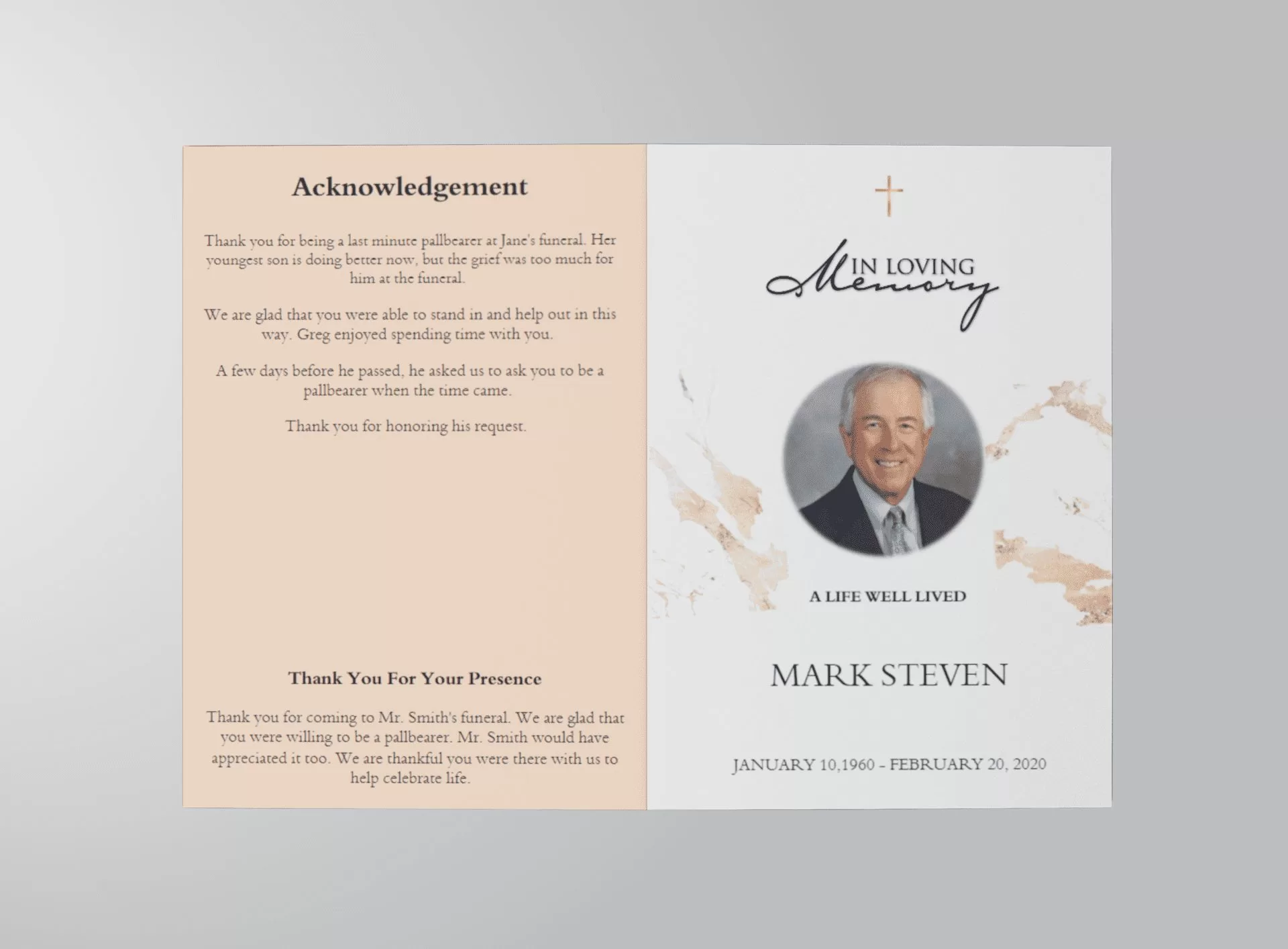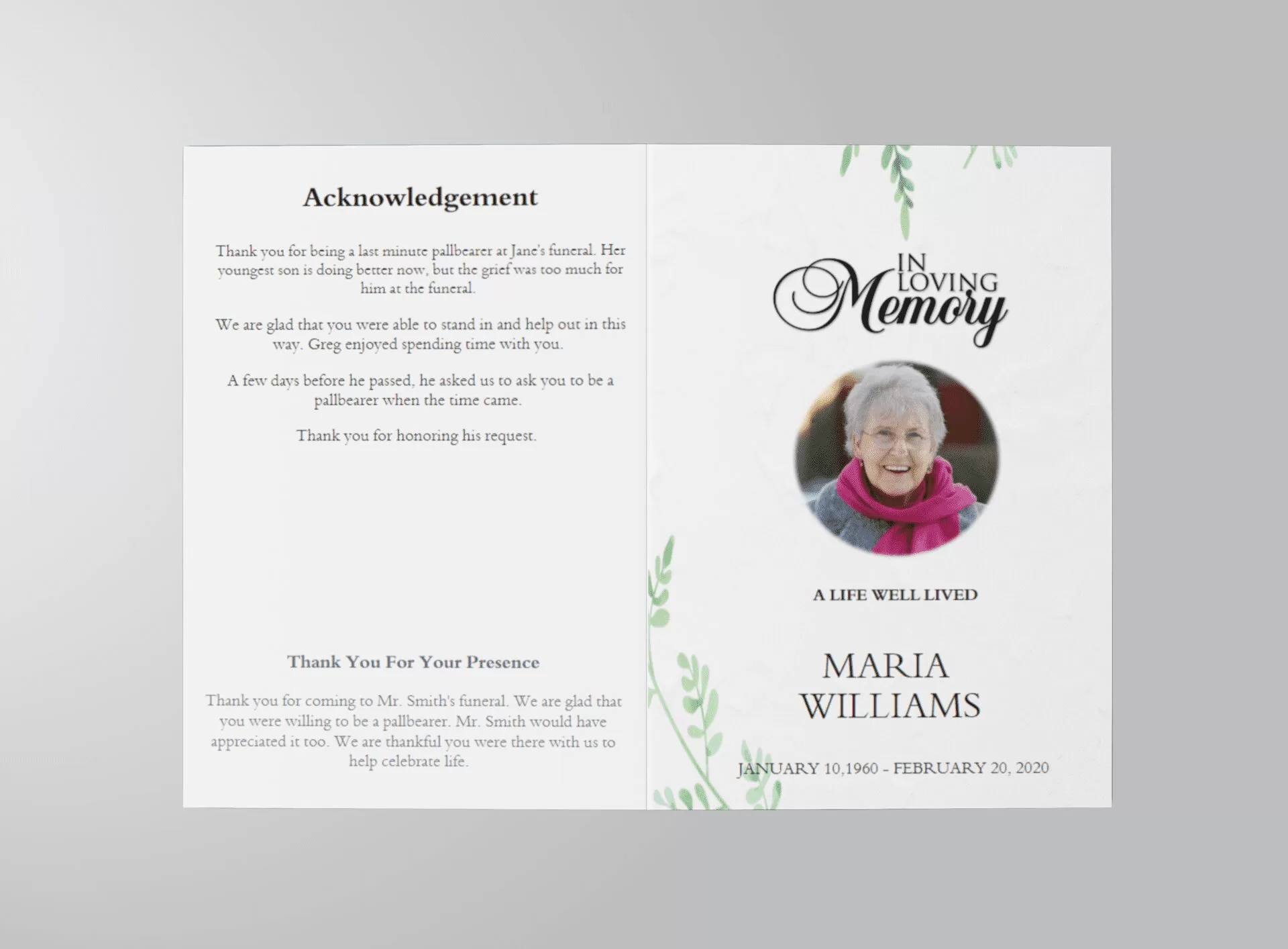
Catholic Funeral Program Example PDF (Free Editable Template)

Navigating Funeral Planning: A Comprehensive Guide

Example of an obituary template

Understanding Funeral Planning

Planning a funeral is one of the most emotional tasks that families face during a difficult time. It requires a delicate balance of honoring the deceased while managing the logistics involved. This comprehensive guide aims to provide you with essential insights into navigating the complexities of funeral planning.

Key Elements of Funeral Planning

  • Choosing the Right Service: There are various types of funeral services, including traditional burials, cremations, and memorial services. Each option has its own considerations and costs.
  • Understanding Costs: Funerals can be expensive, and it’s crucial to have a clear understanding of the costs involved. Explore our resource on navigating the essentials of funeral planning to learn more.
  • Legal Requirements: Ensure you are aware of any legal requirements for funerals in your area, including permits and death certificates.
  • Personal Touches: Incorporating personal elements, such as music, readings, or mementos, can make the service more meaningful.

Finding Comfort in Verses

When words fail to express the depth of your sorrow, comforting verses can provide solace. Discover comforting verses for funerals and memorials that can help articulate your emotions during this difficult time.

Resources for Funeral Planning

To streamline your planning process, consider utilizing various resources that can guide you. These include:

Planning for the Unforeseen

While planning a funeral can be overwhelming, having a plan in place can ease some of the burdens during a challenging time. It’s vital to discuss your wishes with family members to ensure everyone is on the same page.

Consider pre-planning arrangements, which can alleviate stress for your loved ones when the time comes. This includes making decisions about your preferred type of service, burial or cremation, and any specific wishes you may have.

Conclusion

By taking the time to understand the various aspects of funeral planning, you can ensure a respectful and meaningful tribute to your loved one. Remember, you are not alone in this journey; there are resources and professionals available to assist you every step of the way.
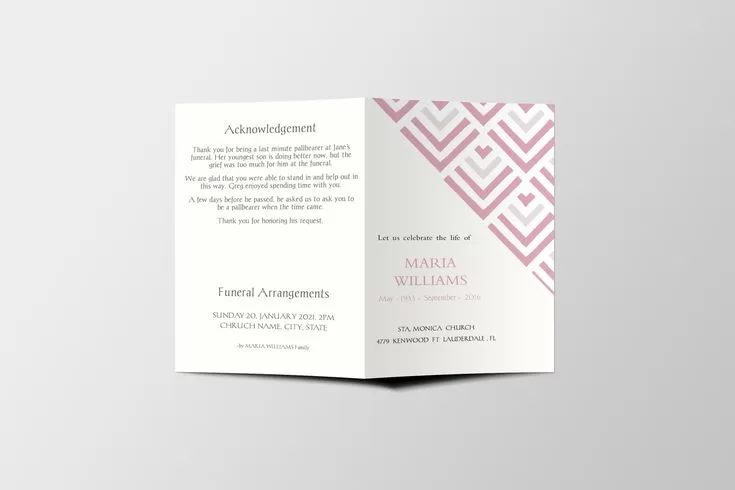
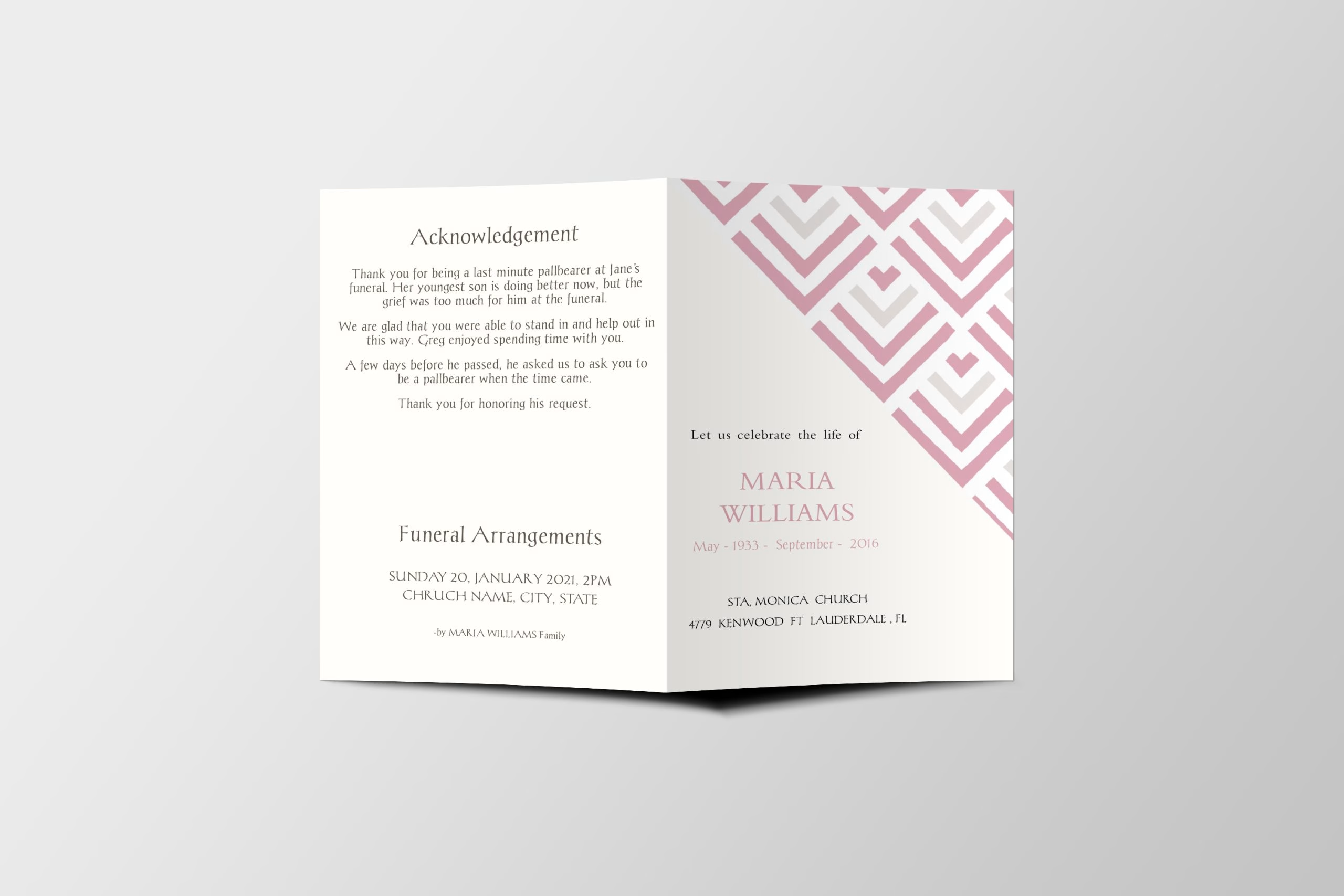
Navigating the Essentials of Funeral Planning

Example of an obituary for a mother

Understanding Funeral Planning

Planning a funeral is one of the most challenging tasks families face during a difficult time. It requires not only emotional strength but also practical organization. At QuickFuneral.com, we recognize the importance of thoughtful funeral planning.

The Importance of Thoughtful Planning

Thoughtful funeral planning can help ease the burden during a time of loss. Here are some key aspects to consider:

  • Understanding the Process: Familiarize yourself with the steps involved in planning a funeral.
  • Budgeting: Determine a budget that aligns with family needs.
  • Choosing a Service: Decide on the type of service that best honors your loved one.

Creating a Meaningful Tribute

One of the most personal aspects of funeral planning is designing a tribute that reflects the deceased’s life. Consider incorporating a picture display to celebrate their journey. For tips on creating an impactful display, check out our article on Creating a Meaningful Picture Display for Funeral Services.

Navigating Complexities

Funeral planning can seem overwhelming, especially when navigating through grief. It’s essential to have resources that guide you through the process. Our comprehensive guide to Understanding Funeral Planning details every step, ensuring that you feel supported and informed.

Essential Elements of Planning

When planning a funeral, keep these essentials in mind:

  • Location: Choose a venue that holds significance for the family.
  • Service Type: Decide between burial, cremation, or alternative services.
  • Personal Touches: Include elements that reflect the deceased’s personality, such as favorite music or readings.

Supporting One Another

During this difficult time, it’s crucial to lean on family and friends for support. Share your thoughts and feelings with one another and consider professional services if needed. Our article on Navigating the Complexities of Funeral Planning provides insights into managing the emotional and logistical challenges involved.

Final Thoughts on Planning

As you embark on this journey, remember that you are not alone. Planning a funeral is a shared experience, and resources are available to help guide you through. For a thorough exploration of the essentials, visit our article on Understanding the Essentials of Funeral Planning.

funeral program template

Navigating the Journey of Funeral Planning

Obituary Template

Understanding the Importance of Funeral Planning

Planning a funeral is a significant and often overwhelming task, especially during a time of loss. As families gather to honor a loved one, the process can be daunting. However, with thoughtful preparation, it can also be a meaningful tribute to the person’s life.

Key Aspects of Funeral Planning

  • Choosing the Right Services: Consider options such as traditional burials, cremation, or memorial services. Each choice has its own set of considerations and implications.
  • Location and Venue: Selecting a venue that resonates with the deceased’s personality can make a significant difference. Whether it’s a church, chapel, or outdoor space, the right setting can enhance the experience.
  • Budgeting: Understanding the costs involved is crucial. For a detailed overview, refer to our comprehensive guide on funeral planning.

Essential Resources for Funeral Planning

Families often find themselves in need of resources that can assist in making informed decisions. Helpful tools can include checklists, timelines, and guides. For instance, our article on navigating funeral planning offers essential tips and resources to guide you through the process.

Heartfelt Personalization

Personalizing the funeral service can help to reflect the unique life of the deceased. This can be done through:

  • Memorial Speeches: Encourage family and friends to share memories and stories.
  • Photographs and Videos: Create a slideshow of cherished moments.
  • Special Readings: Selecting meaningful texts or poems can provide comfort. Explore our collection of heartfelt Bible quotes for funeral programs to enhance the service.

Legal and Administrative Considerations

Don’t forget the legal aspects of funeral planning. This includes obtaining necessary permits and managing the deceased’s estate. For a deeper understanding, our article on navigating the complexities of funeral planning can be a valuable resource.

Support for Grieving Families

Finally, it’s important to remember that support is available. Many organizations offer grief counseling and support groups that can help families cope during this challenging time. Additionally, our piece on the importance of thoughtful funeral planning emphasizes the emotional aspects of the process.

By approaching funeral planning with compassion and understanding, families can create a respectful and meaningful farewell that honors their loved one’s legacy.

sample obituary examples

Understanding Funeral Planning: A Comprehensive Guide

Obituary Example

Understanding Funeral Planning: A Comprehensive Guide

Planning a funeral can often feel overwhelming, especially during a time of loss. It’s a journey that requires both emotional strength and organizational skills. However, with the right guidance, you can navigate this process more easily. Below, we’ll explore essential aspects of funeral planning, including helpful tips and resources.

The Importance of Thoughtful Funeral Planning

Thoughtful funeral planning is crucial for honoring your loved one’s memory while providing comfort to family and friends. It involves several key steps:

  • Choosing the Type of Service: Decide whether you want a traditional service, a memorial, or a celebration of life.
  • Budget Considerations: Establishing a budget early on can help guide your decisions.
  • Location: Determine where the service will take place, whether at a funeral home, church, or another venue.

To learn more about the significance of planning ahead, check out our article on The Importance of Thoughtful Funeral Planning.

Navigating the Complexities of Funeral Planning

Funeral planning often includes various decisions that can be challenging to face. Factors to consider include:

  • Cremation vs. Burial: Understanding the pros and cons of each option is essential.
  • Legal Requirements: Familiarize yourself with any legal obligations or paperwork needed.
  • Personal Touches: Incorporate elements that reflect the deceased’s personality and life.

For an in-depth look at navigating these complexities, please read our guide on Navigating the Complexities of Funeral Planning.

Essential Tips and Resources

Having access to reliable resources can make a significant difference in your planning process. Here are some essential tips:

  • Consult with Professionals: Engaging a funeral director can provide invaluable support.
  • Pre-Planning Options: Consider discussing pre-planning options with family members.
  • Support Networks: Don’t hesitate to lean on friends and family during this time.

For a comprehensive overview of resources available to families, visit our page on Essential Tips and Resources.

Understanding Funeral Planning for Families

Funeral planning can be a family affair. Discussing preferences and wishes openly can help ease the decision-making process. Consider the following:

  • Involve Family Members: Encourage family discussions to ensure everyone’s wishes are respected.
  • Document Preferences: Keep a record of important decisions to guide future arrangements.
  • Emotional Support: Seek counseling or support groups if needed.

For more insights, our article on Essential Insights on Funeral Planning for Families can be very helpful.

Make Meaningful Arrangements

Ultimately, meaningful arrangements can create a lasting tribute to your loved one. Pay attention to details, consider personal touches, and involve family members in the planning process. We also invite you to explore our Essential Guide to Funeral Planning for additional guidance.

Catholic Funeral Program Example PDF (Free Editable Template)

Navigating the Complexities of Funeral Planning

Example of an obituary for a mother template

Navigating the Complexities of Funeral Planning

Planning a funeral can be an overwhelming experience, especially when faced with the loss of a loved one. With emotions running high, it’s crucial to approach this task with careful thought and organization. In this guide, we will explore essential insights and tips to help families through this challenging time.

Understanding Funeral Planning

Funeral planning is not just about logistics; it’s also about honoring the memory of the deceased. Here are some key aspects to consider:

  • Emotional Support: Engage family members and friends to share the emotional burden.
  • Budgeting: Set a realistic budget that reflects your wishes and financial capabilities.
  • Personalization: Consider how to personalize the service to reflect the deceased’s life and values.
  • Legal Considerations: Ensure all legal documents are in order, such as wills and burial permits.

Essential Resources for Funeral Planning

Utilizing available resources can significantly ease the planning process. For instance, our article on Essential Guide to Funeral Planning provides comprehensive information to assist families in making meaningful arrangements.

Tips for Thoughtful Funeral Planning

Below are some practical tips to navigate through the planning process:

  1. Start Early: Begin planning as soon as possible to avoid last-minute stress.
  2. Consult Professionals: Don’t hesitate to seek help from funeral directors who can guide you through the process.
  3. Plan for the Unexpected: Be prepared for any unforeseen circumstances that may arise.
  4. Communicate Openly: Keep lines of communication open among family members to ensure everyone’s wishes are considered.

Exploring Different Funeral Options

Funeral services can vary widely, and understanding these options is vital. For more information, check out our post on Navigating Funeral Planning: Essential Tips and Resources, which covers various types of services and how to choose the right one for your needs.

The Importance of Thoughtful Funeral Planning

As highlighted in our article The Importance of Thoughtful Funeral Planning, taking the time to plan a thoughtful service can provide comfort and closure to family members and friends. It ensures that the deceased is honored in a way that reflects their unique life.

Conclusion

While we won’t include a formal conclusion, it’s essential to remember that each step taken in planning a funeral is a step towards healing and remembrance. Use the resources available to you, and don’t hesitate to reach out for help during this difficult time.

fall card

The Importance of Thoughtful Funeral Planning

Obituary Example

Understanding Funeral Planning

Planning a funeral is one of the most challenging tasks families face during a difficult time. It requires not only emotional strength but also careful consideration and organization. At QuickFuneral LLC, we aim to support families by providing essential information to navigate this process with compassion.

Key Considerations in Funeral Planning

  • Budgeting: Determine a budget that reflects your family’s needs and preferences. Understanding costs can help guide your decisions.
  • Choosing a Location: Decide where the service will be held. This could be a funeral home, a church, or another meaningful venue.
  • Personalization: Consider how to honor your loved one’s life through personalized elements such as music, readings, and memorabilia.
  • Legal Requirements: Familiarize yourself with the necessary legal documents and permits involved in the process.

Helpful Resources

For detailed insights on planning a funeral, you may find it useful to refer to our Essential Guide to Funeral Planning. This resource outlines the steps to make meaningful arrangements while ensuring that your loved one’s wishes are honored.

Funeral Programs

Funeral programs serve as a tangible memory of a loved one’s life. They typically include a timeline of the service, personal stories, and cherished memories. For a closer look at how to create a meaningful program, check out our Sample of a Funeral Program to Honor Your Loved One. This guide provides examples and templates to help you craft a beautiful tribute.

Planning for Different Needs

Every family has unique needs and preferences. Understanding these requirements is crucial for creating a service that truly reflects the deceased’s personality. For families looking for comprehensive strategies, our article on Navigating Funeral Planning offers essential tips and resources to ease the decision-making process.

Emotional Support

It’s important to remember that planning a funeral is not merely a logistical task but also an emotional journey. Families often come together to celebrate the life of a loved one, and this can be a healing process. Our Understanding the Essentials of Funeral Planning article delves into how families can support each other during this challenging time.

Final Thoughts

While the task of planning a funeral can feel overwhelming, with the right resources and support, it can also be a meaningful way to honor your loved one’s legacy. For further insights, explore our Essential Insights on Funeral Planning for Families to guide you through this sensitive process.

Sample Obituary Templates

Understanding the Essentials of Funeral Planning

Example of an obituary for a mother template

The Importance of Thoughtful Funeral Planning

Planning a funeral is an emotional journey that requires compassion, understanding, and organization. Families often come together to celebrate the life of a loved one, and this process can be both meaningful and healing. At QuickFuneral.com, we provide essential resources to assist you during this challenging time.

Steps to Consider in Funeral Planning

  • Choosing a Funeral Home: Research local providers and read reviews to ensure you find a compassionate team.
  • Deciding on Service Type: Consider whether you want a traditional service, a memorial, or a celebration of life.
  • Budgeting: Create a budget that includes all necessary expenses, ensuring you’re informed about costs.
  • Personal Touches: Incorporate elements that reflect the personality of your loved one, such as favorite music or photos.

Memory Boards: A Beautiful Tribute

One meaningful way to celebrate a loved one’s life is through memory boards. These boards allow family and friends to share cherished memories and experiences. They can be displayed during the service, creating a visual tribute that honors the deceased. Here are some tips for creating heartfelt memory boards:

  1. Gather photos, letters, and mementos that represent their life.
  2. Organize items chronologically or thematically for better storytelling.
  3. Encourage guests to add their own memories or notes on the board.

Essential Resources for Funeral Planning

Understanding funeral planning can be overwhelming. To guide you through this process, we recommend exploring our comprehensive resources:

Final Thoughts

While the process of planning a funeral can be daunting, remember that you are not alone. Many families have walked this path, and resources are available to help you navigate through it. By taking the time to plan thoughtfully, you can create a service that honors your loved one’s memory, providing comfort to all who attend.

How to Write a Funeral Program Obituary

Navigating Funeral Planning: Essential Tips and Resources

Example of an obituary for a mother template

Understanding Funeral Planning

Planning a funeral is an emotional journey that requires careful thought and organization. It’s a time when families come together to celebrate the life of a loved one while also managing the logistics of the funeral process. This guide aims to provide essential insights and resources to make funeral planning a little easier.

Key Steps in Funeral Planning

  1. Choosing a Funeral Home: Selecting a reputable funeral home is crucial. Look for one that aligns with your family’s values and budget. For in-depth guidance, check out our comprehensive guide.
  2. Understanding Costs: Funeral costs can vary significantly. It’s important to discuss pricing and what services are included with your chosen funeral home. Our article on essential insights on funeral planning can help you navigate these discussions.
  3. Deciding on the Type of Service: Will it be a burial or cremation? A traditional service or a celebration of life? Each choice carries different implications and should be discussed with family members.
  4. Personalizing the Service: This is an opportunity to celebrate the unique life of your loved one. Consider incorporating personal touches such as favorite music, photographs, or a video tribute.

Important Considerations

  • Legal Requirements: Be aware of the legal documents required for the deceased. This may include death certificates and permits.
  • Emotional Support: Funeral planning can be overwhelming, and it’s important to lean on family and friends for support. Don’t hesitate to seek professional help if needed.
  • Pre-Planning Options: If you are planning for yourself, explore pre-planning options to ease the burden on your family. Our comprehensive guide covers this topic extensively.

Resources for Families

There are numerous resources available to assist families during the planning process:

  • Funeral Planning Checklists: These can help you stay organized and ensure you don’t overlook important details.
  • Online Obituary Templates: Crafting an obituary can be challenging. Visit our obituary template page for guidance.
  • Support Groups: Many communities offer support groups for those dealing with loss, providing a space to share experiences and find comfort.
  • Grief Counseling: Professional counseling can help individuals and families cope with their loss effectively.

Final Thoughts

While planning a funeral can be daunting, having the right resources and support can make a significant difference. For more insights, explore our essential guide to funeral planning to help you make meaningful arrangements.

fall card

Essential Insights on Funeral Planning for Families

Example of an obituary for a mother

Understanding the Importance of Funeral Planning

Planning a funeral is an emotional journey that requires careful thought and organization. It’s a time when families come together to honor the memory of their loved ones. Here are some essential aspects to consider when navigating this process:

Key Considerations

  • Emotional Readiness: Recognize the emotional challenges involved and ensure you have support.
  • Budgeting: Understand the financial implications and plan accordingly.
  • Personalization: Think about how you want to celebrate the life of your loved one.

Comprehensive Resources for Funeral Planning

For families facing the daunting task of funeral planning, having the right information is crucial. Our Navigating Funeral Planning: A Comprehensive Guide offers detailed insights into the steps you need to take.

Steps to Take

  1. Gather Information: Start by collecting necessary documents and preferences.
  2. Choose a Funeral Service Provider: Research local providers and compare services.
  3. Make Arrangements: Discuss options with family and finalize details.

Understanding Essentials of Funeral Planning

It’s essential to grasp the basics of funeral planning. From selecting burial or cremation to deciding on memorial services, each choice impacts the overall experience. Here’s a quick checklist of what to consider:

  • Type of service: Traditional, memorial, or direct burial?
  • Location: Where will you hold the service?
  • Guest list: Who do you want to invite?

Navigating the Complexities of Funeral Planning

Understanding the complexities of funeral planning can ease the burden on families. Each step can feel overwhelming, but breaking it down makes it manageable. Here are additional resources that can help:

  1. Consult with funeral directors to gain insight and assistance.
  2. Consider pre-planning options to alleviate future stress.
  3. Engage in discussions with family members to honor everyone’s wishes.

In moments of grief, having a structured approach to funeral planning can foster connection, remembrance, and healing. Utilize the resources available to ensure the process is as smooth as possible for you and your family.

Sample Obituary Templates

Essential Guide to Funeral Planning: Making Meaningful Arrangements

Obituary Template

Understanding the Importance of Funeral Planning

Planning a funeral is an emotional journey that requires careful thought and organization. It’s a time when families come together to celebrate the life of their loved ones while coping with significant loss. In this guide, we will walk you through the essential elements of funeral planning to help you navigate this complex process.

Key Elements of Funeral Planning

When planning a funeral, there are several important aspects to consider:

  • Choosing a Service Type: Decide whether you want a traditional funeral, a memorial service, or a direct cremation.
  • Creating a Budget: Understand the costs involved and create a financial plan to cover the expenses.
  • Selecting a Funeral Home: Research local funeral homes and read reviews to find one that meets your needs.
  • Preparing Legal Documents: Ensure you have the necessary paperwork, including death certificates and permits.

Funeral Service Order Templates

Using a funeral service order template can help streamline the planning process. These templates guide you through the structure of the service, including readings, music selections, and eulogies.

Emotional Support During Planning

It’s important to remember that planning a funeral can take an emotional toll. Seeking support from family, friends, or a counselor can be beneficial. Additionally, consider joining support groups that focus on grief and loss.

Navigating the Complexities of Funeral Planning

Funeral planning can often feel overwhelming. For a more detailed approach, refer to our guide on navigating the complexities of funeral planning. This resource covers everything from choosing a burial plot to handling floral arrangements.

Understanding the Essentials

Before diving into the planning, it’s crucial to understand the essentials of funeral planning. Our article on understanding the essentials provides a comprehensive overview of what you need to know, including cultural traditions and legal requirements.

Final Thoughts on Funeral Planning

While the process may seem daunting, having a clear plan can help ease the burden during difficult times. By utilizing available resources and templates, you can create a meaningful farewell that honors your loved one’s life.

Back to Top
Product has been added to your cart
Compare (0)