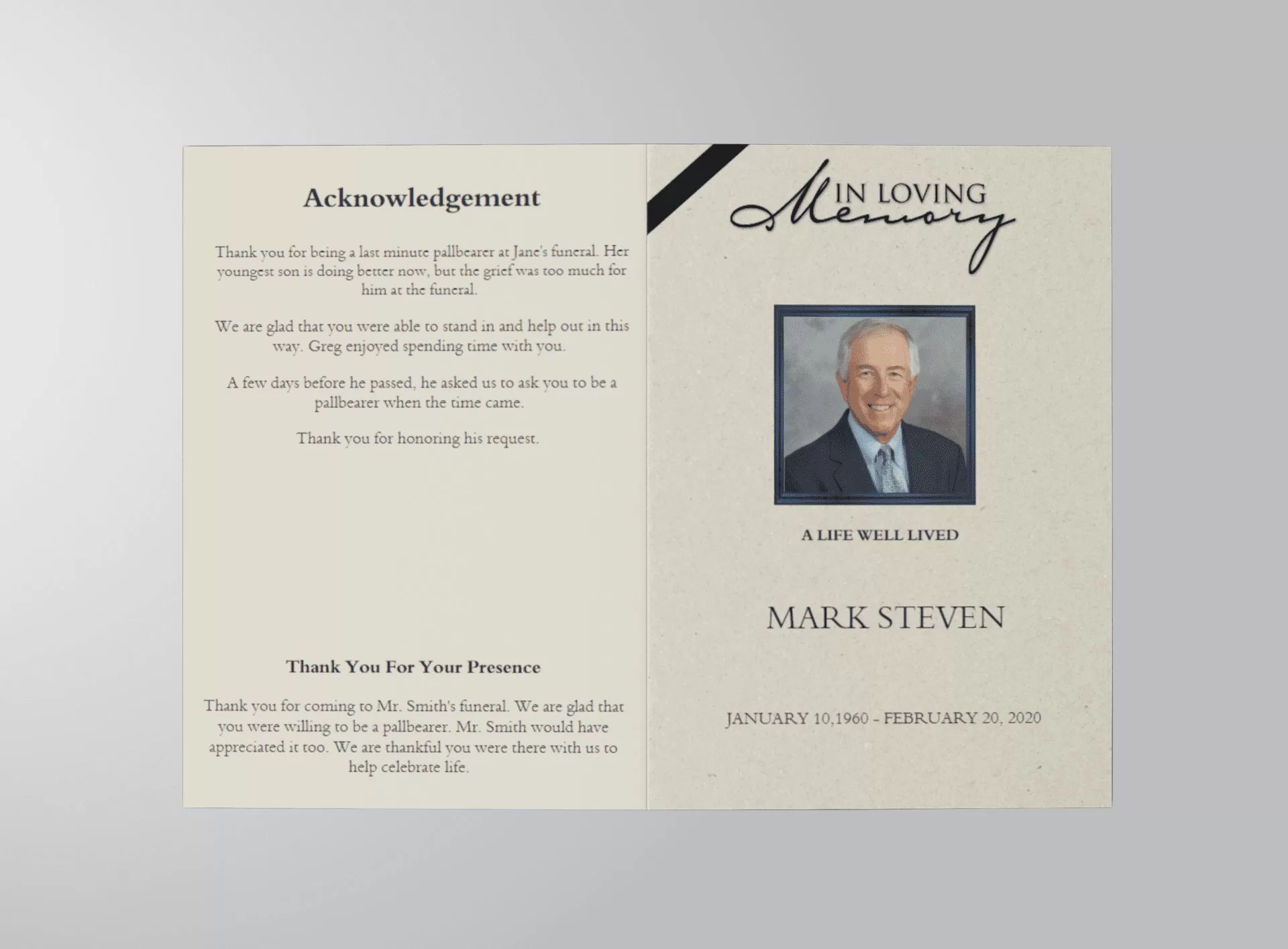
Funeral Program Template Online

Comprehensive Guide to Funeral Planning

Example of an obituary for a mother template

Understanding the Essentials of Funeral Planning

Funeral planning can be a challenging journey for families facing the loss of a loved one. It is essential to approach this process with care and compassion, ensuring that every detail reflects the deceased’s wishes and honors their memory. This guide aims to provide helpful insights and resources to navigate the complexities of funeral planning.

The Importance of Funeral Planning

Planning a funeral is not just about logistics; it is a profound opportunity to celebrate a life and provide closure for family and friends. A well-organized funeral can help ease the emotional burden during a difficult time. For a deeper look at this topic, consider exploring our article on Navigating the Complexities of Funeral Planning.

Key Steps in the Funeral Planning Process

  • Choosing a Funeral Home: Select a reputable funeral home that aligns with your family’s needs and budget.
  • Deciding on Burial or Cremation: Determine the final disposition of the body, which can significantly influence the planning process.
  • Planning the Service: Consider the type of service that best honors the deceased, whether traditional or personalized.
  • Creating an Obituary: Writing an obituary is a meaningful way to share the life story of the deceased. For a helpful template, check out our obituary template.
  • Coordinating Logistics: Ensure that all details such as transportation, flowers, and catering are arranged smoothly.

Seeking Support During Difficult Times

It’s important to acknowledge that the process can be overwhelming. Seeking support from family, friends, or professionals can make a significant difference. For resources on receiving heartfelt support, read our article on Navigating Funeral Planning with Heartfelt Support.

Understanding Costs Associated with Funerals

Funeral costs can vary widely based on several factors, including location and type of service. It’s vital to have a clear understanding of what to expect financially. For a comprehensive overview, refer to our guide on Essential Guide to Funeral Planning and Support.

Resources for Further Assistance

As you embark on this journey, consider utilizing various resources available for funeral planning. Our Essential Insights for Navigating Funeral Planning provides valuable tips and insights to help you through this process.

In summary, funeral planning is a vital part of honoring a loved one. By taking the time to understand the process and seeking support, you can create a meaningful farewell that reflects the life and values of the deceased.
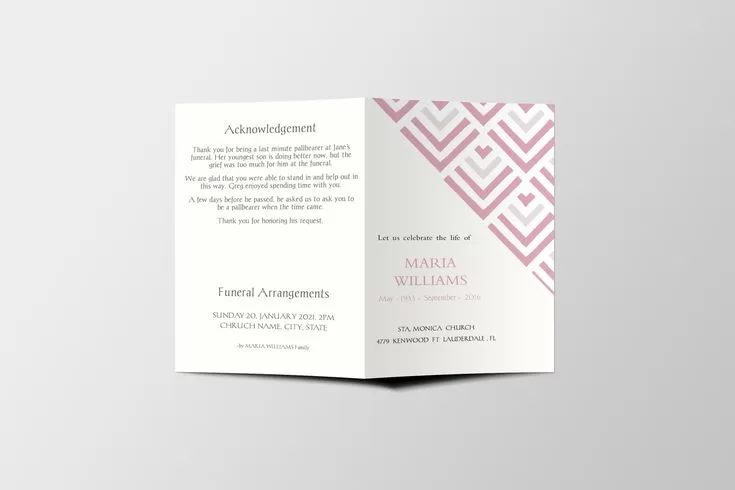

Essential Insights for Navigating Funeral Planning

Example of an obituary for a mother template

Essential Insights for Navigating Funeral Planning

Planning a funeral is a significant responsibility that often falls on family members during an emotionally charged time. While it can feel overwhelming, understanding the fundamental aspects of funeral planning can make the process smoother and more manageable.

Understanding the Basics of Funeral Planning

Funeral planning involves several key components that you need to consider:

  • Choosing the Type of Service: Decide whether you want a traditional service, a memorial service, or a celebration of life.
  • Selecting a Venue: This could be a funeral home, a place of worship, or a personal residence.
  • Arranging for Disposition: Options include burial, cremation, or donation to science.

Utilizing Resources for Support

When handling funeral arrangements, it’s essential to know that you are not alone. Resources are available to help guide you through the process:

Creating a Funeral Program

A funeral program is an essential part of the service. It helps guests understand the order of events and honors the deceased. For templates and examples, refer to our Comprehensive Guide to Funeral Program Samples.

Essential Considerations

As you plan the funeral, keep these considerations in mind:

  • Budget: Understand the costs involved and set a budget accordingly.
  • Personal Touches: Incorporate elements that reflect the personality and values of your loved one.
  • Guest List: Determine who you would like to invite and communicate the details clearly.

Support for the Family

During this difficult time, families often need support beyond just the logistics of planning. Our Essential Guide to Funeral Planning and Support can provide the necessary tools to handle emotional challenges.

Understanding Legal Requirements

In addition to emotional and logistical aspects, understanding the legal requirements surrounding funeral planning is crucial. Make sure to check:

  • Death certificates and permits required for burial or cremation.
  • Local regulations regarding funerals and memorial services.

By following these guidelines and utilizing available resources, you can navigate the complexities of funeral planning with greater ease and confidence.

funeral program template

Navigating Funeral Planning with Heartfelt Support

Example of an obituary for a mother

Navigating Funeral Planning with Heartfelt Support

Planning a funeral can be one of the most challenging responsibilities a family faces after the loss of a loved one. This process often comes at a time of deep emotional distress, making it essential to approach it with care and compassion. At QuickFuneral, we understand the complexities involved in funeral planning and are here to guide you through each step.

Understanding the Basics of Funeral Planning

Funeral planning is not just about logistics; it is also about honoring the life of the deceased. Here are some key aspects to consider:

  • Choice of Service: Decide whether you want a traditional funeral service, a memorial, or a celebration of life.
  • Budgeting: Establish a budget early on to help guide your decisions.
  • Legal Requirements: Be aware of any legal obligations, such as obtaining death certificates.
  • Personal Touches: Incorporate meaningful elements, such as personalized tributes or memory boards.

Creating Meaningful Memory Boards for Funerals

One of the most heartfelt ways to celebrate a life is through memory boards. These boards serve as a visual tribute that showcases the life of your loved one. For more detailed guidance, check out our article on Creating Meaningful Memory Boards for Funerals.

Comprehensive Guides to Funeral Planning

To help you navigate the complexities of this process, we offer several comprehensive resources:

Practical Steps for Funeral Planning

Here are some practical steps to follow when planning a funeral:

  1. Contact a funeral home to discuss your options and make arrangements.
  2. Gather necessary documents, such as the death certificate and any pre-arrangement paperwork.
  3. Choose a burial or cremation option based on your loved one’s wishes.
  4. Select readings, music, and speakers for the service that reflect the personality of the deceased.
  5. Consider floral arrangements and catering options for gatherings after the service.

Emotional Support During the Process

Remember that it’s okay to seek help. Funeral planning can be overwhelming, and having a support system in place is crucial. Whether it’s family, friends, or professional counselors, leaning on others can provide comfort and guidance. For more insights on emotional support, check out our Essential Insights for Funeral Planning.

Each family’s needs are unique, and our mission at QuickFuneral is to provide tailored assistance to ensure your loved one’s wishes are honored while easing the burden on your family during this challenging time.

Sample Obituary Templates

Understanding Funeral Planning: A Comprehensive Guide

Obituary Template

Understanding Funeral Planning

Planning a funeral is one of the most significant responsibilities that can arise after the loss of a loved one. This process can feel overwhelming, especially during a time of grief. However, with the right information and resources, you can navigate the complexities of funeral planning with greater ease.

The Importance of Funeral Programs

A funeral program serves as a meaningful tribute to the deceased, allowing family and friends to honor their memory. It typically includes details such as the order of service, readings, and photographs. Creating a thoughtful program can help bring comfort to attendees and provide a lasting keepsake for the family.

Steps in Funeral Planning

  1. Gather Information: Collect necessary details about the deceased, including personal information, preferences, and any pre-arranged plans.
  2. Choose a Funeral Home: Select a reputable funeral home that aligns with your family’s needs. You can find helpful insights in our navigating the essentials of funeral planning article.
  3. Decide on the Type of Service: Consider whether a traditional service, memorial service, or celebration of life is most appropriate.
  4. Plan the Details: This includes selecting a burial or cremation, choosing music, and deciding on readings or eulogies.
  5. Set a Budget: Understanding the costs involved is crucial. Refer to our Essential Guide to Funeral Planning for tips on budgeting.

Essential Insights for Support

During this challenging time, it’s vital to seek support not only from family and friends but also through professional resources. Our article on essential insights for funeral planning discusses how to access support services that can assist you in navigating this journey.

Understanding the Legalities

Funeral planning involves various legal considerations, especially regarding death certificates and permits. Familiarizing yourself with these requirements is essential. Our guide on navigating the complexities of funeral planning provides detailed information on these legalities.

Communicating with Family

Effective communication with family members is crucial during the planning process. Discussing preferences and expectations can help alleviate misunderstandings. It’s important to ensure that everyone feels heard and included in the decision-making process.

Final Thoughts

While the task of planning a funeral can be daunting, being equipped with the right knowledge and resources can make the process smoother. Whether it’s through creating a meaningful funeral program or understanding the legal aspects of funeral planning, we at QuickFuneral are here to support you every step of the way.

Essential Guide to Funeral Planning and Support

Obituary Template

Understanding Funeral Planning: A Comprehensive Overview

Planning a funeral can be an overwhelming task during a time of grief. It is crucial to navigate this process with care and sensitivity. This guide aims to provide you with essential insights and resources to help you through this challenging time.

The Importance of Funeral Planning

Funeral planning is vital for several reasons:

  • Honoring the Deceased: A well-planned funeral serves as a tribute to the life of your loved one.
  • Providing Closure: It allows family and friends to gather, share memories, and find closure.
  • Guiding the Family: Planning ahead can alleviate the emotional burden on family members during a difficult time.

Steps for Effective Funeral Planning

Here are some essential steps to consider when planning a funeral:

  1. Gather Information: Collect necessary details about the deceased, including personal preferences and any pre-arrangements.
  2. Select a Funeral Home: Choose a compassionate funeral home that aligns with your needs. For guidance, check out our article on navigating the complexities of funeral planning.
  3. Choose the Type of Service: Decide whether to have a traditional service, memorial service, or celebration of life.
  4. Plan the Logistics: Consider the location, date, and time, along with any special requests from the family.

Incorporating Personal Touches

Personalizing the service can make it more meaningful. Here are some ideas:

  • Include comforting Bible readings that reflect the deceased’s beliefs.
  • Share favorite songs or poems during the service.
  • Create a memory board with photos and mementos.

Understanding Your Options

When it comes to funeral services, you have various options to choose from:

  • Burial: Traditional burial services often include a viewing, service, and graveside ceremony.
  • Cremation: Cremation can offer flexibility in how to memorialize your loved one. Explore more in our comprehensive guide to funeral planning.
  • Green Funerals: Environmentally friendly options are becoming increasingly popular.

Support for Families

During this difficult time, seeking support is essential. Here are a few resources:

  • Consider reaching out to local grief support groups.
  • Utilize online resources for bereavement support.
  • Engage with family and friends for emotional support.

Final Thoughts on Funeral Planning

Funeral planning may be a daunting task, but it is also an opportunity to celebrate the life of someone special. By following these steps and utilizing available resources, you can honor your loved one in a meaningful way. For more information on how to approach planning, check out our article on essential insights for funeral planning and our guide on understanding funeral planning. Remember, you are not alone in this journey.

Navigating the Complexities of Funeral Planning

Example of an obituary for a mother

Understanding the Importance of Funeral Planning

Planning a funeral is an essential step in honoring the life of a loved one. It is a time filled with emotions, and making decisions can be overwhelming. However, having a structured approach can ease some of that burden.

Key Elements of Funeral Planning

  • Choosing a Funeral Home: This is often the first step. Research local funeral homes and read reviews to find one that meets your needs.
  • Understanding Costs: Have an open discussion about the budget. Understanding the costs involved can help in making informed decisions.
  • Deciding on Services: Options can vary from traditional services to more personalized memorials. Consider what aligns with your loved one’s wishes.

Creating a Meaningful Tribute

A significant part of the funeral planning process involves creating a tribute that reflects the deceased’s life. Funeral program designs play a vital role in this. They allow families to create a lasting memory of their loved one. Here are some things to include in a funeral program:

  • Biographical information
  • Photographs
  • Messages from family and friends
  • Details about the service

Choosing the Right Type of Service

There are various types of services to consider. Here are some common options:

  • Traditional Funeral: Usually includes a viewing, service, and burial or cremation.
  • Memorial Service: A service held without the body present, focusing on celebrating the life of the deceased.
  • Celebration of Life: A more informal gathering that reflects the personality and passions of the departed.

For a detailed overview of planning your loved one’s funeral, check out our comprehensive guide to funeral planning.

Legal Considerations

There are also legal aspects to consider when planning a funeral:

  • Death Certificate: Obtain multiple copies for insurance claims and other legal matters.
  • Pre-Planning Arrangements: If your loved one made pre-arrangements, ensure you have the necessary documents.
  • Will and Estate Matters: Understanding the will can help in making decisions about the funeral.

For more insights on the funeral planning process, visit Navigating the Essentials of Funeral Planning.

Support During Difficult Times

The emotional toll of losing a loved one can be heavy. Seeking support from family, friends, or even professional counselors can be beneficial. Remember, it’s okay to ask for help.

For further guidance on the emotional aspects of planning, refer to our article on Understanding Funeral Planning.

Sample Obituary Templates

Understanding Funeral Planning: A Helpful Guide

Example of an obituary for a mother

Introduction to Funeral Planning

Planning a funeral is a crucial step when you lose a loved one. It can be an emotional and overwhelming experience, but understanding the key aspects can make the process smoother. This guide aims to provide essential insights and resources to help you navigate this challenging time.

Key Elements of Funeral Planning

Here are some vital elements to consider when planning a funeral:

  • Choosing a Funeral Home: Selecting the right funeral home is important. Consider their services, location, and costs.
  • Funeral Type: Decide on the type of service—traditional, memorial, or direct burial. Each has unique features and costs.
  • Budget Considerations: Establishing a budget is essential. Understanding potential costs can help prevent financial strain.
  • Cultural or Religious Practices: Incorporating personal or cultural elements into the service can provide comfort and honor your loved one’s memory.

Resources for Funeral Planning

To assist you in your planning journey, consider these useful resources:

Understanding Grief and Support

During this difficult time, it’s essential to recognize the stages of grief. Each person experiences loss differently, and having support can help you navigate these emotions:

  • Talk About Your Feelings: Sharing your grief with friends or family can provide relief.
  • Seek Professional Help: Sometimes, talking to a counselor or joining a support group can be beneficial.
  • Take Care of Yourself: Ensure you are eating well, exercising, and getting enough rest.

Final Arrangements and Personalization

Personalizing the funeral service can make a significant impact. Consider the following ideas:

  • Music Selection: Choose songs that were meaningful to your loved one.
  • Personal Tributes: Encourage family and friends to share stories or memories during the service.
  • Visual Displays: Create a memory board with photos and mementos that celebrate their life.

By utilizing these tips and resources, you can navigate the complexities of funeral planning with more confidence and care. Remember, it’s okay to ask for help and seek support from those around you.

Essential Insights for Funeral Planning

Example of an obituary for a mother

Understanding Funeral Planning

Planning a funeral can be one of the most challenging tasks families face during a time of grief. It requires not only emotional strength but also practical decision-making skills. Proper planning can ease the burden on loved ones and ensure that the service reflects the wishes of the deceased.

The Importance of Funeral Planning

Funeral planning involves several crucial steps that can help families navigate this difficult period. Here are some key aspects to consider:

  • Choosing a Funeral Home: Research local funeral homes and compare services. Consider recommendations from friends or family.
  • Service Options: Decide on the type of service – traditional, memorial, or a celebration of life.
  • Budgeting: Understand the costs involved and set a budget. This includes the service, burial or cremation, and any additional expenses.
  • Personal Touches: Think about personal touches that reflect the deceased’s personality, such as favorite music, photos, or anecdotes.

Resources for Effective Funeral Planning

For those looking for guidance, navigating the essentials of funeral planning is an excellent starting point. This resource outlines the critical elements and provides a detailed framework to follow.

Understanding What the Bible Says About Funerals

Many families find comfort in their faith during times of loss. Understanding what the Bible says about funerals can provide spiritual support and insight into the grieving process.

Creating an Obituary

An obituary serves as a tribute to the deceased and informs the community about the funeral arrangements. For a template and tips on writing an obituary, visit our obituary template page for guidance.

Comprehensive Guides

For a more thorough understanding of the planning process, check out our comprehensive guide to funeral planning. This resource covers everything from legal requirements to emotional considerations.

Final Thoughts

Planning a funeral can seem overwhelming, but with the right resources and support, families can create a meaningful farewell for their loved ones. Explore our additional resources for more insights on navigating funeral planning.

funeral program template

Navigating the Essentials of Funeral Planning

Example of an obituary template

Navigating the Essentials of Funeral Planning

Planning a funeral is a deeply personal and often overwhelming experience. It involves making numerous decisions while navigating the emotions associated with loss. Here at QuickFuneral LLC, we aim to provide you with comprehensive information to ease this process. Below, we outline essential aspects of funeral planning, along with helpful resources and links.

Understanding the Basics of Funeral Planning

Funeral planning consists of various components that require thoughtful consideration. Here are some fundamental elements to keep in mind:

  • Choosing the Right Funeral Home: Research local options, read reviews, and ask for recommendations to find a funeral home that aligns with your needs.
  • Deciding on Burial or Cremation: Determine the preferences of the deceased and the family regarding burial or cremation services.
  • Creating a Budget: Establish a budget to help guide your decisions, ensuring that you can honor your loved one without financial strain.

Creating Meaningful Memorials

Part of the funeral planning process involves creating meaningful memorials. One such way is through a funeral pamphlet, which serves as a keepsake for family and friends. For guidance on crafting a heartfelt pamphlet, check out our article on Creating a Heartfelt Funeral Pamphlet.

Comprehensive Guides for Funeral Planning

To aid you in your planning journey, we have several in-depth guides available:

Additional Considerations

While planning a funeral, consider the following factors:

  • Personalizing the Service: Include elements that reflect the personality and preferences of the deceased, such as music, readings, and photos.
  • Communicating with Family: Keep open lines of communication with family members to ensure everyone’s wishes and feelings are considered.
  • Legal Requirements: Be aware of the necessary documentation, such as death certificates and permits, that may be required.

By following these guidelines and utilizing our resources, you can create a meaningful tribute that honors your loved one’s memory while also supporting your family during this time. Remember, you are not alone in this journey.

Sample Obituary Templates

A Comprehensive Guide to Funeral Planning

Example of an obituary for a mother template

Understanding Funeral Planning

Planning a funeral is a significant task that requires sensitivity and attention to detail. It is essential to navigate this process with care, as it involves honoring the memory of a loved one while also managing practicalities. This guide aims to provide insights into the funeral planning process, ensuring you feel supported and informed during this challenging time.

Key Aspects of Funeral Planning

  • Choosing a Funeral Home: Research local funeral homes and compare services and prices. It’s crucial to find a provider that aligns with your values and needs.
  • Determining the Type of Service: Decide whether to have a traditional funeral, a memorial service, or a celebration of life. Each option offers a different way to honor your loved one.
  • Budgeting: Establish a budget early on. Consider costs for services, merchandise, and any additional fees. Understanding funeral costs can help you plan effectively.

Emotional Support During Planning

Losing a loved one is emotionally taxing. It’s essential to seek support from family, friends, or even professional counselors. Engaging in conversations about grief can help ease the burden. For comforting words, consider exploring comforting Bible verses that resonate with your beliefs.

Funeral Planning Steps

  1. Gather Information: Collect essential documents and information about the deceased, including their wishes regarding the funeral and burial.
  2. Consult with Family: Involve close family members in the planning process to ensure everyone’s thoughts and feelings are considered.
  3. Select a Casket or Urn: Depending on the chosen service type, select an appropriate casket or urn that reflects your loved one’s personality.
  4. Plan the Service: Choose readings, music, and speakers who can share memories and stories. This personal touch can make the service more meaningful.
  5. Notify Guests: Create a list of people to invite and send out notifications, whether through traditional mail or digital means.

Additional Resources

For those looking for a more in-depth understanding, our article on navigating the essentials of funeral planning can provide you with more guidance. We also recommend reading about the journey of funeral planning to better grasp the emotional and logistical aspects involved.

Final Thoughts

While funeral planning can feel overwhelming, taking it step by step and utilizing the resources available can make the process smoother. Remember, you are not alone in this journey; support is available through family, friends, and professional services.

Back to Top
Product has been added to your cart
Compare (0)