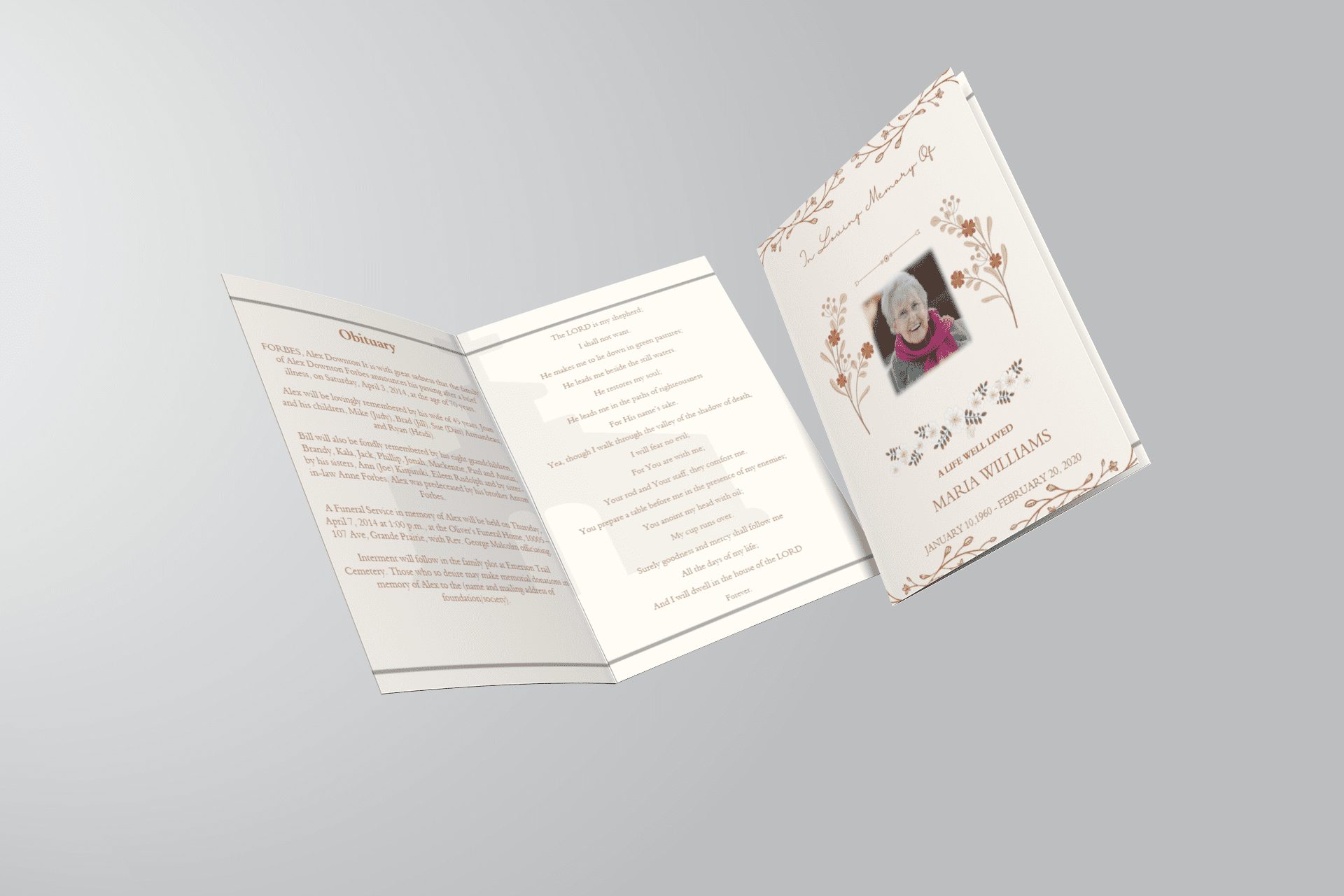
Crafting the Perfect Funeral Program

When planning a funeral, creating a meaningful and respectful funeral program is a crucial part of the process. The funeral program serves as a guide for the ceremony, a keepsake for attendees, and a tribute to the life of the departed. To make this process easier, we’ve compiled a range of resources including funeral program samples, examples, and free templates. In this guide, we’ll explore how to use these resources effectively to craft the perfect funeral program, using specific keywords and long-tail phrases that can help you find the right tools for your needs.

Understanding Funeral Program Samples

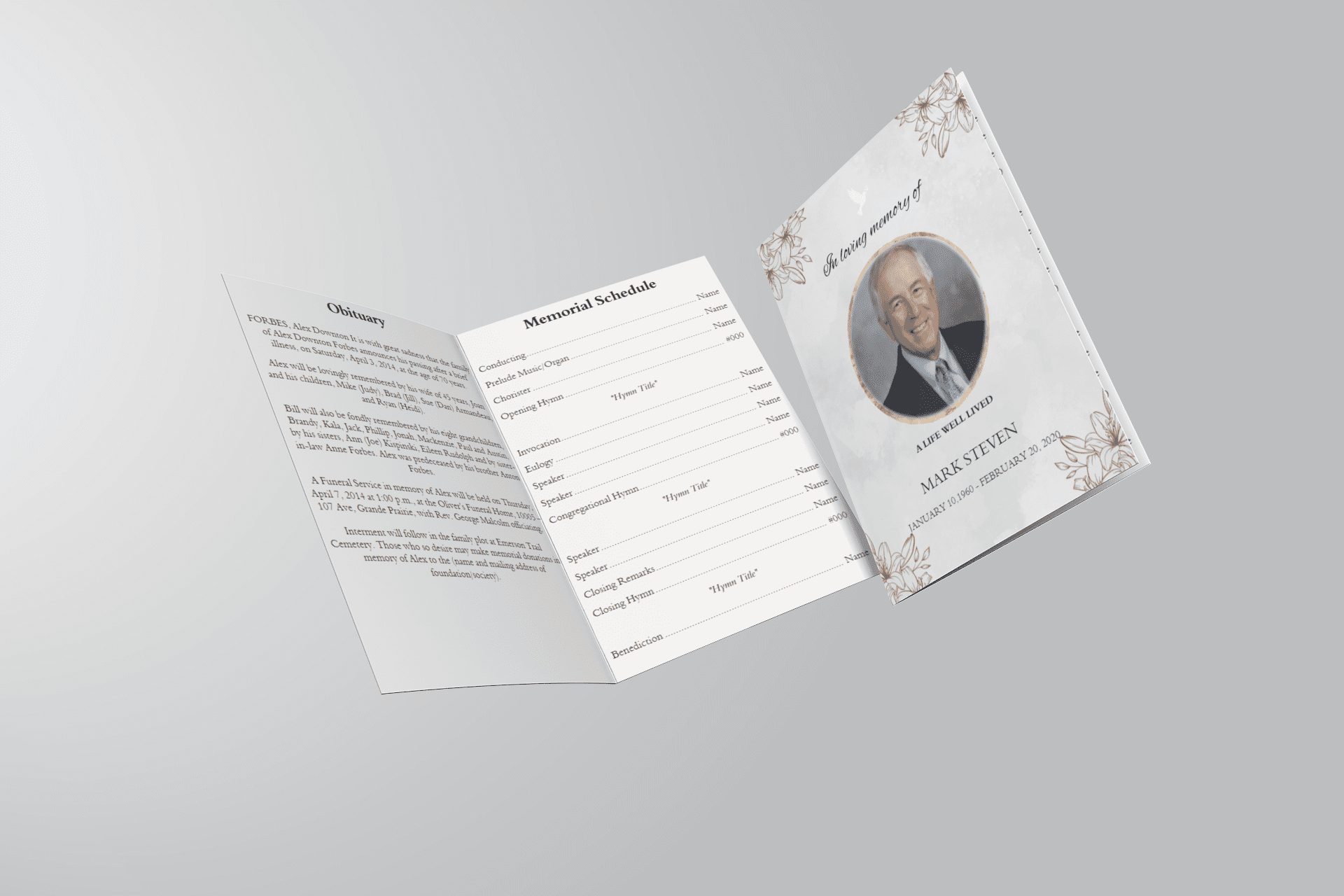
Funeral program sample is a keyword that guides users in the creation of their own funeral program by offering a structured example to follow. A funeral program sample typically includes all the essential elements such as the order of service, obituary, and any readings or music selections. These samples are particularly useful for those who are unsure where to start and need a clear, concise example to guide them.

Using a funeral program sample can save time and reduce the stress associated with planning a funeral. It provides a template that can be customized to reflect the personality and preferences of the deceased, ensuring that the program is both respectful and personal.

For those looking to explore different types of samples, the following link is a valuable resource: funeral program sample.

Exploring Funeral Program Examples

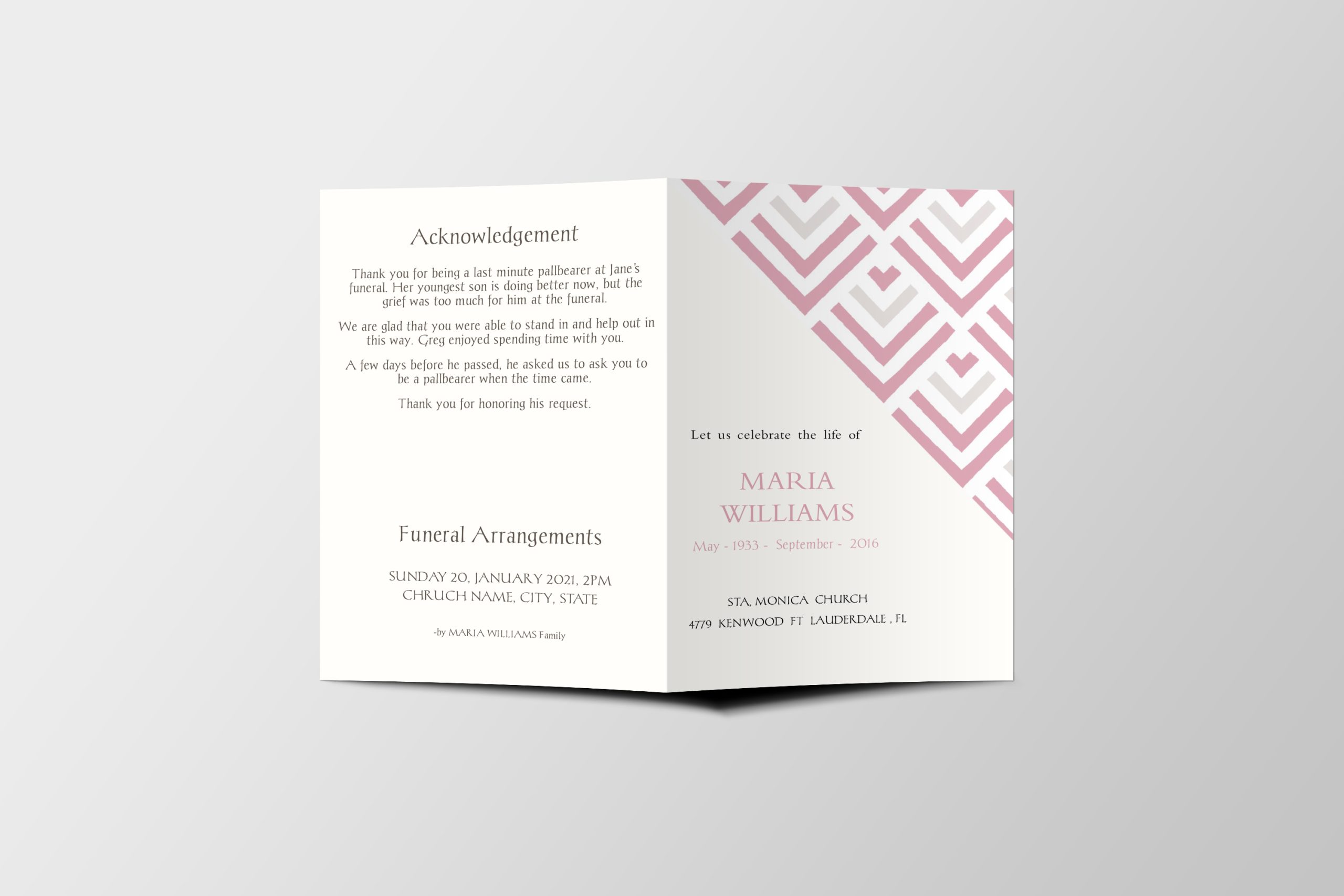
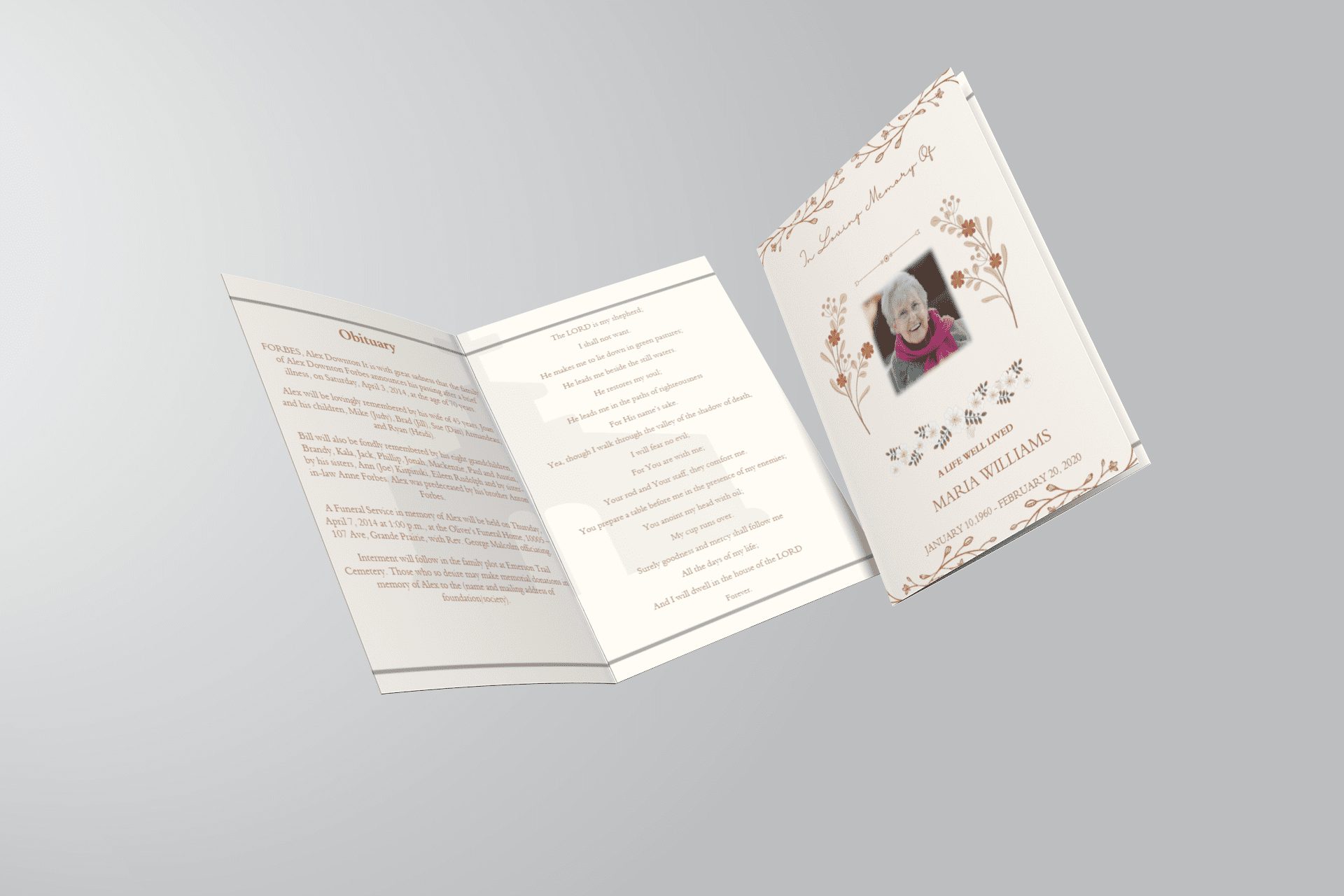
Funeral program examples offer a wide variety of designs and formats that can inspire you when creating your own program. By reviewing examples, you can see how different elements are arranged, how text is formatted, and what types of content are typically included. This can help you decide on the structure and style that best suits the service you are planning.

Funeral program examples can range from simple, single-page designs to more elaborate, multi-page booklets. These examples can be particularly helpful if you’re looking to create a program that stands out or if you’re seeking inspiration for incorporating unique elements, such as custom artwork or themed designs.

For a closer look at different styles and formats, visit funeral program examples.

Utilizing Free Funeral Program Templates

Creating a funeral program from scratch can be challenging, especially during a time of grief. Fortunately, free funeral program templates are available to make this task easier. These templates are pre-designed and can be easily customized to fit your specific needs. They typically include placeholders for text, images, and other content, allowing you to create a professional-looking program with minimal effort.

Free funeral program templates are a great option for those who need a quick, cost-effective solution. They are particularly useful for smaller services or when time is of the essence. These templates are often available in various formats such as Microsoft Word, Google Docs, or PDF, making them accessible and easy to use.

To find the perfect template for your needs, check out free funeral program template.

How to Choose the Right Funeral Program Resources

When selecting a funeral program sample, example, or template, there are several factors to consider:

  1. Service Size: For larger services with many attendees, a more detailed program may be necessary. In this case, you might opt for a multi-page booklet template or a detailed example that includes additional sections like a full biography or multiple tributes. For smaller services, a simple, single-page template may suffice.
  2. Customization Needs: Think about how much you want to personalize the program. If you have specific photos, quotes, or themes in mind, choose a template or sample that offers flexibility in design. Templates that are easy to edit, such as those in Word or Google Docs, can be particularly helpful.
  3. Design Preferences: Consider the overall aesthetic you want for the program. Do you prefer a traditional, elegant design, or are you looking for something more modern and unique? Reviewing different examples can help you decide on a style that best reflects the personality of your loved one.
  4. Time and Budget: Free funeral program templates are an excellent choice if you’re working with a tight budget or need something quickly. However, if you have more time and resources, you might consider hiring a designer or purchasing a premium template that offers more customization options.

Tips for Creating a Funeral Program

Once you’ve selected a sample, example, or template, here are some tips to ensure that your funeral program is both meaningful and well-crafted:

  1. Personalize Thoughtfully: Use the template as a starting point, but make sure to personalize it with elements that reflect the life and personality of the deceased. This could include favorite quotes, selected readings, and significant life events.
  2. Keep it Simple: While it’s important to include all necessary information, avoid overloading the program with too much text or too many images. A clean, simple design is often more effective and easier for attendees to follow.
  3. Proofread Carefully: Before printing or sharing the program, take the time to review it for any errors. Double-check names, dates, and other details to ensure accuracy.
  4. Consider Printing Options: If you’re printing the program, use high-quality paper and printing services to ensure a professional finish. For digital distribution, make sure the file is easy to download and view on different devices.
  5. Involve Family Members: Don’t hesitate to involve other family members in the creation process. Their input can provide additional ideas and ensure that the program reflects the wishes of everyone involved.

Long-Tail Keywords for Funeral Program Creation

To help you find the most relevant resources, here are some long-tail keywords that can guide you to the right funeral program samples, examples, and templates:

  • Best funeral program sample for traditional services
  • Simple funeral program examples for small gatherings
  • Customizable free funeral program template for large services
  • How to create a personalized funeral program using templates
  • Top funeral program examples with detailed tributes
  • Elegant funeral program template for a memorial service
  • Funeral program sample with space for multiple tributes
  • Free funeral program template for a quick and easy design
  • Unique funeral program examples with custom artwork
  • Printable funeral program template for last-minute services

By using these keywords, you can easily find the resources that best suit your needs, ensuring that your funeral program is both meaningful and well-designed.

Creating a funeral program is an important part of planning a memorial service. Whether you’re looking for a funeral program sample, example, or free template, there are plenty of resources available to help you craft a program that honors the memory of your loved one. By choosing the right tools and following the tips provided, you can create a beautiful and respectful tribute that will be cherished by all who attend the service. Be sure to explore the links provided to find the best resources for your needs:
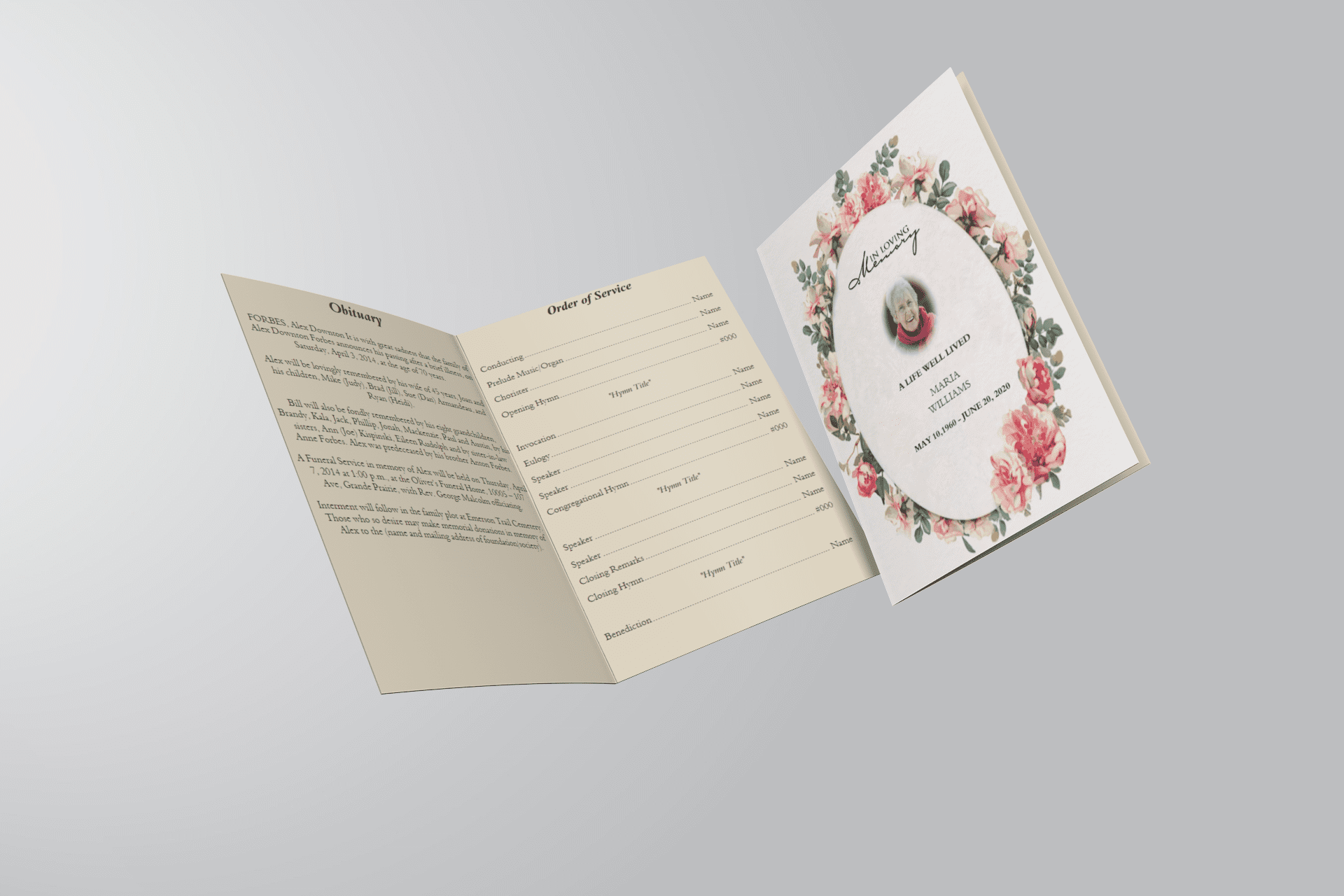
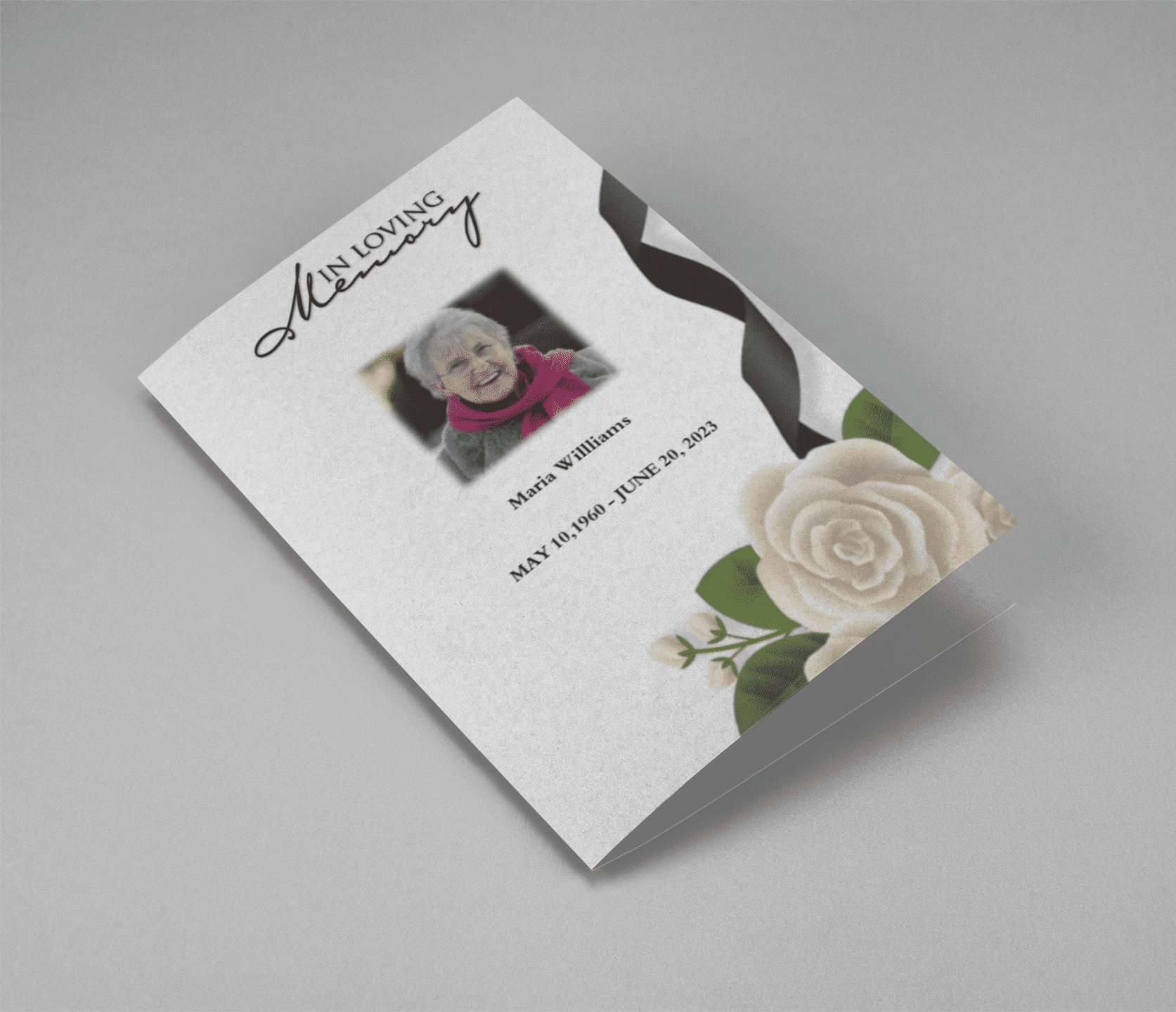
funeral card templates

Creating the Perfect Funeral Program Template

Planning a funeral can be an emotionally taxing experience, especially when it involves honoring the life of a loved one. One key aspect of funeral planning is creating a funeral program template that encapsulates the essence of the deceased’s life and provides a memorable keepsake for attendees.

What is a Funeral Program Template?

A funeral program template is a pre-designed layout that helps you organize and present important information about the deceased in a structured and aesthetically pleasing manner. It typically includes details like the order of service, hymns, poems, photos, and a brief biography of the deceased.

Creating a funeral program template from scratch can be overwhelming, especially during a time of grief. That’s why using a pre-designed template can be a lifesaver. It allows you to focus on the content while ensuring that the design is both beautiful and professional.

Why Use a Funeral Program Template?

Using a funeral program template provides several benefits:

  1. Time-Saving: A template offers a ready-made structure, which means you don’t have to start from scratch. This is particularly helpful when time is limited.
  2. Professional Design: Templates are often designed by professionals, ensuring that the final product looks polished and respectful.
  3. Customization: Even though you start with a template, there is still plenty of room for customization. You can add personal touches that reflect the personality and life of your loved one.
  4. Cost-Effective: Many high-quality templates are available for free or at a minimal cost, making them an affordable option during a time when expenses can quickly add up.

How to Choose the Right Funeral Program Template

Selecting the right funeral program template is crucial. Here are a few factors to consider:

  • Design Aesthetics: The design should reflect the personality of the deceased. For instance, a simple and elegant design may be appropriate for someone who valued tradition, while a colorful, vibrant design might suit someone who was full of life and energy.
  • Layout: Ensure the layout accommodates all the necessary information. Some templates offer more space for photos, while others focus on text.
  • Ease of Use: Choose a template that is easy to customize. Most templates are available in formats like Microsoft Word, Google Docs, or Adobe Photoshop, which are user-friendly and widely accessible.
  • Printable Funeral Program Template: If you plan to print the programs yourself, ensure the template is available in a printable format. A printable funeral program template will allow you to print high-quality copies at home or through a local printer.

Customizing Your Funeral Program Template

Once you’ve selected the perfect template, it’s time to customize it. Here’s how:

  1. Add Personal Information: Start by adding the full name, date of birth, and date of passing of the deceased. This is typically placed at the top of the program.
  2. Include a Photo: A photo of the deceased is often placed on the front cover. Choose a picture that best represents their personality and life.
  3. Order of Service: Detail the order of service, including the opening prayer, hymns, eulogies, and any other activities that will take place during the ceremony.
  4. Obituary or Biography: Include a brief biography or obituary that highlights the life, achievements, and character of the deceased. This section should be heartfelt and respectful, providing attendees with a glimpse into the person’s life.
  5. Special Messages or Quotes: You may want to add a favorite quote, poem, or scripture that held special meaning for the deceased. This adds a personal touch to the program.
  6. Thank You Notes: Consider adding a section to thank those who attended or supported the family during this difficult time.

Where to Find High-Quality Funeral Program Templates

There are numerous online resources where you can find high-quality funeral program templates. Websites like QuickFuneral.com offer a variety of free funeral program templates that are easy to customize. These templates come in different styles and formats, allowing you to choose one that best suits your needs.

Whether you need a funeral template for a traditional service or something more modern, these resources provide a wide range of options to ensure that you can create a meaningful and respectful program.

Printing Your Funeral Program

After customizing your funeral program template, the next step is printing. If you’ve chosen a printable funeral program template, ensure you have the right paper and printer settings to achieve the best results. Here are some tips:

  • Paper Quality: Use high-quality paper or cardstock for a professional finish. The weight and texture of the paper can make a big difference in the overall appearance of the program.
  • Printer Settings: Adjust your printer settings to match the paper type and size. Print a test copy first to ensure everything looks correct.
  • Professional Printing Services: If you prefer, you can also take the file to a professional printing service. They can provide high-quality prints, and often offer additional options like binding or laminating.

Digital Funeral Program Options

In today’s digital age, many people opt for digital funeral programs that can be shared online or via email. A digital funeral program template allows you to create a program that can be easily distributed to those who may not be able to attend the service in person. This option is also environmentally friendly, as it reduces the need for printed copies.

Final Thoughts

Creating a funeral program is an important part of honoring and remembering a loved one. By using a funeral program template, you can ensure that the program is both beautiful and meaningful, while also saving time and reducing stress during a difficult period.

Whether you choose a traditional funeral template or a digital funeral program template, the key is to create a program that reflects the life and personality of the deceased. With the right tools and resources, you can craft a tribute that will be cherished by all who attend.

For a variety of free funeral program templates, visit QuickFuneral.com, where you can find the perfect template to honor your loved one.

celebration of life memorial cards

Simplifying the Process of Honoring Loved Ones

Losing a loved one is an emotional and challenging experience. In such times, it’s important to focus on what truly matters—remembering and honoring the life of the person who has passed away. One way to do this is through a well-crafted obituary. However, writing an obituary from scratch can be daunting, especially when dealing with grief. This is where a free obituary template Word comes in handy. It simplifies the process, allowing you to create a meaningful tribute without the stress of formatting and structuring the content.

Why Use a Free Obituary Template Word?

Creating an obituary involves a lot of thought and detail. It must encapsulate the essence of a person’s life in a few paragraphs, highlighting their achievements, character, and the impact they had on those around them. A free obituary template Word provides a structured format that guides you through the process, ensuring that you include all necessary details.

Using a template also saves time, which is crucial when arrangements need to be made quickly. With a free obituary template Word, you can focus on the content rather than worrying about the layout or design. Moreover, Word templates are easy to use, even for those who may not be tech-savvy, making them accessible to everyone.

Check out our free obituary templates on QuickFuneral.com.

Key Features of a Good Obituary Template

When choosing a free obituary template Word, it’s important to consider the following features:

  1. Editable and Customizable: A good template should be fully editable, allowing you to customize it according to your needs. You should be able to change fonts, colors, and layouts to reflect the personality of the deceased.
  2. Structured Layout: The template should have a clear and structured layout, making it easy to fill in details such as the deceased’s name, date of birth, date of passing, and the obituary text itself.
  3. Space for Photos: Including a photo of your loved one adds a personal touch to the obituary. A good template will have a designated space for one or more photos.
  4. Guidance on Content: Some templates include prompts or suggestions for what to include in each section. This can be helpful if you’re unsure of what to write.
  5. Printable: Ensure that the template is designed to be printed easily, without any issues related to margins or alignment.

At QuickFuneral.com, we offer a variety of free obituary templates that meet all these criteria. Explore our collection here.

How to Use a Free Obituary Template Word

Using a free obituary template Word is simple and straightforward. Here’s a step-by-step guide:

  1. Download the Template: Start by downloading a template that suits your needs. At QuickFuneral.com, we offer a range of styles, from traditional to modern, ensuring you find something that feels right.
  2. Open in Microsoft Word: Once downloaded, open the template in Microsoft Word. This program is widely used and offers a familiar interface for editing the template.
  3. Fill in the Details: Begin by filling in the basic details—name, dates, and locations. Next, move on to the obituary text. You can write a brief biography, mention significant achievements, and include any special messages or quotes.
  4. Customize the Design: Customize the design to reflect the personality of your loved one. You can change the font style, size, and color, or add decorative elements like borders or backgrounds.
  5. Insert Photos: If the template allows, insert one or more photos. A picture can say a thousand words, and including a photo of your loved one can make the obituary even more meaningful.
  6. Review and Print: Once you’ve completed the template, review it for any errors or omissions. When you’re satisfied, print the obituary on high-quality paper. You can also save it as a PDF for sharing digitally.

Get started with our easy-to-use obituary templates.

Related Keywords and Their Importance

When searching for an obituary template, people often use related keywords such as free obituary template, printable obituary template, editable obituary template Word, obituary format in Word, and sample obituary template. These keywords are important because they reflect the different needs and preferences of users looking for obituary templates. By optimizing your search with these related keywords, you can find the perfect template more easily.

For instance, an editable obituary template Word is ideal for those who want to personalize the content and design. A printable obituary template ensures that the layout will look good when printed, while a sample obituary template can provide inspiration if you’re unsure where to start.

At QuickFuneral.com, we offer a wide selection of templates that cater to all these needs. Whether you’re looking for a free obituary template Word or something more specific, we have you covered. Browse our collection today.

Why QuickFuneral.com?

QuickFuneral.com is a trusted source for free obituary templates. We understand the importance of creating a beautiful and meaningful tribute, which is why we offer a variety of templates that are both easy to use and customizable. Our templates are designed to be used with Microsoft Word, ensuring that you can create a professional-looking obituary without any hassle.

Additionally, our templates are available for free, making them accessible to everyone, regardless of budget. We believe that honoring a loved one’s memory should not be a financial burden, which is why we provide high-quality templates at no cost.

Visit QuickFuneral.com to download your free obituary template.


Creating an obituary is a deeply personal task, but it doesn’t have to be overwhelming. With a free obituary template Word, you can create a meaningful and lasting tribute to your loved one without the stress of starting from scratch. These templates provide a structured and customizable format that makes the process easier, allowing you to focus on what truly matters—honoring the life of the person you’ve lost.

Whether you’re looking for a free obituary template, an editable obituary template Word, or a printable obituary template, QuickFuneral.com has a wide selection to choose from. Explore our collection today and find the perfect template to suit your needs.

Remember, an obituary is more than just an announcement of death—it’s a celebration of life. With the right template, you can create a beautiful tribute that will be cherished by friends and family for years to come.

In loving memory cards

Funeral Program Template Word Free Download: Simplify Your Memorial Planning

Planning a funeral is an emotionally challenging task, and the last thing you need is the added stress of designing a funeral program from scratch. Thankfully, with a funeral program template Word free download, you can create a beautiful and professional memorial service program without the hassle. In this blog post, we will guide you through the process of using these templates, their benefits, and where to find the best free funeral program templates.

Why Use a Funeral Program Template?

A funeral program serves as both a tribute to the deceased and a guide for those attending the service. It typically includes the order of service, information about the deceased, and any special messages or poems. Creating this from scratch can be overwhelming, especially when you are grieving. That’s where a funeral program template Word free download comes in handy.

Benefits of Using a Funeral Program Template

  1. Ease of Use: These templates are designed for Microsoft Word, which is widely available and user-friendly. Even if you don’t have advanced design skills, you can easily customize the template to suit your needs.
  2. Time-Saving: Instead of starting from a blank page, a template gives you a head start. You can focus on the content rather than worrying about the layout.
  3. Professional Appearance: A well-designed template ensures that your funeral program looks polished and respectful. You can easily adjust fonts, colors, and images to match the tone of the service.
  4. Cost-Effective: Many free funeral program templates are available online, saving you the cost of hiring a designer or purchasing expensive software.

How to Download and Use a Funeral Program Template in Word

If you’re looking for a funeral program template Word free download, you’re in the right place. Here’s a step-by-step guide on how to download and use these templates.

Step 1: Choose the Right Template

The first step is to find a template that suits the tone and style of the memorial service. Some templates are simple and elegant, while others may be more elaborate with multiple pages and design elements. Websites like QuickFuneral.com offer a wide variety of free funeral program templates that you can download and customize.

Step 2: Download the Template

Once you’ve selected the template that best fits your needs, click on the download link. The template will be downloaded as a Word document (.docx), which you can open in Microsoft Word or any other word processing software that supports this format.

Step 3: Customize the Template

Now that you have your funeral program template, it’s time to customize it. Here’s what you can do:

  • Add Personal Information: Replace the placeholder text with the name of the deceased, date of birth, date of death, and any other relevant details.
  • Order of Service: Fill in the order of service, including hymns, readings, and eulogies.
  • Photos: Add photos of the deceased. Most templates have designated areas for images, making it easy to insert them.
  • Personal Messages: You can include personal messages, poems, or quotes that resonate with the deceased’s life and legacy.
  • Fonts and Colors: Adjust the fonts and colors to match the theme of the funeral service. This could be a favorite color of the deceased or a color that reflects the tone of the service.

Step 4: Review and Print

Before printing, make sure to review the entire document. Check for spelling errors, alignment issues, and ensure all the information is correct. Once you’re satisfied, print the program on high-quality paper. You may also consider taking it to a professional printing service for a more polished finish.

Popular Funeral Program Template Designs

When choosing a funeral program template Word free download, it’s important to select a design that aligns with the personality and legacy of the deceased. Here are some popular designs available on QuickFuneral.com:

  1. Classic and Elegant: This template is perfect for a traditional service. It features a simple design with classic fonts and plenty of space for photos and personal messages.
  2. Modern and Stylish: For a more contemporary service, this template offers a sleek design with bold fonts and modern layouts. It’s ideal for showcasing the personality and accomplishments of the deceased.
  3. Floral Design: A popular choice for many, this template features floral motifs that add a touch of softness and elegance to the funeral program.
  4. Religious Themes: If the service has a religious tone, consider a template with religious symbols and verses. These templates often include crosses, doves, or other spiritual elements.
  5. Photo Collage: This template is designed to showcase multiple photos of the deceased, making it a great choice for families who want to share memories through images.

Related Keywords and Their Importance

While searching for a funeral program template Word free download, you might come across related keywords that are also important to consider. These include:

  • Obituary Templates: Similar to funeral programs, obituary templates help you craft a respectful tribute to the deceased.
  • Memorial Service Programs: These programs provide a detailed outline of the memorial service, including readings, prayers, and tributes.
  • Printable Funeral Programs: If you prefer to have a ready-to-print version, many websites offer printable templates that are easy to download and use.
  • Editable Funeral Program Templates: Editable templates give you the flexibility to customize the content and design according to your needs.

All these keywords are essential in helping you find the right resources to create a meaningful tribute for your loved one.

Why Choose QuickFuneral.com for Funeral Program Templates?

QuickFuneral.com is a trusted source for high-quality, free funeral program templates. Here’s why you should consider using their services:

  1. Wide Variety: From simple and elegant designs to more elaborate ones, QuickFuneral.com offers a wide range of templates to suit different preferences.
  2. User-Friendly: The templates are easy to download and customize, even for those who are not tech-savvy.
  3. Free Resources: The website provides funeral program templates Word free download, saving you time and money during a difficult period.
  4. Support: If you need assistance, QuickFuneral.com offers customer support to help you create the perfect memorial program.

Creating a funeral program is a significant part of the memorial service. It’s an opportunity to honor and remember your loved one in a respectful and meaningful way. By using a funeral program template Word free download, you can easily create a professional-looking program that will serve as a cherished keepsake for family and friends.

If you’re looking for a reliable source of free funeral program templates, visit QuickFuneral.com today. Their wide range of templates and easy-to-use designs will help you create a fitting tribute without the added stress.

Remember, a well-crafted funeral program not only guides attendees through the service but also celebrates the life and legacy of the deceased. Take the time to choose the right template and personalize it to reflect the unique personality and journey of your loved one.

funeral guest book

The Ultimate Guide to Free Editable Funeral Program Templates

Losing a loved one is an emotionally challenging time, and organizing a funeral can be overwhelming. One essential aspect of funeral planning is creating a meaningful and personalized funeral program. Thankfully, with the advent of digital tools, you can now access a variety of free editable funeral program templates that simplify this process.

In this comprehensive guide, we’ll explore the benefits of using funeral program templates, how to customize them effectively, and where to find the best free options. Whether you’re looking for funeral brochure templates, printable funeral program templates, or DIY funeral program templates, we’ve got you covered.


Why Use a Funeral Program Template?

Creating a funeral program from scratch can be daunting, especially when you’re grieving. Templates offer a structured and aesthetically pleasing format that can be easily customized to reflect the life and personality of your loved one. Here are some reasons to consider using a funeral program template:

  1. Time-Efficient: Templates save you valuable time by providing a ready-made structure.
  2. Cost-Effective: Many templates are available for free or at a minimal cost.
  3. User-Friendly: Even without design experience, you can create a professional-looking program.
  4. Personalization: Templates allow for customization, ensuring the program resonates with the deceased’s memory.

Types of Funeral Program Templates

There’s a wide array of funeral service program templates available to suit different needs and preferences. Let’s delve into some popular types:

  1. Bi-Fold Templates: These are standard letter-sized sheets folded in half, offering four panels for content. They are simple yet elegant.
  2. Tri-Fold Templates: Providing six panels, tri-fold templates are ideal for those who wish to include more information or photos.
  3. Gatefold Templates: These open like gates, adding a unique touch to the program.
  4. Graduated Fold Templates: Featuring tabs that peek out from the side, they offer a layered look.
  5. Booklet Templates: For a comprehensive tribute, booklets with multiple pages are perfect.

Each template type serves a different purpose, and your choice should align with the tone and content you wish to include.


Customizing Your Funeral Program Template

Once you’ve selected a printable funeral program template, it’s time to personalize it. Here’s a step-by-step guide:

  1. Gather Essential Information: This includes the full name of the deceased, birth and death dates, details of the funeral service, and any special messages or quotes.
  2. Select Meaningful Photos: Choose high-quality images that capture the essence of your loved one.
  3. Outline the Order of Service: Detail the sequence of events during the funeral, including readings, hymns, and speeches.
  4. Add Obituary or Life Story: Share a brief biography or memorable anecdotes.
  5. Incorporate Special Messages: This could be a poem, scripture, or a note of thanks to attendees.
  6. Review and Proofread: Ensure all details are accurate and free from errors.

Many templates are compatible with software like Microsoft Word, Adobe Photoshop, or even Google Docs, making the editing process straightforward.


Where to Find Free Editable Funeral Program Templates

Finding high-quality, free funeral program templates can be a challenge. However, QuickFuneral.com offers an extensive collection of editable funeral program templates that cater to diverse needs.

Features of QuickFuneral.com’s Templates:

  • Variety: From funeral brochure templates to DIY funeral program templates, there’s something for everyone.
  • Ease of Use: The templates are designed for easy customization, even for beginners.
  • High-Quality Designs: Professional layouts ensure your program looks polished and respectful.
  • Immediate Download: Access and start editing your chosen template instantly.

By choosing QuickFuneral.com, you’re ensuring a seamless and stress-free experience during a challenging time.


Tips for Designing a Memorable Funeral Program

To create a program that truly honors your loved one, consider the following tips:

  1. Reflect Their Personality: Use colors, images, and fonts that resonate with the deceased’s character and preferences.
  2. Keep It Organized: Ensure the information flows logically, making it easy for attendees to follow.
  3. Limit Text: While it’s essential to share stories and details, avoid overcrowding the pages.
  4. Seek Feedback: Before finalizing, have family members review the program to ensure it captures the essence of your loved one.
  5. Consider Printing Needs: If you’re printing at home, ensure your equipment can handle the design. Alternatively, consult with a professional printer.

Frequently Asked Questions (FAQs)

Q1: Can I use these templates for other memorial services?

A: Absolutely! The funeral service program templates are versatile and can be adapted for memorials, wakes, or celebration of life events.

Q2: Are the templates compatible with different software?

A: Yes, most templates are designed to be compatible with popular software like Microsoft Word, Adobe Photoshop, and Google Docs.

Q3: How do I print the programs?

A: After customizing your printable funeral program template, you can print them at home or consult with a local printing service for a more professional finish.

Creating a heartfelt funeral program is a meaningful way to honor and remember your loved one. With the availability of free editable funeral program templates, this task becomes more manageable, allowing you to focus on what truly matters during this time of reflection and remembrance.

For a diverse selection of high-quality, customizable templates, visit QuickFuneral.com. Their user-friendly designs ensure you craft a program that resonates with love, respect, and cherished memories.

How to Express Sympathy and Comfort in Difficult Times

In life, there are few things as challenging as finding the right words to offer someone who is grieving. A well-crafted condolences message can provide comfort and support during one of life’s most difficult moments. Knowing how to express sympathy can make a significant difference in someone’s healing process. This guide will explore how to craft thoughtful condolences messages and offer related insights into offering heartfelt sympathy.

Understanding the Importance of a Condolences Message

A condolences message is more than just a social nicety; it’s a way to show that you care about someone’s loss and want to be there for them during their time of grief. Whether it’s a simple text, a heartfelt card, or a message written in an online guestbook, your words can bring comfort and solace.

When writing a condolences message, it’s important to be sincere and to the point. The key is to acknowledge the loss, offer support, and share a memory or thought about the deceased. Your message doesn’t have to be long, but it should come from the heart.

How to Write a Thoughtful Condolences Message

Writing a condolences message can feel overwhelming, especially when you’re unsure of what to say. However, the most important thing is that your message comes from a place of compassion and empathy. Here are some tips to help you craft a thoughtful and sincere condolences message:

  1. Start with a Simple Acknowledgment: Begin your message by acknowledging the loss. For example, “I was so sorry to hear about your loss,” or “My heart goes out to you and your family during this difficult time.”
  2. Express Your Sympathy: It’s essential to let the person know that you are thinking of them. Phrases like “You are in my thoughts and prayers” or “I’m sending you love and strength” can be very comforting.
  3. Share a Fond Memory or Positive Thought: If you knew the deceased, sharing a fond memory can add a personal touch to your message. If you didn’t know the person, a simple message of support, such as “I know how much they meant to you,” can be just as meaningful.
  4. Offer Support: Offering help or support can be comforting. You might say, “Please don’t hesitate to reach out if you need anything,” or “I’m here for you if you need someone to talk to.”
  5. Close with a Thoughtful Sentiment: End your message with a thoughtful closing, such as “With deepest sympathy” or “Wishing you peace and comfort in the days ahead.”

For more examples and inspiration, visit this condolences message guide.

Related Keywords and How They Enhance Your Message

When writing a condolences message, you might encounter various related terms that can help you express your feelings more fully. Here are some of these terms and how they can be used effectively:

  1. Sympathy Message: Similar to a condolences message, a sympathy message is often used to express sorrow for someone’s loss. Phrases like “Please accept my deepest sympathy” or “Sending my heartfelt sympathy” are common.
  2. Condolence Notes: These are often shorter than a full message but still convey the same sentiment. A condolence note might simply say, “Thinking of you during this time of sorrow.”
  3. Words of Comfort: These are the phrases and sentiments that offer reassurance and peace to someone in grief. For example, “May you find comfort in the love and memories you shared.”
  4. Bereavement Message: This term is often used interchangeably with condolences message but may sometimes refer to the period of mourning. An appropriate bereavement message could be, “Wishing you strength during this time of bereavement.”
  5. Message of Sympathy: This phrase is another way to describe a condolences message. It’s essential to tailor your message of sympathy to the recipient’s needs and emotions.

For a more in-depth look at how to use these terms and to see more examples, visit this comprehensive condolences message guide.

The Impact of a Well-Written Condolences Message

A well-written condolences message can have a profound impact on someone who is grieving. It can help them feel less alone, provide a sense of connection, and offer solace during an incredibly challenging time. Moreover, by carefully choosing your words, you can ensure that your message is both comforting and respectful.

Here are a few reasons why a thoughtful condolences message is so impactful:

  1. It Shows That You Care: Taking the time to write a heartfelt message shows the recipient that you care about their loss and are thinking of them.
  2. It Offers Emotional Support: A well-crafted message can offer emotional support, helping the recipient to process their grief.
  3. It Honors the Deceased: By sharing memories or expressing what the deceased meant to you, you honor their legacy and show the recipient how much their loved one was valued.
  4. It Provides a Keepsake: Many people keep condolence cards and notes as a way to remember the support they received during their time of loss. Your message could become a cherished keepsake.

To explore more about how to craft impactful condolences messages, check out this detailed condolences message guide.

Crafting Messages for Different Relationships

The way you write a condolences message can vary depending on your relationship with the deceased or the bereaved. Here are some examples tailored to different relationships:

  1. For a Friend: “I’m so sorry for your loss. I know how much [Name] meant to you, and my heart aches for you. Please know I’m here for you.”
  2. For a Colleague: “Please accept my deepest condolences on the loss of your [relation]. My thoughts are with you and your family during this difficult time.”
  3. For a Family Member: “Our family is deeply saddened by the loss of [Name]. We will cherish the memories we have and keep you in our prayers.”
  4. For a Neighbor: “Sending you my heartfelt condolences during this time. [Name] was a wonderful person, and they will be greatly missed in our community.”

Each of these messages can be customized further depending on the situation and the individuals involved. For more tailored examples, visit this condolences message guide.

The Lasting Importance of Condolences Messages

In conclusion, writing a condolences message is a meaningful way to express sympathy and offer comfort to those who are grieving. Whether it’s a brief note or a more detailed message, your words can provide much-needed support during a difficult time. Remember to be sincere, offer support, and, if appropriate, share a memory of the deceased. By doing so, you can create a message that truly resonates with the recipient.

For further guidance and examples on how to write a heartfelt condolences message, explore the resources available. Your support can make a world of difference to someone in their time of need.

funeral in memory cards

Examples of Obituaries for Different Relationships

Writing an obituary for different relationships, such as a parent, sibling, or friend, requires a unique approach. This post provides examples of obituaries tailored to different types of relationships, helping you honor your loved one appropriately.

An examples of obituary programs serves as a poignant reflection of a person’s life, capturing their essence in a concise yet heartfelt manner. Obituaries commemorate the passing of individuals, encapsulating their achievements, values, and impact on the world.

Introduction to Relationship-Specific Obituaries

How Relationships Influence the Tone and Content

The relationship you had with the deceased significantly influences the tone and content of the obituary. A parent, sibling, or friend played different roles in your life, and the obituary should reflect that unique connection. For a parent, you might emphasize their nurturing role and the values they instilled. For a sibling, shared memories and the bond you had growing up together are key. For a friend, celebrating shared adventures and their impact on your social circle can be highlighted. Understanding the nature of the relationship helps in crafting a tribute that resonates deeply and honors their memory appropriately.

Example 1: Obituary for a Parent

Highlighting Parental Roles and Influence

Mary Elizabeth Johnson, 72, of Boston, Massachusetts, passed away peacefully on July 10, 2024, surrounded by her loving family. Mary was born on November 20, 1951, in Providence, Rhode Island, to the late John and Alice Thompson. She was a devoted mother, grandmother, and pillar of strength for her family.

Mary dedicated her life to nurturing and supporting her children. She worked as a nurse for over 30 years, demonstrating compassion and dedication both at work and at home. Her nurturing spirit extended beyond her profession, as she was always the first to offer a helping hand or a comforting word to those in need.

Personal Anecdotes and Memories

Mary’s home was a haven of warmth and love. Her kitchen was always filled with the aroma of homemade meals, and her garden was a testament to her green thumb. Her children remember her as a constant source of encouragement, always cheering them on in their endeavors and teaching them the value of hard work and kindness. One of their favorite memories is of family camping trips, where Mary would lead hikes and share stories around the campfire, instilling a love of nature and adventure.

Mary is survived by her three children, Lisa (Tom) Martin, David (Emily) Johnson, and Sarah (James) Brown; her five grandchildren, Jack, Sophie, Lily, Emma, and Grace; and her sister, Patricia (John) Adams. A memorial service will be held at 11:00 AM on July 15, 2024, at St. Andrew’s Church. In lieu of flowers, donations can be made to the American Cancer Society in Mary’s memory.

Example 2: Obituary for a Sibling

Reflecting on Shared Childhood and Experiences

Robert “Bobby” James Carter, 45, of Atlanta, Georgia, passed away unexpectedly on May 22, 2024. Bobby was born on January 15, 1979, in Birmingham, Alabama, and was the cherished brother of Michael and Laura Carter.

Bobby and his siblings shared a childhood full of adventures and mischief. From building treehouses to playing endless games of baseball in the backyard, their bond was unbreakable. Bobby was the life of every family gathering, his laughter and sense of humor bringing joy to all.

Emphasizing the Sibling Bond

Bobby and Michael were not just brothers but best friends. They attended the same schools, shared the same friends, and even worked together in the family business. Laura recalls Bobby as her protector and confidant, always ready with advice and support. His siblings remember him as someone who was always there, no matter the distance or time.

Bobby is survived by his brother, Michael Carter, and his sister, Laura (Daniel) Green; his nieces and nephews, Rachel, Emma, and Jack; and numerous aunts, uncles, and cousins. A celebration of Bobby’s life will be held at 2:00 PM on May 30, 2024, at Peachtree Baptist Church. In lieu of flowers, the family requests donations be made to the Boys & Girls Club of America in Bobby’s honor.

Example 3: Obituary for a Friend

Celebrating Friendship and Shared Adventures

Jessica Marie Anderson, 39, of San Diego, California, passed away on March 3, 2024, after a courageous battle with breast cancer. Jessica was born on September 12, 1984, in Los Angeles, California. She was a beloved friend to many and a shining light in their lives.

Jessica’s friends remember her as the glue that held their group together. She was always organizing gatherings, planning trips, and making sure everyone stayed connected. Her adventurous spirit led them on countless road trips, hiking excursions, and spontaneous beach days.

Impact on the Friend Group and Community

Jessica’s impact extended beyond her close-knit group of friends. She was an active volunteer, dedicating her time to local shelters and community events. Her generosity and kindness left a lasting impression on everyone she met.

Jessica is survived by her parents, Thomas and Linda Anderson; her siblings, Matthew (Claire) Anderson and Megan (Jake) Thompson; and her close friends, who were like family to her. A memorial service will be held at 3:00 PM on March 10, 2024, at Sunset Cliffs. In lieu of flowers, donations can be made to Susan G. Komen for the Cure in Jessica’s memory.

Tips for Writing Relationship-Specific Obituaries

Focusing on the Unique Aspects of Each Relationship

When writing an obituary, focus on what made the relationship special. For a parent, highlight their nurturing role and the values they instilled. For a sibling, reflect on shared childhood experiences and the strength of your bond. For a friend, celebrate the adventures and the impact they had on your life and community.

Incorporating Personal Stories and Memories

Personal stories and memories add depth and emotion to an obituary. Share anecdotes that capture the essence of your loved one and your relationship with them. These stories make the obituary more relatable and poignant for readers.

Balancing Emotional Expression with Factual Details

While it’s important to convey your emotions, an obituary should also include factual details such as dates, names, and places. Balance your personal reflections with necessary information to provide a complete and accurate tribute.

Honoring different relationships through obituaries is a meaningful way to celebrate and remember your loved one. Each relationship brings unique experiences and connections that shape your memories and influence how you want to honor them. By focusing on the unique aspects of each relationship, incorporating personal stories and memories, and balancing emotional expression with factual details, you can create a heartfelt and genuine tribute. Remember, the significance of an obituary lies in its ability to honor and celebrate the individuality of your loved one, providing comfort and connection for those who mourn their loss.

funeral card sayings

Memorable Obituary Examples for Different Life Stages

Obituaries can reflect the different stages of life, from young adulthood to senior years. In this post, we explore memorable obituary examples for various life stages, providing inspiration for writing a tribute that captures the essence of your loved one’s journey.

Introduction to Life Stage Obituaries

How Life Stages Influence Obituary Content

Each stage of life brings unique experiences, milestones, and contributions that shape a person’s legacy. When writing an obituary, it’s important to consider the life stage of the deceased to appropriately highlight their achievements, passions, and impact. A young adult may be remembered for their vibrant energy and dreams, while a senior citizen may be celebrated for their lifetime of accomplishments and wisdom. By tailoring the obituary to the life stage, you create a tribute that genuinely reflects their journey and resonates with those who knew and loved them.

Example 1: Obituary for a Young Adult

Achievements and Passions

Emily Rose Thompson, 24, of Denver, Colorado, passed away unexpectedly on June 5, 2024. Born on February 14, 2000, Emily was a bright light in the lives of everyone who knew her. She graduated from the University of Colorado with a degree in Environmental Science and was passionate about protecting the planet. Emily was a member of several environmental advocacy groups and volunteered regularly at local clean-up events. Her dedication to environmental causes was evident in her daily life, from her commitment to a zero-waste lifestyle to her efforts to educate others about sustainability.

Dreams and Aspirations

Emily had big dreams for the future. She was planning to pursue a Master’s degree in Environmental Policy and hoped to work for an international organization dedicated to combating climate change. Her aspirations were not just career-oriented; Emily also dreamed of traveling the world, experiencing different cultures, and making a global impact through her work.

Community Involvement

Emily was deeply involved in her community. She volunteered at the local animal shelter, where she found joy in caring for abandoned pets and helping them find loving homes. Emily’s compassionate nature extended to her friends and neighbors, always ready to lend a helping hand or a listening ear. Her community will remember her as a beacon of kindness and inspiration.

Emily is survived by her parents, Laura and James Thompson, her brother, Ryan Thompson, and her beloved dog, Luna. A celebration of Emily’s life will be held at 2:00 PM on June 12, 2024, at the Denver Botanic Gardens. In lieu of flowers, the family requests donations be made to the Sierra Club in Emily’s memory.

Example 2: Obituary for a Middle-Aged Individual

Career Highlights and Accomplishments

David Michael Johnson, 48, of Seattle, Washington, passed away on April 15, 2024, after a brief illness. David was born on October 9, 1975, in Portland, Oregon. He graduated from the University of Washington with a degree in Computer Science and had a distinguished career in the tech industry. David worked for several leading technology companies, where he was known for his innovative solutions and leadership skills. He held multiple patents for his work and received numerous awards for his contributions to software development.

Family Life and Personal Interests

David was a devoted husband and father. He met his wife, Sarah, during college, and they celebrated 20 years of marriage last summer. Together, they raised two children, Ethan and Olivia, who were the center of David’s world. He was actively involved in their lives, coaching their soccer teams, helping with school projects, and always making time for family vacations.

In his spare time, David was an avid reader and enjoyed hiking in the Pacific Northwest’s beautiful landscapes. He had a passion for cooking and was known for his weekend barbecues, where he loved experimenting with new recipes and sharing meals with family and friends.

Contributions to Society

David believed in giving back to his community. He volunteered as a mentor for young professionals entering the tech industry and served on the board of a local non-profit that provided technology education to underprivileged youth. His contributions to society went beyond his professional achievements, reflecting his commitment to making a positive impact in the world.

David is survived by his wife, Sarah, his children, Ethan and Olivia, his parents, Margaret and Robert Johnson, and his sister, Emily (Mark) Taylor. A memorial service will be held at 11:00 AM on April 22, 2024, at St. James Cathedral. In lieu of flowers, donations can be made to Code.org, supporting computer science education for all students.

Example 3: Obituary for a Senior Citizen

Lifetime Achievements

Elizabeth Anne Carter, 89, of Charleston, South Carolina, passed away peacefully on January 20, 2024, surrounded by her family. Born on June 10, 1934, in Savannah, Georgia, Elizabeth led a life full of love, adventure, and accomplishment. She graduated from Savannah State University with a degree in Education and dedicated over 40 years to teaching. Elizabeth was a beloved elementary school teacher whose influence shaped the lives of countless students. She received numerous accolades for her dedication to education, including the Teacher of the Year award multiple times.

Legacy and Impact on Future Generations

Elizabeth’s legacy extends beyond her professional achievements. She was a trailblazer in her community, advocating for civil rights and equality. She was actively involved in the Civil Rights Movement, participating in marches and working alongside leaders to promote justice and change. Her commitment to social justice inspired her children and grandchildren, who continue her work in various capacities.

Reflections on a Long Life Well-Lived

Elizabeth’s life was a testament to resilience, grace, and love. She was married to her late husband, Richard, for 50 years, and together they built a home filled with warmth and laughter. Elizabeth was a talented gardener, and her garden was a haven of beauty and tranquility. She loved hosting family gatherings, where her delicious cooking and vibrant stories brought joy to all.

Elizabeth is survived by her children, Richard (Carol) Carter, Susan (James) Harris, and Michael (Linda) Carter; her grandchildren, Rachel, Emily, James, and Matthew; and her great-grandchildren, Lily and Grace. A celebration of Elizabeth’s life will be held at 1:00 PM on January 27, 2024, at First Baptist Church. In lieu of flowers, the family requests donations be made to the NAACP in Elizabeth’s honor.

Tips for Writing Life Stage-Specific Obituaries

Focusing on Relevant Milestones

When writing an obituary, consider the milestones that were most significant in the deceased’s life. For a young adult, this might include educational achievements, early career accomplishments, and community involvement. For a middle-aged individual, focus on career highlights, family life, and contributions to society. For a senior citizen, emphasize lifetime achievements, legacy, and reflections on a long life well-lived.

An examples of obituary serves as a poignant reflection of a person’s life, capturing their essence in a concise yet heartfelt manner. Obituaries commemorate the passing of individuals, encapsulating their achievements, values, and impact on the world.

Balancing Personal and Professional Details

A well-rounded obituary balances personal and professional details. Include information about the deceased’s career and accomplishments, but also highlight their hobbies, interests, and relationships. This provides a fuller picture of who they were and the impact they had on those around them.

Adding Unique Personal Touches

Incorporate unique personal touches that capture the essence of your loved one. This could be a favorite quote, a memorable anecdote, or details about their passions and hobbies. Personal touches make the obituary more meaningful and help celebrate the individuality of the deceased.

Honoring the different stages of life in an obituary is a meaningful way to celebrate and remember your loved one. Each life stage brings unique experiences and contributions, and capturing these in an obituary helps to tell their story in a heartfelt and genuine way. By focusing on relevant milestones, balancing personal and professional details, and adding unique personal touches, you can create a tribute that truly reflects their journey and legacy. Remember, the significance of an obituary lies in its ability to honor and celebrate the individuality of your loved one, providing comfort and connection for those who mourn their loss.


custom memorial card

Heartfelt Obituary Examples for Loved Ones

Writing an obituary for a loved one can be a challenging task. It’s an opportunity to honor their life, share their accomplishments, and express your love and grief. In this post, we provide some heartfelt obituary examples to help guide you through this difficult time.

Introduction to Obituaries

Importance of Obituaries

Obituaries serve as a significant way to commemorate the life of someone who has passed away. They provide a public record of their death, allowing friends and family to come together in shared mourning. Obituaries also offer a chance to celebrate the deceased’s life, highlighting their achievements, passions, and the impact they had on others. Writing an obituary can be a cathartic process, helping loved ones to process their grief and find solace in sharing their memories.

Basic Structure of an Obituary

An obituary typically follows a basic structure, which includes:

  1. Announcement of Death: This section includes the full name of the deceased, their age, and place of residence at the time of death. It often mentions the date and sometimes the cause of death.
  2. Biographical Information: This part covers the deceased’s life history, including their birthplace, education, career, and personal achievements.
  3. Survivors: Lists the immediate family members who survive the deceased, such as spouse, children, grandchildren, and sometimes extended family.
  4. Funeral Details: Information about the funeral service, including date, time, and location. This may also include details about any memorial funds or charities to which donations can be made in the deceased’s honor.

Example 1: Traditional Obituary

Name, Age, and Place of Residence

John Alexander Smith, 76, of Springfield, passed away peacefully on July 15, 2023, at his home surrounded by his loving family.

Date and Cause of Death

John succumbed to complications related to Alzheimer’s disease, a battle he faced with grace and strength for many years.

Personal History and Achievements

Born on May 3, 1947, in Chicago, Illinois, John was the beloved son of the late Robert and Elizabeth Smith. He graduated from the University of Illinois with a degree in Civil Engineering, later earning his Master’s in the same field. John dedicated over 40 years to his career, contributing to many of the city’s major infrastructure projects, including the construction of several key bridges and highways.

John was a man of deep faith and a lifelong member of the First Presbyterian Church. He was actively involved in community service, serving as a mentor for young engineers and volunteering at local food banks. His passion for travel took him to over 30 countries, where he enjoyed exploring new cultures and cuisines.

John is survived by his devoted wife of 54 years, Margaret Smith; their three children, Laura (James) Thompson, Michael (Sarah) Smith, and David (Rachel) Smith; and five grandchildren, Emily, Jacob, Nathan, Lily, and Lucas. He is also survived by his sister, Patricia (John) Adams, and many nieces and nephews.

A funeral service will be held at 11:00 AM on July 20, 2023, at First Presbyterian Church, with Reverend Mark Thompson officiating. In lieu of flowers, the family requests donations be made to the Alzheimer’s Association in John’s memory.

Example 2: Personalized Obituary

Unique Traits and Hobbies

Anna Marie Johnson, 68, of Bellevue, known for her infectious laugh and boundless creativity, passed away on March 8, 2024, after a courageous fight with cancer.

Memorable Anecdotes and Stories

Anna’s life was a vibrant tapestry of love, art, and adventure. Born on December 12, 1955, in Portland, Oregon, Anna was the daughter of Helen and Richard Johnson. She displayed artistic talent from a young age, spending countless hours painting, drawing, and crafting. Her art was not just a hobby but a way of life, leading her to pursue a degree in Fine Arts from the University of Washington.

Anna’s art adorned many homes and galleries, each piece telling a story of her travels and experiences. Her love for nature was evident in her landscapes, often inspired by her numerous hiking trips across national parks. Friends and family fondly remember her spontaneous road trips, where she would stop at scenic spots to sketch or paint.

A beloved elementary school art teacher for over 30 years, Anna inspired generations of young artists. Her classroom was a sanctuary of creativity and joy, where every child felt valued and encouraged to express themselves. Her former students, many of whom pursued careers in the arts, often spoke of her as a pivotal influence in their lives.

Anna’s laughter was a hallmark of her personality, filling any room with warmth and happiness. Her home was always open to friends and neighbors, where she hosted countless gatherings, complete with homemade meals and spirited conversations. She had a gift for making everyone feel welcome and loved.

Anna is survived by her husband, Mark, who was her rock and constant companion; her children, Julia (Tom) Davis and Kevin (Emily) Johnson; and her grandchildren, Sophie and Ethan, who were the light of her life. She is also survived by her brother, Daniel (Susan) Johnson, and a wide circle of friends who became family.

A celebration of Anna’s life will be held at 2:00 PM on March 15, 2024, at Bellevue Arts Museum. Attendees are encouraged to wear bright colors in her honor. In lieu of flowers, donations can be made to the Art in Schools Initiative, supporting art education in underfunded schools.

Example 3: Brief Obituary

Key Details in a Concise Format

Michael James Brown, 52, of Austin, Texas, passed away unexpectedly on February 20, 2024. Born on April 10, 1971, in San Antonio, Texas, Michael was a devoted husband to Lisa Brown and loving father to two children, Hannah and Noah. A graduate of Texas A&M University, he worked as a software engineer and was known for his quick wit and generous spirit. A private family service will be held. In lieu of flowers, please consider a donation to the American Heart Association in Michael’s memory.

Tips for Writing Your Own Obituary

Collecting Necessary Information

Writing an obituary involves gathering essential information about the deceased’s life. Start by collecting the following details:

  • Full name, age, and place of residence
  • Date and cause of death
  • Biographical information, including birthplace, education, career, and achievements
  • Names of surviving family members
  • Funeral or memorial service details

Choosing the Right Tone

The tone of the obituary should reflect the personality of the deceased and the feelings of those left behind. It can be formal or informal, somber or celebratory. Consider the following tips:

  • Formal Tone: Suitable for traditional obituaries, often used in newspapers.
  • Informal Tone: Can be used for personalized obituaries, often shared online or at memorial services.
  • Celebratory Tone: Focuses on celebrating the life and achievements of the deceased rather than mourning their loss.

Involving Family Members in the Process

Writing an obituary can be a collaborative effort. Involving family members can help ensure that all important details are included and that the obituary accurately reflects the deceased’s life. Here are some ways to involve others:

  • Gather Stories and Memories: Ask family and friends to share their favorite memories and stories about the deceased.
  • Delegate Sections: Assign different sections of the obituary to various family members to write.
  • Review Together: Once the obituary is written, review it together to ensure accuracy and completeness.

Writing an obituary is an important task that helps to celebrate and honor a loved one’s life. Example of Obituary, It’s an opportunity to share their story, highlight their accomplishments, and express your love and grief. By personalizing the obituary and involving family members in the process, you can create a meaningful tribute that truly reflects the essence of the deceased. Remember, the most important thing is to honor their memory in a way that feels right to you and your family.

Eulogy Examples: Honoring and Celebrating a Loved One’s Life

Writing a eulogy is one of the most significant ways to honor and celebrate the life of a loved one who has passed away. It provides an opportunity to reflect on their journey, share cherished memories, and highlight the impact they had on the lives of others. Crafting a heartfelt and meaningful eulogy can be challenging, but with some guidance and eulogy examples, you can create a tribute that truly captures the essence of your loved one.

Understanding the Purpose of a Eulogy

A eulogy serves multiple purposes:

  • Reflection: It allows you to reflect on the life of the deceased, celebrating their achievements, personality, and the love they shared with others.
  • Connection: By sharing stories and memories, you connect with the audience, offering comfort and a sense of unity during a time of loss.
  • Legacy: A eulogy helps preserve the legacy of the deceased, ensuring their memory lives on through the words and stories you share.

Structure of a Eulogy

While there is no strict format for a eulogy, a common structure includes:

  1. Introduction: Start with an introduction that sets the tone. Mention your relationship with the deceased and express gratitude for the opportunity to speak.
  2. Personal Anecdotes: Share personal stories and memories that highlight the deceased’s character, values, and impact. Focus on positive and uplifting experiences.
  3. Achievements and Legacy: Talk about the significant achievements and contributions of the deceased. This could include their professional accomplishments, community involvement, or personal passions.
  4. Closing: Conclude with a heartfelt message, a favorite quote or poem, and a final farewell.

Eulogy Example for a Parent

Introduction: “Good afternoon, everyone. My name is [Your Name], and I am honored to stand before you today to celebrate the life of my father, [Father’s Name]. It’s incredibly difficult to sum up a lifetime of love, wisdom, and guidance in just a few words, but I hope to share some of the wonderful memories and lessons he imparted to us.”

Personal Anecdotes: “My father was a man of great integrity and kindness. I remember the countless weekends we spent fishing together. Those trips weren’t just about catching fish; they were about bonding, learning, and sharing stories. Dad always had a way of turning a simple outing into a grand adventure. His laughter was infectious, and he had a knack for making everyone around him feel special and loved.”

Achievements and Legacy: “Dad was not just a pillar in our family but also in our community. As a teacher for over 30 years, he inspired countless students, instilling in them a love for learning and the confidence to pursue their dreams. His legacy lives on in the success and happiness of those he taught and mentored.”

Closing: “As we say goodbye to my father, let us remember his unwavering love and the joy he brought into our lives. One of his favorite quotes was, ‘The measure of a man is not in the wealth he leaves behind, but in the lives he touches.’ By that measure, Dad was truly a rich man. Rest in peace, Dad. We will carry your memory in our hearts forever.”

Eulogy Example for a Friend

Introduction: “Hello, everyone. My name is [Your Name], and I had the privilege of being best friends with [Friend’s Name] for over 20 years. Today, I want to share some of the incredible memories and the lasting impact [Friend’s Name] had on my life and the lives of so many others.”

Personal Anecdotes: “[Friend’s Name] was the kind of person who could light up a room with just a smile. I’ll never forget our spontaneous road trips, where we’d drive for hours, singing along to our favorite songs and talking about our dreams and aspirations. [Friend’s Name] had a unique ability to make every moment feel special and meaningful.”

Achievements and Legacy: “Throughout [Friend’s Name]’s life, they accomplished so much. As a talented artist, their work was not only beautiful but also thought-provoking, touching the hearts of many. [Friend’s Name] was also deeply involved in charitable work, dedicating time and resources to causes they believed in.”

Closing: “Though [Friend’s Name] is no longer with us, their spirit and legacy will live on in the stories we share and the memories we cherish. As we bid farewell, let us remember [Friend’s Name]’s kindness, creativity, and the love they spread wherever they went. Rest in peace, dear friend. You will be forever missed.”

Tips for Writing a Eulogy

  • Be Authentic: Speak from the heart and be true to your feelings. Authenticity resonates more than trying to be overly formal or poetic.
  • Practice: Rehearse your eulogy several times to feel comfortable and confident. It’s okay to have notes or a written copy to refer to.
  • Take Breaks: If you become emotional while delivering the eulogy, it’s perfectly fine to pause and take a moment. The audience will understand.

Writing and delivering a eulogy is a profound way to honor a loved one’s life and legacy. By sharing personal stories, highlighting their achievements, and expressing your heartfelt emotions, you can create a tribute that celebrates their unique journey and the impact they had on those around them. Remember, the most important aspect of a eulogy is the love and respect it conveys.

For more guidance on writing eulogies and other funeral-related resources, visit [Your Website Name]. We are here to support you during this difficult time.

Back to Top
Product has been added to your cart
Compare (0)