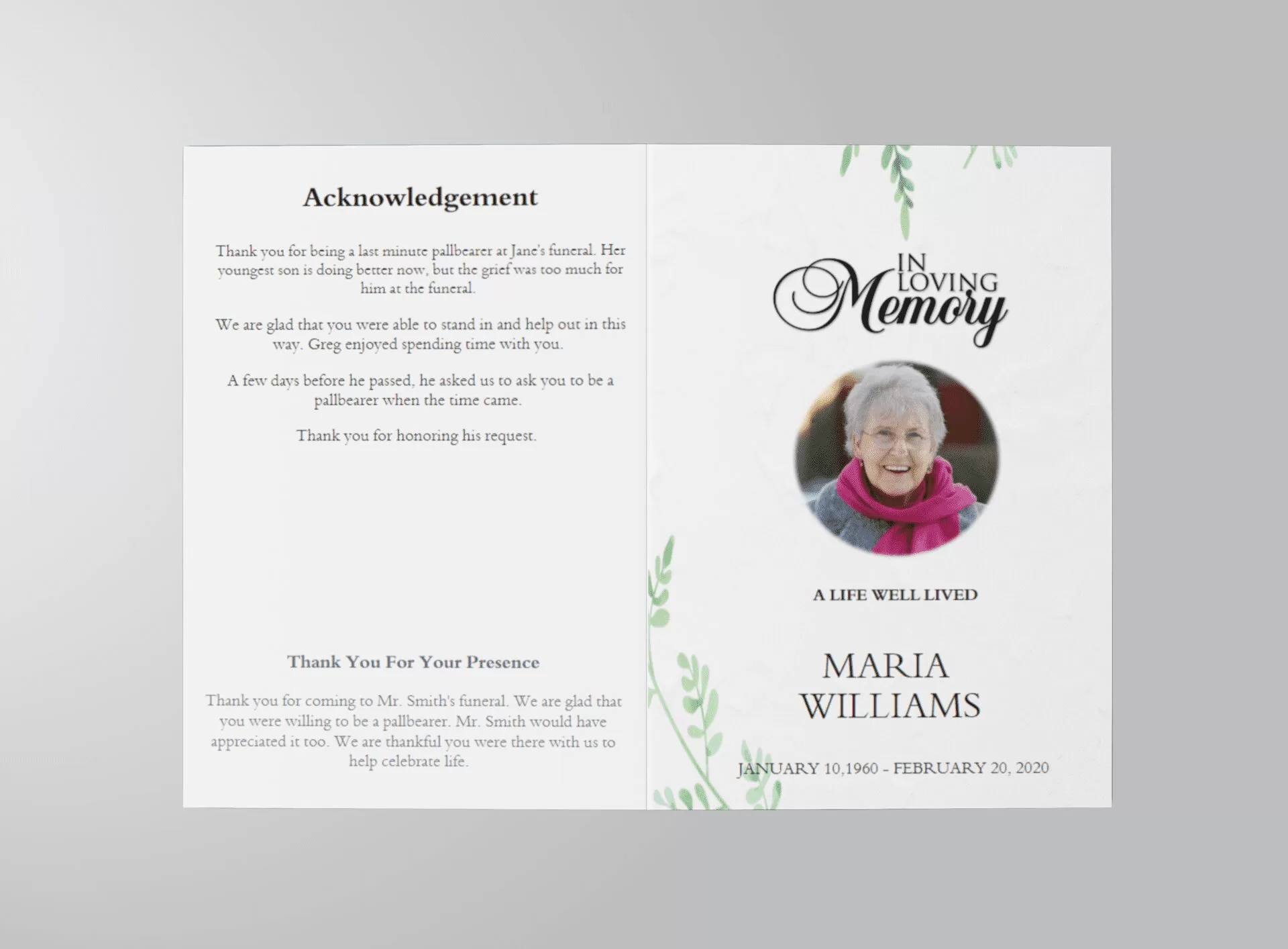
Sample Obituary Templates

Navigating the Emotional Journey of Funeral Planning

Obituary Template

Understanding Funeral Planning

Experiencing the loss of a loved one is a deeply emotional journey. During such challenging times, the need for comprehensive funeral planning becomes paramount. This process not only helps in honoring the deceased but also provides a structured approach to manage the myriad of decisions that need to be made.

The Importance of Funeral Planning

Funeral planning is not merely about logistics; it encompasses understanding the emotional and financial aspects involved. Here are several key points to consider:

  • Emotional Relief: Having a plan in place can alleviate some of the stress during a time of grief.
  • Financial Preparedness: Planning ahead helps in managing costs and avoiding unexpected expenses.
  • Personalization: It allows families to create a service that truly reflects the life and values of their loved one.

Key Aspects of Funeral Planning

When embarking on the journey of funeral planning, here are some essential areas to focus on:

  • Choosing the Right Service: Decide whether you prefer a burial, cremation, or a memorial service.
  • Location Decisions: Select a venue that holds significance, whether that be a funeral home, church, or outdoor setting.
  • Obituary Creation: Crafting a meaningful obituary can help in celebrating the life of the deceased. For assistance, check out our obituary template.
  • Involving Family: It’s essential to have open discussions with family members to ensure everyone feels included.

Support Resources

During this trying time, accessing support can be invaluable. Various resources are available to help guide families through the process, including:

Incorporating Meaningful Elements

Adding personal touches to a funeral can greatly enhance the commemorative experience. Consider:

  • Displaying photographs and mementos that capture cherished memories.
  • Including comforting Bible quotes in the funeral program to provide solace.
  • Engaging in rituals that were meaningful to the deceased.

Final Thoughts

While planning a funeral is undoubtedly a challenging task, it is also an opportunity to celebrate a life well-lived. By approaching this process with compassion and clarity, families can honor their loved ones in a way that is both meaningful and comforting.

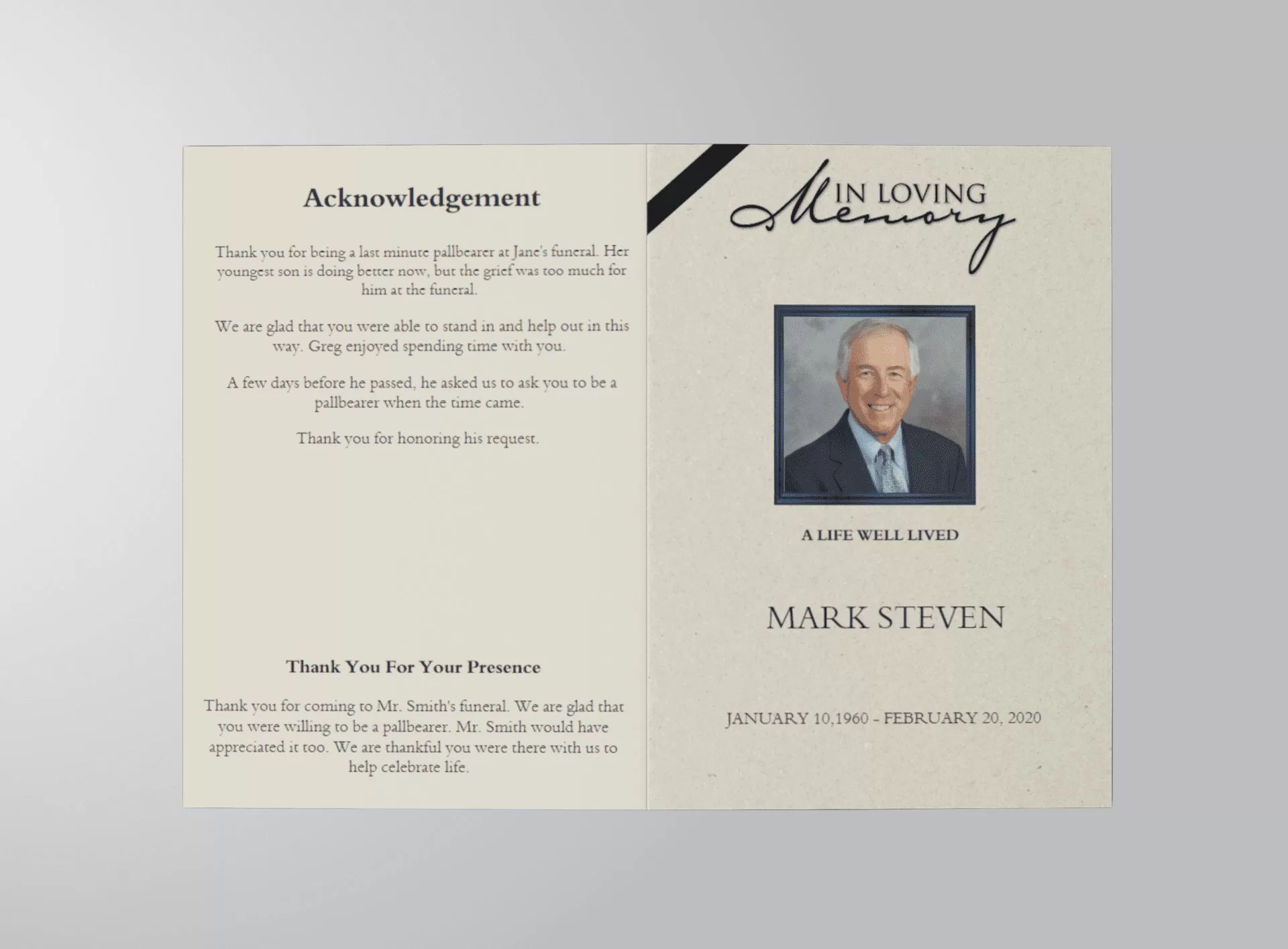
Sample Obituary Templates

A Comprehensive Guide to Funeral Planning

Example of an obituary for a mother template

Understanding Funeral Planning

Planning a funeral is a significant task that requires sensitivity and attention to detail. It is essential to navigate this process with care, as it involves honoring the memory of a loved one while also managing practicalities. This guide aims to provide insights into the funeral planning process, ensuring you feel supported and informed during this challenging time.

Key Aspects of Funeral Planning

  • Choosing a Funeral Home: Research local funeral homes and compare services and prices. It’s crucial to find a provider that aligns with your values and needs.
  • Determining the Type of Service: Decide whether to have a traditional funeral, a memorial service, or a celebration of life. Each option offers a different way to honor your loved one.
  • Budgeting: Establish a budget early on. Consider costs for services, merchandise, and any additional fees. Understanding funeral costs can help you plan effectively.

Emotional Support During Planning

Losing a loved one is emotionally taxing. It’s essential to seek support from family, friends, or even professional counselors. Engaging in conversations about grief can help ease the burden. For comforting words, consider exploring comforting Bible verses that resonate with your beliefs.

Funeral Planning Steps

  1. Gather Information: Collect essential documents and information about the deceased, including their wishes regarding the funeral and burial.
  2. Consult with Family: Involve close family members in the planning process to ensure everyone’s thoughts and feelings are considered.
  3. Select a Casket or Urn: Depending on the chosen service type, select an appropriate casket or urn that reflects your loved one’s personality.
  4. Plan the Service: Choose readings, music, and speakers who can share memories and stories. This personal touch can make the service more meaningful.
  5. Notify Guests: Create a list of people to invite and send out notifications, whether through traditional mail or digital means.

Additional Resources

For those looking for a more in-depth understanding, our article on navigating the essentials of funeral planning can provide you with more guidance. We also recommend reading about the journey of funeral planning to better grasp the emotional and logistical aspects involved.

Final Thoughts

While funeral planning can feel overwhelming, taking it step by step and utilizing the resources available can make the process smoother. Remember, you are not alone in this journey; support is available through family, friends, and professional services.

Comprehensive Guide to Funeral Planning

Obituary Example

Understanding the Essentials of Funeral Planning

Planning a funeral can be one of the most challenging tasks a family faces during a time of loss. At QuickFuneral LLC, we strive to support families through this emotional journey by providing comprehensive resources and helpful guides.

The Importance of Thoughtful Funeral Planning

When a loved one passes away, thoughtful funeral planning is essential. It not only honors the deceased but also helps families to cope with their grief. A well-planned funeral can provide a sense of closure and a space for family and friends to gather and remember. For more insights, check out our Understanding Funeral Planning: A Compassionate Approach.

Key Steps in Funeral Planning

  1. Gather Information: Collect vital information about the deceased, including their preferences and any pre-arrangements they may have made.
  2. Choose a Funeral Home: Research local funeral homes, their services, and their reputation. This step is crucial for ensuring your family’s needs are met.
  3. Select the Type of Service: Decide on the kind of service that reflects your loved one’s wishes—be it a traditional funeral, memorial service, or celebration of life.
  4. Plan the Details: From selecting music to arranging for speakers, every detail matters. Our Staples Funeral Programs: Comprehensive Guide for Families offers valuable assistance in this area.

Understanding the Emotional Journey

Funeral planning is not just a logistical task; it also involves navigating a complex emotional landscape. Grief can manifest in various ways, and it’s important to allow space for personal feelings. You might find it helpful to read our article on Navigating the Emotional Journey of Funeral Planning, which offers insights into coping with loss.

Resources for Families

At QuickFuneral, we provide numerous resources to make this process easier:

By utilizing these resources, families can feel more empowered to make informed decisions during a challenging time. Remember, you are not alone in this process; we are here to help guide you every step of the way.

Sample Obituary Templates

Understanding Funeral Planning with Compassion and Care

Example of an obituary for a mother

Introduction to Funeral Planning

Dealing with the loss of a loved one is one of life’s most challenging experiences. When this happens, the task of planning a funeral can feel overwhelming. However, understanding the essentials of funeral planning can help ease some of the burdens during this difficult time.

Why Funeral Planning is Important

Funeral planning is a crucial step in honoring the life of a loved one and providing closure for family and friends. Here are some key reasons why it is essential:

  • It allows you to make decisions in advance, ensuring that the wishes of your loved one are respected.
  • Planning ahead can alleviate stress for family members during an emotional time.
  • It provides an opportunity to customize the service, reflecting the personality and values of the deceased.

Key Steps in Funeral Planning

When approaching funeral planning, consider the following steps:

  1. Gather Information: Collect details about the deceased, including personal history and preferences regarding the service.
  2. Budgeting: Establish a budget early on to avoid overspending. Consider all expenses, including caskets, venue, and service fees.
  3. Choose a Venue: Select a location for the service that is meaningful and accessible to family and friends.
  4. Personalize the Service: Incorporate elements such as music selections, readings, and personal tributes to celebrate the life of your loved one.

Resources for Support

When faced with the emotional challenges of planning a funeral, it can be beneficial to seek guidance and support. Here are some valuable resources:

Understanding Different Funeral Options

There are various types of funerals to choose from, each offering a unique way to honor your loved one:

  • Traditional Funeral: Typically includes a viewing, service, and burial or cremation.
  • Memorial Service: A service without the body present, allowing for flexibility in timing and location.
  • Celebration of Life: A more casual event that focuses on celebrating the deceased’s life rather than mourning the loss.

Final Thoughts on Funeral Planning

While the process of planning a funeral can be daunting, it’s important to remember that you are not alone. Many resources are available to help guide you through this journey. For those seeking a more detailed understanding, consider reading about Navigating the Essentials of Funeral Planning to gain further insights into managing the logistics and emotional aspects of this process.

fall card

Understanding Funeral Planning: A Compassionate Guide

Example of an obituary for a mother

Understanding Funeral Planning: A Compassionate Guide

Facing the loss of a loved one is undoubtedly one of the most challenging experiences in life. During such heart-wrenching times, the emotional burden can feel overwhelming. That’s why understanding funeral planning is essential for honoring their memory and providing a meaningful farewell.

Why Funeral Planning Matters

Planning a funeral is not just a logistical task; it is a vital step in navigating grief. It allows family members to come together, share memories, and celebrate the life of their loved one. Here are some key reasons why funeral planning is important:

  • Provides a structured way to manage grief.
  • Helps honor the deceased’s wishes.
  • Offers a chance for family unity.
  • Allows for personalized tributes.

Steps in the Funeral Planning Process

While the process can feel daunting, breaking it down into manageable steps can help. Here’s a quick overview of what to consider:

  1. Gather Information: Collect details about your loved one’s life, including their preferences for a service.
  2. Choose a Funeral Home: Research local funeral homes that align with your family’s values and budget.
  3. Select the Type of Service: Decide between a traditional funeral, memorial service, or celebration of life.
  4. Plan the Logistics: Arrange for transportation, flowers, and any other necessary services.
  5. Personalization: Incorporate meaningful elements such as music, readings, and tributes.

Finding Comfort During Loss

During these challenging times, many find solace in spiritual guidance. Bible verse condolences can provide comfort and strength, reminding us that we are not alone in our grief. Here are some verses that may resonate:

  • “Blessed are those who mourn, for they will be comforted.” – Matthew 5:4
  • “The Lord is close to the brokenhearted and saves those who are crushed in spirit.” – Psalm 34:18

Resources for Further Support

As you navigate this journey, consider utilizing available resources. The Comprehensive Guide to Funeral Planning offers extensive information on various aspects of arranging a service. Additionally, our Essential Guide to Funeral Planning can provide insights tailored to your loved ones’ needs.

Remember, planning a funeral is not solely about logistics; it is a sacred opportunity to reflect on the life of a cherished individual and to support one another through the grieving process. Embrace the journey with compassion and love.

Funeral Program Template Online

The Importance of Compassionate Funeral Planning

Obituary Example

Understanding the Need for Funeral Planning

When a loved one passes away, the grief can be overwhelming. During such a challenging time, having a well-thought-out funeral plan can provide some solace. Planning a funeral not only allows you to honor the departed but also helps in managing the logistics effectively. For a comprehensive look at funeral planning, it’s essential to consider various aspects that contribute to a meaningful farewell.

Key Components of Funeral Planning

  • Choosing the Right Service: Understanding the type of service that aligns with the deceased’s wishes can be a crucial first step.
  • Budgeting: Establishing a budget is vital. Consider looking into the costs associated with different services to avoid unexpected expenses.
  • Location: Selecting a venue that is convenient for family and friends is important. Some may prefer a religious setting, while others might choose a more personal place.
  • Funeral Type: Decide whether a burial or cremation is more appropriate. Each option carries its own set of considerations.

Gaining Comfort Through Scriptures

For many, finding solace in spirituality can be an essential part of the mourning process. Comforting Old Testament verses for a funeral can be a source of inspiration and peace during this difficult time. Incorporating such verses into the service can also be a beautiful way to celebrate the life of the departed.

Navigating Grief and Planning

Understanding that grief comes in waves can help families navigate the complexities of planning a funeral. While it’s important to honor the deceased, families must also take care of their emotional well-being. Resources like navigating the journey of funeral planning can provide guidance on how to manage these emotions while making necessary arrangements.

Support Systems

As you embark on the funeral planning journey, consider surrounding yourself with a support system. Whether it’s family, friends, or professional counselors, having a network can ease the burden. For those who need additional support, understanding funeral planning can help families feel more prepared and less isolated during this time.

Final Thoughts on Funeral Planning

Funeral planning is indeed a significant task that requires compassion and care. It’s a way to pay tribute to a loved one while also ensuring that those left behind have the support they need to heal. Consider exploring resources like navigating the journey of funeral planning with care to further guide your process.

In summary, while the experience of losing a loved one is never easy, having a thoughtful plan can help ease the transition. Embrace the support around you and take the time to celebrate the life lived.

Catholic Funeral Program Example PDF (Free Editable Template)

Navigating the Journey of Funeral Planning with Compassion

Obituary Template

Understanding the Emotional Landscape of Funeral Planning

When facing the loss of a loved one, the journey of grief intertwines with the practicalities of funeral planning. This delicate balance requires sensitivity and thorough understanding. To assist you in this challenging time, we offer several resources that can help you navigate the intricacies of planning a meaningful tribute.

Why Thoughtful Funeral Planning Matters

Planning a funeral is not merely a logistical task; it’s an important step in honoring the memory of your loved one. Thoughtful funeral planning allows family and friends to celebrate the life that was lived. To delve deeper into this topic, you may find our article on The Importance of Thoughtful Funeral Planning particularly insightful.

Key Elements of Funeral Planning

  • Choosing a Funeral Home: Selecting a compassionate and reputable funeral home can ease the burden during this difficult time.
  • Understanding Costs: Funeral expenses can vary widely. Familiarizing yourself with these costs can help in making informed decisions.
  • Personalizing the Service: Consider how to reflect your loved one’s personality in the service, from music choices to decor.

Resources for a Compassionate Planning Experience

We understand that every situation is unique. Therefore, we provide a variety of guides to assist you through the complexities of funeral planning. For a more detailed exploration, check out our Navigating Funeral Planning with Compassion and Care article which offers valuable insights on approaching this process with empathy.

Creating a Personalized Obituary

An obituary is a meaningful way to share your loved one’s story. If you need guidance on how to craft a heartfelt obituary, our Obituary Template can serve as a great starting point.

Planning Ahead: A Gift for Your Loved Ones

Pre-planning a funeral can alleviate stress for your family during a time of loss. By discussing your wishes in advance, you can ensure that your preferences are honored. For more on this important topic, visit our comprehensive guide at Comprehensive Guide to Funeral Planning.

Handling Grief While Planning

The emotional toll of loss can be overwhelming. It’s essential to allow yourself to grieve while managing the practical aspects of planning. Our article A Heartfelt Guide to Funeral Planning and Memorials offers supportive advice on how to navigate these emotions effectively.

Support Systems

Engaging with support groups or seeking assistance from friends and family can provide comfort. Do not hesitate to lean on your community during this time.

Back to Top
Product has been added to your cart
Compare (0)