
Top Free Funeral Program Templates for Every Service Style

Essential Insights into Funeral Planning and Obituaries

Example of an obituary for a mother

Understanding the Importance of Funeral Planning

Planning a funeral can be one of the most challenging tasks a family faces during a time of loss. It involves numerous decisions and considerations, and it’s essential to approach this process with thought and care. At QuickFuneral LLC, we aim to provide you with the resources you need to navigate this difficult journey.

Key Elements of Funeral Planning

  • Choosing the Right Services: Understand different types of services available, from traditional funerals to cremation.
  • Budgeting: Consider costs associated with various funeral services and how to manage expenses effectively.
  • Personalization: Make the service meaningful by including personal touches that reflect the deceased’s life.
  • Legal Requirements: Be aware of necessary legal documentation and procedures that must be followed.

For a deeper understanding of the intricacies involved in funeral planning, refer to our Navigating the Essentials of Funeral Planning guide, which offers a comprehensive overview of what to expect during this emotional time.

Writing an Obituary

One important aspect of honoring a loved one is writing a heartfelt obituary. This serves as a final tribute to their life and a way to inform others of their passing. When crafting an obituary, consider including sections such as:

  • Biographical Information: Include key details about the individual’s life, including birthdate, family, and accomplishments.
  • Survived By: This section can be particularly sensitive but is essential for acknowledging family members. For guidance on how to write this section, check out our Comprehensive Guide to Writing ‘Survived By’ in Obituaries.
  • Service Information: Provide details about the funeral service, including date, time, and location.

By following these guidelines, you can create a meaningful obituary that reflects the essence of your loved one. For a template that can help you get started, visit our Obituary Template.

Essential Resources for Funeral Planning

At QuickFuneral LLC, we offer a range of resources to assist you in the funeral planning process. Here are some valuable links:

In addition, understanding the emotional aspects of this process is vital. Our guide on Understanding Funeral Planning: A Comprehensive Guide discusses how to manage your feelings during this time and make informed decisions.

By utilizing these resources and taking a thoughtful approach to funeral planning and obituaries, you can ensure that you honor your loved one’s memory in a meaningful way.
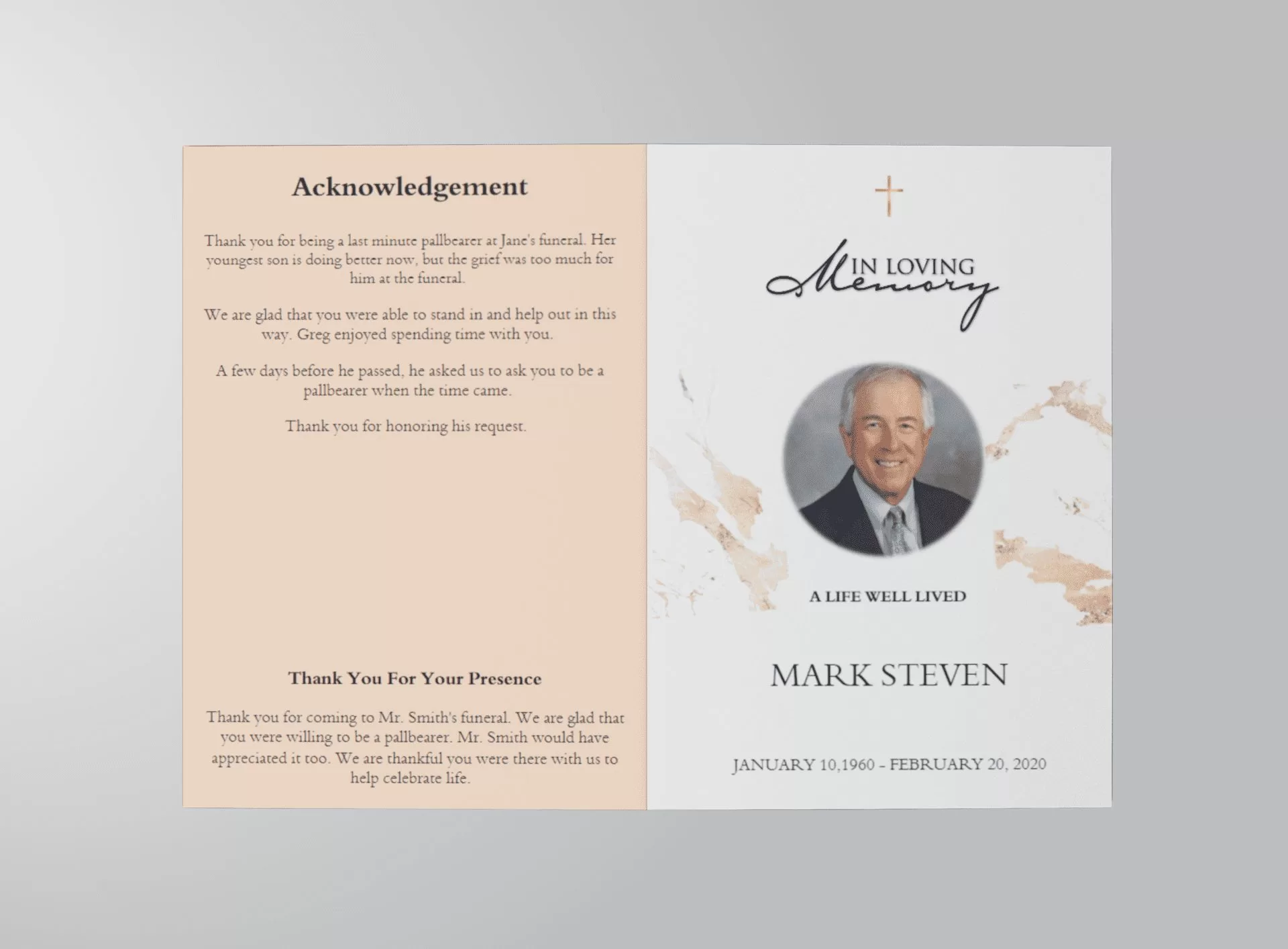

A Comprehensive Guide to Funeral Planning

Example of an obituary for a mother template

Understanding the Importance of Funeral Planning

Planning a funeral is a significant act of love and respect for your deceased loved one. It’s a way to honor their life and provide closure for those left behind. However, the process can be overwhelming, especially during a time of grief. At QuickFuneral LLC, we aim to simplify this process.

Key Steps in Funeral Planning

  • Gathering Information: Collect essential details like the deceased’s full name, date of birth, and date of death.
  • Choosing the Type of Service: Determine whether you want a traditional burial, cremation, or a memorial service.
  • Setting a Budget: Understand the costs involved and set a budget that works for your family.
  • Consulting Professionals: Engage with funeral directors who can guide you through the process and help with logistics.

Why Funeral Planning Matters

Effective funeral planning helps alleviate stress during a challenging time. For a deeper understanding, explore our Understanding Funeral Planning: A Comprehensive Guide.

Essential Components of Funeral Services

Each funeral service can be tailored to reflect the personality and preferences of the deceased. Here are some components to consider:

  • Obituaries: Writing an obituary is a meaningful way to share the life story of your loved one. For assistance, check our Essential Guide to Funeral Planning and Obituaries.
  • Memorialization: Think about how you want to memorialize your loved one, such as through photos, videos, or personal mementos.
  • Reception: Consider hosting a gathering after the service to celebrate the life of the deceased with friends and family.

Understanding Funeral Costs

Funeral costs can vary widely, depending on choices made during the planning process. It’s crucial to understand these costs fully. For a comprehensive look at what to expect, read our Navigating Funeral Planning: A Comprehensive Guide.

Support for Families During the Process

The emotional toll of planning a funeral can be significant. Families often need support during this time. We provide Essential Insights into Funeral Planning for Families to help navigate these challenges.

Final Thoughts

While planning a funeral is never easy, understanding the process and having the right resources can make it more manageable. By accessing the right information and support, you can honor your loved one’s memory gracefully.

How to Write a Funeral Program Obituary

Understanding Funeral Planning: A Comprehensive Guide

Example of an obituary for a mother

Why Funeral Planning Matters

Planning a funeral is one of the most significant acts of love you can perform for a deceased loved one. It is not merely a service; it is a tribute to their life, a chance for family and friends to come together in remembrance. For many, this can be an emotional and overwhelming experience. However, having a structured approach can significantly ease the burden. Our Essential Guide to Funeral Planning and Memorialization is a great starting point.

Steps to Consider in Funeral Planning

  1. Choosing the Right Services: Decide on burial or cremation, and explore different service types.
  2. Setting a Budget: Understand the costs involved and plan accordingly to avoid overspending.
  3. Personalizing the Service: Think about how to incorporate personal touches to honor the deceased.
  4. Legal Requirements: Familiarize yourself with any legal paperwork needed, such as death certificates.

Helpful Resources for Funeral Planning

To navigate this challenging time, consider utilizing our Navigating Funeral Planning resource. It provides insights that can help you make informed decisions during this sensitive period.

Emotional Support and Poetry

During times of grief, many find solace in literature. Our article on Poems About Death by Famous Poets explores how poetry can articulate the complex emotions surrounding loss, offering comfort and understanding.

Creating a Meaningful Obituary

Writing an obituary can be a meaningful way to celebrate a life. It serves as a public notice, but it can also reflect the personality and spirit of your loved one. Our Essential Guide to Funeral Planning and Obituaries provides tips on how to craft a heartfelt obituary that resonates with those who knew them.

Further Insights for Families

Understanding the nuances of funeral planning is crucial. Our Essential Insights into Funeral Planning for Families offers valuable information for families looking to navigate the complexities of this process.

Final Thoughts

While planning a funeral may seem daunting, the right resources and guidance can make a world of difference. Consider exploring our comprehensive guides to ensure every detail honors your loved one appropriately.

How to Write a Funeral Program Obituary

Essential Guide to Funeral Planning and Obituaries

Obituary Example

Understanding the Basics of Funeral Planning

Planning a funeral can feel overwhelming, but understanding the essentials can ease the process significantly. It allows families to navigate this challenging time while honoring their loved ones. Here’s a comprehensive guide that outlines the key elements of funeral planning.

1. Importance of Funeral Planning

Funeral planning is not just a series of tasks; it’s a significant way to pay tribute to a loved one. Here are a few reasons why it matters:

  • Honoring Wishes: Ensures that the deceased’s wishes are respected.
  • Family Support: Helps family members to support each other during a difficult time.
  • Financial Consideration: Allows for better budgeting and financial management.

For more insights, check our detailed article on thoughtful funeral planning.

2. Crafting an Obituary

An obituary is a vital part of commemorating a loved one. It highlights their life and legacy. To assist you in writing a heartfelt obituary, you can use our obituary template for Word. This resource provides a compassionate guide to help articulate your sentiments.

Key Elements of an Obituary

  • Full Name: Include the full name of the deceased.
  • Dates: Mention the birth and death dates.
  • Life Achievements: Highlight significant milestones and contributions.
  • Surviving Family: List family members who are left behind.

3. Navigating Grief and Funeral Planning

Grief is a natural response to loss, and it can influence funeral planning decisions. Understanding how grief affects this process is crucial. For support, refer to our article on navigating grief and planning.

4. Essential Steps in Funeral Planning

Here are some essential steps to follow when planning a funeral:

  1. Choose a Funeral Home: Research and select a funeral home that fits your needs.
  2. Decide on the Type of Service: Consider whether a traditional service, memorial, or celebration of life is appropriate.
  3. Arrange for Transportation: Make arrangements for the transportation of the deceased.
  4. Plan the Details: This includes music, readings, and speakers.

For more detailed information on the process, visit our page on understanding the essentials of funeral planning.

5. After the Funeral

The period following a funeral is often filled with mixed emotions. Families should take time to grieve and heal together. Support from friends and community can play a vital role during this time.

By being informed about the funeral planning process, you can ensure that you honor the memory of your loved one while taking care of your family’s needs. Remember that you are not alone in this journey; resources are available to assist you every step of the way.

How to Write a Funeral Program Obituary

Essential Insights into Funeral Planning

Example of an obituary for a mother

Understanding the Importance of Funeral Planning

Planning a funeral is often one of the most challenging tasks families face during a time of grief. It’s crucial to navigate this process with care and compassion. Whether you are looking for a comprehensive guide to funeral planning or specific examples to help you through, having the right information can make all the difference.

Key Steps in Funeral Planning

Here are some vital steps to consider when planning a funeral:

  • Determine the type of service: Decide whether you would prefer a traditional funeral, a memorial service, or a celebration of life.
  • Choose a location: Consider where the service will be held—this could be at a funeral home, a church, or even in a private residence.
  • Select a casket or urn: Depending on your choices, selecting a casket or urn is an important aspect of the planning process.
  • Prepare an obituary: Writing an obituary is a meaningful way to honor your loved one. For guidance, check out our obituary template.

Funeral Programs as Keepsakes

Funeral programs serve as a lasting memento for attendees and can include the order of service, photos, and personal messages. To find inspiration, visit our comprehensive guide to funeral program examples.

Emotional Support During Planning

It’s important to acknowledge the emotional burden that comes with planning a funeral. Seeking support from friends, family, or even professional counselors can be beneficial. Understanding the intricacies of this process can ease the burden, so consider reading navigating the complexities of funeral planning for more insights.

Personalizing the Service

Personal touches can make a service more meaningful. Here are some ideas:

  • Incorporate favorite songs or readings.
  • Include special photographs in the program.
  • Invite family and friends to share memories.

To create a personalized service, it’s beneficial to refer to our guide on guiding you through the funeral planning process.

Final Thoughts on Funeral Arrangements

Understanding funeral planning can significantly ease the stress of arranging a loved one’s farewell. While the process may feel daunting, utilizing available resources and support can help you make informed decisions.

Understanding Funeral Planning: A Comprehensive Guide

Example of an obituary for a mother template

Why Funeral Planning is Important

When faced with the loss of a loved one, the emotional burden can be heavy. Planning a funeral is a critical step that allows families to honor their loved ones appropriately. It’s essential to understand the intricacies involved, which can often feel overwhelming. This guide aims to simplify the process for you.

Key Steps in Funeral Planning

  1. Gather Information: Collect necessary details about the deceased, including their wishes regarding the service.
  2. Choose a Funeral Home: Selecting a reputable funeral home is crucial. Visit Navigating the Complexities of Funeral Planning for tips.
  3. Decide on the Type of Service: Consider whether a traditional funeral, memorial service, or celebration of life fits your loved one’s personality.
  4. Plan the Details: This includes selecting readings, music, and speakers. Personal touches can make the service more memorable.
  5. Consider Burial or Cremation: Discuss options with family and choose what aligns best with the deceased’s wishes.

Understanding Funeral Costs

Funeral expenses can quickly add up, making it essential to budget wisely. You can learn more about managing these costs by visiting Understanding the Essentials of Funeral Planning.

Creating a Meaningful Tribute

Obituaries play a vital role in celebrating a person’s life. They not only inform the community about the passing but also serve as a beautiful way to remember and honor the deceased. For guidance on crafting an obituary, check out Creating Meaningful Memorials.

Legal Considerations

Understanding legal requirements is also crucial during funeral planning. Ensure you have all necessary documentation, such as death certificates, and consider consulting a professional if needed.

Emotional Support During Planning

Funeral planning can be an emotionally charged process. It’s important to seek support from friends or professionals. If you’re looking for structured guidance throughout this process, visit Guiding You Through the Funeral Planning Process.

In conclusion, understanding the nuances of funeral planning helps you create a meaningful farewell for your loved one while navigating this difficult time with care and respect.

funeral program template

Guiding You Through the Funeral Planning Process

Example of an obituary for a mother

Understanding Funeral Planning

Planning a funeral is a significant responsibility, often undertaken during a time of great emotional turmoil. It’s essential to create a personalized and meaningful tribute that reflects the life of your loved one. To navigate this journey effectively, it’s helpful to grasp the fundamentals of funeral planning.

Why Funeral Planning Matters

Funeral planning is not just about logistics; it’s about honoring the deceased and providing closure to family and friends. Here are some key reasons why understanding funeral planning is critical:

  • Emotional Support: A well-planned funeral can provide comfort to grieving relatives.
  • Personalization: It allows for a celebration that truly reflects the individual’s personality and life achievements.
  • Financial Preparedness: Planning ahead can help save costs and avoid unexpected expenses.

Essential Steps in the Planning Process

Here are the fundamental steps involved in organizing a funeral:

  1. Choose a Funeral Home: Research local funeral homes and select one that fits your needs.
  2. Decide on the Type of Service: Options include traditional, memorial, or direct cremation services.
  3. Plan the Details: Consider the venue, time, and any specific requests from the deceased or their family.
  4. Create an Obituary: This serves as a tribute to the loved one and informs the community of the service.

For more insights on planning, refer to our comprehensive guide to funeral planning.

Creating Meaningful Memorials

Obituaries play a crucial role in memorializing loved ones. They not only announce a death but also celebrate a life. Crafting a thoughtful obituary can be a healing process. For tips on writing obituaries, check out our article on creating meaningful memorials.

Finding Comfort in Scripture

During times of loss, many find solace in Bible verses. These passages can provide comfort and hope to grieving families. Incorporating them into the service can enhance the emotional support provided during this difficult time.

Navigating the Complexities of Funeral Planning

Funeral planning can be overwhelming, especially if faced with numerous decisions during a time of grief. Our article on navigating the complexities of funeral planning offers essential insights and guidance to help you through this process.

Understanding the essentials of funeral planning is vital for ensuring a smooth and respectful farewell. To further delve into the essentials, visit our resource on understanding the essentials of funeral planning.

Understanding Funeral Planning: A Comprehensive Guide

Example of an obituary for a mother template

Why Funeral Planning Matters

Planning a funeral is more than just organizing an event; it’s about creating a meaningful tribute to a loved one. Understanding the essentials of funeral planning can alleviate stress during such a difficult time. By taking the time to plan, you can ensure that the service reflects the personality and wishes of the deceased.

Key Considerations in Funeral Planning

  • Budget: Set a financial limit to guide your decisions.
  • Type of Service: Choose between a traditional service, a memorial, or a celebration of life.
  • Location: Decide where the service will be held—at a funeral home, church, or another venue.
  • Personal Touches: Incorporate unique elements such as music, readings, and personal mementos.

Creating Meaningful Memorials

Obituaries play a critical role in the grieving process. They provide an opportunity for families to express their love and share the legacy of their loved ones. Check out our guide on creating meaningful memorials to learn how to write an obituary that honors a life well-lived.

Understanding the Logistics

As you navigate through planning, it’s essential to understand the various logistical aspects involved. From choosing a casket to coordinating transportation, navigating funeral planning can be overwhelming. Here are some logistics to consider:

  1. Casket and Urn Selection
  2. Transportation Arrangements
  3. Legal Requirements
  4. Death Certificates

Support Resources

During this challenging time, it’s important to seek support. Many resources are available to help families cope with grief and the complexities of planning a funeral. For a comprehensive understanding, explore our article on navigating the complexities of funeral planning.

Final Thoughts on Funeral Planning

While planning a funeral can be a daunting task, it is also an opportunity to celebrate a life and create lasting memories. By approaching the process with care and thoughtfulness, you can ensure that the wishes of your loved one are honored and that family and friends come together in a meaningful way.

Sample Obituary Templates

Navigating the Complexities of Funeral Planning

Example of an obituary for a mother

Understanding Funeral Planning

Planning a funeral can often feel like an overwhelming task, especially when faced with the emotional weight of loss. It’s essential to approach this process with care and consideration. For many, understanding the essentials of funeral planning is the first step toward making informed decisions during a difficult time. To gain a deeper insight into this topic, you may want to explore our article on Understanding the Essentials of Funeral Planning.

Why is Funeral Planning Important?

  • Honoring Loved Ones: A well-planned funeral honors the life of the deceased.
  • Reducing Stress: Planning in advance can alleviate the stress on family members.
  • Personalization: Allows for the incorporation of unique elements that reflect the personality of the deceased.

The Role of Obituaries

Obituaries play a significant role in commemorating a loved one’s life. They serve as a final tribute, encapsulating key achievements and memories. Understanding how to craft meaningful obituaries can greatly enhance the memorial experience. For guidance on this, consider reading Creating Meaningful Memorials: A Guide to Obituaries and Poetry.

Elements of a Good Obituary

  • Full Name: Include the full name of the deceased.
  • Birth and Death Dates: Clearly state these dates for clarity.
  • Life Achievements: Highlight significant accomplishments and contributions.
  • Family Information: Share details about surviving family members.

Essential Insights for Funeral Planning

Navigating the complexities of funeral planning involves making several critical decisions. From selecting a venue to choosing a casket, every choice holds significance. For more in-depth insights, explore our comprehensive guide on Navigating Funeral Planning: Essential Insights and Guidance.

Key Considerations in Planning

  • Budget: Establish a budget that aligns with your financial situation.
  • Funeral Type: Decide between burial, cremation, or alternative options.
  • Venue: Choose a location that reflects the personality of the deceased.

The Importance of Personalization

One of the most meaningful aspects of funeral planning is personalization. Tailoring the service to reflect the unique life of the deceased can foster healing for those left behind. To learn more about creating a personalized experience, check out our article on The Essential Guide to Funeral Planning and Obituaries.

Ways to Personalize a Funeral

  • Favorite Music: Include songs that were meaningful to the deceased.
  • Photo Displays: Create a slideshow or display of cherished memories.
  • Special Readings: Incorporate poetry or quotes that resonate with the family.

Final Thoughts on Funeral Planning

Funeral planning is a profound responsibility that brings together emotion and logistics. By understanding the significance of each aspect, families can navigate this path with compassion and intention. For a deeper dive into all facets of funeral planning, visit our Comprehensive Guide to Funeral Planning and Obituaries.

Creating Meaningful Memorials: A Guide to Obituaries and Poetry

Example of an obituary for a mother

Understanding the Importance of Obituaries

Obituaries serve as a final tribute to our loved ones, encapsulating their life achievements, character, and the impact they had on those around them. Crafting an obituary can seem daunting, but it’s a significant part of the grieving process and can help bring closure to family and friends.

Finding the Right Words

When writing an obituary, it’s essential to convey the essence of the individual. Here are some tips to consider:

  • Include Basic Information: Name, date of birth, and date of passing.
  • Life Achievements: Highlight key moments in their life, including education, career, and passions.
  • Family: Mention surviving family members and loved ones.
  • Personal Touch: Share anecdotes or quotes that reflect their personality.

Use Our Templates

To ease the process, consider using obituary templates. These resources provide structured formats that can inspire you while allowing for personalization.

Poetry as a Means of Expression

In addition to obituaries, poetry can also be a powerful way to express grief and honor your loved ones. Here are a few types of poems you might consider:

Planning a Meaningful Service

Funeral planning involves many decisions that can reflect your loved one’s personality and wishes. The Essential Guide to Funeral Planning and Obituaries offers comprehensive guidance on how to navigate this process effectively.

Final Thoughts on Memorializing Loved Ones

Creating a memorial is a personal journey and can be tailored to fit your loved one’s unique story. By utilizing the right tools and resources, such as obituary templates and poetry, you can create a meaningful tribute that resonates with family and friends. Embrace the process of remembrance and allow it to foster healing during difficult times.

Back to Top
Product has been added to your cart
Compare (0)