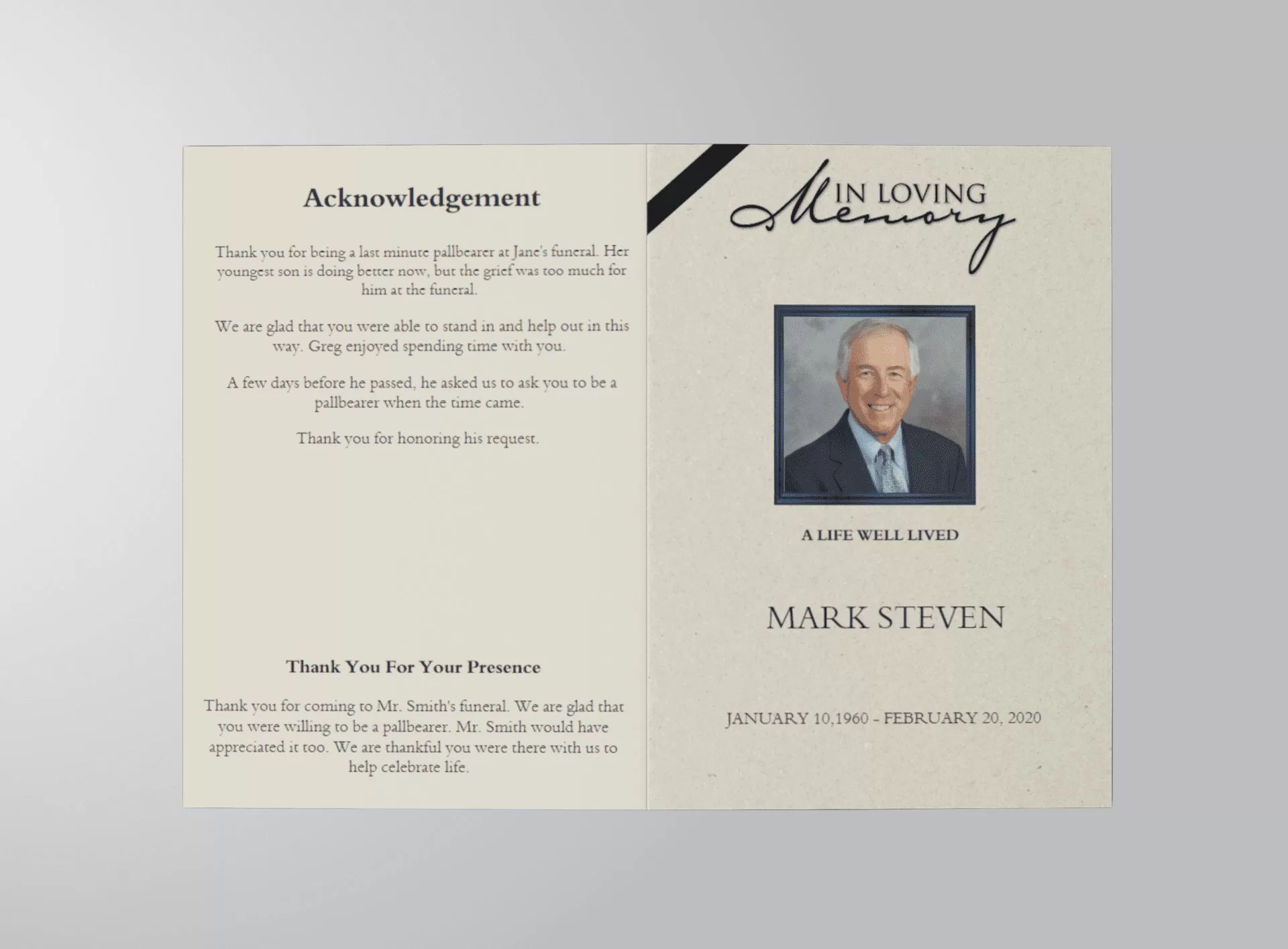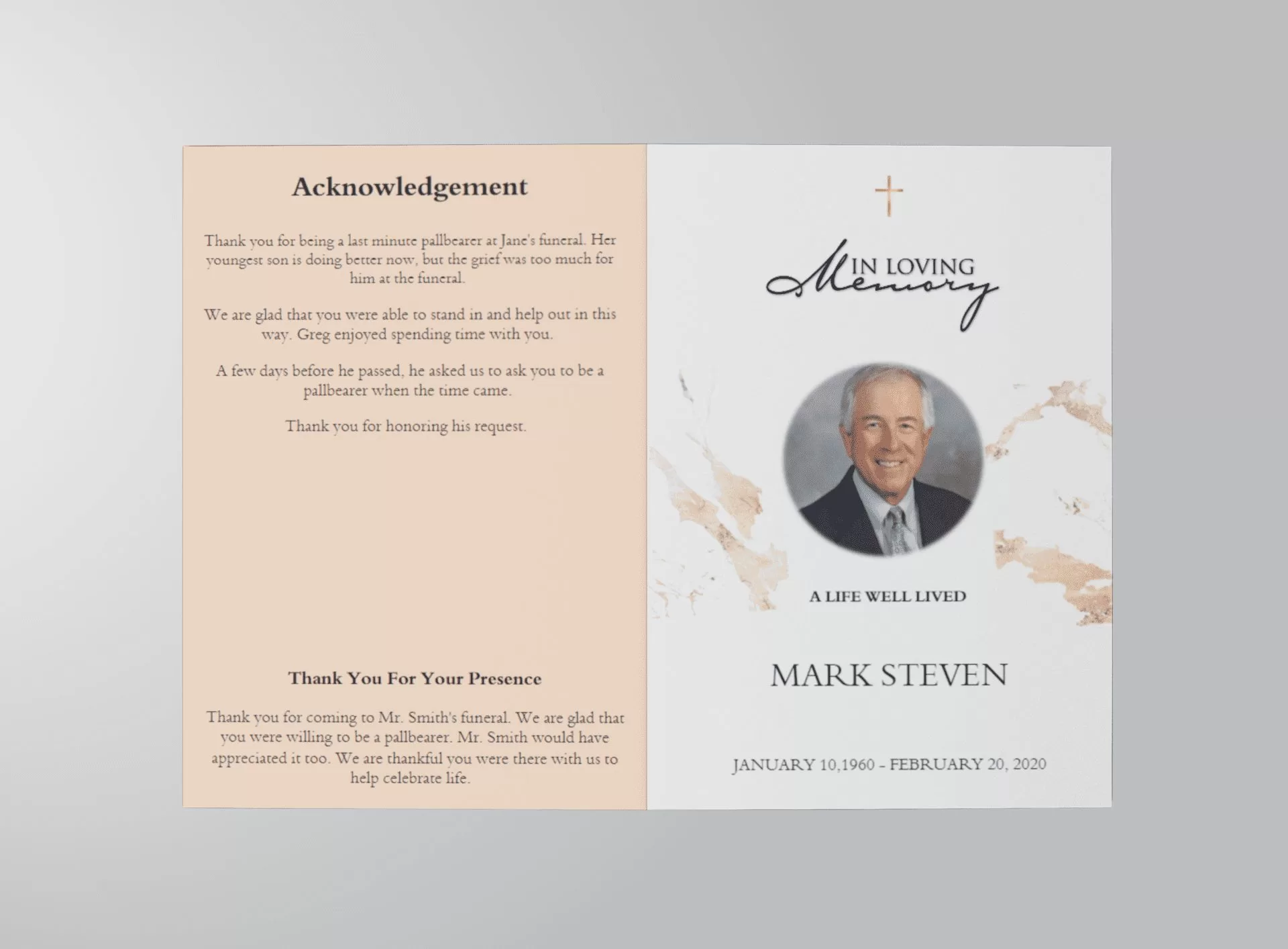
Sample Obituary Templates

Navigating the Complexities of Funeral Planning

Example of an obituary for a mother

Understanding Funeral Planning

Planning a funeral can often feel like an overwhelming task, especially when faced with the emotional weight of loss. It’s essential to approach this process with care and consideration. For many, understanding the essentials of funeral planning is the first step toward making informed decisions during a difficult time. To gain a deeper insight into this topic, you may want to explore our article on Understanding the Essentials of Funeral Planning.

Why is Funeral Planning Important?

  • Honoring Loved Ones: A well-planned funeral honors the life of the deceased.
  • Reducing Stress: Planning in advance can alleviate the stress on family members.
  • Personalization: Allows for the incorporation of unique elements that reflect the personality of the deceased.

The Role of Obituaries

Obituaries play a significant role in commemorating a loved one’s life. They serve as a final tribute, encapsulating key achievements and memories. Understanding how to craft meaningful obituaries can greatly enhance the memorial experience. For guidance on this, consider reading Creating Meaningful Memorials: A Guide to Obituaries and Poetry.

Elements of a Good Obituary

  • Full Name: Include the full name of the deceased.
  • Birth and Death Dates: Clearly state these dates for clarity.
  • Life Achievements: Highlight significant accomplishments and contributions.
  • Family Information: Share details about surviving family members.

Essential Insights for Funeral Planning

Navigating the complexities of funeral planning involves making several critical decisions. From selecting a venue to choosing a casket, every choice holds significance. For more in-depth insights, explore our comprehensive guide on Navigating Funeral Planning: Essential Insights and Guidance.

Key Considerations in Planning

  • Budget: Establish a budget that aligns with your financial situation.
  • Funeral Type: Decide between burial, cremation, or alternative options.
  • Venue: Choose a location that reflects the personality of the deceased.

The Importance of Personalization

One of the most meaningful aspects of funeral planning is personalization. Tailoring the service to reflect the unique life of the deceased can foster healing for those left behind. To learn more about creating a personalized experience, check out our article on The Essential Guide to Funeral Planning and Obituaries.

Ways to Personalize a Funeral

  • Favorite Music: Include songs that were meaningful to the deceased.
  • Photo Displays: Create a slideshow or display of cherished memories.
  • Special Readings: Incorporate poetry or quotes that resonate with the family.

Final Thoughts on Funeral Planning

Funeral planning is a profound responsibility that brings together emotion and logistics. By understanding the significance of each aspect, families can navigate this path with compassion and intention. For a deeper dive into all facets of funeral planning, visit our Comprehensive Guide to Funeral Planning and Obituaries.

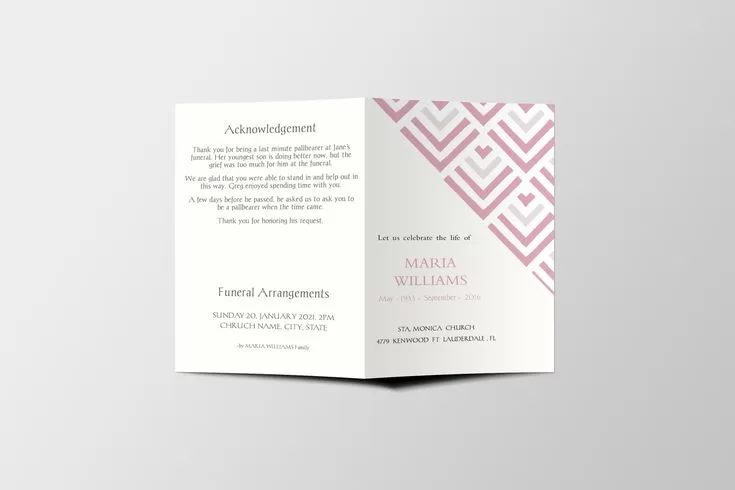
fall card

Understanding the Essentials of Funeral Planning

Obituary Template

The Importance of Funeral Planning

Planning a funeral is a crucial step in honoring the life of a loved one. It’s not just about logistics; it’s an emotional undertaking that can greatly affect the healing process for family and friends. To help you navigate this journey, we have compiled essential insights and resources.

Understanding Funeral Planning

When faced with the loss of someone dear, understanding the various aspects of funeral planning becomes vital. This involves not only the arrangements but also understanding the emotional weight that comes with each decision.

Key Elements of Funeral Planning

  • Choosing the Right Service: Decide between burial, cremation, or other memorial services.
  • Location: Select a venue that reflects the wishes of the deceased and meets the needs of the attendees.
  • Memorialization: Consider incorporating personal touches such as photos, music, and readings that celebrate the life of your loved one.

Helpful Resources for Your Planning Journey

We understand that this can be a challenging time. That’s why we’ve created a range of guides to assist you:

Navigating the Process with Care

It’s important to approach funeral planning with care and understanding. The journey can be overwhelming, but with the right support and information, you can make choices that honor your loved one while also considering the needs of those who are grieving.

For assistance in navigating these challenging decisions, consider our post on Navigating the Journey of Funeral Planning with Care, which provides deeper insights into managing the logistics and emotions involved.

Conclusion

While we won’t delve into conclusions here, remember that you are not alone in this journey. Utilize the available resources and support systems to help guide you through this difficult time.

funeral program template

A Complete Guide to Navigating Funeral Planning

Example of an obituary for a mother template

Navigating the Journey of Funeral Planning

Planning a funeral can be an emotional and overwhelming task, especially during a time of grief. Understanding the essentials of funeral planning is crucial for honoring your loved one while ensuring that the process is as smooth as possible.

Why is Funeral Planning Important?

Funeral planning allows families to celebrate the life of their loved ones in a meaningful way. It provides an opportunity to reflect on their legacy and ensures that their final wishes are respected. Here are some reasons why planning ahead is beneficial:

  • Peace of Mind: Knowing that arrangements are in place can alleviate stress during a difficult time.
  • Personalization: Planning allows you to create a service that aligns with the personality and preferences of your loved one.
  • Financial Considerations: Planning in advance can help manage costs and avoid overspending.

Essential Steps in Funeral Planning

To navigate this journey effectively, consider the following steps:

  1. Gather Information: Collect necessary documents and information about the deceased.
  2. Choose a Funeral Home: Research and select a funeral home that aligns with your family’s needs. For detailed insights, refer to our Essential Insights into Funeral Planning.
  3. Plan the Service: Decide on the type of service, location, and any specific rituals or traditions to incorporate.
  4. Communicate with Family: Keep open lines of communication with family members to ensure everyone’s wishes are considered.

Types of Funeral Services

There are different types of services available, and understanding these options can help in making informed decisions:

  • Traditional Funeral: A service that typically includes a viewing, ceremony, and burial.
  • Cremation Service: Options may include a memorial service or a simple direct cremation without a formal service.
  • Memorial Service: A service held without the body present, often at a later date.

Financial Planning for Funerals

One significant aspect of funeral planning is the financial implications. Here are some tips to keep in mind:

  • Consider pre-planning options that allow you to pay in advance.
  • Explore insurance policies that may cover funeral expenses.
  • Understand the costs associated with each type of service.

For a deeper understanding of the financial aspects, check out our Comprehensive Guide to Funeral Planning Essentials.

Emotional Support During the Process

It’s important to acknowledge the emotional toll that planning a funeral can take. Seeking support from friends, family, or professionals can be beneficial. Consider reaching out to grief counselors or support groups, which can provide assistance and comfort during this challenging time. For more on this topic, visit our post on Navigating the Journey of Funeral Planning.

Final Thoughts

While planning a funeral may initially seem daunting, being well-informed can make the process more manageable. By taking the time to understand the essentials, you can create a meaningful tribute that honors your loved one’s life. For comprehensive resources and guidance, explore our Comprehensive Guide to Funeral Planning.

Honoring Loved Ones Through Poetic Memories

Example of an obituary for a mother

Finding the Right Words to Honor Your Loved One

When a loved one passes away, expressing your feelings can be incredibly challenging. Poetry has the unique ability to convey profound emotions in a heartfelt manner. At QuickFuneral.com, we offer a variety of resources to assist you in honoring your loved one through poignant words and personal memories.

Why Choose Poetry for Memorials?

  • Emotional Connection: Poems can capture the essence of your feelings, bringing comfort to those who grieve.
  • Personal Touch: A thoughtfully chosen poem can reflect the unique personality of the deceased.
  • Memorable Farewells: Reading a poem during the service can create lasting memories for attendees.

Types of Poems to Consider

Different types of poems can be used to honor your loved one, depending on their relationship to you. Here are a few suggestions:

Creating a Poetic Tribute

When crafting a tribute, consider the following steps:

  1. Identify the Tone: Decide whether you want a solemn, uplifting, or reflective tone.
  2. Select the Right Poem: Choose a poem that resonates with the deceased or evokes shared memories.
  3. Add Personal Touches: Feel free to modify the poem to better reflect your loved one’s personality and life.

Additional Resources for Memorial Planning

To assist you further, QuickFuneral provides various templates and guides for creating a meaningful memorial service. For instance, check out our Remember This Poem for Your Loved One’s Memorial page for more ideas.

Conclusion

Poetry can serve as a powerful tool for expressing love and loss during memorial services. Whether you’re mourning a parent or a close friend, finding the right words can help ease the pain and celebrate life. Explore our resources to find the perfect tribute for your loved one.

fall card

Understanding Funeral Planning and Obituaries

Example of an obituary for a mother

Introduction to Funeral Planning

Planning a funeral is a significant yet challenging task during a time of grief. At QuickFuneral LLC, we understand that this process involves not only logistical arrangements but also emotional support. Our aim is to provide you with comprehensive insights to help navigate through this difficult time.

The Importance of Obituaries

An obituary serves as a tribute to your loved one, capturing their essence and celebrating their life. Creating a meaningful obituary is crucial for honoring their legacy. For a detailed guide on how to craft an impactful obituary, check out our Creating Meaningful Obituaries: A Guide.

Essential Elements of Funeral Planning

When planning a funeral, several key components should be considered:

  • Choosing a Funeral Home: Research and select a funeral home that aligns with your needs.
  • Deciding on Service Type: Options may include traditional services, memorials, or cremations.
  • Budgeting: Understand the costs involved and plan accordingly.
  • Personal Touches: Incorporate elements that reflect the personality and wishes of the deceased.

For more in-depth information, our Comprehensive Guide to Funeral Planning offers valuable resources.

Incorporating Scriptures in Funerals

Many families find comfort in including scriptures during the service. Comforting Funeral Scriptures for Healing and Reflection can provide a sense of peace and hope, helping attendees reflect on the life of the deceased.

Future Planning and Pre-Arrangements

Considering future funeral plans can alleviate stress for loved ones. It allows individuals to express their preferences and make arrangements ahead of time. Our article on the Navigating Funeral Planning with Compassion and Care discusses this topic in detail.

Conclusion

The journey of planning a funeral is both emotional and essential. By understanding the various aspects, including creating obituaries and incorporating personal touches, you can honor your loved one’s memory meaningfully. For further insights, our Comprehensive Guide to Funeral Planning and Obituaries offers a wealth of information.

fall card

Creating Meaningful Obituaries: A Guide

Obituary Example

Understanding the Importance of an Obituary

An obituary serves as a tribute to a loved one who has passed away. It is not just a notification of their death, but a heartfelt remembrance that celebrates their life. Writing a fitting obituary can help family and friends cope with their loss while preserving the memory of the deceased.

Key Components of an Obituary

When crafting an obituary, consider including the following elements:

  • Name and age: Include the full name and age of the deceased.
  • Date of birth and death: Clearly state the dates to provide context.
  • Life achievements: Highlight significant milestones, such as education, career, and hobbies.
  • Family details: Mention surviving family members and predeceased relatives.
  • Funeral service information: Provide details about the service, including date and location.

Creating a Heartfelt Obituary Program

To honor your loved one further, consider creating an obituary program. This program can serve as a keepsake for attendees, summarizing the deceased’s life and the details of the service. For guidance, check out our article on creating a heartfelt obituary program with sample templates.

Steps to Writing an Obituary

Follow these steps to write a meaningful obituary:

  1. Gather information: Collect details from family members and friends.
  2. Draft the obituary: Start with basic information, then add personal touches.
  3. Review and edit: Ensure accuracy and clarity by reviewing your draft.
  4. Publish: Share the obituary in newspapers, online, or on social media.

Navigating Funeral Planning

Planning a funeral is often a daunting task. It’s important to understand the essential elements of funeral planning and obituaries to ensure you honor your loved one correctly. This includes choosing the right service type, selecting a burial or cremation option, and understanding the costs involved.

Compassionate Funeral Planning

During this emotional time, it’s crucial to approach funeral planning with compassion. For in-depth insights, visit our article on navigating funeral planning with compassion and care. This resource will guide you through the process, helping you make informed decisions while managing your grief.

Additional Resources for Funeral Planning

For a comprehensive approach to funeral planning, consider reading our detailed guide on understanding funeral planning. This article covers various aspects, from legal considerations to emotional support, ensuring you feel empowered throughout the process.

Additionally, our guide on navigating the essentials of funeral planning provides practical tips and advice to help you manage the logistics of planning a funeral while honoring your loved one’s memory.

fall card

Understanding Funeral Planning: Your Comprehensive Guide

Example of an obituary for a mother

Understanding Funeral Planning

When facing the loss of a loved one, the process of planning a funeral can feel overwhelming. It’s essential to approach this challenging task with care and understanding. At QuickFuneral LLC, we are dedicated to providing resources that empower you during this emotional time.

The Importance of Thoughtful Funeral Planning

Funeral planning is not just about the logistics; it’s about honoring the life of your loved one. Here are a few reasons why thoughtful planning matters:

  • Personalization: Tailoring the service to reflect the individual’s personality and preferences.
  • Emotional Support: Creating a space for family and friends to grieve and celebrate together.
  • Financial Clarity: Understanding costs and options ahead of time can ease financial burdens.

Guides to Get You Started

To assist you in this journey, we’ve compiled several guides that cover various aspects of funeral planning. Consider exploring these resources:

Key Elements of Funeral Planning

When planning a funeral, there are several key elements to consider:

  1. Choosing the Type of Service: Decide whether you want a traditional service, memorial service, or celebration of life.
  2. Selecting a Venue: Consider locations that hold significance for your loved one or family.
  3. Personalizing the Service: Incorporate favorite songs, readings, or personal stories that reflect the individual.
  4. Arranging Logistics: This includes transportation, burial or cremation, and any necessary permits.

Emotional Considerations

The emotional aspect of funeral planning cannot be overstated. It’s important to take care of yourself as you navigate this process. Here are some tips:

  • Seek Support: Don’t hesitate to reach out to friends, family, or professionals for help.
  • Take Your Time: Give yourself the grace to make decisions without feeling rushed.
  • Honor Your Feelings: Allow yourself to experience the range of emotions that come with loss.

Planning a funeral is a deeply personal journey. By utilizing available resources and taking the time to reflect on your loved one, you can create a meaningful and respectful tribute. Remember, you are not alone in this process, and finding guidance can make all the difference.

Funeral Program Template Online

A Guide to Thoughtful Funeral Planning

Example of an obituary for a mother template

Understanding the Importance of Funeral Planning

When faced with the loss of a loved one, planning a funeral can feel overwhelming. However, it is a vital step in honoring their memory. Thoughtful funeral planning not only ensures that the wishes of the deceased are respected, but it also provides comfort to family and friends during a challenging time.

Key Considerations in Funeral Planning

  • Emotional Support: It’s essential to lean on family and friends for emotional support during this time. Connecting with those who share in your grief can be incredibly comforting.
  • Budgeting: Understanding the financial aspects of a funeral is crucial. Setting a budget can help you make informed decisions without feeling pressured.
  • Personalization: Think about how you can personalize the service to reflect the personality of your loved one. This can include music, readings, and even themes that celebrate their life.

Resources for Planning

To assist you in navigating this process, consider exploring resources that provide guidance on funeral planning. For instance, The Importance of Thoughtful Funeral Planning offers insights into how to approach the planning process with care.

Creating a Lasting Memory

Another meaningful way to honor your loved one is by creating a memorial photo collage. These collages serve as a beautiful tribute that captures cherished memories. You can learn more about this process by visiting Create a Heartfelt Memorial Photo Collage.

Understanding the Essentials of Funeral Planning

It’s also helpful to familiarize yourself with the essentials of funeral planning. This includes understanding the various types of services available, as well as the legal and logistical aspects involved. The article Understanding the Essentials of Funeral Planning provides a comprehensive overview that can guide you through this journey.

Compassionate Funeral Planning

Planning a funeral with compassion and care is vital. It allows you to focus on what truly matters—celebrating the life of your loved one while supporting each other in your grief. For additional assistance, the article Navigating Funeral Planning with Compassion and Care can offer further insights and tips.

Managing the Complexities of Funeral Planning

Funeral planning can involve numerous details, which may feel complex. Understanding these intricacies can help ease some of the burdens. For a more in-depth look at these complexities, consider reading Navigating the Complexities of Funeral Planning.

Ultimately, taking the time to plan thoughtfully can make a significant difference in how you and your family cope with the loss of a loved one. Each step taken in the planning process is a step towards healing.

Sample Obituary Templates

The Importance of Thoughtful Funeral Planning

Obituary Example

Understanding the Importance of Funeral Planning

Planning a funeral is one of the most significant tasks we face when losing a loved one. It is not just about managing logistics; it’s an essential step in honoring their life and legacy. Here at QuickFuneral, we understand the emotional weight this task carries and are here to guide you through it.

Why Thoughtful Planning Matters

  • Honoring Their Memory: A well-planned funeral reflects the unique character and values of your loved one.
  • Providing Closure: A funeral can facilitate the grieving process and provide a space for family and friends to support one another.
  • Managing Finances: Thoughtful planning helps to avoid unexpected costs and financial stress during a time of grief.

Key Components of Funeral Planning

When planning a funeral, consider the following aspects:

  1. Choosing a Funeral Home: Research local funeral homes and read reviews. A compassionate team can make the process smoother. For more insights, check out our article on navigating funeral planning with care and compassion.
  2. Selecting a Service Type: Decide on a burial, cremation, or memorial service based on your loved one’s wishes.
  3. Creating a Personalized Program: This can be a touching tribute. Use our funeral program template to help you get started.
  4. Choosing Readings and Music: Select meaningful readings or songs that resonate with the deceased’s life.

Tips for Effective Funeral Planning

Here are some essential tips to help you through the funeral planning process:

  • Communicate with Family: Involve family members in decision-making to ensure everyone feels included.
  • Set a Budget: Determine how much you can spend and stick to your budget. Our guide on essential tips for thoughtful funeral planning can help.
  • Consider Pre-Planning: If possible, discuss funeral wishes with your loved ones beforehand to ease the burden on them later.

Resources to Help You

For those looking for comprehensive guidance, we recommend checking out The Ultimate Guide to Thoughtful Funeral Planning. This resource covers everything from basic concepts to detailed planning steps.

Additionally, for a more in-depth look at handling the emotional aspects of this journey, our article on navigating the journey of funeral planning with compassion offers valuable insights.

Final Thoughts

While planning a funeral can be a daunting task, remember that you are not alone. Resources and support are available to help you through this challenging time. Embrace the process as an opportunity to celebrate and honor your loved one’s life, ensuring their memory lives on.

How to Write a Funeral Program Obituary

A Heartfelt Guide to Funeral Planning and Memorials

Example of an obituary for a mother template

Understanding the Importance of Funeral Planning

Funeral planning can be a daunting task, especially when navigating the emotional complexities of loss. However, it’s crucial for honoring the memory of your loved ones while ensuring that their final wishes are respected. At QuickFuneral.com, we aim to provide you with the resources needed to make this process smoother.

Steps in the Funeral Planning Process

  • Gathering Information: Collect details about the deceased’s life, preferences, and any special requests they may have had.
  • Choosing a Funeral Home: Research and select a funeral home that aligns with your family’s needs and budget.
  • Deciding on Services: Consider whether you want a traditional service, a memorial, or a celebration of life ceremony.
  • Planning the Details: This includes selecting music, readings, and creating a personalized tribute.

Memory Boards for Pictures: Cherishing Memories

One of the most touching ways to celebrate a life is through memory boards for pictures. These boards serve as a visual representation of your loved one’s life and provide a space for family and friends to share their favorite memories. By displaying photographs, you can create a heartwarming tribute that encourages storytelling and connection during the service.

Navigating Funeral Planning with Compassion and Care

Understanding the nuances of the funeral planning process can help alleviate some of the stress involved. Our article on navigating funeral planning with compassion and care offers insights into how to manage this process effectively. You’ll find tips on handling emotional challenges while ensuring that every detail is addressed with love and respect.

Comprehensive Guide to Funeral Planning

If you’re looking for an in-depth overview, our comprehensive guide to funeral planning covers everything from the initial decisions to the final service. This resource is designed to help you navigate the process with confidence, ensuring that your loved one’s farewell is as meaningful as possible.

Essential Insights for Funeral Planning

Planning a funeral involves various choices that reflect the personality and wishes of the deceased. Our page on essential insights for funeral planning provides valuable information on how to make those decisions thoughtfully. From selecting a casket to arranging floral tributes, every choice can contribute to a heartfelt goodbye.

Conclusion

As you embark on this journey of planning a funeral, remember that you are not alone. Resources like our navigating the essentials of funeral planning page can provide the guidance you need during this challenging time. Each step you take is a testament to the love and respect you have for your lost loved one.

For more information on the intricacies of funeral planning, visit our understanding the essentials of funeral planning section, where you’ll find answers to common questions and further resources to assist you.

Back to Top
Product has been added to your cart
Compare (0)