Understanding Funeral Planning: A Complete Resource

Example of an obituary for a mother

Why Funeral Planning is Essential

Funeral planning is a crucial aspect of honoring a loved one’s memory. It allows families to thoughtfully navigate their options during a time of grief. Understanding the steps involved can help ease the burden when making decisions about funeral services and support.

Key Aspects of Funeral Planning

When planning a funeral, consider the following elements:

  • Understanding Wishes: It’s important to know the deceased’s preferences, which can guide your choices.
  • Budgeting: Establish a budget early on to avoid overspending during an emotionally taxing time.
  • Choosing a Service: Decide on the type of service (traditional, memorial, or celebration of life) that best honors the deceased.
  • Location: Select a location that holds significance for the family or the deceased.

Planning Steps

  1. Gather Information: Collect necessary documents and information about the deceased.
  2. Consult a Funeral Provider: Professional guidance can be invaluable. Learn more in our guide to thoughtful funeral planning.
  3. Personalize the Service: Incorporate special elements that reflect the loved one’s personality.
  4. Communicate with Family: Ensure all family members are on the same page regarding the plans.

Helpful Resources

At QuickFuneral, we provide various resources to assist in this challenging time. Our essential guide to funeral planning will help you navigate the complexities of arranging a service. Additionally, our navigating essentials of funeral planning article offers insights into the practicalities involved.

Understanding Obituaries

Writing an obituary is a significant component of the funeral process. It serves as a public announcement and a tribute to the deceased. For guidance, check out our essential insights into funeral planning and obituaries.

The Role of Funeral Directors

Funeral directors can provide invaluable support throughout the planning process. Their expertise can help alleviate stress and ensure that the service runs smoothly. Explore more about understanding funeral planning to learn how professionals assist families in these times.
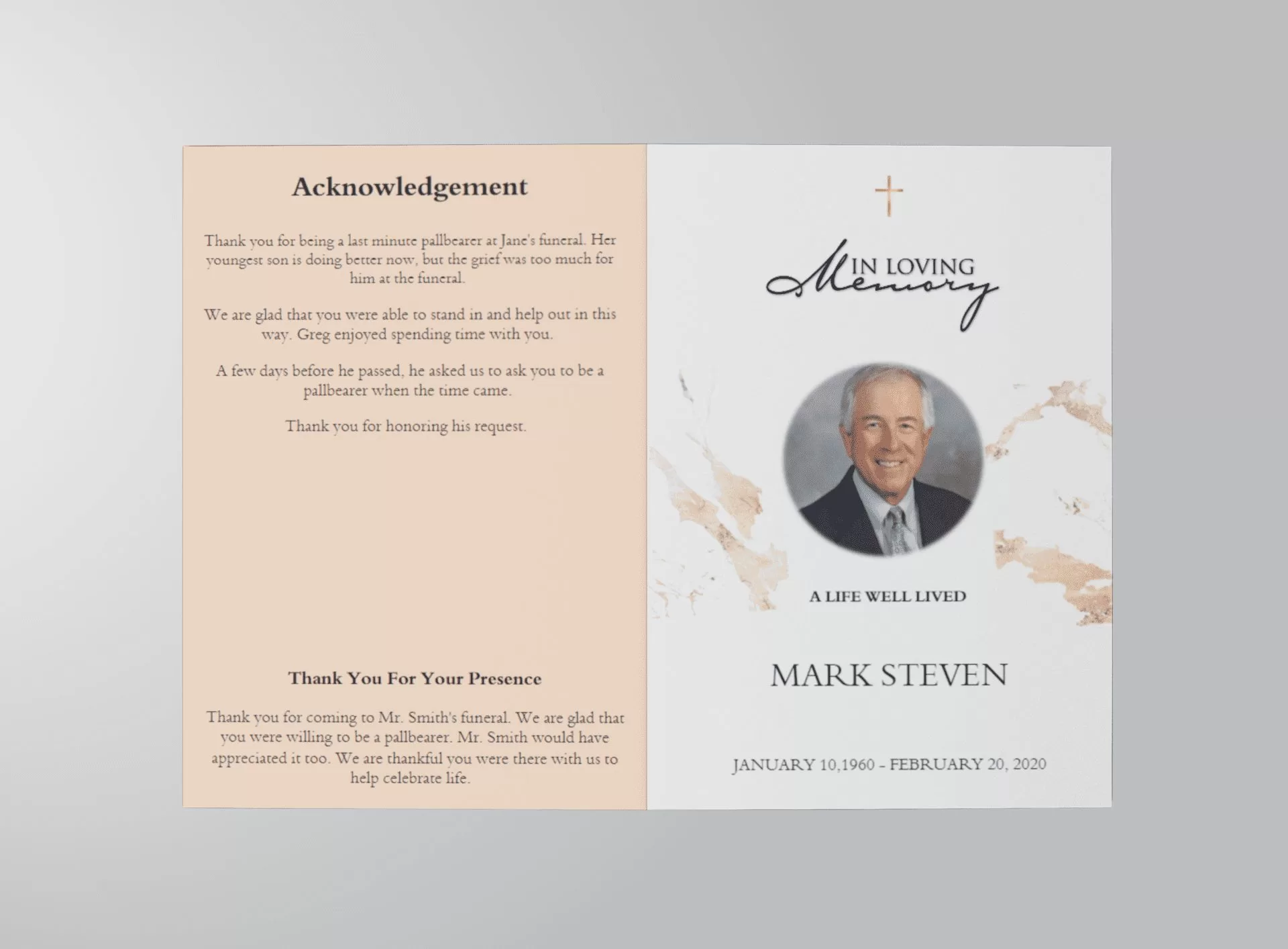
How to Write a Funeral Program Obituary

Understanding Funeral Planning: A Comprehensive Guide

Example of an obituary for a mother

Why Funeral Planning Matters

Planning a funeral is one of the most significant acts of love you can perform for a deceased loved one. It is not merely a service; it is a tribute to their life, a chance for family and friends to come together in remembrance. For many, this can be an emotional and overwhelming experience. However, having a structured approach can significantly ease the burden. Our Essential Guide to Funeral Planning and Memorialization is a great starting point.

Steps to Consider in Funeral Planning

  1. Choosing the Right Services: Decide on burial or cremation, and explore different service types.
  2. Setting a Budget: Understand the costs involved and plan accordingly to avoid overspending.
  3. Personalizing the Service: Think about how to incorporate personal touches to honor the deceased.
  4. Legal Requirements: Familiarize yourself with any legal paperwork needed, such as death certificates.

Helpful Resources for Funeral Planning

To navigate this challenging time, consider utilizing our Navigating Funeral Planning resource. It provides insights that can help you make informed decisions during this sensitive period.

Emotional Support and Poetry

During times of grief, many find solace in literature. Our article on Poems About Death by Famous Poets explores how poetry can articulate the complex emotions surrounding loss, offering comfort and understanding.

Creating a Meaningful Obituary

Writing an obituary can be a meaningful way to celebrate a life. It serves as a public notice, but it can also reflect the personality and spirit of your loved one. Our Essential Guide to Funeral Planning and Obituaries provides tips on how to craft a heartfelt obituary that resonates with those who knew them.

Further Insights for Families

Understanding the nuances of funeral planning is crucial. Our Essential Insights into Funeral Planning for Families offers valuable information for families looking to navigate the complexities of this process.

Final Thoughts

While planning a funeral may seem daunting, the right resources and guidance can make a world of difference. Consider exploring our comprehensive guides to ensure every detail honors your loved one appropriately.

Essential Guide to Funeral Planning and Memorialization

Example of an obituary for a mother

Understanding Funeral Planning

Planning a funeral is often a daunting task, layered with emotional complexities. At QuickFuneral LLC, we recognize the importance of this process and aim to provide a comprehensive understanding of funeral planning. Whether you are making arrangements for a loved one or preparing for your own future, being informed can ease the burden.

The Importance of Funeral Planning

Funeral planning serves as a critical step in honoring the life of a loved one. It involves making logistical decisions while also addressing emotional needs. Understanding the various facets of this process can help navigate through the overwhelming feelings often associated with loss.

Key Elements to Consider

  • Budgeting: Establish a budget to ensure that all arrangements can be made without financial strain.
  • Choice of Service: Decide if the service will be traditional, cremation, or a celebration of life.
  • Location: Determine where the service will take place—be it a funeral home, church, or another venue.
  • Personal Touches: Incorporate elements that reflect the deceased’s personality, such as favorite music or readings.

Creating a Meaningful Memorial

Memorializing your loved one can be just as important as the funeral itself. One touching way to do this is through a picture board display. This visual tribute allows family and friends to share precious memories, fostering connection and remembrance.

Steps to Create a Picture Board Display

  1. Gather photographs that represent different stages of life.
  2. Include mementos that highlight hobbies or interests.
  3. Arrange the items creatively on a board for visual appeal.
  4. Encourage guests to contribute their own memories during the service.

Navigating the Funeral Planning Process

When faced with the responsibility of planning a funeral, it’s essential to approach the process with compassion. Our guide on navigating the complexities of funeral planning offers valuable insights into making informed choices during this difficult time. Here are some key considerations:

  • Communicate openly with family members to ensure everyone’s wishes are respected.
  • Research local funeral homes and services to find the right fit.
  • Consider pre-planning options to alleviate stress for loved ones.

Understanding Different Funeral Options

Choosing the right type of service is crucial. You may want to explore the various options available, including:

  • Traditional Funerals: A formal service with visitation and burial.
  • Cremation: An alternative to burial, often involving a memorial service.
  • Green Funerals: Eco-friendly options that minimize environmental impact.

For a more in-depth exploration of these options, check out our comprehensive guide to understanding funeral planning.

Planning with Care

Effective funeral planning requires attention to detail and a caring approach. Our resources on navigating the journey of funeral planning with care can help you make decisions that honor the life of your loved one while also providing the support you need.

Remember, while the logistics of planning a funeral can be overwhelming, taking the time to understand the process will help you make choices that reflect the unique life of your loved one.

Back to Top
Product has been added to your cart
Compare (0)