Essential Guide to Funeral Planning and Support

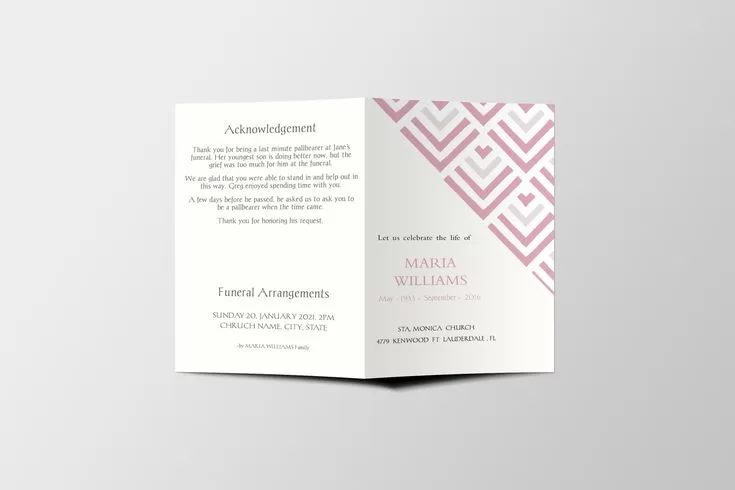
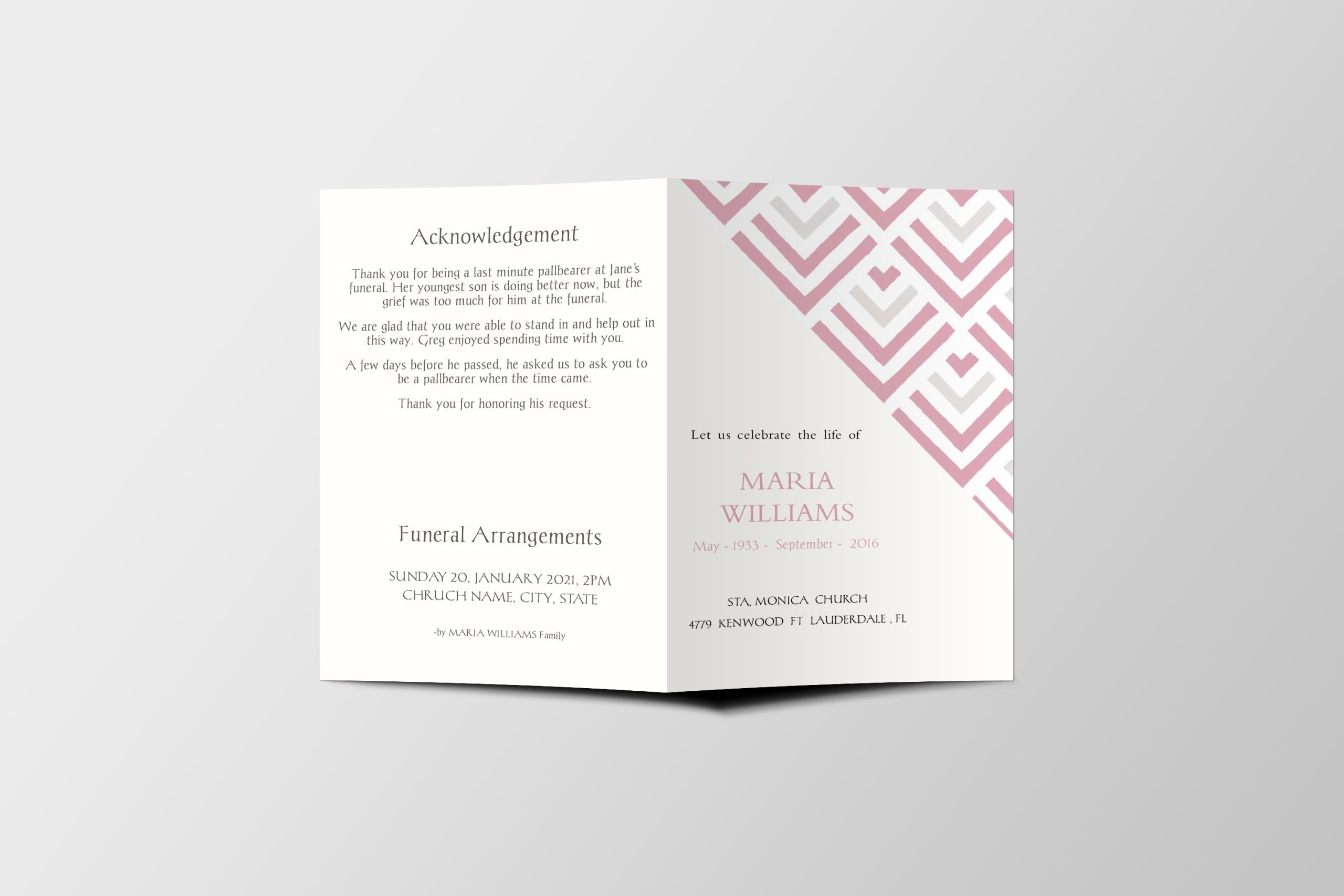
Obituary Template

Understanding Funeral Planning: A Comprehensive Overview

Planning a funeral can be an overwhelming task during a time of grief. It is crucial to navigate this process with care and sensitivity. This guide aims to provide you with essential insights and resources to help you through this challenging time.

The Importance of Funeral Planning

Funeral planning is vital for several reasons:

  • Honoring the Deceased: A well-planned funeral serves as a tribute to the life of your loved one.
  • Providing Closure: It allows family and friends to gather, share memories, and find closure.
  • Guiding the Family: Planning ahead can alleviate the emotional burden on family members during a difficult time.

Steps for Effective Funeral Planning

Here are some essential steps to consider when planning a funeral:

  1. Gather Information: Collect necessary details about the deceased, including personal preferences and any pre-arrangements.
  2. Select a Funeral Home: Choose a compassionate funeral home that aligns with your needs. For guidance, check out our article on navigating the complexities of funeral planning.
  3. Choose the Type of Service: Decide whether to have a traditional service, memorial service, or celebration of life.
  4. Plan the Logistics: Consider the location, date, and time, along with any special requests from the family.

Incorporating Personal Touches

Personalizing the service can make it more meaningful. Here are some ideas:

  • Include comforting Bible readings that reflect the deceased’s beliefs.
  • Share favorite songs or poems during the service.
  • Create a memory board with photos and mementos.

Understanding Your Options

When it comes to funeral services, you have various options to choose from:

  • Burial: Traditional burial services often include a viewing, service, and graveside ceremony.
  • Cremation: Cremation can offer flexibility in how to memorialize your loved one. Explore more in our comprehensive guide to funeral planning.
  • Green Funerals: Environmentally friendly options are becoming increasingly popular.

Support for Families

During this difficult time, seeking support is essential. Here are a few resources:

  • Consider reaching out to local grief support groups.
  • Utilize online resources for bereavement support.
  • Engage with family and friends for emotional support.

Final Thoughts on Funeral Planning

Funeral planning may be a daunting task, but it is also an opportunity to celebrate the life of someone special. By following these steps and utilizing available resources, you can honor your loved one in a meaningful way. For more information on how to approach planning, check out our article on essential insights for funeral planning and our guide on understanding funeral planning. Remember, you are not alone in this journey.

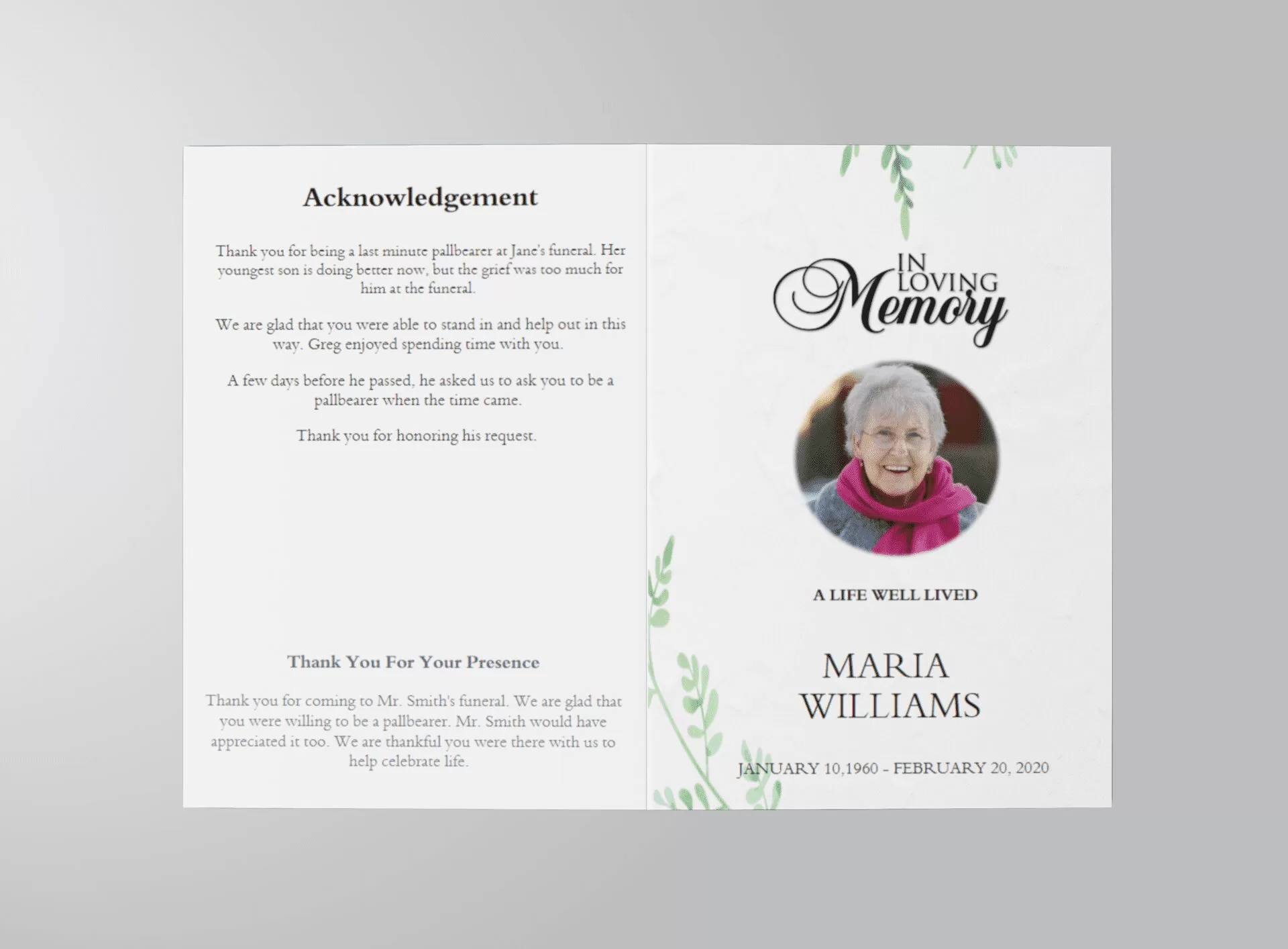
Top Free Funeral Program Templates for Every Service Style

Understanding Funeral Planning: A Helpful Guide

Obituary Template

Introduction to Funeral Planning

When faced with the loss of a loved one, planning a funeral can seem overwhelming. It’s a significant responsibility that involves many decisions, often made during a time of deep emotional pain. Understanding the essentials of funeral planning is crucial to ensure you honor your loved one’s life in a way that reflects their values and wishes.

The Importance of Compassionate Funeral Planning

Planning a funeral is not just about logistics; it’s about honoring a person’s life and providing closure for those left behind. Discover the importance of compassionate funeral planning and how it can ease the burden during a difficult time.

Essential Elements of Funeral Planning

  • Choosing the Right Services: Consider the type of service that best represents your loved one. This could range from a traditional ceremony to a more personalized celebration of life.
  • Budgeting: Understanding the costs involved can help you make informed decisions. Familiarize yourself with the average expenses associated with funerals.
  • Location: Selecting a venue that holds significance can enhance the personal touch of the service.
  • Cultural or Religious Considerations: Make sure to incorporate any cultural or religious practices that were important to your loved one.

Navigating the Essentials of Funeral Planning

If you’re unsure where to start, navigating the essentials of funeral planning can provide a structured approach to manage this emotional task. This guide offers insights into the decisions you need to make and the timelines you should follow.

Compassionate Support Throughout the Process

Understanding the emotional toll of losing someone can lead to better planning. A comprehensive guide to compassionate funeral planning emphasizes the importance of support systems, whether it’s through family, friends, or professional services.

Pink Funeral Services and Memorial Planning

For those considering a unique approach to funeral services, Pink Funeral Services and Memorial Planning offer personalized options that reflect individuality and creativity in commemorating lives.

Resources for Further Assistance

In addition to the guides mentioned, there are numerous resources available to assist in the planning process. Understanding the essentials of funeral planning can provide clarity and peace of mind during this challenging time.

Catholic Funeral Program Example PDF (Free Editable Template)

The Importance of Compassionate Funeral Planning

Example of an obituary for a mother template

Understanding the Need for Compassionate Funeral Planning

Dealing with the loss of a loved one can be one of the most challenging experiences in life. During such a difficult time, having a well-structured plan can provide a sense of control and peace. Compassionate funeral planning is not just about organizing the logistics; it’s about honoring the memory of your loved one while taking care of your emotional needs.

Why Planning is Essential

When faced with the emotional toll of loss, a clear roadmap can help ease the burden. Here are some reasons why planning is crucial:

  • Emotional Clarity: A structured plan can help you focus on celebrating your loved one’s life rather than being overwhelmed by decisions.
  • Financial Management: Planning in advance can help manage costs and avoid unexpected expenses.
  • Personalization: You can tailor the funeral service to reflect the unique personality and wishes of the deceased.

Steps in Compassionate Funeral Planning

The steps in planning a compassionate funeral include:

  1. Gathering Information: Collect essential details such as the deceased’s personal information, preferences, and any pre-arrangements.
  2. Choosing a Service: Decide on the type of service that best honors your loved one. This could include traditional services, memorials, or celebrations of life.
  3. Incorporating Personal Touches: Think about how to include elements that reflect the personality of your loved one, such as favorite songs or quotes.
  4. Consulting with Professionals: Don’t hesitate to reach out to compassionate funeral services that can guide you through the planning process. For more information, check out our Essential Guide to Funeral Planning with Compassion.

Music’s Role in Memorial Services

Music plays a significant role in creating an atmosphere of remembrance. Choosing the right songs can uplift the spirits of those attending. For suggestions, explore our list of Uplifting Christian Funeral Songs to Celebrate a Loved One’s Life.

Resources for a Smooth Planning Experience

Utilizing resources can ease the planning burden. Here are a few valuable tools:

  • Funeral Planning Checklists: Checklists can help ensure that no detail is overlooked. For a comprehensive overview, refer to our Comprehensive Guide to Compassionate Funeral Planning.
  • Budgeting Tools: Create a budget to understand the costs involved. This can help avoid financial stress during an already difficult time.
  • Support Networks: Engage with community or online support groups for emotional support and advice.

Final Thoughts on Compassionate Funeral Planning

Compassionate funeral planning is about more than just logistics; it’s an opportunity to celebrate a life well-lived while caring for your own emotional needs. Through thoughtful consideration and planning, you can create a meaningful tribute that honors your loved one’s legacy.

If you’re looking for more detailed guidance on the funeral planning process, explore our article on Navigating the Journey of Funeral Planning with Compassion or our Compassionate Approach to Funeral Planning.

funeral program template

Navigating the Essentials of Funeral Planning

Example of an obituary for a mother

Understanding Funeral Planning

When faced with the loss of a loved one, planning a funeral can be overwhelming. Understanding the essentials of funeral planning is crucial to ensure that you honor your loved one’s life in a meaningful way. This guide will help you navigate the process with compassion and clarity.

Why is Funeral Planning Important?

  • Emotional Support: A well-planned funeral can provide comfort to grieving relatives and friends.
  • Celebration of Life: It allows you to celebrate the unique life of the deceased and share their stories.
  • Financial Considerations: Proper planning can help manage costs and provide clarity on expenses.

Key Steps in the Funeral Planning Process

Planning a funeral involves several steps. Here’s a breakdown of what you should consider:

  1. Choosing a Funeral Home: Look for a reputable funeral home that aligns with your needs. Understanding the importance of funeral planning can guide your decision.
  2. Selecting Services: Decide on the type of service—traditional burial, cremation, or memorial service.
  3. Creating a Budget: Outline your budget to avoid unexpected costs. This step is crucial as it helps in making informed decisions.
  4. Personalizing the Service: Incorporate elements that reflect the deceased’s personality, such as favorite music, photos, and memorabilia.

Creating a Meaningful Obituary

An obituary serves as a lasting tribute to your loved one. You can create a meaningful obituary with our obituary maker. Here are some tips on how to write it:

  • Include Key Details: Mention full name, dates of birth and death, and significant life events.
  • Share Memories: Add personal anecdotes that reflect the deceased’s life and character.
  • Invite Participation: Encourage friends and family to share their memories during the service.

Additional Resources for Funeral Planning

If you are looking for more guidance on funeral planning, consider exploring:

Understanding these aspects can provide clarity and support during a challenging time. Remember, taking the time to plan can make a significant difference in how you and your family cope with the loss.

Top Free Funeral Program Templates for Every Service Style

Navigating Funeral Planning: A Guide for Families

Obituary Template

Navigating Funeral Planning: A Guide for Families

When a loved one passes away, the emotional landscape can be overwhelming. It is during these challenging times that effective funeral planning becomes crucial. Families must navigate various decisions while honoring the memory of their cherished ones. This guide aims to simplify the funeral planning process and provide valuable insights.

Understanding the Importance of Funeral Planning

Funeral planning is essential for many reasons:

  • Honoring the Deceased: A well-planned funeral reflects the personality and wishes of the departed.
  • Providing Closure: Funeral services offer family and friends a chance to say goodbye, aiding in the grieving process.
  • Relieving Stress: Pre-arranging details can alleviate the burden on family members during an emotionally taxing time.

Steps to Thoughtful Funeral Planning

Effective funeral planning involves several key steps:

  1. Gather Information: Collect necessary documents and details regarding the deceased’s wishes.
  2. Set a Budget: Outline financial constraints to guide decisions on services and products.
  3. Choose a Service Type: Decide between a traditional funeral, memorial service, or celebration of life.
  4. Select a Venue: Find a suitable location for the service, considering the size and accessibility.
  5. Plan the Details: Arrange for music, readings, and personal tributes that reflect the deceased’s life.

Helpful Resources for Families

To assist you in this process, consider utilizing these resources from QuickFuneral:

Final Thoughts on Funeral Planning

While planning a funeral can be daunting, it is a vital step in honoring a loved one’s life. By understanding the process and utilizing available resources, families can create a meaningful tribute that fosters healing and remembrance.

sample obituary examples

Your Guide to Compassionate Funeral Planning

Obituary Example

Understanding Funeral Planning with Compassion

Facing the loss of a loved one can be an incredibly challenging experience, filled with emotional weight and the need for careful decision-making. At QuickFuneral.com, we are here to guide you through the intricate process of funeral planning with compassion and understanding. In this post, we will explore essential steps in funeral planning, providing you with a comprehensive resource to ease your burden.

The Importance of Funeral Planning

Funeral planning is not merely about logistics; it is a vital process that allows families to honor their loved ones appropriately. The emotional aspects of this journey can often feel overwhelming, but understanding the significance of each step can help lighten the load. You might want to start by reading our comprehensive guide on funeral planning to gain a clearer perspective.

Essential Steps in Funeral Planning

  • Choosing the Right Funeral Home: Research local options and visit them to find a facility that aligns with your family’s needs.
  • Deciding on Services: Consider whether you want a traditional burial, cremation, or another form of memorial service.
  • Budgeting: Understand the costs involved and create a budget to avoid financial strain during a difficult time.
  • Gathering Necessary Documents: Collect vital records such as the death certificate and any pre-arrangement documents.

Navigating the Complexities of Funeral Planning

Funeral planning can be complex, but you are not alone. Our resource, Navigating the Complexities of Funeral Planning, offers valuable insights and tips to help you through this daunting task.

Support for Families During Grief

During this time of loss, it’s essential to have a support system in place. Consider reaching out to friends, family, or community resources that can provide emotional support. Our Comprehensive Guide to Funeral Planning and Support delves deeper into finding the help you need.

Final Thoughts on Funeral Planning

While planning a funeral can be a challenging process, it is crucial to approach it with care and consideration. For more in-depth information and resources, check out our article, Navigating Funeral Planning with Compassion and Care, which provides a thorough overview of how to manage this process with grace.

At QuickFuneral, we aim to support you in honoring the life of your loved one while navigating this difficult journey.

Back to Top
Product has been added to your cart
Compare (0)