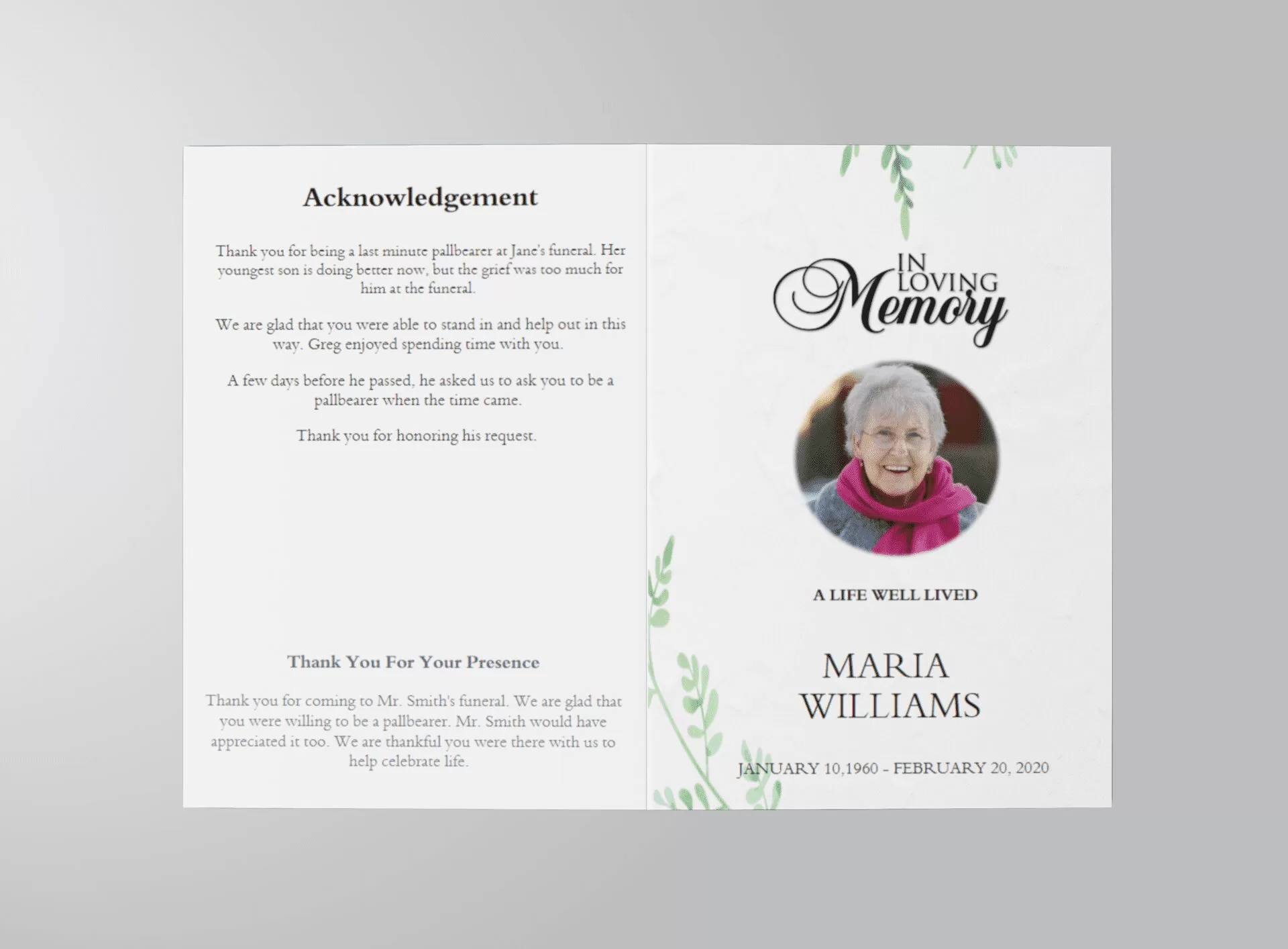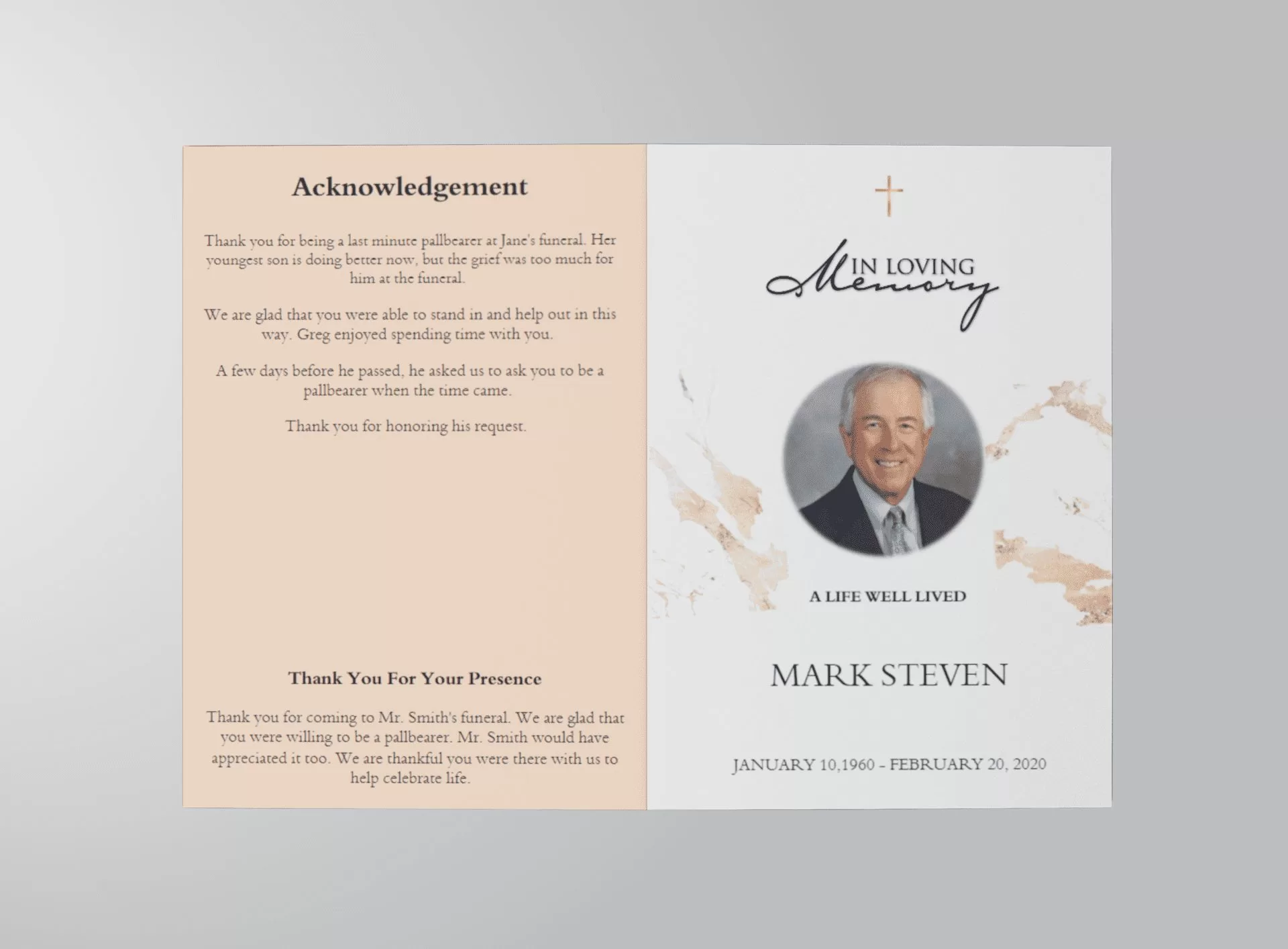
How to Write a Funeral Program Obituary

Understanding the Essentials of Funeral Planning

Obituary Template

Funeral Planning: A Compassionate Approach

When faced with the loss of a loved one, navigating the complexities of funeral planning can be overwhelming. It’s essential to approach this sensitive process with care and clarity. Understanding the emotional toll involved is critical, as it allows for a more compassionate approach to each decision made during this challenging time.

Key Elements of Funeral Planning

Funeral planning involves several important elements that need to be considered. Here are some essential components:

  • Choosing a Funeral Home: Research and select a funeral home that aligns with your family’s needs and values.
  • Deciding on Services: Determine whether you will have a burial, cremation, or another type of service.
  • Planning the Ceremony: Consider the type of service, speakers, music, and any personal touches that honor your loved one.
  • Creating a Funeral Leaflet: A well-designed leaflet can serve as a beautiful keepsake. For inspiration, check out our guide on creating a meaningful funeral leaflet.

Navigating the Complexities

To further assist you, it’s beneficial to delve into the various aspects of funeral planning. Our comprehensive guide, A Comprehensive Guide to Funeral Planning, offers insights on how to tackle these challenges with grace and understanding. It includes practical tips for managing emotional stress while making important arrangements.

Practical Tips for Funeral Planning

Here are some practical tips to help ease the burden of planning:

  • Communicate openly with family members about preferences and budgets.
  • Consider pre-planning options if you are able, as this can alleviate stress for your loved ones.
  • Utilize online resources and templates to simplify the planning process; for example, our Essential Elements of Funeral Planning provides foundational knowledge.

Support During the Process

The emotional burden of losing a loved one should not be carried alone. Seek support from family, friends, or professional counselors. Remember, it’s okay to lean on others during this time.

As you navigate through the intricate details of planning, remember that you are not alone; many have walked this path and found ways to honor their loved ones beautifully. For additional guidance, explore Navigating the Journey of Funeral Planning with Compassion to gain further insights into managing both the logistics and emotional aspects of the process.
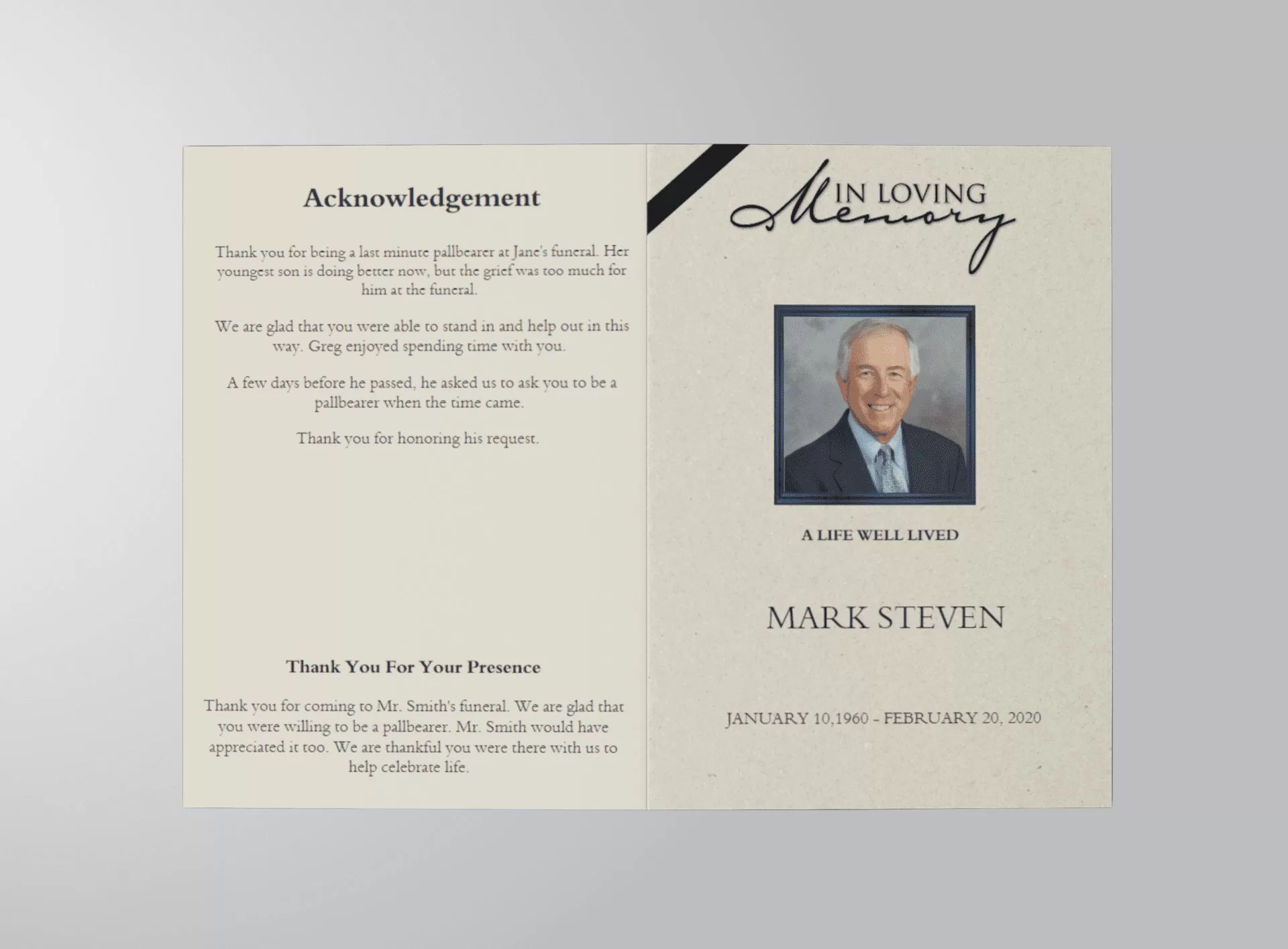

Funeral Program Template Online

Navigating the Complexities of Funeral Planning

Example of an obituary for a mother template

Understanding the Funeral Planning Process

Experiencing the loss of a loved one is a profound challenge, and navigating the funeral planning process can often feel overwhelming. That’s why having a clear understanding of the process is essential. From choosing the right funeral services to managing the financial aspects, each step requires careful consideration.

Key Elements of Funeral Planning

  • Choosing a Funeral Home: Research local funeral homes and compare services and prices. A reputable provider will help guide you through the necessary arrangements.
  • Deciding on Service Type: Consider whether you prefer a traditional funeral, memorial service, or a celebration of life event. Each option has its unique elements and can be tailored to honor your loved one.
  • Budgeting: Understanding the costs involved is crucial. Review your financial options and consider utilizing resources like the Essential Guide to Funeral Planning and Support Resources for budgeting tips.

Emotional Support During Planning

During this challenging time, it is vital to seek emotional support. Grieving can feel isolating, but you don’t have to go through it alone. Engage with family and friends, or consider reaching out to professional counselors who specialize in grief.

Compassionate Guidance

Finding compassionate guidance can make a significant difference. Explore our resource on Compassionate Guidance for Funeral Planning, which offers insights on how to approach this sensitive time with care and understanding.

Creating Meaningful Memorials

Creating a personal touch can help celebrate the life of your loved one. Consider incorporating elements such as:

  • Personalized Obituaries: Crafting a meaningful obituary can be a beautiful tribute. Check out our obituary template to guide you through the process.
  • Memory Boards: Set up memory boards at the service where guests can share their favorite memories and messages.
  • Video Tributes: Create a video montage of photos and memories to be displayed during the service.

Practical Resources for Funeral Planning

Utilizing practical resources can ease the burden of planning. Our Free Funeral Invitation Templates can help you notify friends and family about the memorial service with grace and clarity.

Understanding Legal Requirements

Each state has specific legal requirements regarding funerals. Familiarize yourself with these regulations to ensure compliance and avoid any last-minute issues. Many funeral homes provide guidance on these matters, but additional resources can be found in our Comprehensive Guide to Funeral Planning.

Final Thoughts on Funeral Planning

While the process of planning a funeral can be daunting, remember that you are not alone. Many resources are available to assist you through this difficult time. Seek help from loved ones and professionals, and take the time needed to honor your loved one’s memory in a way that feels right for you.

Sample Obituary Templates

Understanding the Essentials of Funeral Planning

Example of an obituary

Introduction to Funeral Planning

Experiencing the loss of a loved one is an emotional journey that requires careful planning and consideration. At QuickFuneral LLC, we aim to provide you with all the resources you need during this challenging time. This guide will help you navigate the essential aspects of funeral planning, ensuring that you can focus on honoring your loved one’s memory.

Key Steps in Funeral Planning

When it comes to organizing a funeral, there are several key steps to consider:

  • Choose a Funeral Home: Selecting a reputable funeral home is the first step. They can assist you with various arrangements, including transportation and service details.
  • Decide on Service Type: You may choose between a traditional funeral service, a memorial service, or a celebration of life. Each option has its unique features and can be personalized.
  • Prepare Necessary Legal Documents: It’s essential to ensure all necessary legal documents, such as death certificates and permits, are in order.
  • Plan the Details: From selecting caskets to flower arrangements, planning the details can be overwhelming. Consider involving family members to share the responsibilities.

Helpful Resources

At QuickFuneral, we provide a variety of resources to aid you through the planning process:

Understanding Grief

It’s crucial to acknowledge that grief is a personal experience that varies from person to person. Understanding that your feelings are valid can help you navigate this difficult time. Resources like our Navigating the Journey of Funeral Planning can provide you with insights on how to cope with your emotions while planning the funeral.

Final Thoughts on Funeral Planning

While planning a funeral can be a daunting task, knowing that you have the support and resources available can lighten the burden. Remember, it’s okay to seek help and lean on others during this time. Each step you take is a step toward honoring the life and legacy of your loved one.

Catholic Funeral Program Example PDF (Free Editable Template)

A Comprehensive Guide to Navigating Funeral Planning

Example of an obituary for a mother template

Understanding Funeral Planning

Experiencing the loss of a loved one is one of the most profound emotional journeys one can face. During such trying times, effective funeral planning becomes crucial. Having a clear understanding of the steps involved can ease the burden on grieving family members and help honor the memory of the deceased.

Key Aspects of Funeral Planning

When approaching funeral planning, consider the following key elements:

  • Choosing the Right Funeral Home: Research local funeral homes and their services. Look for reviews and ask for recommendations from friends or family.
  • Budgeting: Determine a budget that accommodates all necessary expenses, including the service, burial or cremation, and any additional fees.
  • Service Options: Decide whether to have a traditional service, a memorial, or a celebration of life event. Each option can reflect the personality and wishes of the deceased.

Personalizing the Service

Personal touches can make a service more meaningful. Consider incorporating:

  • Music: Select songs that were significant to the deceased or that resonate with attendees.
  • Speeches and Eulogies: Invite family and friends to share stories and memories that celebrate the life of the loved one.
  • Memorial Items: Utilize items such as photographs, videos, or personal belongings that reflect the deceased’s life.

Utilizing Resources

For families looking to navigate the complexities of funeral planning, various resources are available. One such resource is our comprehensive guide to funeral planning, which covers everything from legal requirements to emotional considerations.

Poetry and Remembrance

Incorporating poetry into funeral services can provide comfort and reflection. Explore our collection of heartfelt poems for remembering loved ones that can be read during the service or included in memorial programs.

Support and Grief Resources

Understanding the emotional journey of grief is essential. Our resource on navigating the journey of funeral planning provides insights into coping with loss and finding support through this challenging time.

Final Thoughts on Funeral Planning

While the process of planning a funeral can feel overwhelming, it is an opportunity to celebrate life and bring closure. By utilizing available resources and support, families can honor their loved ones in meaningful ways.

Top Free Funeral Program Templates for Every Service Style

Essential Guide to Funeral Planning for Families

Example of an obituary for a mother

Understanding Funeral Planning: A Comprehensive Overview

Facing the loss of a loved one is one of the most challenging moments in life. During such a time, the process of funeral planning can seem overwhelming. However, understanding the essentials of funeral planning can help ease the burden during this emotional journey.

What is Funeral Planning?

Funeral planning involves organizing the details and arrangements for a funeral service, which can include the following:

  • Choosing a funeral home
  • Selecting burial or cremation options
  • Planning the service details, including location, date, and time
  • Coordinating with family members and friends
  • Preparing necessary documentation

The Importance of Funeral Planning

Planning a funeral is essential for several reasons:

  • Emotional Relief: Having a plan in place can significantly reduce stress during a difficult time.
  • Financial Considerations: Understanding costs helps families avoid unexpected expenses.
  • Personalization: Planning allows for a tribute that reflects the personality and wishes of the deceased.

Navigating the Emotional Journey

The emotional journey of dealing with loss can be profound. For many, seeking guidance can help navigate this challenging time. For additional insights, check out our article on Navigating the Journey of Funeral Planning.

Steps to Plan a Funeral

Here are steps to consider when planning a funeral:

  1. Gather Information: Collect all necessary documents, including the death certificate.
  2. Choose a Funeral Home: Research and select a funeral home that meets your needs.
  3. Decide on Services: Determine whether you prefer a traditional service, a memorial, or a celebration of life.
  4. Coordinate Arrangements: Work with the funeral director to finalize details.

Understanding Funeral Options

There are various funeral options available, including:

  • Traditional Burial: A conventional burial service with a casket and graveside service.
  • Cremation: An alternative to burial, with options for memorial services.
  • Green Funerals: Environmentally friendly options that focus on sustainability.

Resources for Funeral Planning

For a deep dive into the complexities of funeral planning, consider our Comprehensive Guide to Funeral Planning. This resource provides in-depth information on each aspect of the process.

Additional Support

During these times, many families benefit from professional support. Our article on The Importance of Funeral Planning: A Compassionate Approach offers insights on how to emotionally and practically navigate the planning process.

Final Thoughts on Funeral Planning

Funeral planning is not just about logistics; it’s about honoring a loved one and creating a meaningful farewell. By understanding the essentials and having the right resources, families can make informed decisions that reflect their loved one’s wishes.

For more information on the essential elements of funeral planning, please visit our page on Understanding the Essentials of Funeral Planning.

Catholic Funeral Program Example PDF (Free Editable Template)

Navigating the Journey of Funeral Planning

Example of an obituary for a mother template

Understanding the Emotional Journey

The loss of a loved one is a life-altering event that often comes with overwhelming emotions. Grieving is a personal journey, and during this time, one must also navigate the complexities of funeral planning. Here, we provide you with essential insights and resources to help ease this burden.

Key Aspects of Funeral Planning

Funeral planning involves several critical components. Below are some essential elements to consider:

  • Choosing the Right Service: Decide whether you prefer a traditional funeral, memorial service, or a celebration of life.
  • Budgeting: Set a budget early on. Understanding costs can help manage expenses effectively.
  • Location: Select a venue that is meaningful to you and your family. Consider local funeral homes, places of worship, or natural settings.
  • Personalization: Integrate personal touches such as favorite songs, photographs, and memories that reflect the life of your loved one.

Helpful Resources

To assist you in this challenging period, we recommend exploring the following resources:

Emotional Support

It is crucial to seek emotional support while navigating funeral planning. Consider the following options:

  • Family and Friends: Reach out to loved ones who can provide a listening ear and comfort.
  • Support Groups: Local or online support groups can connect you with others who are experiencing similar losses.
  • Professional Help: Don’t hesitate to seek professional counseling if you feel overwhelmed.

Final Thoughts

While the process of planning a funeral can be daunting, remember that you are not alone. Utilize available resources and lean on your support system. Each step taken towards honoring your loved one is a step towards healing.

Sample Obituary Templates

The Importance of Funeral Planning: A Compassionate Approach

Example of an obituary for a mother

Understanding the Emotional Journey of Funeral Planning

Experiencing the loss of a loved one is one of life’s most challenging moments. The emotional toll can be overwhelming, making the process of funeral planning even more daunting. It’s essential to approach this journey with both compassion and care.

Why Funeral Planning Matters

Planning a funeral allows families to celebrate the life of their loved ones while also providing a necessary structure during a time of grief. Here are several reasons why taking the time to plan a funeral is beneficial:

  • Emotional Closure: A well-planned funeral service can help family and friends find closure.
  • Personalization: Funeral planning provides an opportunity to personalize the service, reflecting the deceased’s life and legacy.
  • Financial Preparedness: Understanding costs associated with funerals can alleviate financial burdens later.
  • Family Support: Involving family members can foster unity and support during difficult times.

Key Steps in Funeral Planning

When beginning the process, consider the following steps to ensure a smooth journey:

  1. Communicate with Family: Discuss preferences and wishes with family members to ensure everyone is on the same page.
  2. Research Options: Explore different types of services, including traditional funerals, memorial services, and alternative options.
  3. Choose a Funeral Home: Selecting a compassionate funeral home is crucial as they will guide you through the process.
  4. Consider Funeral Pamphlets: Creating funeral pamphlets can help attendees follow the service and remember the deceased.

Understanding Funeral Pamphlets

Funeral pamphlets, also known as memorial programs, serve as informative booklets for attendees. They typically include:

  • Obituary of the deceased
  • Order of service
  • Photos and memories
  • Special messages from family

For more details on creating these pamphlets, check out our comprehensive guide on Understanding Funeral Pamphlets.

Embracing Compassion in Funeral Planning

Every family’s needs are unique. It’s important to navigate the complexities of funeral planning with compassion and care. Here are some ways to incorporate empathy into the process:

  • Listen to the wishes of the deceased and their family.
  • Be open about discussing costs and options.
  • Provide emotional support to those involved in the planning.

Resources for Families

For families navigating this journey, we offer various resources to assist in the planning process. Our Essential Guide to Funeral Planning provides helpful insights on how to make informed decisions during this challenging time.

Additionally, engaging with our article on Navigating the Journey of Funeral Planning can shed light on the emotional aspects and practical considerations involved.

Sample Obituary Templates

Understanding Funeral Planning: A Comprehensive Guide

Example of an obituary for a mother

Understanding Funeral Planning

Planning a funeral can feel overwhelming, especially when faced with the emotional toll of losing a loved one. It’s essential to approach this sensitive process with care and understanding. At QuickFuneral, we strive to provide resources that help families navigate these challenging times.

The Importance of Funeral Planning

Funeral planning is an essential step that allows families to honor the life of their loved ones while managing logistical details. This process not only helps in celebrating memories but also assists in easing the burden during a difficult emotional period.

Key Aspects of Funeral Planning

  • Choosing the Right Funeral Home: Research and visit local funeral homes to find one that suits your family’s needs. You can start by reading about navigating the complexities of funeral planning.
  • Understanding Costs: Be aware of the various costs involved in the funeral process. Make sure to discuss financial options with your chosen provider.
  • Personalizing the Service: Consider how you want to honor your loved one’s life. Personal touches can make the service more meaningful.

Emotional Considerations

Experiencing the loss of a loved one can be emotionally taxing. It’s important to acknowledge these feelings and seek support. You might find our article on navigating the emotional journey of funeral planning particularly helpful.

Steps in the Funeral Planning Process

  1. Gather Information: Collect necessary documents and details about your loved one.
  2. Consult with Family: Discuss options and preferences with close relatives.
  3. Plan the Details: Decide on the type of service, burial or cremation, and any special requests.

Legal and Practical Considerations

It’s vital to handle the legal aspects of funeral planning. This includes obtaining death certificates and handling any necessary permits. Our resource on understanding funeral planning during difficult times can guide you through these steps.

Support and Resources

During this challenging time, don’t hesitate to reach out for support. Whether it’s friends, family, or professional counselors, having a support system can help ease your burden. Additionally, our comprehensive guide to funeral planning and tributes offers further insights and assistance.

Conclusion

While we won’t provide a formal conclusion, we encourage you to explore our resources at QuickFuneral to better navigate the complexities of funeral planning. Each step is an opportunity to celebrate a life well-lived.

Navigating the Complexities of Funeral Planning

Obituary Template

Understanding the Funeral Planning Process

Experiencing the loss of a loved one is never easy. During such a difficult time, planning a funeral can feel overwhelming. It involves numerous decisions, each requiring careful consideration. At QuickFuneral LLC, we aim to guide you through this process with compassion and understanding.

The Essentials of Funeral Planning

It’s crucial to have a clear understanding of the fundamentals of funeral planning. Here are some key components you should consider:

  • Choosing the Right Service: Decide whether you want a traditional funeral service, a memorial service, or a simple graveside service.
  • Budgeting: Establish a budget early on to avoid financial strain. Consider all costs, including caskets, services, and burial or cremation fees.
  • Location: Select a funeral home that meets your family’s needs and preferences.

For a comprehensive overview, check out our Guide to Funeral Planning.

Funeral Plants and Flowers for a Heartfelt Farewell

Floral arrangements play a significant role in memorializing a loved one. They not only express sympathy but also bring comfort to grieving families. Choosing the right funeral plants and flowers can add a personal touch to the service.

Navigating the Emotional Landscape

It’s essential to recognize the emotional challenges associated with funeral planning. Feelings of sadness, anxiety, and confusion are common. Understanding these emotions can help you navigate this difficult time. Our article on navigating the emotional landscape of funeral planning provides insights into coping mechanisms and support systems.

Compassionate Support in Funeral Planning

At QuickFuneral, we believe in the importance of offering compassionate support. Our resources are designed to assist families in making informed decisions. For a deeper understanding of the planning process, read our guide on navigating funeral planning with compassion.

Addressing Challenges in Funeral Planning

Funeral planning often comes with its own set of challenges, from logistical issues to family dynamics. It’s important to approach these challenges with a clear plan. For more information on overcoming these obstacles, visit our article on navigating the challenges of funeral planning.

Final Thoughts

Remember, you don’t have to go through this alone. Utilizing the resources available to you can make the funeral planning process smoother. We at QuickFuneral are here to support you every step of the way.

Navigating Funeral Planning with Compassion

Obituary Example

Understanding Funeral Planning

When a loved one passes away, the emotional challenges can be profound. Planning a funeral is a necessary step in honoring their memory. It can often feel overwhelming, but with the right approach, it can also be a meaningful experience. Here, we explore essential aspects of funeral planning and how to navigate these complexities with compassion.

Key Considerations in Funeral Planning

  • Understanding Your Options: There are various options available for funeral services, including traditional burials, cremations, and memorial services. Each choice has its own set of considerations.
  • Budgeting: Planning a funeral often comes with unexpected expenses. Having a budget in place can help manage costs effectively.
  • Personal Touches: Including personal elements, such as favorite songs, photographs, or mementos, can make the service more special.

Compassionate Eulogies

A eulogy serves as a heartfelt tribute to the deceased, celebrating their life and legacy. If you’re tasked with delivering one, consider exploring compassionate eulogy examples for inspiration. These examples can help you express your feelings and convey the essence of your loved one.

Steps to Take When Planning a Funeral

  1. Gather Information: Collect vital information about the deceased, including their wishes regarding funeral arrangements.
  2. Choose a Funeral Home: Research local funeral homes to find one that aligns with your needs and values.
  3. Decide on Service Details: Work with the funeral director to plan the service, including location, time, and format.
  4. Notify Family and Friends: Spread the word about the service details to ensure loved ones can attend and pay their respects.

Emotional Support During the Planning Process

Planning a funeral can be emotionally taxing. It’s crucial to seek support during this time. Engaging with family and friends can provide comfort. Additionally, consider the compassionate approach to funeral planning which emphasizes understanding and empathy in this sensitive process.

Resources for Funeral Planning

For those looking to gain a deeper understanding of the essentials, check out our guide on understanding the essentials of funeral planning. This resource can help clarify the steps involved and ensure you make informed decisions.

Final Thoughts

While the loss of a loved one is deeply challenging, approaching funeral planning with compassion and support can transform the experience into a meaningful tribute. Whether you are navigating the complexities of planning or seeking to honor a loved one’s legacy, remember that you are not alone in this journey.

Back to Top
Product has been added to your cart
Compare (0)