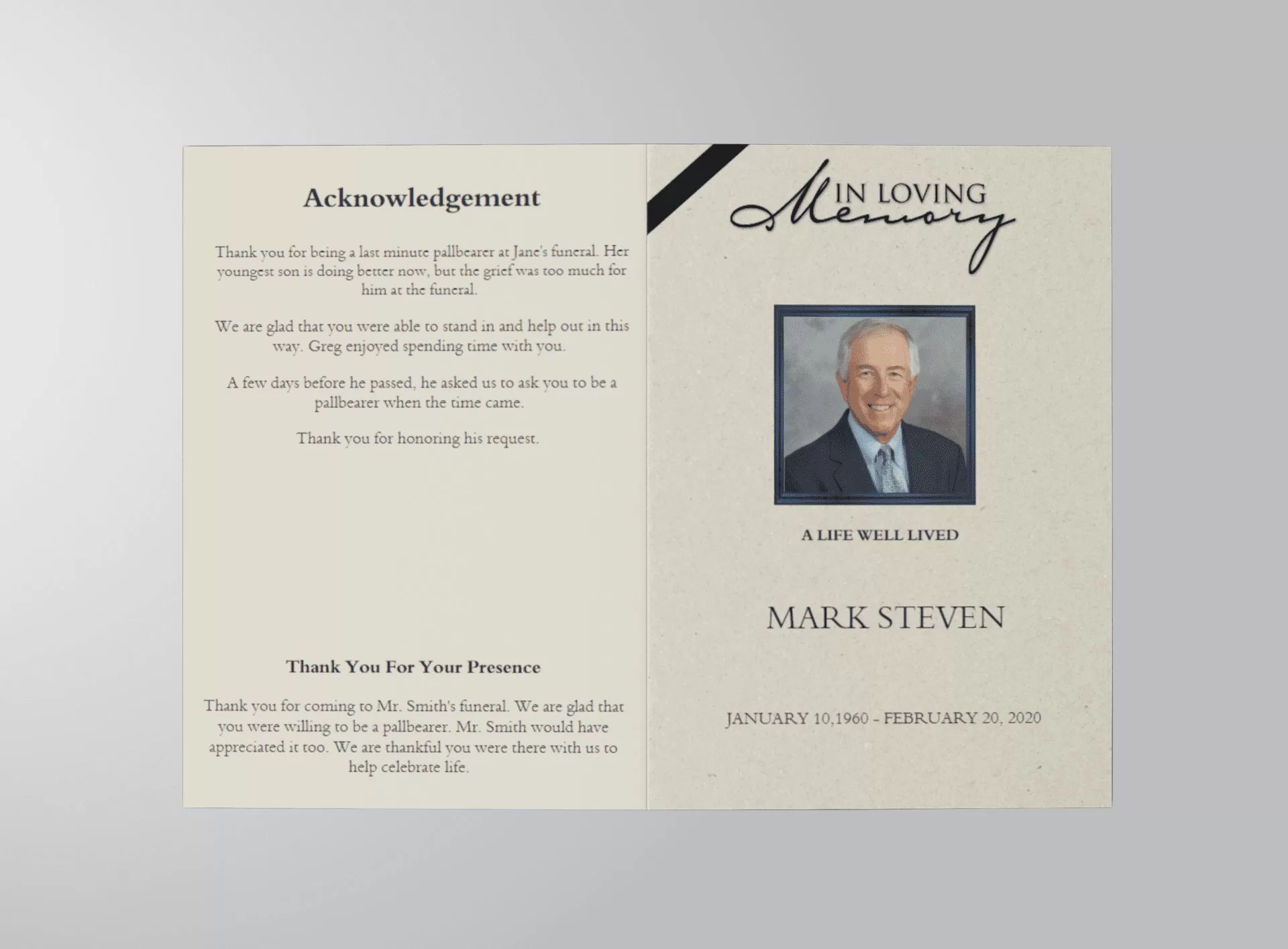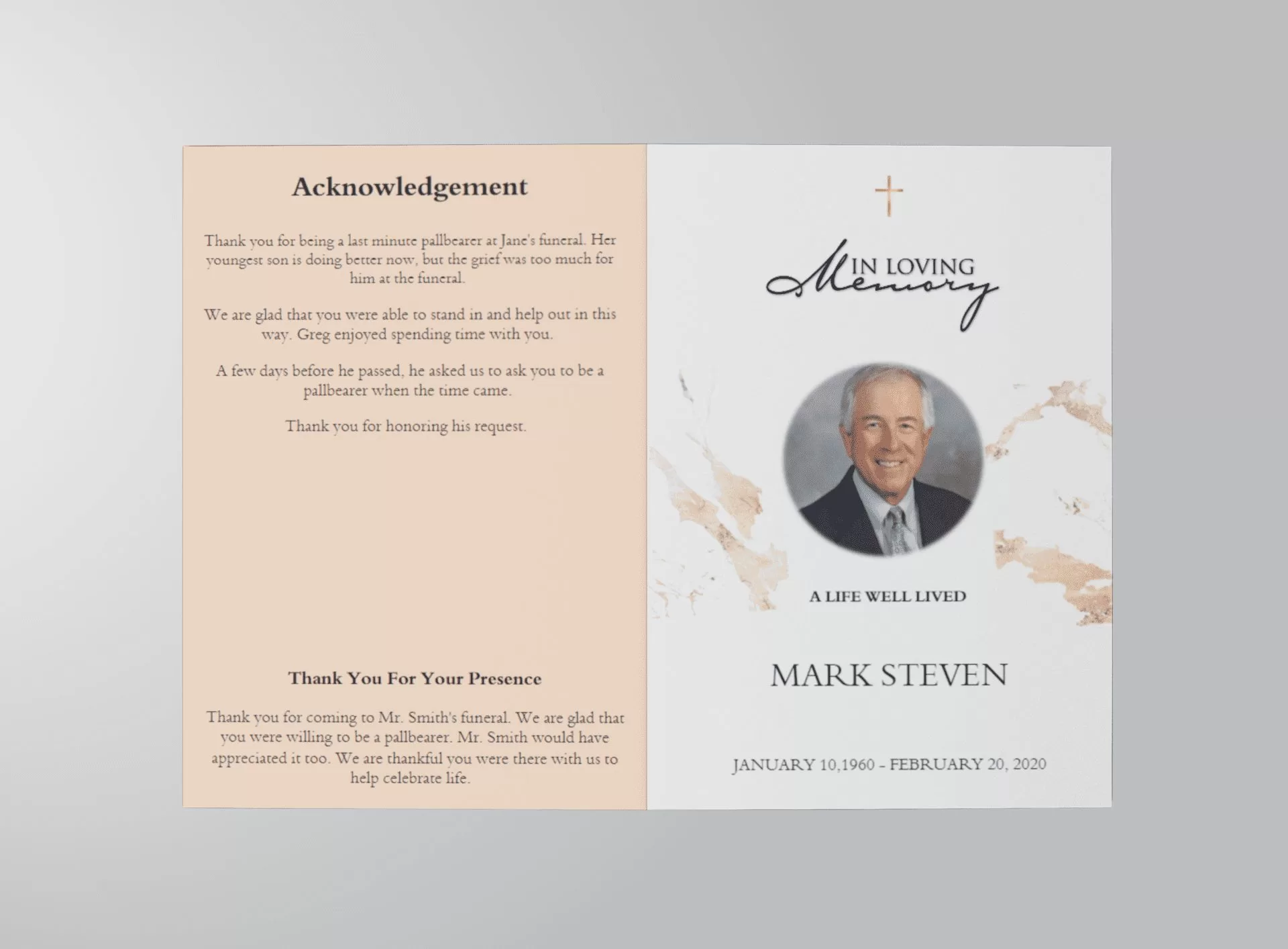
How to Write a Funeral Program Obituary

Navigating Funeral Planning with Compassion and Clarity

Example of an obituary for a mother

Understanding Funeral Planning

Experiencing the loss of a loved one is undoubtedly a profound and emotional journey. During such times, navigating the complexities of funeral planning can feel overwhelming. However, with the right guidance, you can approach this process with compassion and clarity.

Why Funeral Planning Matters

  • It helps honor the deceased’s wishes.
  • Provides a structured way to manage logistics.
  • Offers a chance for families to come together in remembrance.

Essential Insights for Thoughtful Funeral Planning

When planning a funeral, consider the following elements:

  1. Choosing the Right Service: Understand the different types of services available, from traditional funerals to memorial services.
  2. Budgeting: Set a budget that includes all potential costs. For more on financial aspects, check our comprehensive guide.
  3. Personalization: Think about how to incorporate personal touches that reflect the deceased’s life and values.

Writing an Obituary

An obituary serves as a public notice of a person’s passing and is a crucial part of the funeral process. It not only informs others about the death but also celebrates the person’s life. For detailed guidance, visit our guide to writing an obituary template.

Resources for Grieving Families

For families navigating this difficult time, understanding the essentials of funeral planning is vital. Our page on funeral planning essentials provides valuable insights and resources to help guide you through this challenging journey.

Planning Ahead

It’s never too early to start thinking about funeral arrangements. Planning ahead can alleviate the burden on your loved ones during a time of grief. Our insightful article on thoughtful funeral planning offers practical advice for preparing in advance.

Final Thoughts

While dealing with loss is undoubtedly challenging, having reliable information and resources can make a significant difference. QuickFuneral is here to support families as they navigate the complexities of planning a funeral.
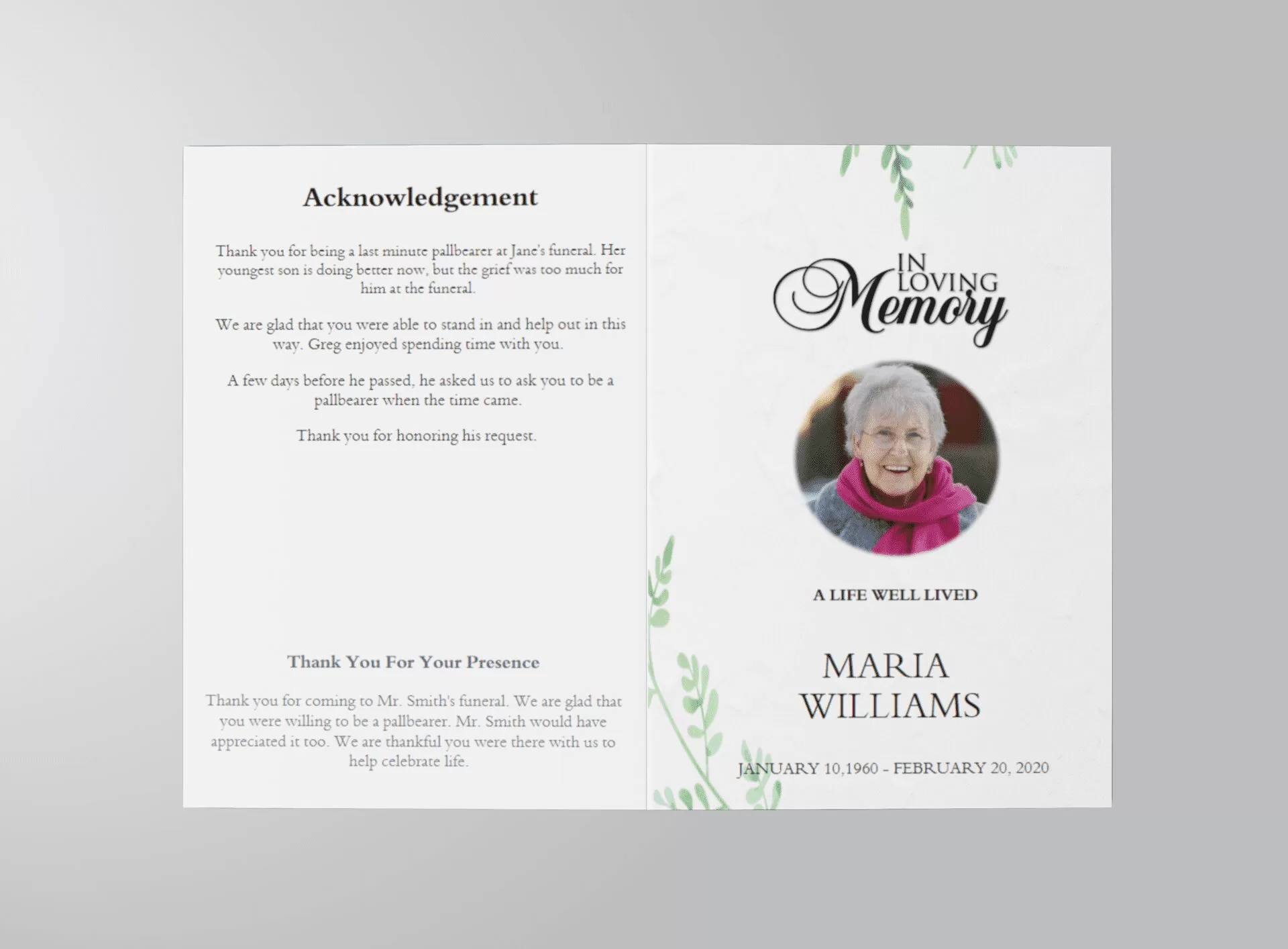

Catholic Funeral Program Example PDF (Free Editable Template)

Navigating the Essentials of Funeral Planning

Example of an obituary for a mother template

Understanding the Importance of Funeral Planning

Planning a funeral is not just a logistical task; it is a deeply personal journey. This process requires sensitivity and thoughtfulness, particularly during the emotional upheaval of losing a loved one. At QuickFuneral, we emphasize the importance of thoughtful funeral planning to ensure that the wishes of the deceased and the needs of the family are both honored.

Key Steps in Funeral Planning

Here are several key steps to consider when navigating the essentials of funeral planning:

  • Gather Information: Collect vital information about the deceased, including personal details that will be necessary for the obituary and memorial services.
  • Choose a Funeral Home: Research and select a funeral home that aligns with your family’s values and preferences. It’s beneficial to read reviews and compare services.
  • Understand the Costs: Be aware of the costs associated with different funeral services. Navigating the essentials of funeral planning can help you anticipate expenses.
  • Decide on Service Details: Determine whether the service will be traditional, memorial, or a celebration of life. Each has its unique elements that can honor the deceased’s memory.
  • Personal Touches: Incorporate personal elements such as favorite music, photos, or stories that reflect the life of the deceased. This creates a meaningful tribute.

Why Thoughtful Planning Matters

Thoughtful funeral planning can lead to a more meaningful experience for family and friends. It allows loved ones to focus on celebrating the life of the deceased rather than being overwhelmed by logistics. To learn more about the emotional and practical implications of planning a funeral, check out our comprehensive guide.

Funeral Planning Resources

At QuickFuneral, we offer valuable resources to assist families through the process of planning a funeral, including:

  • Guides on how to create an obituary
  • Tips for selecting the right casket or urn
  • Advice on arranging transportation for the deceased
  • Support for dealing with grief and loss

Conclusion

While we won’t conclude our discussion here, we encourage you to explore our other resources to support you through this challenging time. Remember, thoughtful planning can ease the burden during a difficult period, allowing families to focus on what truly matters: honoring their loved ones.

Comprehensive Guide to Funeral Planning

Obituary Example

Understanding the Essentials of Funeral Planning

Planning a funeral can be one of the most challenging tasks a family faces during a time of loss. At QuickFuneral LLC, we strive to support families through this emotional journey by providing comprehensive resources and helpful guides.

The Importance of Thoughtful Funeral Planning

When a loved one passes away, thoughtful funeral planning is essential. It not only honors the deceased but also helps families to cope with their grief. A well-planned funeral can provide a sense of closure and a space for family and friends to gather and remember. For more insights, check out our Understanding Funeral Planning: A Compassionate Approach.

Key Steps in Funeral Planning

  1. Gather Information: Collect vital information about the deceased, including their preferences and any pre-arrangements they may have made.
  2. Choose a Funeral Home: Research local funeral homes, their services, and their reputation. This step is crucial for ensuring your family’s needs are met.
  3. Select the Type of Service: Decide on the kind of service that reflects your loved one’s wishes—be it a traditional funeral, memorial service, or celebration of life.
  4. Plan the Details: From selecting music to arranging for speakers, every detail matters. Our Staples Funeral Programs: Comprehensive Guide for Families offers valuable assistance in this area.

Understanding the Emotional Journey

Funeral planning is not just a logistical task; it also involves navigating a complex emotional landscape. Grief can manifest in various ways, and it’s important to allow space for personal feelings. You might find it helpful to read our article on Navigating the Emotional Journey of Funeral Planning, which offers insights into coping with loss.

Resources for Families

At QuickFuneral, we provide numerous resources to make this process easier:

By utilizing these resources, families can feel more empowered to make informed decisions during a challenging time. Remember, you are not alone in this process; we are here to help guide you every step of the way.

fall card

Navigating the Challenges of Funeral Planning

Example of an obituary template

Understanding Funeral Planning

Planning a funeral is a significant responsibility that often comes during a deeply emotional time. Families face a myriad of decisions that can feel overwhelming. Having a structured approach can help ease the burdens associated with this process.

Why Funeral Planning Matters

Funeral planning is about honoring the deceased while also providing support to the grieving family. A well-thought-out plan can facilitate a smoother experience during such a difficult time. Here are some reasons why thoughtful funeral planning is essential:

  • Emotional Support: It allows families to focus on remembering their loved one rather than getting lost in logistical details.
  • Financial Clarity: Understanding the costs associated with funerals can help manage finances effectively. Explore average funeral costs to prepare accordingly.
  • Personalization: It enables families to create a service that reflects the deceased’s life and values.
  • Peace of Mind: Having a plan in place can reduce anxiety about making decisions under pressure.

The Emotional Journey of Funeral Planning

Every family’s journey through grief is unique, and understanding the emotional aspects of funeral planning can make a difference. You can find guidance on navigating these feelings in our article on navigating the emotional journey of funeral planning.

Key Steps in Funeral Planning

When embarking on the funeral planning process, consider the following steps:

  1. Discuss Preferences: Engage family members in discussions about the deceased’s wishes.
  2. Choose a Funeral Home: Select a trusted funeral home that aligns with your family’s needs and values.
  3. Determine the Type of Service: Decide whether it will be a traditional service, memorial, or a celebration of life.
  4. Budgeting: Create a budget based on your family’s financial situation. For insights on managing funeral costs, check out the importance of thoughtful funeral planning.
  5. Write an Obituary: Craft an obituary that honors the deceased’s life. For a helpful template, see our obituary template.

Understanding Funeral Options

It’s important to be aware of the different funeral options available. From traditional burials to cremation, each choice has its emotional and financial implications. For a thorough overview of these options, explore the compassionate guide to funeral planning.

Resources for Families

Utilizing available resources can aid families in making informed decisions. Our guides provide comprehensive insights into various aspects of funeral planning:

By utilizing these resources and maintaining open communication, families can navigate through the planning process with confidence and compassion.

Catholic Funeral Program Example PDF (Free Editable Template)

Understanding Funeral Planning: A Guide for Families

Example of an obituary for a mother

Understanding Funeral Planning: A Guide for Families

When faced with the loss of a loved one, the emotional burden can be overwhelming. Amidst the grief, families must also navigate the complexities of funeral planning. This guide aims to provide a clearer understanding of the essential steps involved in this process, while offering resources to ease the journey.

What is Funeral Planning?

Funeral planning involves making arrangements for the disposition of a deceased person’s body, as well as the ceremonies surrounding their passing. This process can often feel daunting, but understanding its components can help families make informed decisions.

Key Components of Funeral Planning

  • Choosing the Type of Service: Families can opt for various types of services, including traditional funerals, memorial services, or even direct cremation. Each option has its own emotional and financial implications.
  • Setting a Budget: Costs can quickly add up, so establishing a budget early on is crucial. Consider all expenses, including funeral home fees, caskets, and any additional services.
  • Selecting a Funeral Home: Research local funeral homes and compare services. It’s important to choose one that aligns with your needs and values.
  • Personalizing the Service: Incorporating personal touches, such as favorite music, photographs, or stories, can make the service more meaningful and reflective of the deceased’s life.

Emotional Aspects of Funeral Planning

The emotional journey of planning a funeral can be quite taxing. Families often feel a mix of sadness, confusion, and even guilt. It’s essential to recognize these emotions and seek support when needed. Resources such as Navigating the Emotional Journey of Funeral Planning can provide guidance through this challenging time.

Compassionate Funeral Planning

Understanding the importance of compassionate funeral planning can make a significant difference. It’s beneficial to approach planning with empathy and care, ensuring that the wishes of both the deceased and their family are respected. For insights on this approach, consider exploring The Importance of Compassionate Funeral Planning.

Comforting Verses for Times of Loss

During times of grief, many find solace in words. Incorporating comforting verses in the service or written materials can provide a sense of peace. For a selection of verses that may help, check out Comforting Verses for Times of Loss.

Essential Resources for Families

In addition to funeral planning, families may benefit from understanding the broader essentials involved in the process. A deep dive into the key elements of funeral planning is available in Understanding the Essentials of Funeral Planning. This resource highlights important considerations to help families prepare effectively.

A Comprehensive Look at Funeral Planning

For those who want a detailed guide, A Comprehensive Look at Funeral Planning provides a thorough overview of the entire process, including practical tips and emotional support resources.

Final Thoughts

While the journey of funeral planning can be challenging, understanding the steps involved can provide clarity and ease some of the burden. By approaching this process with love and compassion, families can honor their loved ones in a meaningful way.

sample obituary examples

Comprehensive Guide to Understanding Funeral Planning

Example of an obituary for a mother

Understanding Funeral Planning

Planning a funeral can be an overwhelming experience, especially during a time of loss. It’s important to approach this process with care and understanding. Here, we will explore essential insights and resources available to help families navigate this challenging journey.

Why Funeral Planning Matters

Funeral planning is not just about logistics; it’s a way to honor the life of a loved one. Here are a few reasons why thoughtful funeral planning is crucial:

  • Respecting Wishes: Ensuring that the deceased’s wishes are honored.
  • Reducing Stress: A clear plan can alleviate pressure during a difficult time.
  • Financial Preparedness: Helps families manage costs effectively.

Essential Insights into Funeral Planning

To make the process smoother, families should consider several key aspects:

Steps to Plan a Meaningful Funeral

  1. Gather Information: Collect documents and information about the deceased.
  2. Discuss with Family: Open discussions with family members about wishes and preferences.
  3. Choose a Funeral Home: Research and select a funeral home that meets your needs.
  4. Plan the Service: Decide on the type of service—traditional, memorial, or celebration of life.
  5. Consider Personal Touches: Incorporate elements that reflect the deceased’s personality.

Resources for Families

For families looking for further guidance, our Comprehensive Guide to Funeral Planning offers detailed information on each step of the funeral process. Additionally, understanding the essentials of funeral planning can significantly ease the burden on families during this time. For more insights, you can also read about The Importance of Thoughtful Funeral Planning.

In Conclusion

While this guide provides a comprehensive overview of funeral planning, remember that each situation is unique. Tailor your approach to fit the specific needs and wishes of your family and your loved one.

How to Write a Funeral Program Obituary

Essential Guide to Funeral Planning and Obituaries

Obituary Example

Understanding the Basics of Funeral Planning

Planning a funeral can feel overwhelming, but understanding the essentials can ease the process significantly. It allows families to navigate this challenging time while honoring their loved ones. Here’s a comprehensive guide that outlines the key elements of funeral planning.

1. Importance of Funeral Planning

Funeral planning is not just a series of tasks; it’s a significant way to pay tribute to a loved one. Here are a few reasons why it matters:

  • Honoring Wishes: Ensures that the deceased’s wishes are respected.
  • Family Support: Helps family members to support each other during a difficult time.
  • Financial Consideration: Allows for better budgeting and financial management.

For more insights, check our detailed article on thoughtful funeral planning.

2. Crafting an Obituary

An obituary is a vital part of commemorating a loved one. It highlights their life and legacy. To assist you in writing a heartfelt obituary, you can use our obituary template for Word. This resource provides a compassionate guide to help articulate your sentiments.

Key Elements of an Obituary

  • Full Name: Include the full name of the deceased.
  • Dates: Mention the birth and death dates.
  • Life Achievements: Highlight significant milestones and contributions.
  • Surviving Family: List family members who are left behind.

3. Navigating Grief and Funeral Planning

Grief is a natural response to loss, and it can influence funeral planning decisions. Understanding how grief affects this process is crucial. For support, refer to our article on navigating grief and planning.

4. Essential Steps in Funeral Planning

Here are some essential steps to follow when planning a funeral:

  1. Choose a Funeral Home: Research and select a funeral home that fits your needs.
  2. Decide on the Type of Service: Consider whether a traditional service, memorial, or celebration of life is appropriate.
  3. Arrange for Transportation: Make arrangements for the transportation of the deceased.
  4. Plan the Details: This includes music, readings, and speakers.

For more detailed information on the process, visit our page on understanding the essentials of funeral planning.

5. After the Funeral

The period following a funeral is often filled with mixed emotions. Families should take time to grieve and heal together. Support from friends and community can play a vital role during this time.

By being informed about the funeral planning process, you can ensure that you honor the memory of your loved one while taking care of your family’s needs. Remember that you are not alone in this journey; resources are available to assist you every step of the way.

fall card

Essential Insights into Funeral Planning for Families

Example of an obituary for a mother

Understanding Funeral Planning

Funeral planning can be a daunting task during a deeply emotional time. Understanding the essentials of funeral planning is crucial for families wishing to honor their loved ones while ensuring that their wishes are respected. This process involves various aspects, from logistical arrangements to emotional support.

The Importance of Thoughtful Planning

Why is thoughtful funeral planning so vital? Here are a few reasons:

  • Honoring Wishes: Ensures that the deceased’s wishes are followed.
  • Reducing Stress: Pre-planning helps alleviate the burden on grieving family members.
  • Financial Preparation: Aids in understanding the costs involved in arranging a funeral.

Navigating Grief and Planning

Experiencing loss can trigger a complex journey of grief. Understanding how to navigate grief while managing funeral planning can be overwhelming. Embracing support from family, friends, or professionals can make this journey smoother. Consider the following:

  • Seek emotional support from loved ones.
  • Engage with grief counselors or support groups.
  • Allow yourself to grieve at your own pace.

Understanding Average Costs

One significant aspect of funeral planning is understanding the financial implications. Familiarizing yourself with average funeral prices can help you budget effectively. Here are some key factors that influence costs:

  • Type of service (traditional vs. cremation)
  • Location of the service
  • Additional services such as obituaries, flowers, and transportation

Comprehensive Planning

For those looking for a thorough approach, a comprehensive guide can offer invaluable insights. This guide covers everything from the initial stages of planning to the details of the service itself.

Final Thoughts

Taking the time to understand funeral planning not only helps in honoring the memory of your loved ones but also eases the burden on grieving families. Through thoughtful planning and seeking the necessary resources, families can navigate this challenging time with dignity and grace.

Catholic Funeral Program Example PDF (Free Editable Template)

Comprehensive Guide to Funeral Planning for Families

Obituary Template

Understanding the Importance of Funeral Planning

Planning a funeral can be one of the most challenging tasks a family faces during a difficult time. It involves making numerous decisions that honor the memory of a loved one while also considering the emotional and financial implications. In this guide, we will explore the essentials of funeral planning, providing a roadmap to help you navigate this journey with compassion.

Key Steps in Funeral Planning

  • Assess Your Needs: Start by understanding the needs of your family and the wishes of your loved one. Consider their preferences for burial, cremation, or memorial services.
  • Engage a Funeral Director: A professional can guide you through the process, helping you make informed decisions. For more insights, check out our article on navigating the journey of funeral planning with compassion.
  • Select a Venue: The location of the service is crucial. Whether it’s a funeral home, a church, or a special outdoor setting, ensure it aligns with the deceased’s wishes.
  • Gather Necessary Documentation: Ensure you have all required documents, such as death certificates and permits, to facilitate the planning process.

Creating a Meaningful Memorial

To truly honor a loved one, consider creating personalized memorial items such as funeral booklets. These can provide a structured outline of the service and special memories. For templates that can assist in this, visit Funeral Booklet Templates for a Meaningful Memorial.

Emotional Support During Planning

Remember, funeral planning is not just about logistics; it’s an emotional journey. It’s vital for family members to support one another through this process. If you’re looking for strategies on how to handle the emotional aspects, our article on navigating funeral planning with compassion and care provides valuable insights.

Budgeting for the Funeral

Funeral costs can add up quickly. It’s essential to create a budget that aligns with your family’s financial situation. Consider the following expenses:

  • Funeral home services
  • Burial or cremation fees
  • Memorial items (booklets, cards, etc.)
  • Transportation fees

By planning ahead and understanding the essentials, you can avoid unexpected costs. For a deeper understanding of budgeting, check out Understanding the Essentials of Funeral Planning.

Final Thoughts

Each step of the funeral planning process is an opportunity to celebrate a life well-lived. Understanding the logistical and emotional aspects can ease the burden on your family. For a comprehensive overview, refer to The Essential Guide to Funeral Planning, which offers further guidance and support.

Funeral Program Template Online

Navigating the Journey of Funeral Planning with Care

Example obituary template

Understanding Funeral Planning

Planning a funeral can be an overwhelming task filled with emotions and difficult decisions. At QuickFuneral LLC, we understand the importance of thoughtful funeral planning and aim to provide support and resources to families during this challenging time.

Why Thoughtful Funeral Planning Matters

When losing a loved one, having a plan in place can ease the burden on grieving family members. Thoughtful planning helps ensure that the wishes of the deceased are honored, and it allows families to focus on celebrating the life of their loved one. Explore our article on the importance of thoughtful funeral planning for more insights.

Key Elements of Funeral Planning

  • Choosing the Right Type of Service: Whether it’s a traditional service, a memorial, or a celebration of life, selecting the appropriate service type is crucial.
  • Deciding on Location: The venue for the service can impact its atmosphere and accessibility for attendees.
  • Creating a Meaningful Program: A well-designed funeral program can help attendees engage with the service. For families in need, we offer free funeral program templates.

Steps to Navigate Funeral Planning

  1. Gather Information: Collect necessary details about the deceased, including their preferences and any pre-arrangements made.
  2. Set a Budget: Funeral costs can add up quickly. Establishing a budget helps families make informed decisions.
  3. Contact Funeral Service Providers: Research and select a funeral home that aligns with your needs and values.
  4. Involve Family Members: Engaging family members in the planning process can ensure that everyone’s wishes and feelings are considered.
  5. Consider Personal Touches: Incorporate elements that reflect the personality and values of your loved one, from music selections to decorations.

Helpful Resources for Families

At QuickFuneral, we provide various resources to help families navigate the complexities of funeral planning with care and compassion. Check out our guide on navigating funeral planning for more detailed information.

Essential Tips for Thoughtful Planning

Here are some essential tips to keep in mind as you plan:

  • Communicate Openly: Discuss plans with family members to ensure everyone is on the same page.
  • Take Your Time: Don’t rush the planning process. It’s important to make decisions that feel right for you and your family.
  • Seek Support: Consider reaching out to professionals for help with difficult decisions or emotional support.

Final Thoughts

Funeral planning is not just about logistics; it’s about honoring a life and creating a space for friends and family to grieve and celebrate together. For a comprehensive approach to funeral planning, visit our comprehensive guide which covers all aspects you need to consider.

Back to Top
Product has been added to your cart
Compare (0)