Navigating the Complexities of Funeral Planning

Example of an obituary for a mother

Navigating the Complexities of Funeral Planning

Experiencing the loss of a loved one is an incredibly challenging time. The emotional turbulence can make the process of planning a funeral feel overwhelming. However, understanding the key aspects of funeral planning can help ease the burden.

Understanding the Emotional Landscape

Funeral planning is not only about logistics; it’s also about navigating a myriad of emotions. Feeling lost or confused is normal, and many people experience similar emotions. To help you through this process, consider reading our article on Understanding Funeral Planning: A Guide to Navigating Emotions. It provides insights into coping with grief and how to approach planning during such a difficult time.

Essential Steps for Funeral Planning

When planning a funeral, there are several essential steps to consider:

  • Gather Information: Collect vital information about your loved one, including their wishes, personal details, and essential documents.
  • Choose a Funeral Home: Research local funeral homes and services. You can find guidance on this in our article about Essential Guide to Funeral Planning for Your Loved Ones.
  • Decide on the Type of Service: Whether it’s a traditional ceremony, a memorial service, or a celebration of life, decide what fits your loved one best.
  • Consider Personal Touches: Incorporating personal elements such as favorite flowers or music can help honor the memory of your loved one. Explore options in our article about Choosing the Right Plants for Funeral Services.

Understanding Funeral Costs

Funeral costs can be a significant concern. It’s crucial to be aware of the various expenses involved:

  • Funeral home services
  • Casket or urn selection
  • Burial or cremation fees
  • Transportation costs

For a deeper understanding of managing these expenses, visit our detailed guide on Essential Insights on Funeral Planning and Support.

Support and Resources

Don’t hesitate to seek support during this time. Many resources are available, including funeral directors who can guide you through the planning process. Additionally, consider connecting with support groups or grief counselors.

Funeral planning is a journey filled with emotional challenges, but it’s also an opportunity to celebrate the life of your loved one. For more insights on the emotional aspects of this process, check out our article on Navigating the Emotional Landscape of Funeral Planning.
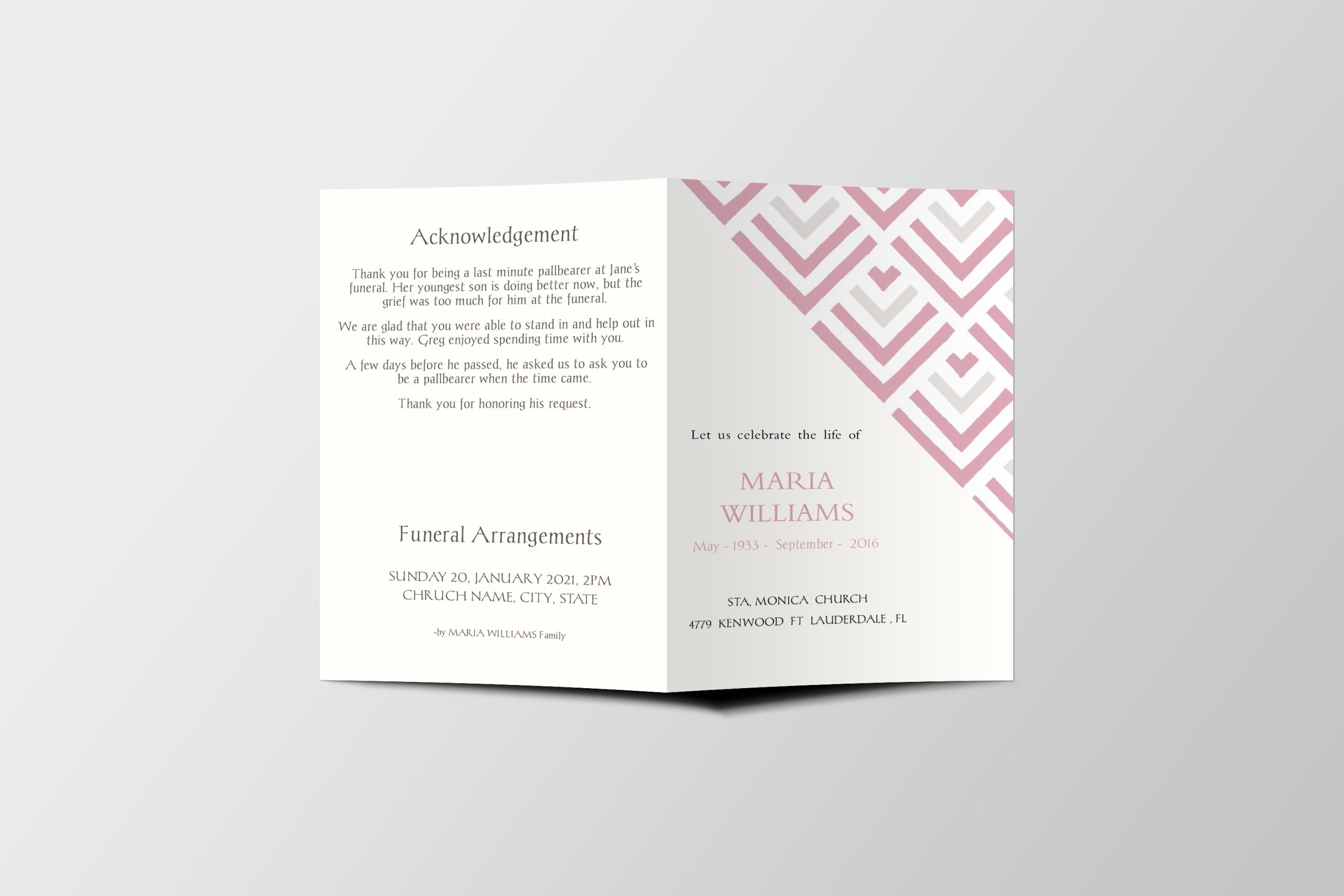

sample obituary examples

Navigating the Complexities of Funeral Planning

Example of an obituary for a mother template

Understanding Funeral Planning

Experiencing the loss of a loved one is one of the most profound emotional journeys one can face. During such challenging times, understanding funeral planning becomes essential. It encompasses a range of considerations, from choosing the right service to managing logistics and honoring the departed.

Why Funeral Planning Matters

Funeral planning is not merely about organizing a service; it’s about creating a meaningful tribute. Here are some key reasons why it is important:

  • Emotional Closure: A well-planned funeral can provide emotional closure to the bereaved.
  • Honoring Memories: It serves as a final tribute that honors the life and legacy of the deceased.
  • Financial Considerations: Planning ahead can help manage costs and prevent financial stress later on.
  • Family Unity: Involving family members in planning can foster unity and shared remembrance.

Steps to Effective Funeral Planning

When it comes to planning a funeral, consider the following steps:

  1. Discuss with Family: Open discussions with family members about preferences and wishes are crucial.
  2. Choose a Service Type: Decide whether to opt for a traditional service, cremation, or a unique ceremony.
  3. Budget Planning: Establish a budget early on to guide your decisions and keep costs manageable.
  4. Select a Funeral Home: Research and choose a funeral home that aligns with your values and needs.
  5. Plan the Details: From the location to the type of service, every detail matters. Consider including personal touches that reflect your loved one’s personality.

Emotional Considerations

Funeral planning is laden with emotions. It is essential to navigate these feelings thoughtfully. Resources such as navigating the emotional landscape of funeral planning can provide guidance on coping with grief while making decisions.

Resources for Funeral Planning

At QuickFuneral, we offer various resources to assist you:

Conclusion

While we won’t provide a conclusion, it’s crucial to remember that every decision made during this time should reflect love and respect for the departed. By understanding the various facets of funeral planning, you can create a meaningful tribute that honors your loved one’s life.

Sample Obituary Templates

The Importance of Funeral Planning: A Compassionate Approach

Example of an obituary for a mother

Understanding the Emotional Journey of Funeral Planning

Experiencing the loss of a loved one is one of life’s most challenging moments. The emotional toll can be overwhelming, making the process of funeral planning even more daunting. It’s essential to approach this journey with both compassion and care.

Why Funeral Planning Matters

Planning a funeral allows families to celebrate the life of their loved ones while also providing a necessary structure during a time of grief. Here are several reasons why taking the time to plan a funeral is beneficial:

  • Emotional Closure: A well-planned funeral service can help family and friends find closure.
  • Personalization: Funeral planning provides an opportunity to personalize the service, reflecting the deceased’s life and legacy.
  • Financial Preparedness: Understanding costs associated with funerals can alleviate financial burdens later.
  • Family Support: Involving family members can foster unity and support during difficult times.

Key Steps in Funeral Planning

When beginning the process, consider the following steps to ensure a smooth journey:

  1. Communicate with Family: Discuss preferences and wishes with family members to ensure everyone is on the same page.
  2. Research Options: Explore different types of services, including traditional funerals, memorial services, and alternative options.
  3. Choose a Funeral Home: Selecting a compassionate funeral home is crucial as they will guide you through the process.
  4. Consider Funeral Pamphlets: Creating funeral pamphlets can help attendees follow the service and remember the deceased.

Understanding Funeral Pamphlets

Funeral pamphlets, also known as memorial programs, serve as informative booklets for attendees. They typically include:

  • Obituary of the deceased
  • Order of service
  • Photos and memories
  • Special messages from family

For more details on creating these pamphlets, check out our comprehensive guide on Understanding Funeral Pamphlets.

Embracing Compassion in Funeral Planning

Every family’s needs are unique. It’s important to navigate the complexities of funeral planning with compassion and care. Here are some ways to incorporate empathy into the process:

  • Listen to the wishes of the deceased and their family.
  • Be open about discussing costs and options.
  • Provide emotional support to those involved in the planning.

Resources for Families

For families navigating this journey, we offer various resources to assist in the planning process. Our Essential Guide to Funeral Planning provides helpful insights on how to make informed decisions during this challenging time.

Additionally, engaging with our article on Navigating the Journey of Funeral Planning can shed light on the emotional aspects and practical considerations involved.

How to Write a Funeral Program Obituary

Navigating the Emotional Terrain of Funeral Planning

Example of an obituary for a mother template

Understanding the Importance of Funeral Planning

When a loved one passes away, it can be one of the most challenging times in our lives. The emotional weight can be overwhelming, making the process of funeral planning seem daunting. However, with the right guidance and support, it can also be an opportunity to celebrate their life and legacy.

Key Elements of Funeral Planning

Planning a funeral involves several important steps. Here are some essential elements to consider:

  • Choosing the Type of Service: Will it be a traditional funeral, a memorial service, or a celebration of life?
  • Location: Decide where the service will be held. Options may include homes, churches, or funeral homes.
  • Budget: Understanding costs and setting a budget is crucial to avoid unexpected expenses.
  • Guest List: Consider who you want to invite to honor your loved one.

Compassionate Guidance Through the Process

As you navigate through the complexities of funeral planning, it can help to have a compassionate guide. This might be a family member, a close friend, or a professional who can assist in making arrangements. Their support can alleviate some of the stress associated with the decision-making process.

Creating a Meaningful Acknowledgment

Another vital aspect of funeral planning is acknowledging the support received from friends and family. This can be done through a formal acknowledgment in a funeral program. Acknowledgments are a heartfelt way to express gratitude for the love and support during a difficult time.

Resources for Thoughtful Planning

Understanding the essentials of funeral planning can help you feel more prepared. For a comprehensive overview, consider reading our article on understanding the essentials of funeral planning. It outlines critical components and provides helpful tips to ease the journey.

Closing Thoughts

While the task of planning a funeral can feel overwhelming, taking it step by step can make it manageable. Remember, you are not alone in this process. Whether you seek support from loved ones or professionals, there are resources available to help you through this challenging time.

Understanding the Essentials of Funeral Planning

Example of an obituary for a mother template

Understanding the Essentials of Funeral Planning

Funeral planning is a delicate process that requires sensitivity and understanding, especially during the painful time of loss. At QuickFuneral, we aim to provide you with comprehensive resources to help ease this journey. Whether you’re starting to make arrangements or seeking ways to celebrate a loved one’s life, our guides can assist you in this emotional landscape.

The Importance of Planning

Planning a funeral allows families to honor their loved ones and ensure their final wishes are respected. It also provides a framework for managing the many decisions that need to be made. Here are some key aspects to consider:

  • Location: Choose a venue that reflects the personality of the deceased.
  • Service Type: Decide between a traditional service, a celebration of life, or a more personalized tribute.
  • Budget: Establish a budget that accommodates your needs while honoring the memory of your loved one.

Emotional Considerations

During this time, emotions run high. It’s vital to navigate the emotional landscape of funeral planning with care. For a deeper understanding of managing these feelings, check out our article on Navigating the Emotional Landscape of Funeral Planning. This resource provides insights on coping mechanisms and the importance of support networks.
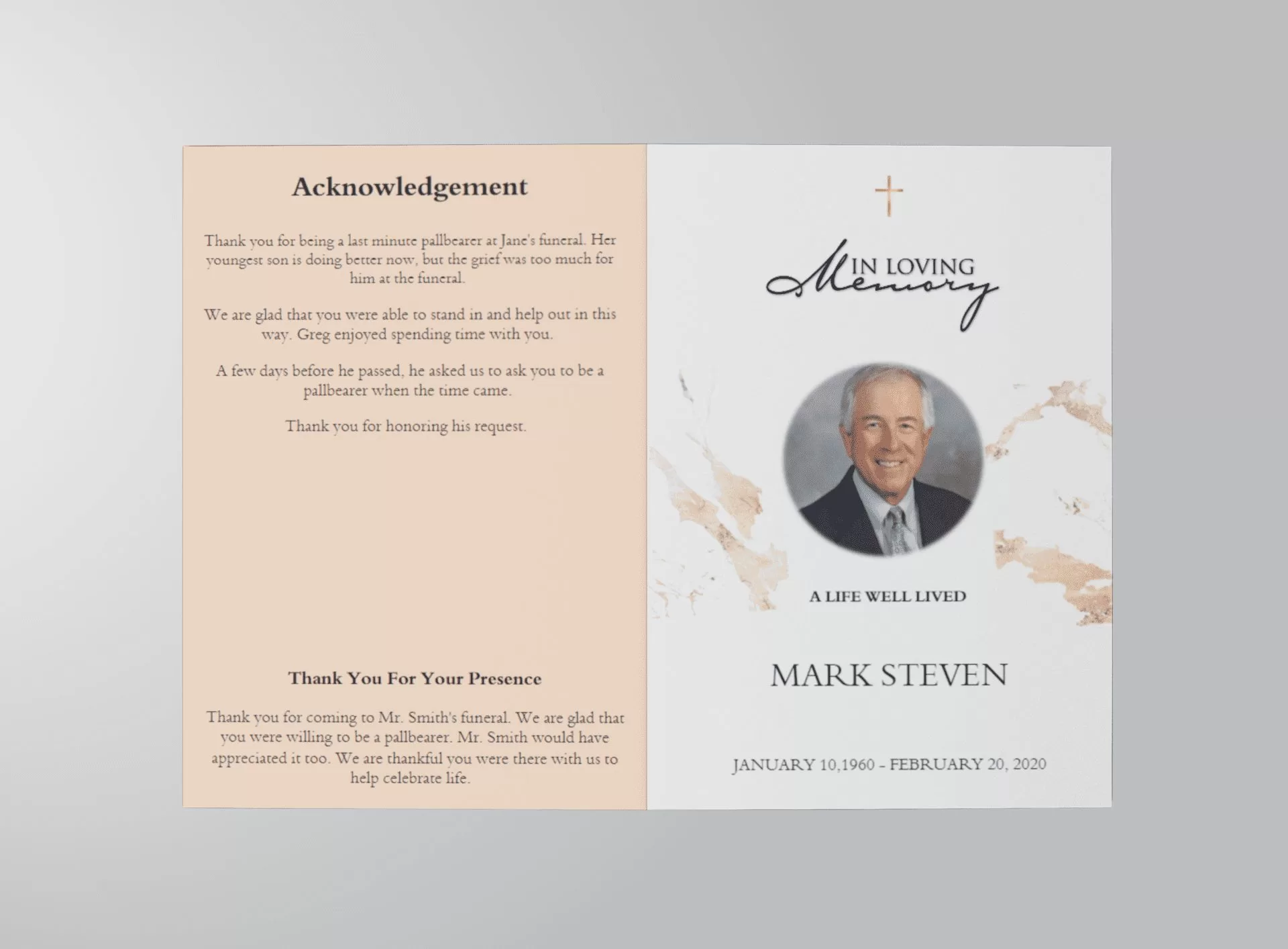
Practical Steps to Take

To facilitate the planning process, here’s a practical checklist to follow:

  1. Gather necessary documents, including any pre-arrangement plans.
  2. Contact a funeral home to discuss options and services.
  3. Decide on burial or cremation and any related details.
  4. Plan the service details, including speakers, music, and readings.
  5. Consider personalized memorial items or keepsakes.

Creative Ways to Honor a Life

Incorporating personal touches can make a funeral service more meaningful. Consider using heartfelt poems or unique tributes that celebrate the life of the deceased. These elements can help create a warm and loving atmosphere, allowing attendees to share fond memories.

Resources for Guidance

For those new to the process, our Complete Guide to Navigating Funeral Planning offers a step-by-step approach to help simplify decisions. This comprehensive resource covers everything from planning logistics to emotional support, ensuring you feel informed and prepared every step of the way.

Additionally, our Essential Guide to Funeral Planning provides vital insights into managing grief while making plans. It emphasizes the importance of taking care of your emotional well-being during this difficult time.

Conclusion

Although this post does not conclude with a traditional ending, the journey of funeral planning is ongoing. Each step can be both a challenge and a tribute to the life being honored. At QuickFuneral, we are here to support you through every aspect, offering resources that cater to both practical and emotional needs.

Sample Obituary Templates

Understanding the Essentials of Funeral Planning

Obituary Template

Introduction to Funeral Planning

When faced with the loss of a loved one, the emotional burden can feel insurmountable. The process of planning a funeral is often complicated and stressful, but understanding the essentials can help ease this difficult time. At QuickFuneral LLC, we aim to provide you with the necessary tools and information to navigate this challenging period.

Why Planning is Important

Funeral planning is not just about the logistics; it’s also about honoring the memory of your loved one. A well-planned service can provide comfort and closure to family and friends. Here are some key reasons to consider:

  • Emotional Support: A planned service allows family members to focus on their grief and support each other.
  • Financial Clarity: Understanding costs can prevent unexpected financial burdens during an already difficult time.
  • Personalization: Tailoring the service to reflect the personality and values of the deceased can enhance the experience for attendees.

Key Components of Funeral Planning

Understanding the various aspects of funeral planning can help you make informed decisions. Here are some essential components:

1. Choosing a Service Type

Decide whether you want a traditional funeral, a memorial service, or a celebration of life. For guidance on creating a meaningful service, check out our article on Creating an Order of Service for a Celebration of Life.

2. Selecting a Funeral Home

Research local funeral homes and read reviews. It’s important to choose a provider that aligns with your needs and values.

3. Budgeting for Costs

Funeral expenses can vary widely. Planning ahead can help you stay within your financial means. For more on this topic, explore our Navigating the Complexities of Funeral Planning.

4. Personalizing the Service

Incorporate elements that reflect the deceased’s personality, such as favorite music, photos, or themes. This personalization can significantly impact how the service is perceived by attendees.

Essential Resources for Families

At QuickFuneral LLC, we provide various resources to assist families in their planning journey. Our Essential Guide to Navigating Funeral Planning is a valuable resource that covers all the foundational aspects of organizing a funeral.

Common Questions about Funeral Planning

  • What should I include in an obituary? An obituary should reflect the person’s life and accomplishments. For a template, see our Obituary Template.
  • How can I make the service more meaningful? Consider including personal touches that celebrate the individual’s life.
  • What are the legal requirements for a funeral? Each state has different laws regarding death and funerals, so it’s important to research these.

Conclusion

Navigating funeral planning is a journey that requires compassion and care. For more insights on this topic, read our article on A Comprehensive Guide to Funeral Planning and Services. We are here to support you every step of the way.

Navigating the Complexities of Funeral Planning

Example of an obituary template

Understanding the Importance of Funeral Planning

Planning a funeral can be an overwhelming task, especially during the emotional turmoil of losing a loved one. It involves making numerous decisions that can feel daunting. At QuickFuneral LLC, we aim to provide a compassionate approach to help you navigate through this challenging time.

Key Considerations in Funeral Planning

  • Choosing the Right Service: Different types of funeral services exist, including traditional burials, cremations, and memorial services. Each has its own set of considerations.
  • Budgeting: Understanding the costs involved can help you plan effectively. Consider creating a budget that includes all potential expenses.
  • Personalization: Funerals can be tailored to reflect the unique personality of the deceased, making the service more meaningful for attendees.

Helpful Resources for Funeral Planning

For those new to the process, Understanding Funeral Planning: A Compassionate Approach offers valuable insights. Additionally, Your Guide to Thoughtful Funeral Planning provides a comprehensive overview of the various aspects to consider.

Emotional Support During Funeral Planning

The emotional impact of a death can be profound. It’s essential to seek support from friends, family, or professionals who can offer assistance during this time. Resources such as Navigating Funeral Planning with Compassion and Care can help you find the support you need.

Steps to Take When Planning a Funeral

  1. Notify Family and Friends: Let loved ones know about the passing and the planned service details.
  2. Contact a Funeral Home: Engage with a funeral home that aligns with your family’s needs. They can guide you through the necessary steps.
  3. Gather Important Documents: Ensure you have all necessary paperwork, including the death certificate and any pre-arranged funeral plans.
  4. Plan the Service: Decide on the format, location, and any special requests such as speakers or music.

Explore More about Funeral Planning

For deeper insights, consider reading Essential Insights for Funeral Planning. This resource provides detailed information to help you make informed decisions during this difficult time.

Conclusion

While this section was omitted as per your request, remember that navigating the complexities of funeral planning is a journey. With the right resources and support, you can honor your loved one while making thoughtful decisions that reflect your family’s values and wishes.

Back to Top
Product has been added to your cart
Compare (0)