Heartfelt Condolence Messages: Examples & Tips

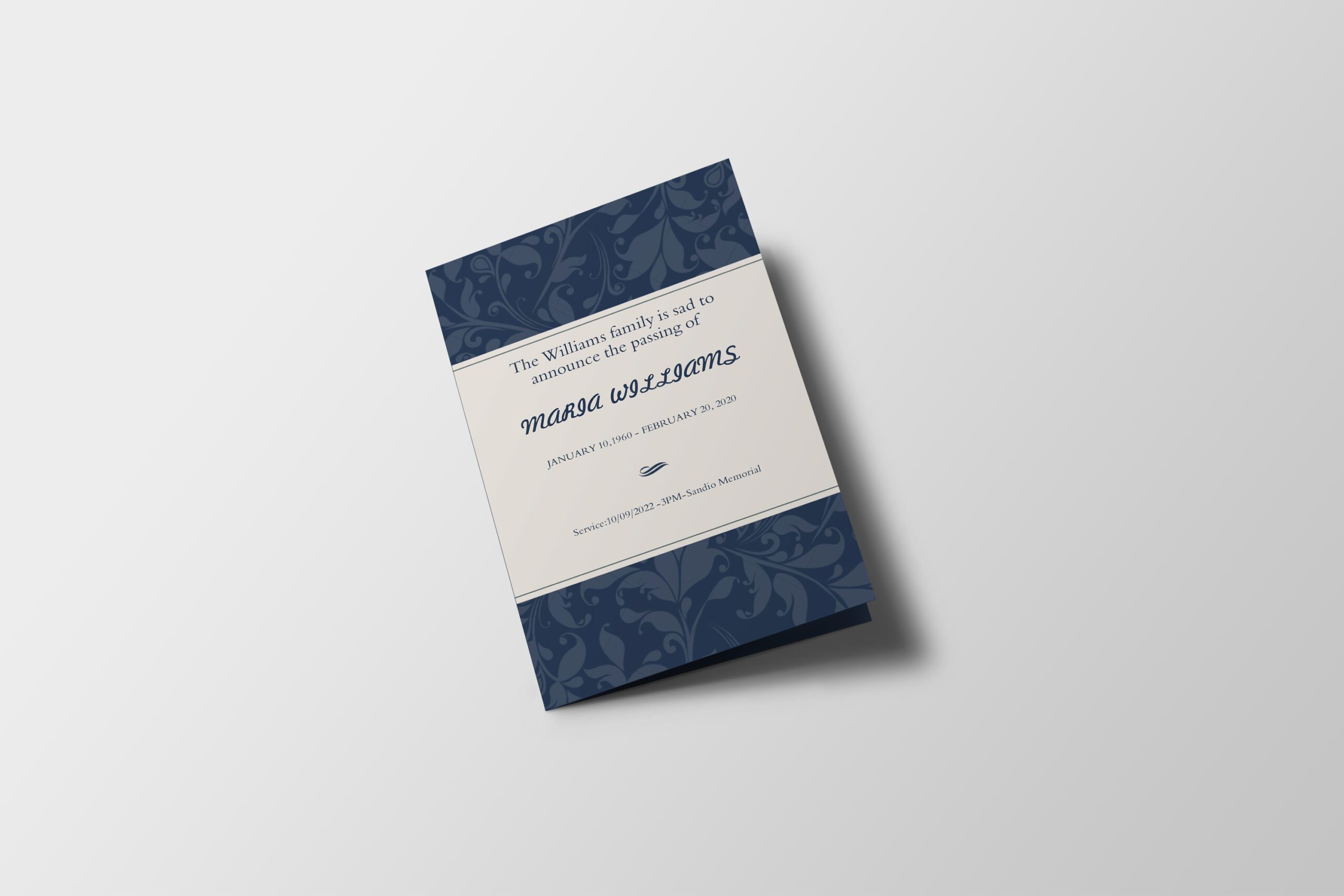
Sympathy Card for Condolence Messages

Heartfelt Condolence Messages: Examples and Tips to Express Your Sympathy

Find heartfelt condolence message examples, including short condolence messages and my deepest condolences notes, to express sympathy. Learn tips to write your own.

Introduction: The Power of a Condolence Message

Expressing sympathy during a time of loss can be challenging, but a thoughtful condolence message can offer comfort and support. Whether you’re saying my condolences to a friend or writing a formal note, this guide provides examples and tips to help you craft meaningful condolences messages that resonate.

Why Condolence Messages Matter

A condolence message shows empathy, acknowledges grief, and strengthens connections. From a simple my deepest condolences to a personalized note, your words can provide solace. Whether sent via card, text, or social media, a well-crafted message leaves a lasting impact.

Condolence Message Examples for Every Situation

Here are examples of condolence messages tailored to different relationships and tones:

  • Short Condolence Message: “My condolences to you and your family. May you find peace in cherished memories.”
  • Formal Condolence: “Please accept my deepest condolences for your loss. Your loved one’s legacy will live on in our hearts.”
  • Personalized Message: “My condolences to you and your family. [Name]’s warmth and laughter will always be remembered. I’m here for you.”
  • Religious Condolence: “Deepest condolences. May God’s love and grace comfort you during this difficult time.”
  • Casual Condolence: “I’m so sorry for your loss. Sending you love and my deepest condolences to you and your family.”

Explore more examples in our Condolence Message Guide.

Tips for Writing Your Own Condolence Message

Crafting a condolence message is personal, but these tips can help:

  1. Be Sincere: Use heartfelt words like my condolences or deepest condolences to convey genuine care.
  2. Keep It Brief: A short condolence message is often best, especially for acquaintances.
  3. Personalize When Possible: Mention a memory or quality of the deceased to make it meaningful.
  4. Offer Support: Include phrases like “I’m here for you” to show availability.
  5. Match the Tone: Use formal language for colleagues or casual for close friends.

Need inspiration? Our condolences message templates make it easy to start.

When to Send a Condolence Message

Timing and delivery matter. Send your condolence message soon after learning of the loss, ideally within a week. Options include:

  • Handwritten Card: Ideal for formal or close relationships.
  • Text or Email: Suitable for quick, casual messages like my condolences.
  • Social Media: Appropriate for public condolences, but keep it respectful.

Learn more about etiquette in our Sympathy Etiquette Guide.

Conclusion: Share Comfort with Your Words

A thoughtful condolence message can make a difference. Whether you choose a short condolence message or a heartfelt my deepest condolences to you and your family, your words matter. Explore our resources to find the perfect message and share comfort today.

Condolence Messages

Funeral Services and Heartfelt Messages

Losing a loved one is one of the most challenging experiences in life. During this time, we seek ways to honor their memory and offer comfort to those left behind. From crafting heartfelt condolence messages to planning a meaningful funeral service, every detail contributes to a loving tribute. This guide explores how to create meaningful ceremonies, write touching messages, and craft personalized obituaries.

Baptist Funeral Order of Service

Planning a funeral service involves creating a structured program that reflects the life and faith of the deceased. For Baptist funerals, tradition and faith play a significant role in the order of service. Baptist Funeral Order of Service provides a detailed outline to help you organize a respectful and faith-centered ceremony. From opening prayers to musical selections and scripture readings, each element honors the memory of your loved one while providing comfort to attendees.

Christian Obituary Examples

Writing an obituary is an opportunity to celebrate the life of the departed and share their legacy with the world. Christian Obituary Examples offer inspiration for crafting a heartfelt tribute that reflects faith, family values, and significant milestones. These templates provide guidance on how to include personal details, achievements, and a message of hope for eternal life.

Crafting Condolence Messages

Expressing sympathy to grieving friends and family can be challenging, but the right words can provide comfort and support. Condolence Message offers heartfelt examples that you can use or adapt. Whether you’re writing a card, an email, or a text message, these phrases convey your deepest sympathy and show that you’re thinking of the bereaved during their difficult time.

For more inspiration, explore Condolence Messages and Condolences Message, which provide additional suggestions for expressing your support.

Sharing Deepest Condolences

Sometimes, a simple yet heartfelt phrase can bring immense comfort. Phrases like “Our deepest condolences” or “You are in our thoughts and prayers” convey profound sympathy in a succinct manner. For more guidance, visit Deepest Condolences Message to find messages that resonate with your sentiments.

Creating an Obituary

Creating an obituary is more than a task—it’s an opportunity to celebrate a life well-lived. Create an Obituary offers step-by-step guidance for crafting a meaningful and personal announcement. Include essential details such as dates, accomplishments, and family connections, while also adding heartfelt anecdotes or favorite quotes to reflect the individuality of your loved one.

For additional resources, explore Create Obituary for templates and tips that make the process easier during this emotional time.

The Importance of a Thoughtful Tribute

A meaningful tribute does more than honor the deceased—it also provides a sense of closure and peace for family and friends. Whether it’s through a well-structured funeral service, a beautifully written obituary, or a sincere condolence message, these gestures bring solace to those mourning a loss. By incorporating elements like the Baptist Funeral Order of Service or drawing inspiration from Christian Obituary Examples, you can create a deeply personal and respectful tribute.

Comforting Messages for Difficult Times

Expressing condolences is an art that requires sincerity and empathy. Resources like Condolence Messages and Deepest Condolences Message offer the right words to convey support. Whether it’s a brief note or a detailed message, your words can provide a beacon of hope and love.

Making a Lasting Impact

Every detail, from the structure of a funeral service to the words of an obituary, contributes to a meaningful farewell. By using tools like Create an Obituary and Baptist Funeral Order of Service, you can craft a tribute that reflects the unique essence of your loved one. These gestures, though small, have a profound impact on how we remember and honor those we have lost.

Planning a memorial or writing a condolence message is a deeply personal experience. With the help of resources like Christian Obituary Examples and Condolence Messages, you can find the inspiration and support needed to create a meaningful tribute. In the end, these acts of remembrance bring comfort to those mourning and ensure that the legacy of the departed lives on.

How to Express Sympathy and Comfort in Difficult Times

In life, there are few things as challenging as finding the right words to offer someone who is grieving. A well-crafted condolences message can provide comfort and support during one of life’s most difficult moments. Knowing how to express sympathy can make a significant difference in someone’s healing process. This guide will explore how to craft thoughtful condolences messages and offer related insights into offering heartfelt sympathy.

Understanding the Importance of a Condolences Message

A condolences message is more than just a social nicety; it’s a way to show that you care about someone’s loss and want to be there for them during their time of grief. Whether it’s a simple text, a heartfelt card, or a message written in an online guestbook, your words can bring comfort and solace.

When writing a condolences message, it’s important to be sincere and to the point. The key is to acknowledge the loss, offer support, and share a memory or thought about the deceased. Your message doesn’t have to be long, but it should come from the heart.

How to Write a Thoughtful Condolences Message

Writing a condolences message can feel overwhelming, especially when you’re unsure of what to say. However, the most important thing is that your message comes from a place of compassion and empathy. Here are some tips to help you craft a thoughtful and sincere condolences message:

  1. Start with a Simple Acknowledgment: Begin your message by acknowledging the loss. For example, “I was so sorry to hear about your loss,” or “My heart goes out to you and your family during this difficult time.”
  2. Express Your Sympathy: It’s essential to let the person know that you are thinking of them. Phrases like “You are in my thoughts and prayers” or “I’m sending you love and strength” can be very comforting.
  3. Share a Fond Memory or Positive Thought: If you knew the deceased, sharing a fond memory can add a personal touch to your message. If you didn’t know the person, a simple message of support, such as “I know how much they meant to you,” can be just as meaningful.
  4. Offer Support: Offering help or support can be comforting. You might say, “Please don’t hesitate to reach out if you need anything,” or “I’m here for you if you need someone to talk to.”
  5. Close with a Thoughtful Sentiment: End your message with a thoughtful closing, such as “With deepest sympathy” or “Wishing you peace and comfort in the days ahead.”

For more examples and inspiration, visit this condolences message guide.

Related Keywords and How They Enhance Your Message

When writing a condolences message, you might encounter various related terms that can help you express your feelings more fully. Here are some of these terms and how they can be used effectively:

  1. Sympathy Message: Similar to a condolences message, a sympathy message is often used to express sorrow for someone’s loss. Phrases like “Please accept my deepest sympathy” or “Sending my heartfelt sympathy” are common.
  2. Condolence Notes: These are often shorter than a full message but still convey the same sentiment. A condolence note might simply say, “Thinking of you during this time of sorrow.”
  3. Words of Comfort: These are the phrases and sentiments that offer reassurance and peace to someone in grief. For example, “May you find comfort in the love and memories you shared.”
  4. Bereavement Message: This term is often used interchangeably with condolences message but may sometimes refer to the period of mourning. An appropriate bereavement message could be, “Wishing you strength during this time of bereavement.”
  5. Message of Sympathy: This phrase is another way to describe a condolences message. It’s essential to tailor your message of sympathy to the recipient’s needs and emotions.

For a more in-depth look at how to use these terms and to see more examples, visit this comprehensive condolences message guide.

The Impact of a Well-Written Condolences Message

A well-written condolences message can have a profound impact on someone who is grieving. It can help them feel less alone, provide a sense of connection, and offer solace during an incredibly challenging time. Moreover, by carefully choosing your words, you can ensure that your message is both comforting and respectful.

Here are a few reasons why a thoughtful condolences message is so impactful:

  1. It Shows That You Care: Taking the time to write a heartfelt message shows the recipient that you care about their loss and are thinking of them.
  2. It Offers Emotional Support: A well-crafted message can offer emotional support, helping the recipient to process their grief.
  3. It Honors the Deceased: By sharing memories or expressing what the deceased meant to you, you honor their legacy and show the recipient how much their loved one was valued.
  4. It Provides a Keepsake: Many people keep condolence cards and notes as a way to remember the support they received during their time of loss. Your message could become a cherished keepsake.

To explore more about how to craft impactful condolences messages, check out this detailed condolences message guide.

Crafting Messages for Different Relationships

The way you write a condolences message can vary depending on your relationship with the deceased or the bereaved. Here are some examples tailored to different relationships:

  1. For a Friend: “I’m so sorry for your loss. I know how much [Name] meant to you, and my heart aches for you. Please know I’m here for you.”
  2. For a Colleague: “Please accept my deepest condolences on the loss of your [relation]. My thoughts are with you and your family during this difficult time.”
  3. For a Family Member: “Our family is deeply saddened by the loss of [Name]. We will cherish the memories we have and keep you in our prayers.”
  4. For a Neighbor: “Sending you my heartfelt condolences during this time. [Name] was a wonderful person, and they will be greatly missed in our community.”

Each of these messages can be customized further depending on the situation and the individuals involved. For more tailored examples, visit this condolences message guide.

The Lasting Importance of Condolences Messages

In conclusion, writing a condolences message is a meaningful way to express sympathy and offer comfort to those who are grieving. Whether it’s a brief note or a more detailed message, your words can provide much-needed support during a difficult time. Remember to be sincere, offer support, and, if appropriate, share a memory of the deceased. By doing so, you can create a message that truly resonates with the recipient.

For further guidance and examples on how to write a heartfelt condolences message, explore the resources available. Your support can make a world of difference to someone in their time of need.

Back to Top
Product has been added to your cart
Compare (0)