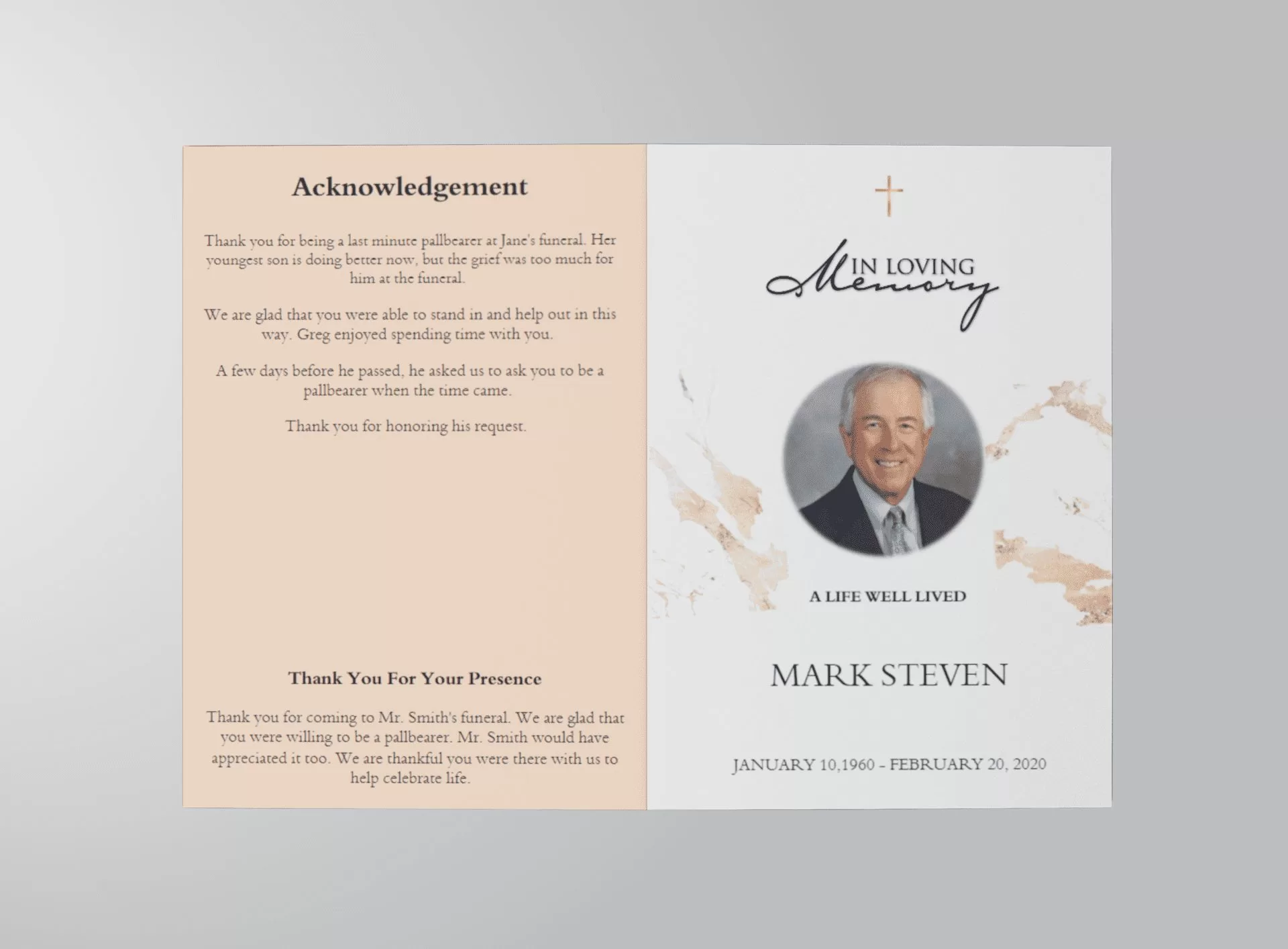
Sample Obituary Templates

Navigating the Journey of Funeral Planning with Compassion

Example of an obituary for a mother template

Navigating the Journey of Funeral Planning

When the loss of a loved one occurs, the emotional weight can be overwhelming. At QuickFuneral.com, we understand how crucial it is to approach funeral planning with both understanding and compassion. This comprehensive guide will help you navigate the complexities of this important process.

Why Funeral Planning Matters

Funeral planning is not just about logistics; it’s about honoring the memory of your loved one while managing emotional and financial responsibilities. Here are some key reasons why planning is essential:

  • Emotional Clarity: Planning ahead can provide peace of mind during a distressing time.
  • Financial Awareness: Understanding costs and budgeting can alleviate financial stress.
  • Personal Touch: You can ensure that the service reflects the wishes and personality of your loved one.

Steps in Funeral Planning

While the process can feel daunting, breaking it down into manageable steps can make it easier:

  1. Gather Information: Collect essential documents such as the deceased’s will, insurance policies, and personal preferences.
  2. Choose a Service Type: Decide whether you wish to have a traditional funeral, a memorial service, or a celebration of life.
  3. Select a Funeral Home: Research local funeral homes, read reviews, and ask for recommendations.
  4. Consult with Family: Involve family members in the planning process to ensure that everyone’s wishes are considered.
  5. Budgeting: Consider costs associated with services, burial or cremation, and other expenses. For more detailed guidance, check our comprehensive guide to funeral planning.

Understanding the Emotional Journey

Planning a funeral is often accompanied by a myriad of emotions. Here are some ways to handle the emotional aspects:

  • Allow Time for Grief: Don’t rush the planning process; it’s okay to take time to grieve.
  • Seek Support: Lean on friends, family, or professional counselors for support. Consider visiting our page on navigating funeral planning with understanding and compassion.
  • Celebrate Their Life: Incorporate personal memories and stories into the service to celebrate your loved one’s life.

Practical Considerations

As you plan, keep these practical considerations in mind:

  • Location: Choose a venue that is convenient for family and friends.
  • Timing: Consider the timing of the service and any associated events, such as a wake or reception.
  • Transportation: Arrange transportation for guests if needed.

Resources for Assistance

At QuickFuneral.com, we offer a variety of resources to assist you in your planning. Our article on understanding the importance of funeral planning can provide further insight into the process and its significance. Additionally, our navigating the complexities of funeral planning page offers tools and templates to help streamline your experience.
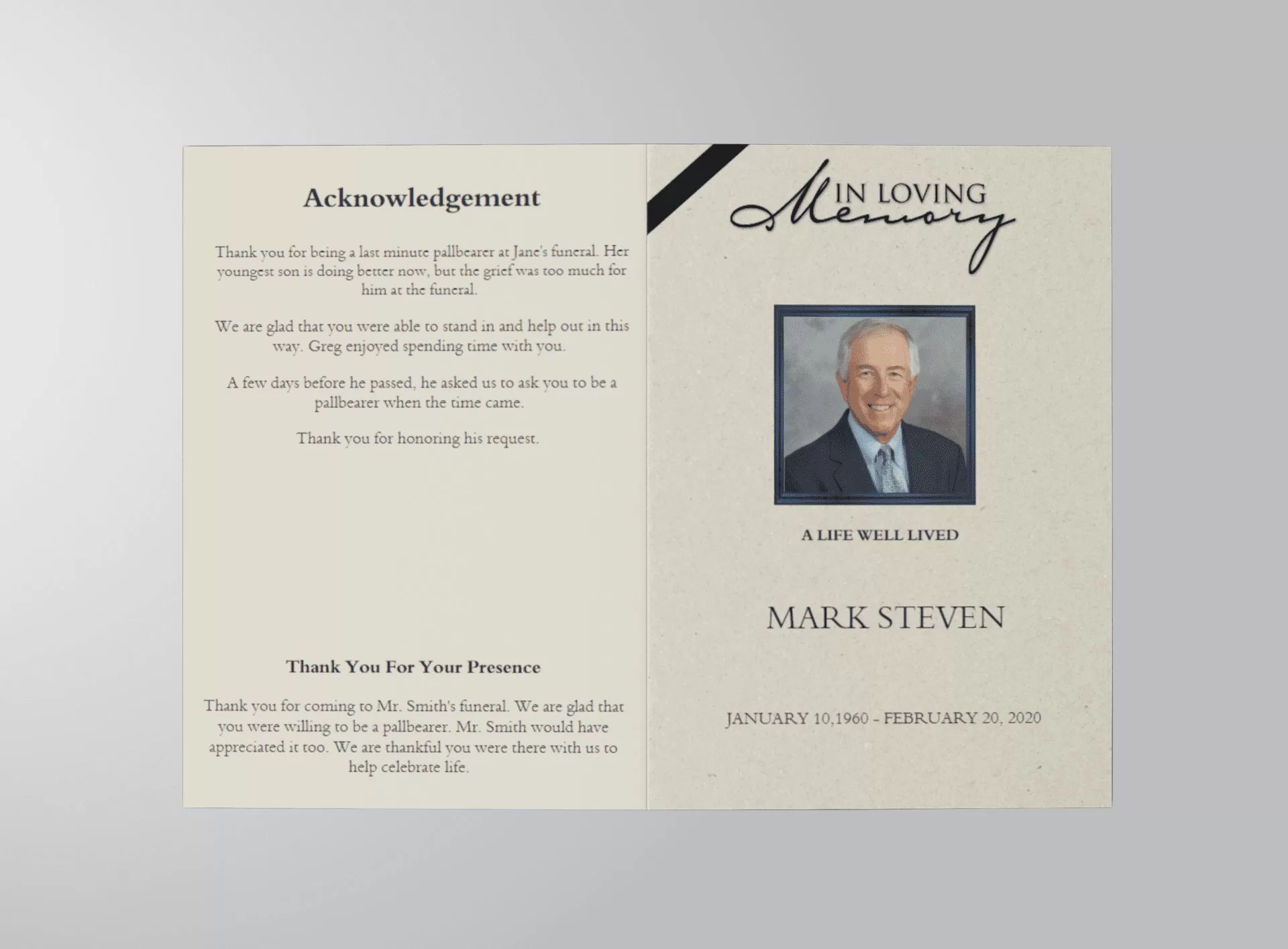
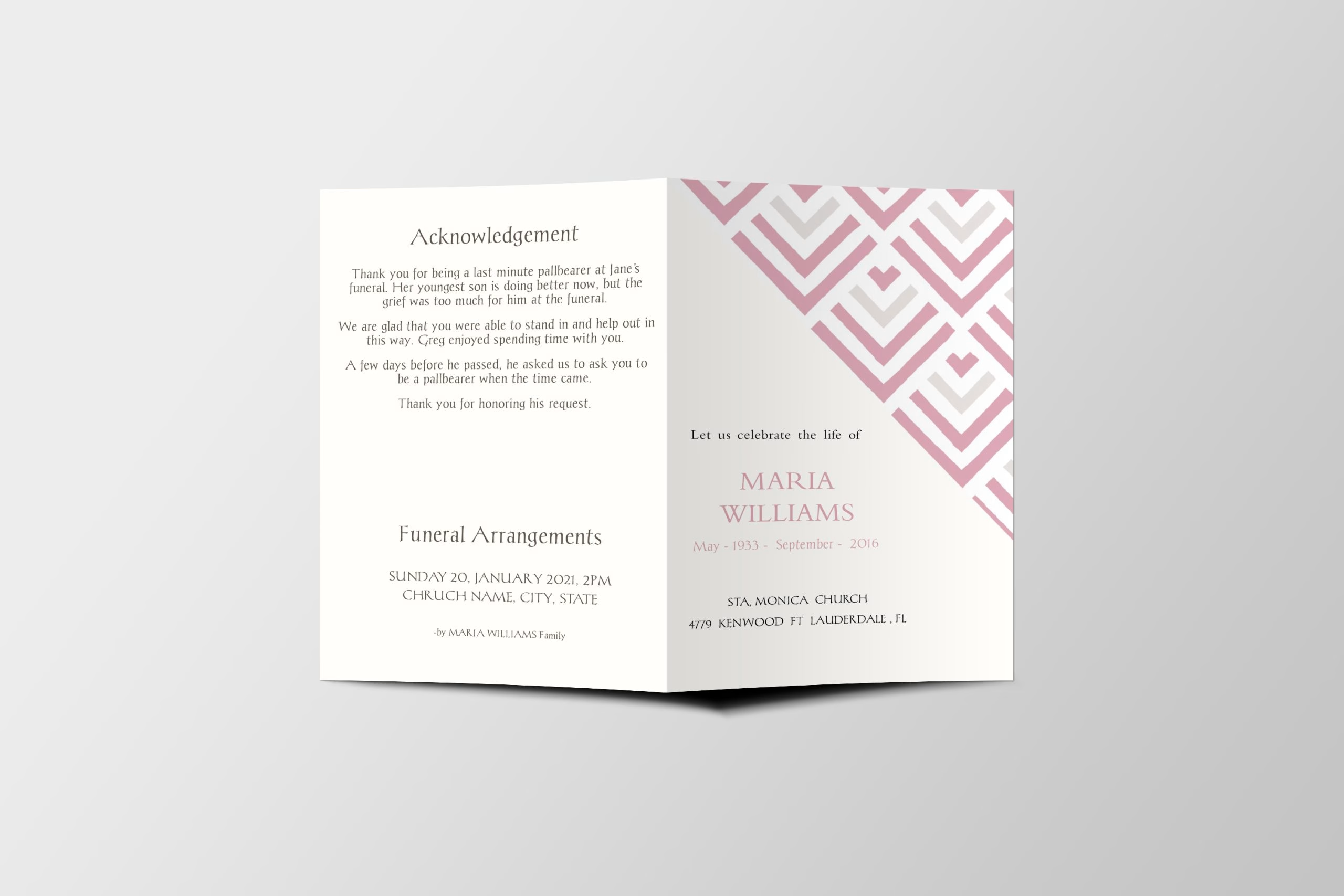
Funeral Program Template Online

Understanding the Importance of Funeral Planning

Example of an obituary for a mother template

Why Funeral Planning Matters

When faced with the loss of a loved one, many individuals find themselves overwhelmed by emotions and responsibilities. Planning a funeral is not just a logistical task; it encompasses honoring a life and supporting grieving family members. This is where navigating funeral planning with compassion becomes essential.

Key Elements of Funeral Planning

  • Choosing the Right Service: Selecting a service that reflects the personality and wishes of the deceased is vital. Consider options such as a traditional service, memorial service, or even a celebration of life.
  • Understanding Costs: Funerals can be expensive. Familiarizing yourself with potential costs can help you make informed decisions. For a detailed breakdown, explore our essential guide to funeral planning.
  • Personalization: Adding personal touches, such as favorite songs or specific themes, can make the service more meaningful. For ideas on music, check out our article on happy songs for memorial service.
  • Legal Considerations: Ensure all necessary legal documents are in order, such as death certificates and permits.
  • Support Systems: Engaging family and friends in the planning process can ease the burden and foster a supportive environment.

Compassionate Funeral Planning Resources

Embracing a compassionate approach to funeral planning can create a supportive atmosphere for all involved. Our article on navigating funeral planning with compassion and care offers additional insights.

Frequently Asked Questions

What should I consider when planning a funeral?

Focus on the wishes of the deceased, budget, and the emotional needs of family members. Tailoring the service to reflect their personality can provide comfort.

How can I involve family in the planning process?

Host a family meeting to discuss preferences and ideas. Encourage everyone to share their thoughts, as this collaboration can strengthen family bonds during difficult times.

What are some unique ideas for memorial services?

Consider incorporating activities that celebrate the deceased’s life, such as memory sharing or creating a memory wall. For musical ideas, refer to our list of happy songs for memorial services.

Conclusion

Understanding the emotional and logistical aspects of funeral planning is crucial for providing support to grieving families. By utilizing available resources and fostering a collaborative environment, you can ensure a meaningful farewell.

Navigating the Complexities of Funeral Planning

Example of an obituary for a mother template

Understanding the Process of Funeral Planning

When faced with the heartbreaking loss of a loved one, navigating the intricacies of funeral planning can be a daunting and emotional experience. It is essential to approach this process with understanding and compassion. At QuickFuneral LLC, we are committed to providing resources that help ease this challenging journey.

Why Funeral Planning is Important

Funeral planning is not just about logistics; it is about honoring the life of the deceased while also considering the needs of those left behind. Here are some key reasons why planning a funeral is crucial:

  • Emotional Closure: A well-planned service can provide a sense of closure for family and friends.
  • Personalization: Tailoring the service to reflect the personality and values of the deceased can be therapeutic.
  • Financial Preparedness: Planning ahead can alleviate the financial burden on loved ones during a difficult time.

Steps to Effective Funeral Planning

Here are some essential steps to guide you through the funeral planning process:

  1. Gather Information: Collect necessary documents and details about the deceased, including any pre-arrangements made.
  2. Choose a Funeral Home: Selecting a compassionate and trustworthy funeral home is crucial. Consider browsing our guide on navigating funeral planning for more insights.
  3. Plan the Service: Decide on the type of service (burial, cremation, memorial) and discuss the specifics with your chosen funeral director.
  4. Select Music and Readings: The right music can significantly enhance the service. For suggestions, check out our article on upbeat gospel funeral songs.
  5. Invite Guests: Create a list of people to invite, considering those who were close to your loved one.

Understanding Grief During Funeral Planning

It’s important to recognize that grief affects everyone differently. Some may find solace in planning details, while others may struggle with the weight of decisions. Our compassionate guide to funeral planning provides strategies for coping with grief while making necessary arrangements.

Funeral Planning Resources

To support you during this difficult time, we offer a variety of resources:

Each of these resources is designed to provide clarity and support, ensuring that you feel empowered throughout the planning process.

Incorporating Personal Touches

Adding personal touches to the service can make it truly special. This could include:

  • Displaying photos and memorabilia
  • Incorporating favorite readings or poems
  • Choosing floral arrangements that hold significance

By considering these elements, you can create a service that honors the unique life of your loved one.

Sample Obituary Templates

Essential Guide to Funeral Planning with Compassion

Example of an obituary for a mother

Understanding Funeral Planning

When faced with the loss of a loved one, navigating the intricacies of funeral planning can be a daunting and emotional experience. Whether you’re responsible for planning a memorial service or simply seeking information, understanding the essential components can ease the burden. This guide provides a comprehensive overview of funeral planning, offering compassionate insights to help you through this challenging time.

The Process of Funeral Planning

Funeral planning involves several key steps, each designed to honor the deceased while supporting the grieving family. Here’s a breakdown of the process:

  1. Making Arrangements: Decide whether to opt for a burial or cremation. This choice will significantly influence the planning process.
  2. Choosing a Funeral Home: Select a reputable funeral home that aligns with your family’s values and budget. It’s crucial to communicate your needs clearly.
  3. Planning the Service: Consider the type of service you wish to hold, whether it be a traditional funeral, a memorial, or a celebration of life. Personal touches can make a significant impact.
  4. Gathering Necessary Documents: Ensure that all legal documents are in order, such as the death certificate and any pre-arranged funeral plans.

Supportive Resources for Planning

During this emotional time, various resources can help guide you:

Comforting Words and Verses

Choosing the right words to express grief can be challenging. Consider incorporating comforting verses into the memorial service. A beautiful collection can be found in our article on Comforting Funeral Verses KJV for a Meaningful Memorial.

Final Thoughts on Funeral Planning

Planning a funeral is inherently personal and can vary widely based on cultural and individual preferences. Make sure to involve family members in discussions to ensure the service reflects the life and values of the deceased. If you find the planning process overwhelming, Navigating the Complexities of Funeral Planning can provide additional clarity and support.

As you embark on this journey, remember that you are not alone. Many resources are available to help you navigate these difficult decisions with compassion and care.

sample obituary examples

The Essential Guide to Funeral Planning and Obituaries

Obituary Example

The Essential Guide to Funeral Planning and Obituaries

Planning a funeral can be daunting, especially when dealing with the emotional toll of losing a loved one. This guide will help you navigate the complex world of funeral planning while providing insights into creating meaningful obituaries.

Understanding Funeral Planning

Funeral planning is a process that encompasses many aspects. It’s not just about the logistics; it’s about honoring the life of your loved one. Here are some key components:

  • Choosing a Funeral Home: Research local options and consider their services.
  • Deciding on Burial or Cremation: Understand the implications of each choice.
  • Selecting a Casket or Urn: Options vary widely in terms of materials and costs.
  • Planning the Service: Decide on the format, location, and participants.

For a deeper dive into the intricacies of funeral planning, refer to our Understanding Funeral Planning and Its Importance article.

Creating a Meaningful Obituary

Obituaries are a vital aspect of commemorating a loved one. They serve not only to inform the community of the passing but also to celebrate the individual’s life. Here’s how to create a thoughtful obituary:

  • Start with Basic Information: Full name, age, and date of passing.
  • Include Biographical Details: Highlight significant life events and achievements.
  • Personal Touch: Add anecdotes or quotes that reflect their personality.
  • Service Information: Provide details about the funeral service.

For more tips on crafting a meaningful obituary, check out our Creating Meaningful Obituaries: A Comprehensive Guide.

Compassionate Funeral Planning

Funeral planning should be approached with care and sensitivity. It’s essential to consider the emotional weight of the process. Here are some tips on navigating this challenging time:

  • Seek Support: Don’t hesitate to reach out to family and friends for assistance.
  • Take Your Time: Allow yourself the necessary time to make decisions.
  • Communicate Openly: Encourage family discussions about preferences and wishes.

For additional support, refer to our Your Guide to Compassionate Funeral Planning for more compassionate insights.

Music and Readings in Funeral Services

Music and readings can profoundly affect the atmosphere of a funeral. Consider incorporating personal favorites or traditional pieces. Explore our Roman Catholic Funeral Mass Songs Guide for Families for ideas on music selections that can resonate with attendees.

The Importance of Planning Ahead

Planning ahead can alleviate stress for your loved ones. A comprehensive guide to funeral planning is available in our A Comprehensive Guide to Funeral Planning and Obituaries. This resource provides step-by-step assistance to ensure nothing is overlooked.

By taking the time to plan and create meaningful tributes, you can honor the memory of your loved ones while providing comfort to those who remain.

Funeral Program Template Online

A Comprehensive Guide to Funeral Planning and Obituaries

Example of an obituary for a mother template

Understanding Funeral Planning

When dealing with the loss of a loved one, the process of funeral planning can seem overwhelming. However, understanding the significance of this process can help ease some of the emotional burdens. This guide will walk you through essential steps and considerations in planning a funeral.

The Importance of Planning

  • Provides a structured approach to handling arrangements
  • Ensures that the deceased’s wishes are honored
  • Allows family and friends to focus on grieving

Creating a Heartfelt Obituary

One key element of honoring a loved one is through their obituary. Crafting a meaningful obituary is a way to celebrate their life and share their story with others. For a detailed guide, explore our article on creating meaningful obituaries.

Components of an Obituary

  • Full name of the deceased
  • Date of birth and date of passing
  • Significant life events and achievements
  • Surviving family members
  • Funeral service details

Compassionate Funeral Planning

Planning a funeral with compassion is crucial during such a sensitive time. Our guide on compassionate funeral planning provides insight into handling arrangements with care and empathy.

Steps to Consider

  1. Choose a funeral home that aligns with your needs
  2. Discuss the budget and available options
  3. Plan the service details, including music and readings
  4. Consider personalized touches that celebrate the deceased

Additional Resources

For further assistance, you can refer to our resource on navigating funeral planning with compassion and care. This guide emphasizes the emotional aspects of planning and provides strategies for coping during this difficult time.

Understanding the importance of a structured approach to both funeral planning and creating obituaries can significantly alleviate stress. For a more in-depth look into the significance of obituaries, consider our article on creating a heartfelt obituary program.

Funeral Program Template Online

Understanding Funeral Planning and Its Importance

Example of an obituary for a mother

Understanding Funeral Planning

When faced with the loss of a loved one, the emotional burden can be overwhelming. Planning a funeral is not just a logistical task; it’s a way to honor and celebrate the life of the deceased. It’s essential to navigate this process with compassion and care, ensuring that every detail reflects the individual’s life and values.

Key Aspects of Funeral Planning

Here are some critical elements to consider when planning a funeral:

Emotional Support During Funeral Planning

Planning a funeral often comes with a range of emotions. It’s important to seek support from family, friends, or professionals who can help guide you through this difficult time. Resources such as Navigating Funeral Planning with Compassion and Care provide valuable insights into managing the process with empathy.

The Importance of Personalization

Every individual’s life is unique, and a funeral should reflect that uniqueness. Personal touches, such as favorite songs, photographs, and memories shared by friends and family, can create a more meaningful experience for everyone involved. This personalization can help the bereaved feel a deeper connection to the service and the person being honored.

Final Thoughts

Although planning a funeral can be daunting, being informed and prepared can ease some of the burden. Remember, this is a time to celebrate a life well-lived and to find comfort in shared memories. For further assistance and guidance, resources like Understanding Funeral Planning: A Helpful Guide can be invaluable.

Top Free Funeral Program Templates for Every Service Style

Navigating Funeral Planning with Compassion and Clarity

Example of an obituary for a mother

Understanding the Importance of Funeral Planning

Experiencing the loss of a loved one is a profoundly emotional experience. During such challenging times, having a clear plan can help ease the burden. Understanding the importance of funeral planning is crucial for ensuring that all details are managed thoughtfully and respectfully.

Key Components of Funeral Planning

Funeral planning encompasses several essential elements. Here are some key components to consider:

  • Choosing a Location: Decide whether the service will be held at a funeral home, church, or other venue.
  • Service Type: Determine if the service will be traditional, memorial, or a celebration of life.
  • Budgeting: Establish a budget that aligns with your financial situation while honoring your loved one’s memory.
  • Personalization: Consider using modern funeral program templates for a personalized touch that reflects the unique life of your loved one.

Compassionate Funeral Planning: A Guiding Light

When faced with such a significant loss, the responsibility of planning a funeral can feel overwhelming. Compassionate funeral planning provides guidance and support during this challenging time, ensuring that the process feels manageable and respectful.

Steps to Take When Planning a Funeral

The following steps can help streamline the planning process:

  1. Gather Information: Collect necessary details about your loved one, including their wishes if available.
  2. Contact Funeral Services: Reach out to local funeral homes for assistance with arrangements and services.
  3. Communicate: Keep open lines of communication with family members to share thoughts and decisions.
  4. Explore Resources: Refer to resources on funeral planning essentials to aid in decision-making.

Creating a Meaningful Tribute

Honoring your loved one through a meaningful tribute can be a comforting way to celebrate their life. Consider the following options:

  • Personalized programs that reflect their personality.
  • Incorporating favorite music or readings into the service.
  • Sharing stories and memories that highlight their impact on family and friends.

For those seeking guidance, the essentials of compassionate funeral planning can provide valuable insights into how to navigate this emotional journey with grace.

Conclusion: Planning with Love

While this guide provides a foundational understanding of funeral planning, remember that each journey is unique. Stay true to your loved one’s wishes and seek support from family and friends as you navigate this difficult time.

Top Free Funeral Program Templates for Every Service Style

Comprehensive Guide to Funeral Planning

Obituary Template

Understanding Funeral Planning

Experiencing the loss of a loved one is undoubtedly a challenging time. The emotional turmoil often makes the process of planning a funeral feel overwhelming. However, having a clear understanding of the essentials can ease some of the burdens. This guide aims to provide valuable insights into effective funeral planning.

Key Considerations in Funeral Planning

  • Funeral Costs: One of the first aspects to consider is the financial implications. Familiarizing yourself with average funeral costs can help you set a realistic budget.
  • Type of Service: Decide whether you want a traditional service, a cremation, or a memorial service. Each option has its own unique elements and should reflect the wishes of the deceased.
  • Venue Selection: Choosing the right venue is crucial. Consider places that hold significance to the deceased or their family.
  • Obituary Writing: Crafting a meaningful obituary can commemorate your loved one’s life. A template can guide you through this process, helping to highlight their achievements and cherished memories.

Steps in the Funeral Planning Process

Planning a funeral involves several steps. Here’s a streamlined approach to navigate through:

  1. Gather Information: Collect all necessary information about the deceased, including personal details and preferences regarding their funeral.
  2. Consult with Family: Engage family members in discussions to ensure the service aligns with everyone’s wishes.
  3. Choose a Funeral Home: Select a reputable funeral home. For guidance, refer to our helpful guide on funeral planning.
  4. Plan the Service: Work with the funeral director to plan the details of the service, including readings, music, and any special tributes.

Support Resources

Understanding the emotional complexity of funeral planning is essential. It can be beneficial to seek support:

  • Essential resources are available to help families cope with their loss.
  • Consider joining support groups where you can share experiences and feelings with others who have faced similar losses.
  • Professional counseling may also be an option to explore for those struggling to cope with grief.

Making Arrangements With Compassion

Planning a funeral with care and compassion can help honor your loved one’s memory. Learn more about this approach by visiting our article on navigating funeral planning with compassion.

Incorporating personal touches such as favorite flowers, music, or photos can create a more meaningful service. It allows family and friends to celebrate the life of the deceased in a way that reflects their personality and legacy.

Conclusion

While navigating funeral planning can be a daunting task, being informed and prepared can significantly ease the process. Utilize available resources and engage with family members to create a service that truly honors your loved one.

How to Write a Funeral Program Obituary

Understanding Funeral Planning: A Guide for You

Obituary Template

Understanding Funeral Planning: A Comprehensive Guide

Experiencing the loss of a loved one is undoubtedly a challenging time, filled with emotional turmoil and a myriad of decisions to make. At QuickFuneral.com, we aim to provide you with essential insights and resources to navigate this journey with compassion and understanding.

Why is Funeral Planning Important?

Funeral planning is crucial for several reasons:

  • Emotional Relief: Planning ahead can alleviate some of the pressures on family members during a time of grief.
  • Financial Considerations: It allows for better budgeting and avoids unexpected expenses.
  • Personal Wishes: Ensuring that your or your loved one’s preferences are honored.

Key Components of Funeral Planning

When planning a funeral, consider the following components:

  • Choosing a Funeral Home: Research local options and read reviews. You want a place that respects your needs and preferences.
  • Service Type: Decide whether you want a traditional service, memorial, or a celebration of life.
  • Obituary Writing: Crafting a thoughtful obituary is a way to celebrate the deceased’s life. For help, check out our obituary template.

Funeral Poems: Honoring Your Loved Ones

Finding the right words can be difficult, especially when paying tribute to someone as special as your uncle. You might find comfort in heartfelt funeral poems for your beloved uncle that capture the essence of their spirit.

Navigating the Planning Process with Care

As you embark on this journey, understanding the steps involved can help ease some of the confusion. Our guide on navigating funeral planning with compassion and care offers valuable advice and tips.

Essential Insights into Funeral Planning

Planning a funeral can feel overwhelming. To help you, we provide essential insights into funeral planning that cover everything from logistics to emotional support.

Understanding the Essentials

Make sure you’re aware of the critical elements of funeral planning. Our comprehensive resource titled understanding the essentials of funeral planning provides the necessary information to make informed decisions.

Final Thoughts

While this journey is undoubtedly difficult, having the right resources can make all the difference. Whether you need help with the planning process or are seeking ways to honor a loved one, QuickFuneral.com is here to support you every step of the way.

Back to Top
Product has been added to your cart
Compare (0)