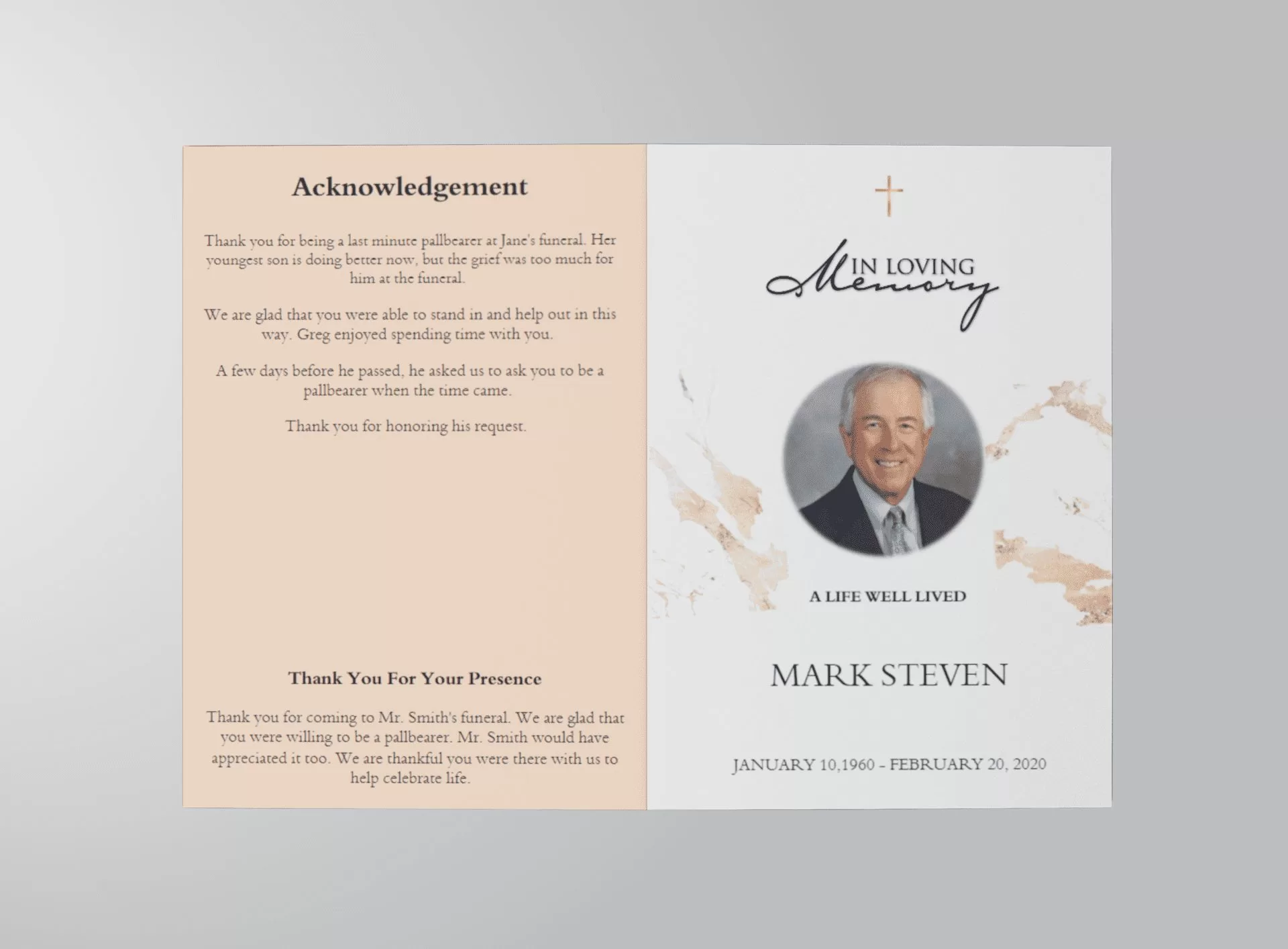
Comprehensive Guide to Funeral Planning

Example of an Obituary for a Mother

Understanding Funeral Planning

When faced with the loss of a loved one, the task of planning a funeral can be an overwhelming experience. It is a time filled with emotional turmoil and the need for thoughtful decisions. To aid you in this challenging time, we’ve compiled a comprehensive guide to funeral planning that covers essential insights and compassionate approaches.

Why Funeral Planning is Important

  • It honors the deceased’s wishes.
  • It helps the family cope with grief by providing a structured process.
  • It ensures that financial considerations are managed effectively.

Steps to Effective Funeral Planning

To navigate the complexities of funeral planning, consider the following steps:

  1. Gather Information: Collect personal details of the deceased and preferences for the service.
  2. Select a Funeral Home: Choose a reputable funeral home that aligns with your needs.
  3. Decide on the Type of Service: Whether it’s a traditional service, memorial service, or a unique celebration of life, make your choice based on what the deceased would have wanted.
  4. Plan the Order of Service: For those considering a religious service, understanding the Order of Service for a Catholic Funeral Mass can be crucial.
  5. Handle Legal Requirements: Ensure all paperwork, including death certificates and burial permits, are completed.

Compassionate Funeral Planning

Facing the loss of a loved one can be challenging, and it’s essential to approach funeral planning with compassion. You can find more in-depth guidance in our resource titled Your Guide to Compassionate Funeral Planning. This guide emphasizes the importance of emotional support during this time.

Financial Considerations

Funeral expenses can accumulate quickly. It’s vital to establish a budget and understand the costs involved. For a more comprehensive understanding of financial planning during such times, explore our article on Understanding Funeral Planning: A Comprehensive Resource. This resource provides insights on how to manage costs effectively.

Creating a Meaningful Tribute

Creating a personal touch in the tribute can be very healing for family and friends. Consider including:

  • Personalized messages or notes
  • Favorite songs or readings of the deceased
  • Memories shared by family and friends

For more guidance, you may want to read Navigating Funeral Planning with Compassion and Care. This article offers practical tips on how to make the process more manageable and respectful.

Final Thoughts on Funeral Planning

While planning a funeral can be daunting, being prepared and informed can ease the burden significantly. Remember, you are not alone in this process, and there are numerous resources available. For essential insights into the overall planning process, check out our article on Essential Insights into Funeral Planning. It offers a broader perspective on handling the logistics and emotional aspects of planning a funeral.

Sample Obituary Templates

Essential Insights into Funeral Planning

Obituary Template

Understanding Funeral Planning

When the loss of a loved one occurs, the burden of funeral planning can feel overwhelming. It is crucial to approach this task with compassion and clarity. Our comprehensive guide to funeral planning offers valuable insights into managing this process effectively.

Key Steps in Funeral Planning

  • Gather Information: Collect essential details about the deceased, including personal preferences, religious beliefs, and any specific wishes they may have had regarding their funeral.
  • Set a Budget: Determine how much you can spend. Funerals can be costly, and having a budget will help guide your decisions.
  • Select a Funeral Home: Research and choose a funeral home that meets your needs and budget. Consider reading reviews and visiting multiple facilities.
  • Choose a Type of Service: Decide whether to have a traditional service, a memorial, or a celebration of life. Each option has its own significance and can reflect the personality of the deceased.

Compassionate Funeral Planning

Planning a funeral is not just about logistics; it’s also about honoring the life of your loved one. For a more compassionate approach, refer to Your Guide to Compassionate Funeral Planning. This resource emphasizes the importance of empathy and understanding during this challenging time.

Support Resources

In addition to planning the funeral, seeking support is vital. Engaging with family and friends can provide emotional comfort. Our Comprehensive Guide to Funeral Planning and Support outlines various resources available for those in mourning.

Understanding the Importance of Funeral Planning

Funeral planning is essential not only for honoring the deceased but also for providing closure to the bereaved. Learn more about why this process matters in our article Understanding Funeral Planning: A Comprehensive Resource.

Essential Steps to Follow

To ensure nothing is overlooked, familiarize yourself with the Essential Steps in Funeral Planning. This guide walks you through each phase of the planning process, ensuring that you can focus on celebrating your loved one’s life.

In summary, while planning a funeral is inherently challenging, accessing the right resources and support can make the process more manageable. Remember to take things one step at a time, and prioritize honoring your loved one’s memory with care and respect.

sample obituary examples

Your Guide to Compassionate Funeral Planning

Obituary Example

Understanding Funeral Planning with Compassion

Facing the loss of a loved one can be an incredibly challenging experience, filled with emotional weight and the need for careful decision-making. At QuickFuneral.com, we are here to guide you through the intricate process of funeral planning with compassion and understanding. In this post, we will explore essential steps in funeral planning, providing you with a comprehensive resource to ease your burden.

The Importance of Funeral Planning

Funeral planning is not merely about logistics; it is a vital process that allows families to honor their loved ones appropriately. The emotional aspects of this journey can often feel overwhelming, but understanding the significance of each step can help lighten the load. You might want to start by reading our comprehensive guide on funeral planning to gain a clearer perspective.

Essential Steps in Funeral Planning

  • Choosing the Right Funeral Home: Research local options and visit them to find a facility that aligns with your family’s needs.
  • Deciding on Services: Consider whether you want a traditional burial, cremation, or another form of memorial service.
  • Budgeting: Understand the costs involved and create a budget to avoid financial strain during a difficult time.
  • Gathering Necessary Documents: Collect vital records such as the death certificate and any pre-arrangement documents.

Navigating the Complexities of Funeral Planning

Funeral planning can be complex, but you are not alone. Our resource, Navigating the Complexities of Funeral Planning, offers valuable insights and tips to help you through this daunting task.

Support for Families During Grief

During this time of loss, it’s essential to have a support system in place. Consider reaching out to friends, family, or community resources that can provide emotional support. Our Comprehensive Guide to Funeral Planning and Support delves deeper into finding the help you need.

Final Thoughts on Funeral Planning

While planning a funeral can be a challenging process, it is crucial to approach it with care and consideration. For more in-depth information and resources, check out our article, Navigating Funeral Planning with Compassion and Care, which provides a thorough overview of how to manage this process with grace.

At QuickFuneral, we aim to support you in honoring the life of your loved one while navigating this difficult journey.

How to Write a Funeral Program Obituary

Understanding Funeral Planning: A Comprehensive Resource

Obituary Template

Why Funeral Planning Matters

When the time comes to say goodbye to a loved one, the emotional burden can be overwhelming. Understanding the importance of funeral planning is essential for making the process smoother for family and friends. By preparing in advance, you can ensure that your loved one receives a dignified farewell.

Essential Steps in Funeral Planning

  • Understanding the Deceased’s Wishes: It’s vital to consider what the deceased would have wanted. Discussing preferences for burial or cremation can guide decisions.
  • Budgeting for the Funeral: Establishing a budget helps in making informed decisions about the services and products to choose. For a detailed guide, refer to our comprehensive guide.
  • Selecting a Funeral Home: Research and compare local funeral homes. Look for reviews and services that meet your needs.
  • Choosing the Type of Service: Consider whether a traditional service, memorial service, or celebration of life fits best.

Writing an Obituary

Creating an obituary is a meaningful way to honor the life of your loved one. For tips and examples on how to write an effective obituary, check out our comprehensive guide on writing an obituary. Include personal stories, achievements, and details about the service to create a touching tribute.

Navigating the Funeral Process

Funeral planning can be complex, especially when dealing with grief. Our resource on navigating the funeral process with care and compassion provides insights into handling these challenging moments with empathy.

Support for Families During Grief

During times of loss, it’s important to seek support. Engaging with community resources or support groups can provide comfort. Learn more about available support in our comprehensive guide to navigating funeral planning.

Final Thoughts on Funeral Planning

Funeral planning doesn’t have to be a solitary endeavor. Engaging family members and considering professional guidance can make the process less daunting. Remember, the goal is to honor your loved one’s life and provide a supportive environment for all those left behind.

fall card

A Comprehensive Guide to Navigating Funeral Planning

Example of an Obituary for a Mother Template

Understanding the Funeral Process

Dealing with the loss of a loved one is undoubtedly one of life’s most challenging moments. The emotional weight can often make the logistics of planning a funeral seem overwhelming. However, gaining a clear understanding of the funeral process can provide some relief and clarity during this difficult time.

Key Steps in Funeral Planning

  • Gathering Information: Collect essential details about the deceased, including personal history, preferences, and any pre-arrangements they might have made.
  • Choosing a Funeral Home: Research local funeral homes to find one that aligns with your family’s needs. This includes evaluating their services, pricing, and reputation.
  • Selecting Services: Decide on the type of service you wish to hold—be it traditional, cremation, or memorial services. Each option has its unique considerations.
  • Personalizing the Service: Incorporate personal touches, such as music, photographs, or readings, to honor the deceased’s life and create a meaningful experience for attendees.

Helpful Resources for Funeral Planning

For those who find themselves navigating these waters for the first time, utilizing comprehensive resources can be incredibly beneficial. Our guide on navigating the funeral process with care and compassion offers insights into managing this difficult journey with sensitivity.

Understanding Emotional Needs

It’s essential to acknowledge the emotional toll that comes with planning a funeral. Here are some suggestions to help manage grief while handling arrangements:

  • Seek support from family and friends. Share the responsibilities of planning to lessen the burden.
  • Consider professional help from funeral directors who can guide you through the process.
  • Allow yourself time to grieve; it’s okay to take breaks from planning when needed.

Budgeting for a Funeral

Funeral costs can vary significantly based on the services chosen. Creating a budget can help ensure that you stay within your financial limits. For insights on various costs and options, refer to our detailed complete guide on the funeral process.

Common Expenses Include:

  • Service fees from the funeral home.
  • Costs associated with burial or cremation.
  • Transportation for the deceased and family members.
  • Memorial products, such as caskets or urns.

Final Thoughts on Funeral Planning

While the task of planning a funeral may seem daunting, remember that you are not alone. Resources like Navigating the Journey of Funeral Planning can help demystify the process. Each step you take is a move toward honoring your loved one and celebrating their life.

Back to Top
Product has been added to your cart
Compare (0)