
Find Obituaries & Death Notices in Free Death Records
Searching for a loved one can be emotionally heavy and time-consuming. Find obituaries and death notices in free death records by understanding what these announcements typically contain—and using a few practical search strategies to narrow results.
In this guide: you’ll learn what obituaries and death notices usually include, how they differ, and search tips to help you move forward.
Quick start: practical search tips
- Try multiple keyword combinations: use “obituary” and “death notice” alongside the person’s name.
- Use a location filter when you can: cities, counties, or the publication area can narrow results.
- Try approximate dates: if you’re unsure, search within a wider date range.
- Look for variations: spelling differences, nicknames, and middle-name usage are common.
- Check family connections: obituaries often list relatives, which can lead you to additional records.
What you can expect to find
- Personal details: the person’s name, dates (and sometimes places), and often close family information.
- Life summary: many obituaries focus on milestones such as career highlights, education, awards, and other recognitions.
- Family and funeral-related information: depending on the publisher and what’s available, you may also see references to services or acknowledgements.
Because obituaries are written by individuals or publishing organizations, wording and depth can vary.
Obituaries vs. death notices (how they differ)
Obituaries and death notices are related, but they are not identical.
- Death notices: usually brief announcements meant to mark the passing and share basic timing information.
- Obituaries: typically longer, more narrative summaries that highlight key parts of a person’s life.
Many publications also publish them together, especially online—so you may see both styles for the same person.
How obituaries fit within death records
Obituaries may appear alongside or within the broader materials people look at when researching death records. Even when some details are limited in official documentation, obituaries can provide additional context that helps you understand the person’s life and the information that was available at the time of publication.
Tip: treat obituary information as context and, when needed, verify critical details with official sources.
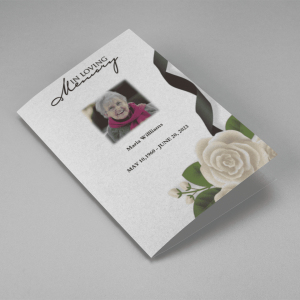
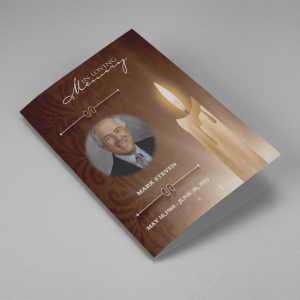
Next step: create a respectful funeral program

Free Funeral Program Template Help Video










[yottie channel=”https://www.youtube.com/user/carddesignerca”]
FAQs about obituaries and death notices
They’re related but not the same. Death notices are typically brief announcements of the passing, while obituaries are usually longer life summaries. Some publications post them together online.
Common elements include personal details (name and dates), family information, and life highlights such as career or education milestones—though depth varies by publisher and available information.
Obituaries may be based on what families and publishers choose to include, while other records may reflect different reporting timelines or levels of detail. If something is critical, cross-check with official sources where possible.
Yes—obituaries are often helpful for genealogy because they can connect people to family members and describe life events. Use them as leads and verify important facts with additional records.
Try name spelling variations, use approximate date ranges, and search by family member names. It can also help to try both “obituary” and “death notice” wording.
If you’re preparing a service or remembrance, a funeral program template can help you organize details into a respectful layout. You can pair that with the information you’ve found in obituary/death notice materials.
Add a review
Your email address will not be published. Required fields are marked *