
Dealing with Death
There is no prescription for grief and no set timeline for adjusting to the death of someone you love. Loss can change daily life in ways that are difficult to predict. Take this one step at a time, and allow yourself the space to grieve in your own way.
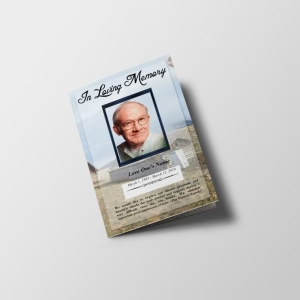
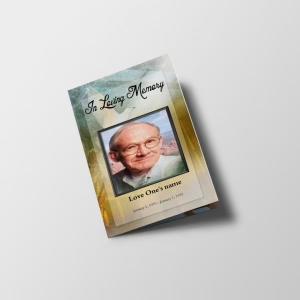
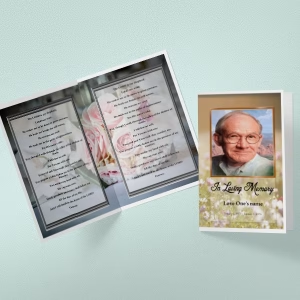
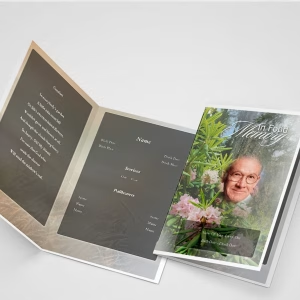
If you are preparing a memorial or funeral, the resources below can help you create a personal tribute when you are ready.
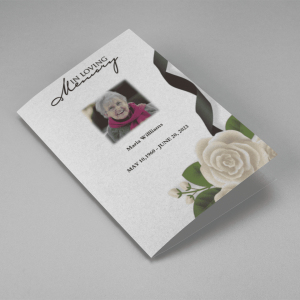
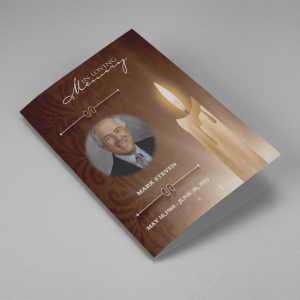
Funeral Program Templates






Grief can look different for everyone
It can be hard to imagine how to continue life without a loved one’s presence. People may experience anger, guilt, anxiety, sleeplessness, regret, shame, or many other emotions. These feelings can shift over time and may not follow a clear order.
Religious or cultural traditions can also provide comfort and structure. For example, Jewish families may wear kriah as part of mourning. If faith is important to you, a pastor, rabbi, or other religious leader may be able to offer guidance that fits your beliefs and traditions.
Lean on support when you need it
You do not have to carry this loss alone. Friends and family cannot replace the person who died, but their presence may help you feel supported as you begin to accept what has happened.
- Let trusted people know when you need company, a conversation, or practical help.
- Consider gathering with others to remember the person who died.
- Ask a religious leader, funeral home, or local community resource about grief or bereavement support groups.
- Consider grief counseling if you would like one-to-one support.
Many people find strength in sharing memories and grieving alongside others. A memorial can offer an opportunity to honor a loved one and bring together the people who cared about them.
Take small steps in daily life
Regaining a sense of control after a death is often a gradual process. Focus on manageable next steps and return to everyday activities at a pace that feels possible for you.
Remembering and honoring the person who died does not mean you have to stop living. Their memory can remain part of your life as you continue forward.
When to seek professional help
If you are having thoughts of hurting yourself, feel unable to control anger, or are concerned about your safety, seek professional help right away. Contact local emergency services or a qualified mental health professional, and tell someone you trust what you are experiencing.
For ongoing grief support, a counselor, bereavement group, pastor, or local religious leader may be able to help you find appropriate care.

Questions About Coping With Loss
Is there a normal timeline for grief?
There is no set timeframe for grieving or adjusting to the death of a loved one. Grief affects people differently, and the experience may change over time.
What feelings can happen after someone dies?
People may experience emotions such as anger, guilt, anxiety, sleeplessness, regret, or shame. Feelings can vary from person to person.
How can friends and family help after a loss?
A support system can provide companionship, practical help, and a space to share memories. Let trusted people know what you need, whether that is conversation, company, or help with everyday tasks.
Can a memorial help with grieving?
Many mourners find comfort in gathering with others to remember the person who died. A memorial can be a meaningful way to share memories and honor their life.
Where can I find grief support?
A pastor or local religious leader may be able to recommend counseling or bereavement groups. Funeral homes may also be able to suggest local support resources.
When should I seek urgent help?
Seek professional help right away if you have thoughts of hurting yourself, cannot control anger, or are concerned about your safety. Contact local emergency services or a qualified mental health professional.
Add a review
Your email address will not be published. Required fields are marked *