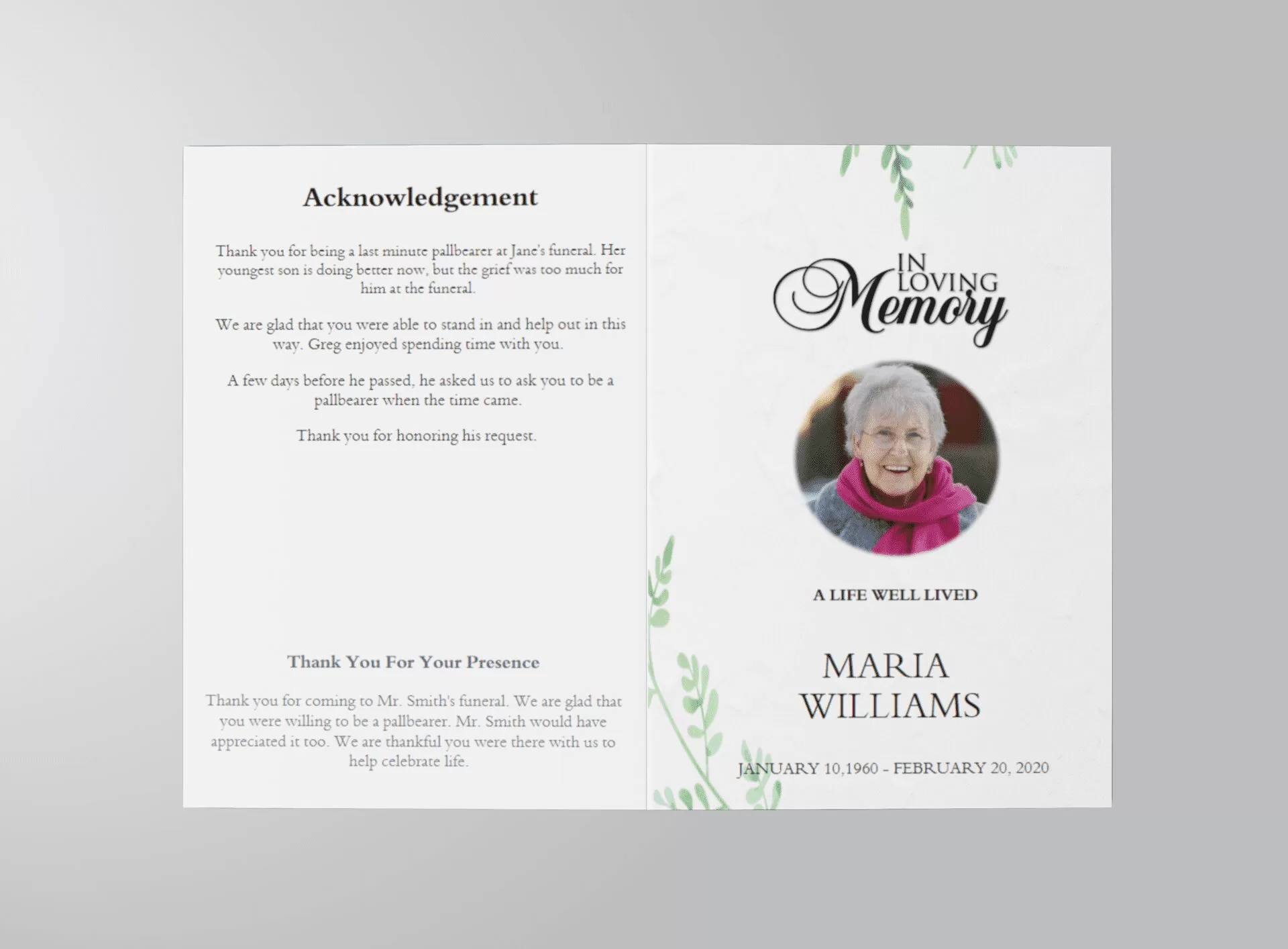
Sample Obituary Templates

A Comprehensive Guide to Funeral Planning and Services

Obituary Template

Understanding Funeral Planning

When faced with the loss of a loved one, navigating the complexities of funeral planning can be overwhelming. It’s essential to approach this process with care, understanding both the emotional and logistical aspects involved.

Key Considerations in Funeral Planning

  • Emotional Preparedness: Recognizing the emotional landscape during this time is crucial. For insights on coping strategies, check out navigating the emotional landscape of funerals.
  • Budgeting: Understanding the costs associated with funerals can help you plan effectively. Consider reading our essential guide to funeral planning for more information.
  • Personalization: Personalizing the service can make it more meaningful. This includes selecting hymns, readings, and tributes.

Choosing the Right Service

Funeral services can vary greatly. Some people prefer traditional ceremonies, while others might opt for a more casual memorial. Understanding the differences is vital.

Types of Services

  • Traditional Funeral: Often includes a service at a funeral home or place of worship.
  • Memorial Service: Typically held without the body present, allowing for a more flexible gathering. Learn more about this in our article on understanding memorial services.

Crafting a Meaningful Eulogy

Writing a eulogy is a profound way to honor the deceased. It’s an opportunity to share stories and reflect on their life. If you need guidance, our resource on crafting a heartfelt eulogy can provide valuable tips.

Choosing the Perfect Hymns

Music plays an important role in setting the tone for a funeral service. Selecting the right hymns can offer comfort and solace to those grieving. Explore our guide on choosing the perfect hymn for a funeral service for suggestions and insights.

Conclusion

Throughout the funeral planning process, it is crucial to remain focused on honoring the memory of your loved one. By utilizing available resources and support, you can navigate this challenging time with greater ease.
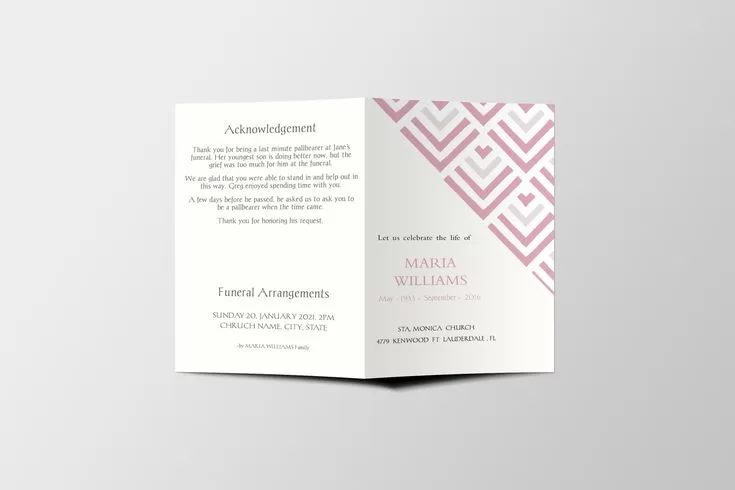
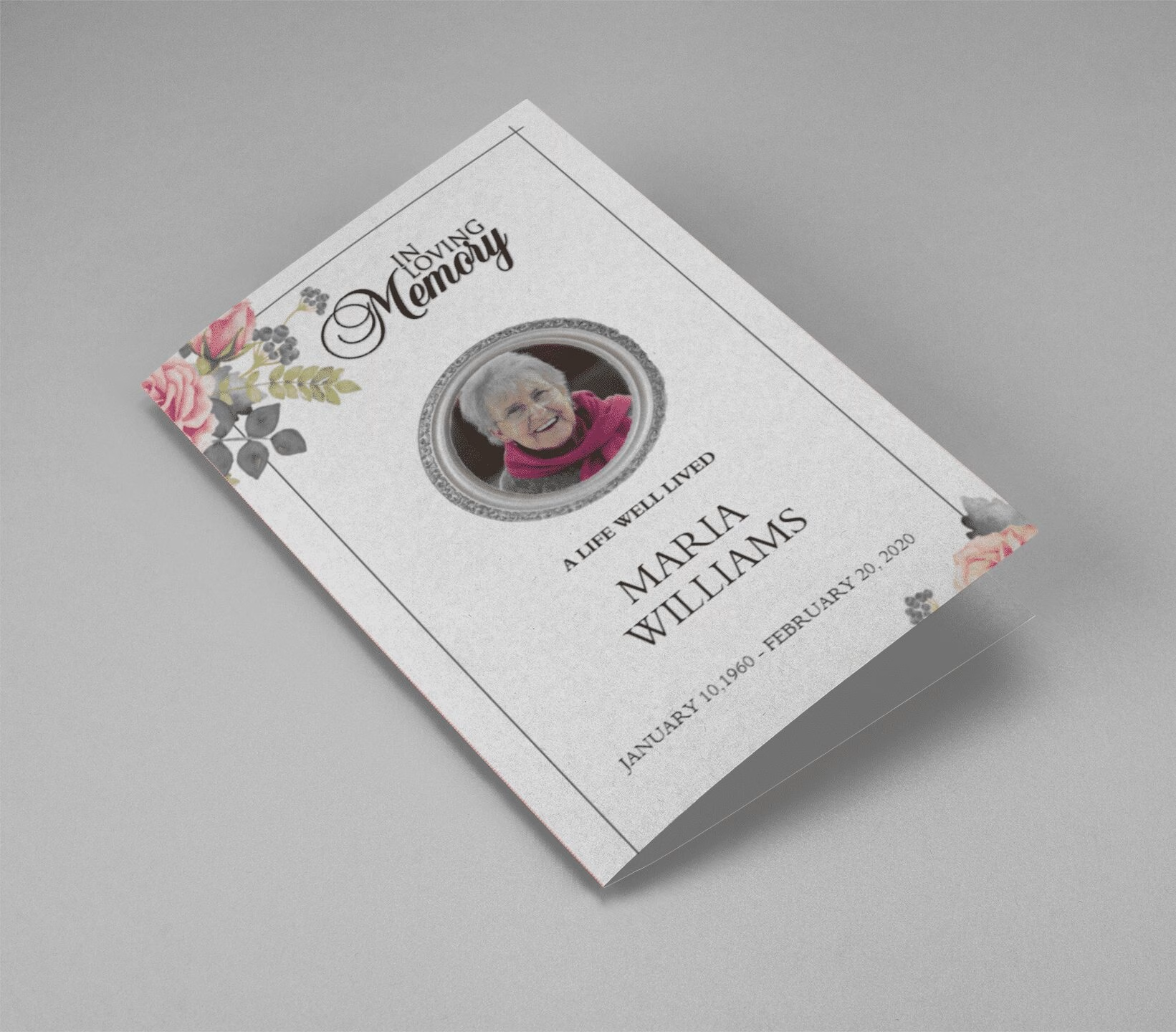
funeral program template

Navigating Funeral Planning with Compassion and Care

Obituary Template

Understanding Funeral Planning

When faced with the loss of a loved one, the process of planning a funeral can be overwhelming. It is essential to approach this sensitive task with compassion and understanding. From selecting a funeral home to determining the details of the service, every choice plays a crucial role in honoring the departed.

The Importance of Funeral Planning

Planning a funeral is not just about logistics; it’s about creating a meaningful tribute that reflects the individuality of the deceased. To help alleviate some of the emotional burden, consider reading our guide on Essential Guide to Funeral Planning. This resource outlines the key components to consider during this challenging time.

Choosing the Right Service

There are various types of services to consider, including traditional funerals, memorial services, and more personalized options. Each choice allows families to express their grief and celebrate life in unique ways. For a deeper understanding, explore our article on Understanding Memorial Services.

Emotional Considerations

During this time of sorrow, emotions can run high. It’s vital to recognize the emotional landscape of funeral planning. Our guide, Navigating the Emotional Landscape of Funeral Planning, offers strategies for coping with the overwhelming feelings that often accompany this process.

Honoring Your Loved One

Crafting a heartfelt eulogy is one of the most personal and significant aspects of a funeral service. A eulogy is an opportunity to share memories, celebrate achievements, and express love. For tips on writing a meaningful tribute, check out our resource on Crafting a Heartfelt Eulogy.

Choosing the Right Music

Music plays a vital role in setting the tone for a funeral service. Selecting the right hymns can provide comfort and reflection. For guidance on this important element, read our article on Choosing the Perfect Hymn for a Funeral Service.

Final Thoughts

While the journey of planning a funeral can feel daunting, remember that you are not alone. Numerous resources are available to support you through this process. By approaching each decision with thoughtfulness and care, you can create a heartfelt farewell that honors the life of your loved one.

Top Free Funeral Program Templates for Every Service Style

Navigating Funeral Planning: A Guide for Families

Obituary Template

Navigating Funeral Planning: A Guide for Families

When a loved one passes away, the emotional landscape can be overwhelming. It is during these challenging times that effective funeral planning becomes crucial. Families must navigate various decisions while honoring the memory of their cherished ones. This guide aims to simplify the funeral planning process and provide valuable insights.

Understanding the Importance of Funeral Planning

Funeral planning is essential for many reasons:

  • Honoring the Deceased: A well-planned funeral reflects the personality and wishes of the departed.
  • Providing Closure: Funeral services offer family and friends a chance to say goodbye, aiding in the grieving process.
  • Relieving Stress: Pre-arranging details can alleviate the burden on family members during an emotionally taxing time.

Steps to Thoughtful Funeral Planning

Effective funeral planning involves several key steps:

  1. Gather Information: Collect necessary documents and details regarding the deceased’s wishes.
  2. Set a Budget: Outline financial constraints to guide decisions on services and products.
  3. Choose a Service Type: Decide between a traditional funeral, memorial service, or celebration of life.
  4. Select a Venue: Find a suitable location for the service, considering the size and accessibility.
  5. Plan the Details: Arrange for music, readings, and personal tributes that reflect the deceased’s life.

Helpful Resources for Families

To assist you in this process, consider utilizing these resources from QuickFuneral:

Final Thoughts on Funeral Planning

While planning a funeral can be daunting, it is a vital step in honoring a loved one’s life. By understanding the process and utilizing available resources, families can create a meaningful tribute that fosters healing and remembrance.

Sample Obituary Templates

Navigating the Emotional Landscape of Funeral Planning

Example of an obituary for a mother template

Understanding the Importance of Funeral Planning

When a loved one passes away, it can be an overwhelming time filled with sorrow and confusion. One of the most significant responsibilities that arise is planning a funeral. It’s essential to understand that this process is not just about logistics; it’s also a deeply emotional journey. By approaching this task with care and thoughtfulness, you can honor the memory of your loved one in a way that reflects their life and values.

Key Considerations in Funeral Planning

  • Choosing the Right Service Type: Funerals can vary widely in terms of cultural significance, religious practices, and personal preferences. Whether you opt for a traditional burial or a more modern celebration of life, understanding these options is crucial.
  • Budgeting for the Costs: Funeral costs can add up quickly. It’s advisable to create a budget and consider all expenses, including the service, burial or cremation, and any additional memorial products.
  • Personalizing the Experience: Incorporating personal touches can make the service more meaningful. This could be through music, readings, or even display items that reflect the deceased’s interests or life story.

Finding Support and Guidance

Planning a funeral can feel isolating, but you don’t have to navigate this path alone. There are many resources available to provide support:

Essential Tips for Thoughtful Funeral Planning

Here are some practical tips to consider as you plan:

  1. Discuss with Family: Involve family members in the planning process to ensure that the service reflects the wishes of the deceased and resonates with loved ones.
  2. Seek Professional Help: Don’t hesitate to reach out to funeral directors who can guide you through the process and provide valuable insights.
  3. Document Everything: Keep a record of all decisions made, arrangements scheduled, and costs incurred to stay organized.
  4. Take Time for Yourself: Amid the planning, remember to take breaks and care for your emotional well-being.

For a more in-depth look at the planning process, you might find Navigating Funeral Planning with Compassion and Care helpful.

During this challenging time, it’s essential to find the right balance between honoring your loved one and managing the myriad details that come with funeral planning. Every decision made can be a tribute to the life they lived, creating a meaningful farewell that those left behind can cherish.

Navigating the Complexities of Funeral Planning

Example of an obituary for a mother template

Understanding the Importance of Funeral Planning

Funeral planning is a vital aspect of honoring a loved one’s life. When faced with loss, it can feel overwhelming to arrange a fitting tribute. However, taking the time to prepare can ease the burden on family members during a difficult time. This guide will help you navigate the essential steps of funeral planning.

Key Elements of Funeral Planning

  • Choosing the Right Service: Decide on the type of service that best reflects your loved one’s wishes, whether it be traditional, memorial, or a celebration of life.
  • Creating a Funeral Program: A well-structured program can guide attendees through the service. Consider using a 4-page funeral program template to ensure that all important elements are covered.
  • Selecting a Venue: Choose a location that holds significance for the deceased or is practical for attendees.
  • Budgeting: Understanding the costs associated with funerals is vital. Review your options carefully to avoid unexpected expenses.

Emotional Considerations

Planning a funeral can trigger a myriad of emotions. It’s essential to acknowledge these feelings and seek support as needed. Resources like navigating the emotional journey of funeral planning can provide guidance on coping with grief while making arrangements.

Comprehensive Resources

To facilitate a smoother planning process, familiarize yourself with various resources available. Here are some helpful links:

Final Arrangements and Personal Touches

Incorporating personal touches can make the service feel more meaningful. Consider including:

  • Favorite songs or readings of the deceased
  • Photo displays or memory boards
  • Personalized mementos or keepsakes for attendees

Personalizing the service can transform it from a routine event to a heartfelt remembrance.

Legal Considerations

It’s crucial to be aware of any legal requirements tied to the funeral and burial process. Familiarize yourself with local regulations and ensure that all necessary paperwork is completed. Resources like navigating the journey of funeral planning can provide essential insights into legal obligations.

Conclusion

Taking the time to understand the intricacies of funeral planning can significantly ease the emotional burden during a challenging time. By utilizing available resources and planning with intention, you can create a beautiful tribute to your loved one.

Catholic Funeral Program Example PDF (Free Editable Template)

Essential Tips for Thoughtful Funeral Planning

Obituary Template

Understanding Funeral Planning

When faced with the loss of a loved one, it’s essential to navigate the complexities of funeral planning with care and compassion. This process can often feel overwhelming, but with the right guidance, you can create a meaningful tribute that honors their life. At QuickFuneral.com, we offer various resources to help you through this challenging time.

What is Funeral Planning?

Funeral planning involves making arrangements for a loved one’s final farewell. This encompasses a variety of decisions, from choosing a burial or cremation to selecting a suitable venue. For a detailed overview of the steps involved, check out our step-by-step guide on funeral planning.

Creating a Lasting Tribute

One of the most important aspects of funeral planning is crafting a tribute that reflects the personality and life of the deceased. Here are a few ideas to consider:

  • Personalized Obituaries: Writing an obituary is a heartfelt way to honor your loved one. You can use our obituary template for guidance.
  • Memorial Programs: Consider creating a memorial program for the service. We offer a 4-page funeral program template that can help you design a beautiful keepsake.
  • Photo Displays: Compile photos that depict special moments in their life. Displaying these visuals during the service adds a personal touch.

Navigating Funeral Arrangements

The practical aspects of arranging a funeral can be intricate. Here are essential considerations:

  • Choosing a Funeral Home: Research local funeral homes and their services. It’s important to find one that aligns with your needs and budget.
  • Budgeting: Setting a budget early on can help streamline the planning process. Understand the costs associated with different options.
  • Legal Requirements: Familiarize yourself with the legalities involved in funeral planning, such as obtaining necessary permits.

Emotional Support During Planning

Planning a funeral is not just a logistical task but also a significant emotional journey. It’s vital to seek support from family and friends. If you need professional guidance, consider consulting with a funeral director. Our article on navigating funeral planning with compassion offers additional insights.

Comprehensive Guides for Further Assistance

To ensure you are well-informed throughout the planning process, consider our extensive resources:

By utilizing these resources, you can feel empowered to make thoughtful decisions that reflect your loved one’s legacy.

fall card

Understanding Funeral Planning: A Step-by-Step Guide

Example of an obituary for a mother

What is Funeral Planning?

Funeral planning is an essential process that involves making arrangements for a loved one’s final farewell. It encompasses a variety of decisions that reflect the deceased’s wishes while also considering the needs of the grieving family.

Why is Funeral Planning Important?

Planning a funeral provides an opportunity to celebrate the life of a loved one and to gather family and friends for support. It also ensures that your loved one’s wishes are honored, reducing the burden on grieving family members during a challenging time.

Key Steps in Funeral Planning

  • Determine the Type of Service: Decide between a traditional funeral service, memorial service, or a celebration of life.
  • Select a Funeral Home: Research local funeral homes and choose one that aligns with your needs, values, and budget.
  • Define the Budget: Establish a budget that considers all expenses, including the service, burial or cremation, and additional costs.
  • Create an Obituary: Crafting a meaningful obituary is a tribute to your loved one’s life. For guidance, check out our article on how to write an obituary for a parent.
  • Choose Burial or Cremation: Decide whether your loved one will be buried or cremated, and make arrangements accordingly.

Resources for Navigating Funeral Planning

Planning a funeral can often feel overwhelming, but there are many resources available to help you through the process. For a comprehensive overview, explore our comprehensive guide to funeral planning. This guide includes practical tips and insights to ease the planning process.

Understanding Emotional Aspects

Funeral planning is not just about logistics; it’s about honoring emotions and memories. It can be helpful to approach this task with compassion. For more support, consider reading our article on navigating funeral planning with compassion and care.

Legal and Financial Considerations

When planning a funeral, it’s crucial to understand the legal and financial implications. Be sure to check for any pre-existing funeral arrangements or insurance policies that may help with costs.

Funeral Planning Checklist

To ensure you cover all bases, consider using a funeral planning checklist. This can help you stay organized and make informed decisions. You can find helpful insights in our article on understanding funeral planning.

Finding Support

Don’t hesitate to reach out for support during this time. Whether it’s leaning on family and friends or seeking professional guidance, support is crucial. Our article on navigating the complexities of funeral planning offers valuable advice on managing these emotional challenges.

Top Free Funeral Program Templates for Every Service Style

A Comprehensive Guide to Funeral Planning

Obituary Template

Understanding the Importance of Funeral Planning

Funeral planning is a crucial aspect of honoring a loved one’s life. It involves making thoughtful decisions that reflect their wishes and provide comfort to those left behind. When faced with the loss of a loved one, it can be overwhelming, but having a clear understanding can ease some of the burdens.

Key Elements of Funeral Planning

  • Choosing the Right Service: Whether it’s a burial or cremation, selecting the appropriate service is fundamental. Explore our Understanding Funeral Planning for more insights.
  • Creating a Funeral Program: A well-structured funeral program can help guide the ceremony. For a detailed guide on creating a program, check out our Comprehensive Guide to 4 Page Funeral Program Template Free.
  • Setting a Budget: Funeral expenses can accumulate quickly. Planning ahead helps set realistic expectations and manage costs effectively.
  • Personal Touches: Including personalized elements can make the service more meaningful. Consider unique tributes that reflect the deceased’s life.

Navigating the Complexities

The process can be complicated, and many questions may arise. Our article on Navigating the Complexities of Funeral Planning offers helpful tips and insights into what to expect during this challenging time.

Emotional Support During Planning

It’s essential to recognize the emotional toll that planning a funeral can take. Family and friends should support one another during this tough time. To learn more about approaching this process with compassion, read our guide on Navigating Funeral Planning with Compassion and Care.

Resources for Support and Guidance

Having access to reliable resources can significantly ease the planning process. Our Essential Guide to Funeral Planning provides valuable insights and support to help families through every step.

Conclusion

While we have not included a formal conclusion here, it’s important to remember that every funeral is unique and should reflect the personality and wishes of the deceased. Planning with care can create a meaningful tribute that honors their memory.

Top Free Funeral Program Templates for Every Service Style

Understanding Funeral Planning: A Comprehensive Approach

Example of an obituary for a mother template

Introduction to Funeral Planning

Dealing with the loss of a loved one is one of the most challenging moments in life. During such a difficult time, planning a funeral can often feel overwhelming. However, understanding the steps involved in funeral planning can bring some clarity and ease to the process.

Steps to Consider in Funeral Planning

Funeral planning encompasses a variety of tasks, and it’s essential to approach these with compassion and understanding. Here are some important steps to consider:

  • Gather Information: Collect relevant details about the deceased, including their wishes regarding the service.
  • Set a Budget: Determine how much you can spend on the funeral to guide your choices.
  • Choose a Service Type: Decide whether to have a burial, cremation, or memorial service.
  • Plan the Details: Select the venue, organize transportation, and choose music or readings.

Creating Meaningful Tributes

One of the most significant aspects of a funeral is paying tribute to the deceased. This can be done through an obituary pamphlet that captures their life story, achievements, and personality. Such a pamphlet serves as a heartfelt keepsake for attendees and can include:

  • A personal biography
  • Photos and memories
  • Messages from family and friends

Understanding Funeral Costs

Funeral costs can vary significantly depending on choices made. It is crucial to understand the typical expenses involved. These may include:

  • Funeral home services
  • Casket or urn costs
  • Venue fees
  • Death certificates

For a deeper dive into managing costs effectively, check out our comprehensive guide on funeral planning.

Support During the Planning Process

Planning a funeral can be emotionally taxing, and it’s essential to seek support. Family, friends, and even professionals can help lighten the burden. Utilizing resources that offer compassion and care can be invaluable. For more insights on this topic, visit our page on navigating funeral planning with compassion.

Final Arrangements

As the planning process concludes, remember to focus on the purpose of the funeral: to honor and celebrate the life of your loved one. Ensuring that every detail reflects their wishes and personality is key. For additional support, our guide on navigating funeral planning with confidence can provide helpful insights.

Top Free Funeral Program Templates for Every Service Style

Navigating the Complexities of Funeral Planning

Obituary Template

Navigating the Complexities of Funeral Planning

When faced with the loss of a loved one, the task of planning a funeral can seem daunting. The emotional weight combined with the myriad of decisions can be overwhelming. However, understanding the process can provide some clarity during this difficult time. This guide aims to shed light on the essential aspects of funeral planning, offering insights and support to help you through.

Key Steps in Funeral Planning

Here are some fundamental steps to consider when planning a funeral:

  • Assess Your Needs: Determine what type of service you want, whether it’s traditional or more personalized.
  • Choose a Location: Select a venue that is meaningful and accessible for family and friends.
  • Budgeting: Understand the costs involved and set a budget to manage expenses effectively.
  • Obituary and Notices: Prepare an obituary that honors your loved one’s memory.

Finding Comfort in the Process

During this trying time, many seek solace in comforting messages. Comforting Bible verses for the death of a family member can provide much-needed peace and strength. These verses serve as a reminder of love and hope, helping to navigate the emotional landscape of grief.

Understanding the Emotional Landscape

Grieving is a personal journey, and everyone experiences it differently. It’s important to allow yourself to feel and express your emotions. Engaging with support networks, whether through family, friends, or professional counselors, can be beneficial. For further guidance, explore our navigating funeral planning with compassion and care resource, which emphasizes the importance of emotional well-being during this time.

Resources for Effective Planning

Equipping yourself with knowledge can make a significant difference. Our essential guide to funeral planning provides insights on various aspects, from legal considerations to cultural practices. This comprehensive guide can serve as an invaluable tool as you make choices about the service and arrangements.

Overcoming Challenges in Funeral Planning

Funeral planning often comes with its own set of challenges. From navigating family dynamics to ensuring that your loved one’s wishes are honored, the process can feel like a minefield. For practical strategies on overcoming these hurdles, check out our article on navigating the challenges of funeral planning, which offers actionable advice for families.

Final Thoughts

While the task of planning a funeral is often fraught with difficulty, it can also be an opportunity to celebrate a life well-lived. By taking the time to plan thoughtfully and considerately, you can create a meaningful tribute that reflects your loved one’s legacy. Remember, you are not alone in this journey; resources and support are available to help guide you through.

Back to Top
Product has been added to your cart
Compare (0)