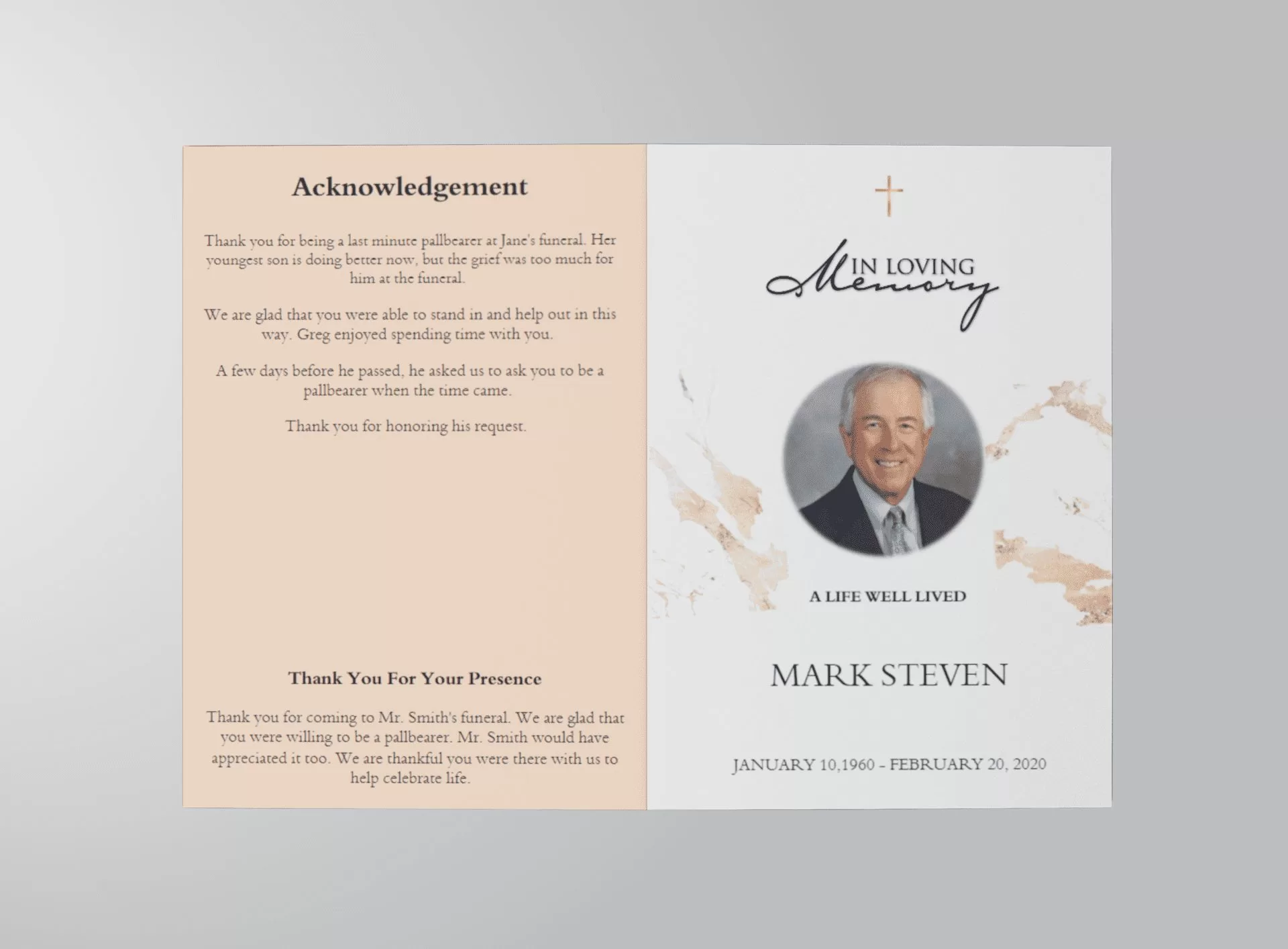
How to Write a Funeral Program Obituary

Navigating the Journey of Funeral Planning with Compassion

Example of an obituary for a mother

Understanding Funeral Planning

When faced with the loss of a loved one, the process of funeral planning can be emotionally overwhelming. It’s crucial to approach this journey with compassion and care. Whether you are planning a service for a family member or a friend, understanding the essentials of this process can help ease your burden during such a difficult time.

Key Aspects of Funeral Planning

  • Choosing the Right Type of Service: Different families may opt for varying types of services. Some may prefer a traditional funeral, while others might lean towards a more personalized celebration of life. Explore our article on Essential Guide to Funeral Planning for more insights.
  • Location and Venue: Selecting the right venue is essential for a meaningful service. Consider places that hold significance for the deceased or the family. Learn more about navigating venue selection in our comprehensive guide on navigating funeral planning.
  • Personalizing the Service: Personal touches can make the service more memorable. Think about including favorite songs, photos, or memories that celebrate the life of your loved one. For ideas, check out our list of Non-Religious Funeral Songs.
  • Budget Considerations: Funeral costs can add up quickly. It’s important to create a budget and stick to it while ensuring that you honor your loved one appropriately. For a detailed breakdown of costs, refer to our Guide to Compassionate Funeral Planning.

Steps to Take When Planning a Funeral

  1. Gather Family Input: Involve family members in discussions about the service. This can provide comfort and help ensure that everyone feels included in the process.
  2. Select a Funeral Director: A professional can guide you through the logistics and help you make informed decisions. Ensure you choose someone who respects your wishes and provides compassionate support.
  3. Decide on Burial or Cremation: This decision often depends on personal beliefs and family traditions. Whichever you choose, make sure it reflects the wishes of your loved one.
  4. Plan for After the Service: Consider what you would like to do following the service, whether hosting a gathering or a small reception. This can be a time for family and friends to share stories and memories.

Resources for Support

Planning a funeral is a significant responsibility, and it’s normal to feel a range of emotions throughout this process. Seeking support is crucial. There are many resources available that can provide guidance and comfort, including:

Taking the time to understand the complexities of funeral planning can lead to a more meaningful tribute to your loved one. Every detail counts, and with the right information and support, you can navigate this journey with grace and compassion.

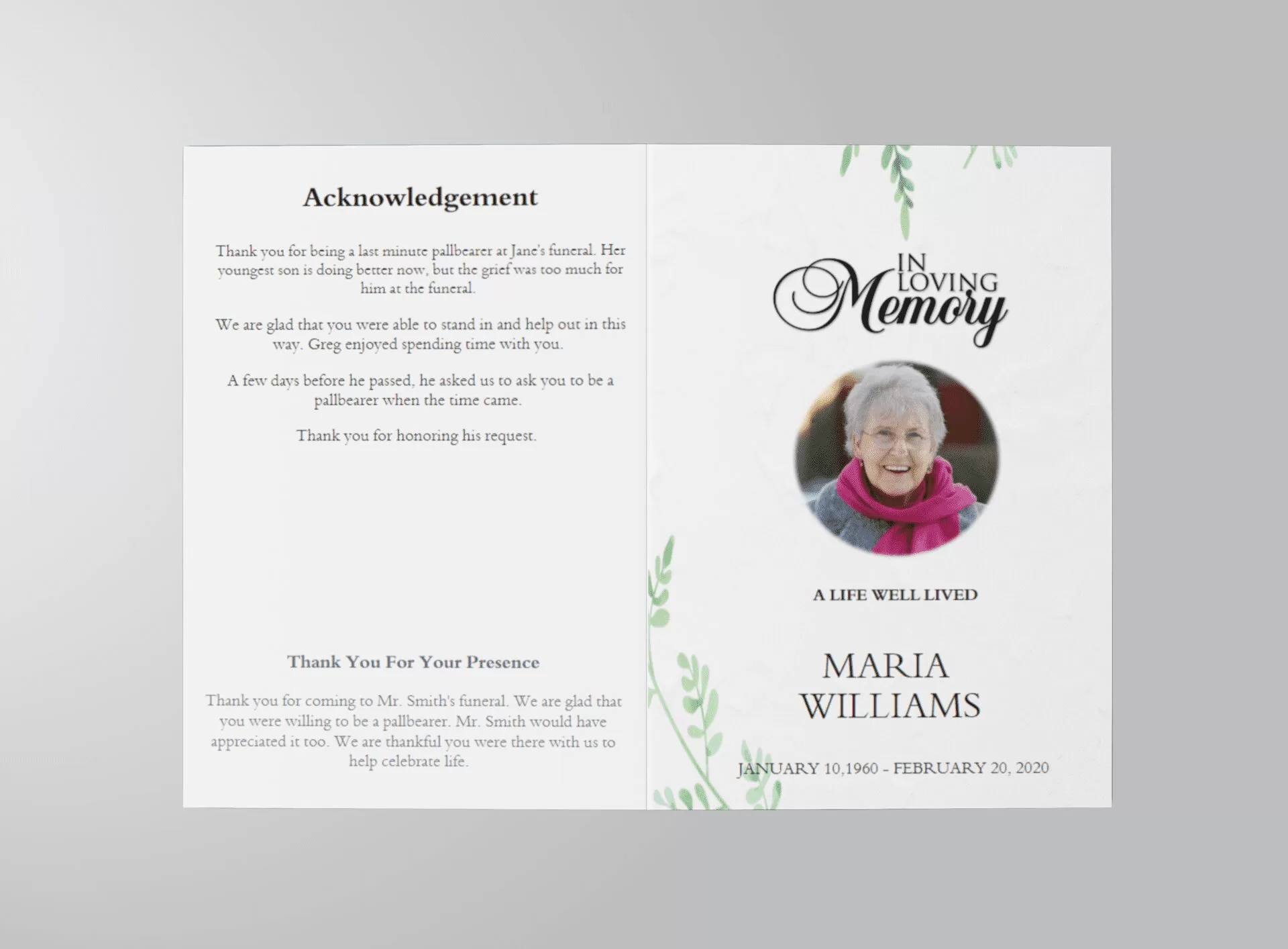
sample obituary examples

Essential Guide to Funeral Planning: Compassion and Care

Example of an obituary template

Understanding Funeral Planning

When faced with the loss of a loved one, the process of funeral planning can be emotionally overwhelming. It’s crucial to approach this journey with care and compassion. At QuickFuneral, we provide resources and guidance to help you navigate this difficult time.

Key Aspects of Funeral Planning

  • Choosing the Right Services: Decide whether to opt for burial, cremation, or another type of service.
  • Setting a Budget: Create a realistic budget that reflects your wishes and financial situation.
  • Personalizing the Service: Consider ways to honor your loved one’s life and legacy through personalized touches.

Compassionate Resources for Support

At QuickFuneral, we understand that finding the right words during a time of grief can be challenging. Our collection of consoling poems about death can offer solace and support as you navigate your feelings of loss.

Planning with Care

Every detail matters when planning a funeral. From selecting a venue to choosing music, each decision should reflect the unique personality of your loved one. Our guide, A Compassionate Approach to Funeral Planning, offers insights into making these choices with care.

The Importance of Communication

Discussing funeral arrangements with family can ease the burden. Open dialogues can help ensure everyone’s wishes are considered. Refer to our post on Your Guide to Compassionate Funeral Planning for tips on facilitating these conversations.

Emotional Support and Guidance

In addition to practical planning steps, emotional support is vital. Whether through counseling, support groups, or simply leaning on friends and family, taking care of your emotional well-being is crucial during this time. Our article on Navigating Funeral Planning with Compassion and Care delves into these necessary aspects.

The Role of Funeral Directors

Funeral directors play a pivotal role in easing the planning process. They can guide you through legal requirements, help you choose services, and provide recommendations based on your needs. Understanding their role can help you feel more at ease during this time.

Conclusion

While this post does not include a conclusion, it’s important to remember that every step taken in the planning process can be approached with compassion and care. Embracing the journey and seeking support can help you honor your loved one’s memory gracefully.

Catholic Funeral Program Example PDF (Free Editable Template)

Your Guide to Compassionate Funeral Planning

Obituary Template

Understanding Funeral Planning

When faced with the loss of a loved one, the process of funeral planning can feel overwhelming. It’s essential to navigate this challenging journey with care and compassion. This guide aims to provide you with the necessary insights and resources to approach funeral planning thoughtfully.

Key Aspects of Funeral Planning

Funeral planning encompasses several crucial elements, which can include:

  • Choosing the type of service
  • Selecting a burial or cremation option
  • Arranging transportation for the deceased
  • Coordinating with a funeral home
  • Preparing necessary documents

Compassionate Guidance

Understanding the essentials of funeral planning can alleviate some of the stress involved. For a more detailed overview, you can read our article on Understanding the Essentials of Funeral Planning.

Planning a funeral also provides an opportunity to celebrate the life of your loved one. Ensuring that their personality and wishes are reflected in the service can help make it a meaningful tribute.

Steps to Plan a Funeral

Here are some steps to help guide you through the funeral planning process:

  1. Gather Information: Collect details such as the deceased’s life history, preferences for the service, and any specific wishes they may have had.
  2. Choose a Funeral Home: Research and select a funeral home that aligns with your needs. Consider reading our post on Navigating the Journey of Funeral Planning with Care for more information.
  3. Arrange the Service: Decide on the dates, times, and format of the service. Include personal touches that celebrate your loved one’s life.
  4. Notify Family and Friends: Reach out to important contacts, informing them of the arrangements and inviting them to participate in the service.
  5. Prepare for the Day: On the day of the service, ensure you have everything in place, allowing yourself to focus on honoring your loved one.

Support During the Process

It’s normal to feel a range of emotions during this time. Seeking support from family, friends, or a professional can provide comfort and perspective. You can find helpful resources in our article, A Compassionate Approach to Funeral Planning.

Understanding the Costs Involved

Funeral expenses can add up quickly, so it’s important to have a clear understanding of the costs involved. This includes service fees, transportation, burial or cremation costs, and any additional services you might choose. For a more comprehensive view, check out Comprehensive Insights into Funeral Planning.

Final Thoughts on Funeral Planning

While planning a funeral can be daunting, taking a compassionate approach allows you to honor your loved one’s life meaningfully. With the right guidance and support, you can navigate through the details effectively.

sample obituary examples

Navigating the Journey of Funeral Planning with Care

Example Obituary Template

Understanding Funeral Planning

When faced with the loss of a loved one, the task of planning a funeral can feel overwhelming. It’s a journey filled with emotions, and having a clear understanding of the essentials can help ease the burden.

Essential Elements of Funeral Planning

  • Choosing the Type of Service: Determine whether you want a traditional service, memorial service, or a celebration of life.
  • Selecting a Funeral Home: Research local funeral homes to find one that aligns with your needs and values.
  • Budgeting: Outline a budget to help manage costs effectively. Consider all expenses, including burial or cremation, service fees, and additional costs.

Helpful Resources

To support your journey, consider exploring Understanding the Essentials of Funeral Planning, which provides a comprehensive overview to guide you through this challenging time.

Compassionate Guidance

The emotional toll of planning a funeral can be significant. That’s why obtaining compassionate guidance is crucial. Understanding Funeral Planning: A Compassionate Guide emphasizes the importance of navigating this process with care and understanding.

Key Considerations for Funeral Planning

  1. Involving Family Members: Engage family members in discussions to ensure everyone’s wishes are considered.
  2. Personalizing the Service: Think about how to honor the deceased’s life through personalized elements such as music, readings, and memories.
  3. Finding Support: Reach out to friends, counselors, or support groups who can provide emotional assistance.

Comprehensive Insights

For a deeper dive into the intricacies of funeral planning, Comprehensive Insights into Funeral Planning offers a wealth of information that can help you navigate every aspect of this journey.

Planning with Care

It’s essential to approach funeral planning with compassion. The article A Compassionate Approach to Funeral Planning highlights how to handle the details while honoring the memory of your loved one.

Steps to Consider

  • Gather Necessary Documents: Ensure you have all required documents handy, including the death certificate and any pre-arrangement paperwork.
  • Plan Ahead: If possible, discuss funeral preferences with your loved ones to ease decision-making later.
  • Keep Communication Open: Maintain transparent communication with family and service providers to avoid misunderstandings.

Finally, remember that navigating funeral planning is a process. Each step taken with care and compassion will honor the memory of your loved one while providing solace to those left behind. For further reading on how to handle these aspects with empathy, visit Navigating Funeral Planning with Compassion and Care.

Understanding the Essentials of Funeral Planning

Example of an Obituary for a Mother Template

What is Funeral Planning?

Funeral planning is the process of organizing the details of a funeral service in preparation for the death of a loved one. This can be an emotional and challenging time, but having a clear plan can help ease the burden during a difficult period.

Key Components of Funeral Planning

  • Choosing the Type of Service: Decide whether you want a traditional service, a memorial, or a celebration of life.
  • Budgeting: Establish a budget that covers all necessary expenses, including the service, burial, or cremation.
  • Location: Select a venue for the service, whether it be a funeral home, church, or other location that holds significance.
  • Obituary and Tribute: Crafting an obituary is an essential part of honoring your loved one. For assistance, check out our obituary template.

Why Funeral Hymns Matter

Music plays a vital role in funerals, often providing comfort and a sense of connection. Famous funeral hymns can evoke cherished memories and help family and friends express their emotions during the service.

Compassionate Planning Resources

Understanding the intricacies of funeral planning can be overwhelming. At QuickFuneral, we provide comprehensive resources to guide you. Our article on Understanding Funeral Planning: A Compassionate Guide outlines the steps you can take to prepare.

Additional Insights on Funeral Planning

For a more in-depth understanding, our Comprehensive Insights into Funeral Planning covers everything from legal requirements to emotional support. Each step of the process can greatly affect how families cope with loss.

Navigating with Care

During this challenging time, it’s important to approach funeral planning with compassion and care. Our article on Navigating Funeral Planning with Compassion and Care offers helpful strategies for handling the emotional and logistical aspects of planning a funeral.

Final Thoughts

While the process of funeral planning can be daunting, knowing where to start and what resources are available can make a significant difference. Remember, you are not alone, and reaching out for help can ease the path ahead.

How to Write a Funeral Program Obituary

Understanding Funeral Planning: A Compassionate Guide

Example of an obituary template

Introduction to Funeral Planning

When faced with the loss of a loved one, the process of funeral planning can feel overwhelming. It’s essential to navigate this challenging time with compassion and care. Understanding the various aspects of funeral planning can help ease the burden during such difficult moments.

The Importance of Funeral Planning

Planning a funeral involves several critical components. Here are some key elements to consider:

  • Choosing a Funeral Home: Research local funeral homes and their services. Look for places that align with your values and needs.
  • Understanding Costs: Familiarize yourself with the costs associated with different services, including burial or cremation. This can help in making informed decisions.
  • Selecting a Service Type: Decide on the type of service, whether it’s traditional, memorial, or direct cremation.

Compassionate Resources for Funeral Planning

At QuickFuneral, we offer various resources to assist you in this challenging journey. For a deeper understanding, check out our article on A Compassionate Approach to Funeral Planning. It provides insights that may help you navigate your options more effectively.

Spiritual Guidance During Grieving

Many people find comfort in spiritual texts during times of loss. Our collection of Bible Quotes on Life and Death can offer solace and reflection, reminding us of the beauty of life and the inevitability of death.

Practical Steps in Planning

Here are some practical steps to take when planning a funeral:

  1. Gather Personal Information: Collect vital details about the deceased, including their full name, date of birth, and date of death.
  2. Choose a Casket or Urn: Depending on your service choice, select a suitable casket or urn.
  3. Plan the Service: Decide on the location, speakers, and any personalized elements that reflect the deceased’s life.

Emotional Support During Planning

Don’t hesitate to seek help from friends, family, or professionals. Our guide on Navigating Funeral Planning with Compassion and Care offers valuable tips on finding support while planning.

Final Thoughts

While the journey of saying goodbye is never easy, having a solid plan can provide peace of mind. You can also explore Navigating the Essentials of Funeral Planning to learn more about the fundamental aspects involved.

Remember, you are not alone in this process. With careful planning and support, you can honor your loved one’s memory in a meaningful way.

fall card

Comprehensive Insights into Funeral Planning

Obituary Template

Understanding Funeral Planning

When faced with the loss of a loved one, the process of funeral planning can feel overwhelming. It’s essential to navigate this difficult time with compassion and care. At QuickFuneral LLC, we provide resources to help guide you through the essentials of funeral planning.

Key Aspects of Funeral Planning

  • Choosing a Funeral Home: Research local funeral homes to find one that aligns with your needs and values.
  • Understanding Costs: Be aware of the various costs associated with funerals, including services, merchandise, and burial or cremation options.
  • Personalizing the Service: Consider how you would like to honor your loved one, whether through music, readings, or personal tributes.
  • Legal Requirements: Familiarize yourself with any legal documentation needed, such as death certificates and permits.

Resources to Help You Navigate the Process

To assist you during this challenging time, we offer a wealth of information on funeral planning. For a compassionate approach, check out our article on A Compassionate Approach to Funeral Planning. This guide provides insights into how to handle the emotional and logistical aspects of planning a funeral.

Moreover, you can learn more about the essentials in our post on Navigating the Essentials of Funeral Planning, which breaks down the necessary steps to take.

Planning for Different Scenarios

Every family’s situation is unique. Here are some scenarios to consider when planning a funeral:

  • Immediate Burial or Cremation: If your loved one wished for a quick burial or cremation, understanding the options available can streamline the process.
  • Memorial Services: Some families prefer a memorial service at a later date, allowing for more time to gather loved ones.
  • Cultural or Religious Considerations: Be mindful of any cultural or religious practices that should be incorporated into the funeral service.

For a more comprehensive view on planning, our article titled A Comprehensive Guide to Funeral Planning dives deep into various aspects, ensuring no detail is overlooked.

Common Questions About Funeral Planning

As you embark on this journey, you may have questions. Here are some frequently asked questions:

  • What should I ask the funeral director? Inquire about pricing, services offered, and how they can assist you during this time.
  • Are there financing options available? Many funeral homes offer financing options to help manage costs.
  • How can I personalize the funeral service? Discuss options for incorporating personal touches that reflect your loved one’s life.

To further enhance your understanding, consider reading Navigating Funeral Planning with Compassion and Care, which provides additional insights on handling this sensitive process.

Final Thoughts

While planning a funeral can be daunting, having the right resources and support can make all the difference. Remember, you are not alone in this journey, and QuickFuneral LLC is here to help you every step of the way.

funeral program template

A Compassionate Approach to Funeral Planning

Example of an obituary for a mother

Understanding Funeral Planning

When faced with the loss of a loved one, the process of funeral planning can feel incredibly overwhelming. It is essential to navigate this journey with compassion and care, ensuring that every decision honors the memory of the deceased while providing comfort to those left behind.

The Importance of Funeral Planning

Funeral planning is not just about logistics; it is about creating a meaningful farewell. Here are some key aspects to consider:

  • Personalization: Customize the service to reflect the personality and wishes of your loved one.
  • Budgeting: Understand the costs involved and consider different options that fit within your financial plan.
  • Legal Requirements: Ensure that you are aware of any legal obligations that need to be fulfilled.

Guidance Through Grief

During such emotionally charged times, it is important to seek support. Resources like Navigating Funeral Planning with Compassion and Care can provide helpful insights into managing grief while making necessary arrangements.

Essential Steps in Funeral Planning

Here’s a breakdown of the essential steps you should follow:

  1. Gather Information: Collect all relevant information about the deceased, including their preferences and any pre-arrangements made.
  2. Choose a Service Provider: Research local funeral homes and compare their services and prices.
  3. Plan the Details: Decide on the type of service (burial, cremation, memorial) and any special requests.
  4. Notify Family and Friends: Inform loved ones about the arrangements and provide details on the service.
  5. Consider Additional Services: Look into options like grief counseling or support groups.

Resources for Support

In addition to the aforementioned guidance, A Comprehensive Guide to Funeral Planning offers an extensive look into the process, ensuring you don’t miss any crucial aspects while navigating this difficult time.

Final Arrangements and Obituaries

As you prepare for the final arrangements, consider writing an obituary. An obituary serves as a tribute to the life lived and provides an opportunity to share important details about the service. You can use templates to assist in this process, making it easier during an emotional time.

Conclusion

Taking the time to understand and plan for a funeral can help ease the burden during a difficult period. Resources on navigating the essentials of funeral planning can provide the support you need, making the journey less daunting.

Catholic Funeral Program Example PDF (Free Editable Template)

Navigating Funeral Planning with Compassion and Care

Example of an obituary template

Understanding Funeral Planning

When you lose a loved one, the last thing you want is to feel overwhelmed by the details of planning their funeral. At QuickFuneral LLC, we aim to support you through this difficult time with resources and guidance. This post will outline the essentials of funeral planning while providing links to our comprehensive guides.

The Funeral Planning Process

Funeral planning can be broken down into several key steps. Here are some important aspects to consider:

  • Deciding on the Type of Service: Whether it be a traditional funeral, memorial service, or a celebration of life.
  • Choosing a Funeral Home: Research local options and understand their services.
  • Budgeting: Be clear on your financial limits and discuss costs upfront.
  • Documenting Wishes: Ensure that you have any pre-arrangements in writing.

Comforting Scriptures for Funerals

Many families find solace in incorporating scriptures into their loved one’s funeral service. For those considering this, our article on Comforting Old Testament Scriptures for Funerals can provide meaningful insights and selections.

Emotional Support During Planning

During such a challenging time, seeking emotional support is vital. Planning a funeral not only involves logistical considerations but also emotional healing. We recommend reading our Understanding Funeral Planning: A Compassionate Guide to help you navigate these waters with care and understanding.

Essential Elements of a Funeral

It’s crucial to understand the essential elements of a funeral service, which typically include:

  • Preparation of the Body: Discuss options such as embalming or cremation.
  • Venue: Selecting a location that reflects the personality of the deceased.
  • Memorial Items: Consider personal touches like photos or favorite items.

For a deeper dive, check out our guide on Navigating the Essentials of Funeral Planning, which offers step-by-step assistance.

Planning Resources

From understanding the legal requirements to choosing the right flowers, our Comprehensive Guide to Funeral Planning covers various topics that will help alleviate some of the burdens you may be facing.

Final Thoughts

While we cannot take away your pain, we hope that these resources will guide you through the planning process with compassion and clarity. Remember, you are not alone in this journey, and support is available.

How to Write a Funeral Program Obituary

Understanding Funeral Planning: A Compassionate Guide

Example of an obituary for a mother

Introduction to Funeral Planning

When faced with the loss of a loved one, the process of funeral planning can feel overwhelming. It’s essential to navigate this journey with compassion and understanding. Our guide to navigating funeral planning with compassion provides you with the necessary tools to handle this significant responsibility.

The Importance of Funeral Planning

Funeral planning is not just about logistics; it’s about honoring the memory of the deceased and providing a space for loved ones to grieve. Here are some essential aspects to consider:

  • Understanding the Essentials: Grasp the core components of funeral planning, including service types and burial options. Our article on navigating the essentials of funeral planning can illuminate these factors.
  • Memorial Options: Choose how to celebrate the life of your loved one, whether through a traditional service or a more personalized memorial.
  • Budgeting: Plan for costs associated with funerals, ensuring that financial considerations do not add to the stress of the situation.
  • Legal Requirements: Familiarize yourself with the necessary paperwork and legalities involved in funeral planning.

Finding Comfort in Difficult Times

During moments of profound grief, many families find solace in words that resonate deeply. Consider exploring our collection of memorial Bible quotes for comfort and reflection, which can offer peace during challenging times.

Comprehensive Resources for Planning

Our website offers a variety of resources to assist you in every step of the funeral planning process. For a more detailed approach, check out our comprehensive guide to funeral planning. This resource covers everything from choosing a funeral home to selecting the right casket.

Navigating Complexities with Ease

Funeral planning involves numerous decisions and can be emotionally taxing. To simplify this process, it’s crucial to have access to supportive resources. Our article on navigating the complexities of funeral planning provides valuable insights into managing these challenges effectively.

Practical Steps for Planning

Here are some practical steps to follow when planning a funeral:

  1. Gather information about the deceased’s wishes regarding their service.
  2. Consult with family members to ensure everyone’s thoughts and feelings are considered.
  3. Contact a funeral service provider to discuss available options.
  4. Prepare necessary documents and make arrangements for payment.

By understanding the essentials of funeral planning, you can ensure that the process is both respectful and efficient. For further information, our guide on understanding the essentials of funeral planning will provide greater clarity and support.

Back to Top
Product has been added to your cart
Compare (0)