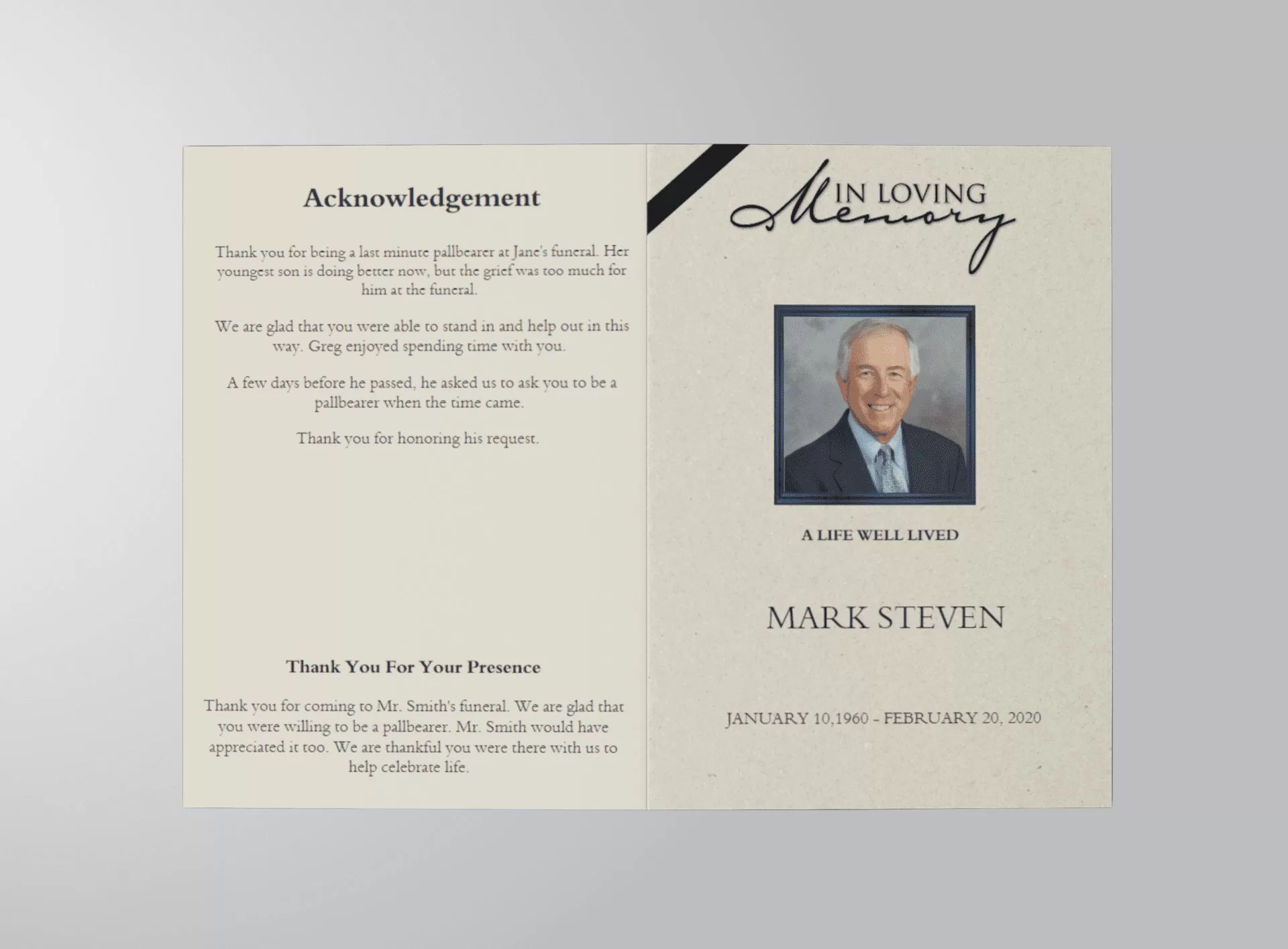
Sample Obituary Templates

Comprehensive Guide to Funeral Planning

Obituary Template

Understanding Funeral Planning

Planning a funeral is a task that often comes during one of the most challenging times in life. The emotional weight of losing a loved one can make the logistics of organizing a funeral feel overwhelming. However, being informed and prepared can ease some of that burden. Here, we explore various aspects of funeral planning that can help guide families through this process.

The Basics of Funeral Planning

At its core, funeral planning involves several key components:

  • Choosing a Type of Service: Decide whether you want a traditional burial, cremation, or memorial service. Each option has its own considerations and cost implications.
  • Budgeting: Establish a budget that considers all expenses, including the service, casket or urn, venue, and any additional costs.
  • Legal Requirements: Familiarize yourself with any necessary legal documentation, such as a death certificate.
  • Personal Touches: Incorporate personal elements that reflect the deceased’s life, such as music, readings, or memory displays.

Resources for Families

To navigate the complexities of organizing a funeral, families can benefit from various guides and resources. For instance, our Essential Guide to Funeral Planning for Families offers detailed insights into each step of the process. This can serve as a helpful reference for families during this difficult time.

Emotional Considerations

The emotional landscape when planning a funeral can be incredibly challenging. It’s important to acknowledge these feelings and seek support. Our article on navigating the emotional landscape of funeral planning addresses the common emotional hurdles and offers tips for coping during this time.

Common Challenges in Funeral Planning

Families often encounter various challenges while planning a funeral. These can include:

  • Decision Fatigue: The number of choices can be overwhelming, from selecting a service type to choosing a casket.
  • Family Dynamics: Differing opinions among family members can complicate decision-making.
  • Time Constraints: Organizing a funeral on a tight timeline can add pressure.

To help address these challenges, our resource on navigating the challenges of funeral planning provides practical tips and advice for families to streamline the process.

Thoughtful Funeral Planning

Understanding the importance of thoughtful funeral planning is crucial. It allows families to honor their loved ones in a manner that reflects their unique personalities and legacies. For more insights, check out our article on the importance of thoughtful funeral planning, which emphasizes how taking the time to plan can create a meaningful farewell.

Conclusion

While we do not include a traditional conclusion, it’s essential to remember that each step taken in planning a funeral can help create a lasting tribute to those we love. By utilizing the resources available and being prepared, families can navigate the complexities of this process with greater ease.

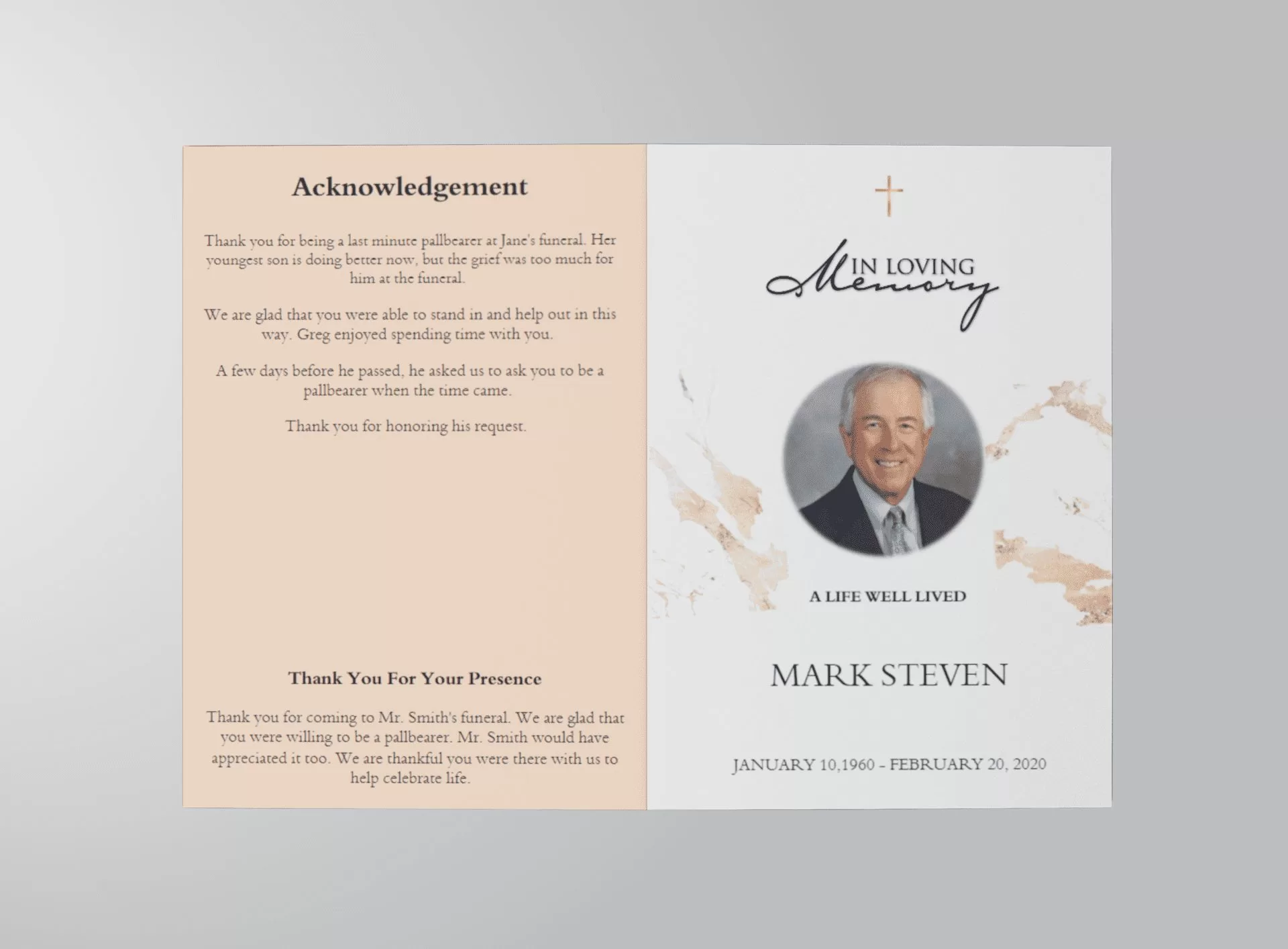
Essential Guide to Funeral Planning for Families

Obituary Example

Introduction to Funeral Planning

Planning a funeral can be a daunting task, especially in the wake of losing a loved one. At QuickFuneral LLC, we understand the emotional weight that accompanies such responsibilities. This guide aims to provide clarity and support as you navigate through this challenging process.

Understanding the Essentials of Funeral Planning

Before diving into the specifics, it’s crucial to understand the essentials of funeral planning. This includes knowing what decisions need to be made and the various options available.

Key Components of Funeral Planning

  • Type of Service: Decide between a traditional service, memorial service, or a celebration of life.
  • Location: Choose a venue that suits your family’s needs, whether it be a funeral home, church, or outdoor space.
  • Budget: Establish a budget early on to help guide decisions regarding services and products.

Navigating the Challenges of Funeral Planning

Funeral planning often brings emotional challenges. It’s important to approach this process with a clear plan. Our article on navigating the challenges of funeral planning can help you understand how to manage the emotional landscape while making practical decisions.

The Importance of Thoughtful Funeral Planning

Taking the time to plan thoughtfully can make a significant difference in honoring your loved one’s memory. Consider reading our insights on the importance of thoughtful funeral planning to help guide you through this sensitive time.

Creating a Meaningful Tribute

When planning, think about incorporating personal touches, such as:

  • Photo displays
  • Favorite music
  • Special readings or rituals

Support Resources for Families

Support is crucial during this time. Our guide on navigating funeral planning offers resources that can assist families in coping with their loss while managing the logistics of planning a funeral.

Navigating the Emotional Landscape of Funeral Planning

Grief can affect decision-making. It’s essential to be gentle with yourself and allow time to process. Our article on navigating the emotional landscape can provide valuable insights into managing these feelings.

Conclusion

While this guide covers many aspects of funeral planning, remember that every family’s journey is unique. Take the time you need to make decisions that feel right for you and your loved ones.

fall card

Navigating the Challenges of Funeral Planning

Obituary Template

Understanding Funeral Planning

Planning a funeral can often feel overwhelming, especially during a time of grief. It’s essential to approach this task with a clear mind and a structured plan. At QuickFuneral.com, we aim to provide you with the resources you need to navigate this difficult process.

Why Thoughtful Planning Matters

Thoughtful funeral planning ensures that your loved one’s wishes are respected and that the service reflects their life and values. For more insights, check out our article on The Importance of Thoughtful Funeral Planning.

Key Steps in Funeral Planning

  1. Gather Information: Collect necessary documents such as the deceased’s birth certificate, Social Security number, and any pre-arrangement papers.
  2. Choose a Funeral Home: Research local funeral homes and consider their services, reputation, and pricing.
  3. Plan the Service: Decide on the type of service, location, and any specific wishes of the deceased.
  4. Consider Personal Touches: Think about including favorite music or readings. For comforting music options, check out our list of Christian Grieving Songs for Funerals.
  5. Budgeting: Understand the costs involved and create a budget. It’s crucial to have a clear financial plan in place.

Navigating Emotional Challenges

During this time, it’s normal to experience a range of emotions. Understanding how to navigate these feelings can be beneficial. For guidance, read our piece on Navigating the Emotional Landscape of Funeral Planning.

Utilizing Resources

Many families find it helpful to refer to guides that simplify the funeral planning process. A detailed resource can be found in our article Navigating Funeral Planning: A Helpful Guide for Families. This guide covers everything from the initial steps to the final arrangements.

Essentials to Keep in Mind

It’s important to remember that funeral planning is not just about logistics; it’s about honoring a life. Approaching this process with care can help create a meaningful tribute. For a deeper understanding, refer to our guide on Understanding the Essentials of Funeral Planning.

In Conclusion

Effective funeral planning can alleviate some stress during a challenging time. With the right information and support, families can honor their loved ones appropriately.

How to Write a Funeral Program Obituary

Understanding the Essentials of Funeral Planning

Example of an obituary for a mother template

Understanding the Essentials of Funeral Planning

Planning a funeral can be an overwhelming task, especially during a time of grief. However, having a structured approach can help ease the burden on families. This guide aims to provide valuable insights into the funeral planning process while highlighting key aspects to consider.

Key Steps in Funeral Planning

  1. Gather Information: Collect important details such as the deceased’s full name, date of birth, and preferences for the service.
  2. Establish a Budget: Determine how much you are willing to spend on the funeral, including services, caskets, and burial or cremation fees.
  3. Select a Funeral Home: Research local funeral homes to find one that aligns with your needs. You can read more about this in our helpful guide on navigating funeral planning.
  4. Choose the Type of Service: Decide whether you want a traditional service, a memorial service, or a direct burial or cremation.
  5. Personalize the Tribute: Consider how you want to honor your loved one. This could include selecting music, readings, and even creating a meaningful obituary. For more ideas, check our article on crafting a meaningful tribute.

Expressing Gratitude

In the wake of loss, showing appreciation for those who have supported you is vital. Writing thank you notes can express your gratitude effectively. Consider using some heartfelt quotes in your messages to convey your feelings.

Memorial Quotes to Honor Your Loved One

Incorporating memorial quotes can add a personal touch to the service. Whether it’s a quote displayed during the service or included in a program, it can resonate deeply with attendees. Explore our collection of memorial quotes for inspiration.

In Memory Quotes for Sympathy

When reaching out to others who are grieving, consider using in memory quotes in sympathy cards. These quotes convey compassion and understanding during difficult times.

The Importance of Thoughtful Planning

Understanding the importance of thoughtful funeral planning cannot be overstated. It not only honors the deceased but also provides comfort to the bereaved. For a deeper look into the significance of planning, read our article on the importance of thoughtful funeral planning.

Overall, while the process of planning a funeral may be daunting, being informed can significantly ease the task. Remember to take your time and involve family members in the decision-making process to create a service that truly reflects the life of your loved one.

funeral program template

Navigating Funeral Planning: A Helpful Guide for Families

Example of an obituary for a mother

Understanding the Process of Funeral Planning

Planning a funeral can often be a daunting task, especially when it follows the loss of a loved one. It requires careful consideration and thoughtful planning. Here we provide insights into how to navigate this emotional journey effectively.

Why Thoughtful Funeral Planning Matters

Engaging in thoughtful funeral planning can greatly ease the stress during a difficult time. It ensures that you make decisions that reflect the wishes of your loved one while also considering the needs of family and friends.

Key Components of Funeral Planning

  • Choosing the Right Service: Decide whether to have a traditional service, a memorial, or a celebration of life.
  • Location Selection: Consider the venue for the service, whether it’s a funeral home, a church, or a private location.
  • Budgeting: Create a budget to manage the costs associated with the funeral. Be sure to account for all aspects, including venue, casket, and flowers.
  • Personal Touches: Incorporate personal elements such as photographs, music, and mementos that reflect the personality of the deceased.

Emotional Considerations in Funeral Planning

Funeral planning involves navigating a complex emotional landscape. It’s essential to acknowledge feelings of grief while making important decisions. For support, you may want to check out our guide on navigating the emotional landscape of funeral planning, which offers strategies to help manage these emotions.

Understanding Funeral Planning Essentials

To ensure you cover all bases, familiarize yourself with the essentials of funeral planning. This includes understanding legal requirements, selecting funeral merchandise, and communicating with family members about their wishes.

Utilizing Resources for a Smooth Process

There are numerous resources available to assist families in planning funerals. Consider consulting a funeral director who can guide you through the process, or utilize online checklists and planning tools. Our comprehensive guide on understanding funeral planning provides an extensive overview of what to expect throughout the process.

The Role of Music in Funerals

Music can serve as a powerful way to honor a loved one. For those considering religious services, Catholic hymns play a significant role in providing comfort and solace during the ceremony.

Final Thoughts on Funeral Planning

Remember that funeral planning is not just about logistics; it’s a way to celebrate the life of your loved one and gather friends and family in remembrance. By approaching the process with care and attention, you can create a meaningful tribute that honors their legacy.

Funeral Program Template Online

The Importance of Thoughtful Funeral Planning

Example of an obituary for a mother

Understanding the Need for Thoughtful Funeral Planning

Planning a funeral is a significant responsibility that often comes at a time of great emotional distress. It is essential to approach this process with sensitivity and clarity. Thoughtful funeral planning not only honors the memory of the deceased but also provides comfort to those who are grieving.

Key Steps in the Funeral Planning Process

  • Initial Arrangements: Contacting a funeral home is often the first step. They can guide you through the various options available.
  • Choosing the Type of Service: Decide whether you want a traditional service, a memorial service, or a celebration of life. Each option has its unique aspects that should reflect the wishes of the deceased.
  • Attire Considerations: Understanding appropriate clothing for attendees can help ease some of the stress during this time. For insights, check out our guide on casual funeral attire for men.
  • Personalizing the Service: Incorporate elements that reflect the personality and life of the deceased, such as favorite songs, photos, or memories shared by family and friends.

Emotional Considerations During Planning

The emotional landscape of funeral planning can be complex. It’s not just about logistics; it involves navigating grief and honoring a loved one’s legacy. For support on this journey, our article on navigating the emotional landscape of funeral planning can be invaluable.

Essential Components of Funeral Planning

Understanding the essentials of funeral planning can significantly ease the process:

  • Budgeting: Establish a budget early on to avoid overspending. Consider all aspects, including services, burial, and transportation.
  • Legal Requirements: Familiarize yourself with necessary legal documents and requirements, such as death certificates and permits.
  • Selecting a Venue: Choose a location that reflects the deceased’s preferences, whether it’s a church, home, or a funeral home.
  • Communication: Keep communication open among family members to ensure everyone’s wishes are respected.

Resources for Thoughtful Planning

There are many resources available to assist you in the planning process. Our comprehensive guide on understanding funeral planning provides detailed information to help you through each step.

Additionally, our article on the essentials of thoughtful funeral planning outlines crucial considerations for families during this time.

Final Thoughts on Funeral Planning

While the topic of funeral planning can be daunting, approaching it with care and thoughtfulness can provide significant relief to both planners and attendees. By utilizing available resources and maintaining open communication, you can create a meaningful tribute to your loved one.

Sample Obituary Templates

Navigating the Emotional Landscape of Funeral Planning

Obituary Template

Understanding the Importance of Funeral Planning

When faced with the loss of a loved one, the task of planning a funeral can feel overwhelming. It’s crucial to approach this emotional journey with care and understanding. Proper planning not only honors the deceased but also provides solace to the grieving family and friends.

Key Steps in Funeral Planning

  • Assess the Needs: Determine the type of service that aligns with your loved one’s wishes.
  • Budget Considerations: Establish a budget that reflects your financial situation while honoring your loved one.
  • Choosing a Location: Select a venue that suits the desired tone of the service.
  • Gather Necessary Documents: Collect essential documents like the death certificate and any pre-arrangement papers.

Emotional Support During Funeral Planning

Planning a funeral is not just a logistical task; it’s an emotional journey. It’s vital to seek support from friends, family, or professionals. Navigating the emotional journey of funeral planning can be easier with the right guidance.

Incorporating Personal Touches

To make the service meaningful, consider incorporating personal elements that reflect the deceased’s life. This can include:

Essential Tips for a Thoughtful Service

Planning a funeral involves many decisions, and it’s helpful to have a checklist. Here are some essential tips:

  • Consult with a Funeral Director: They can guide you through the process and help you avoid common pitfalls.
  • Be Mindful of Cultural Practices: Respect any cultural or religious traditions that may influence service planning.
  • Consider Environmental Options: Explore green burial options as a way to honor your loved one while caring for the planet.

Resources for Guidance

For further insights, consider reading our comprehensive guide to thoughtful funeral planning. This resource provides detailed information to help ease the planning process.

Additionally, essential tips for navigating funeral planning can help you make informed decisions during this difficult time.

In summary, while funeral planning can be challenging, with the right resources and support, it can also become a meaningful tribute to your loved one. Every step taken can help create a beautiful farewell that honors their memory.

fall card

Understanding Funeral Planning: A Comprehensive Guide

Example of an obituary for a mother template

Understanding Funeral Planning

Planning a funeral can be an overwhelming process, especially during such an emotional time. It’s important to approach this task with care and consideration. Here, we’ll explore essential tips and resources to help you navigate this challenging journey.

Key Steps in Funeral Planning

  1. Gather Information: Collect necessary details about the deceased, including personal information, preferences, and any pre-arranged plans.
  2. Consider the Wishes of the Deceased: Understanding what your loved one would have wanted can guide many of your decisions.
  3. Budgeting: Outline your budget early on. Funerals can vary greatly in cost, so it’s important to know what you can afford.
  4. Select a Funeral Home: Research and choose a funeral home that aligns with your needs and budget. Ensure they are reputable and trustworthy.

Emotional Considerations

Funeral planning is not only logistical but also deeply emotional. It is essential to be aware of your feelings and the feelings of others involved. For guidance on managing the emotional landscape, refer to our article on navigating the emotional landscape of funeral planning.

Creating Meaningful Tributes

Honoring a loved one can take many forms. One beautiful way to memorialize them is through personalized prayer cards. These cards serve as a heartfelt tribute and can include a special prayer, image, or message. For more insights, explore how to create personalized prayer cards for a meaningful tribute.

Funeral Cards and Keepsakes

Funeral cards are another poignant way to commemorate your loved ones. They can encapsulate memories, photos, and messages that resonate with family and friends. If you’re interested in learning more about this, check out our guide on personalized and meaningful funeral cards.

Planning and Resources

To aid in the planning process, consider utilizing resources that offer tips and templates. Our website provides a comprehensive overview of essential tips for navigating funeral planning which can ease decision-making.

Creating Lasting Memories

It’s often said that memories are the most valuable treasures. Consider creating timeless memories with funeral prayer cards and memorial keepsakes to honor your loved one’s legacy.

Beautiful Tributes

Memorial cards play an important role in honoring the deceased. They provide comfort and serve as a reminder of the love shared. For inspiration on how to create beautiful tributes, visit our page on honoring loved ones with beautiful tributes.

Funeral Program Template Online

The Essentials of Thoughtful Funeral Planning

Example of an obituary for a mother template

Understanding the Importance of Funeral Planning

Planning a funeral can be one of the most challenging tasks after losing a loved one. It can be an emotionally taxing process, often filled with confusion and uncertainty. However, having a clear plan can help ease the burden during such a difficult time. To navigate this process effectively, consider exploring Understanding the Essentials of Funeral Planning.

Emotional Landscape During Funeral Preparation

When you lose someone dear, the emotional journey can be overwhelming. It’s crucial to acknowledge and address these feelings while planning. For insights into managing these emotions, check out Navigating the Emotional Landscape of Funeral Planning. This resource offers guidance on coping mechanisms that can help you through this process.

Key Elements of Funeral Planning

Here are some vital aspects to consider when planning a funeral:

  • Budgeting: Determine the financial resources available for the funeral. This will guide many of your decisions.
  • Choosing a Service Type: Decide whether the service will be traditional, cremation, or a more personalized celebration of life.
  • Location: Select a venue that feels appropriate, whether it’s a funeral home, church, or another meaningful location.
  • Personal Touches: Incorporate elements that reflect the deceased’s personality, such as favorite music or photographs.

For a more in-depth understanding of planning, refer to our article on Understanding Funeral Planning: A Comprehensive Approach.

Well-Known Funeral Hymns

Music plays a significant role in many funeral services. Choosing the right hymns can provide comfort to those grieving. For a selection of meaningful hymns, see Well Known Funeral Hymns for a Heartfelt Service. This resource can help you find the perfect music to honor your loved one.

Support and Resources

Besides planning the logistics of the funeral, it’s equally important to seek support during this time. Engaging with friends, family, or support groups can provide emotional relief. For more insights on the emotional aspects of funeral planning, consider reading Navigating the Emotional Journey of Funeral Planning.

Ultimately, thoughtful funeral planning can help celebrate the life of a loved one while providing a space for healing and remembrance. By taking the time to plan, you can create a meaningful tribute that reflects their legacy.

Top Free Funeral Program Templates for Every Service Style

Understanding the Essentials of Funeral Planning

Example of an obituary for a mother

Why Funeral Planning Matters

When faced with the loss of a loved one, the process of planning a funeral can be both overwhelming and emotionally taxing. Understanding the essentials of funeral planning can help ease some of this burden, allowing you to focus on honoring the memory of the deceased.

The Emotional Landscape of Funeral Planning

Planning a funeral isn’t just about logistics; it involves navigating a complex emotional landscape. Many people experience a range of feelings from sadness to anxiety. For insights into managing these emotions, consider reading our guide on navigating the emotional landscape of funeral planning.

Key Steps in the Funeral Planning Process

  • Establishing a Budget: Determine how much you can spend on the funeral and related expenses.
  • Choosing a Service Type: Decide on burial, cremation, or alternative services.
  • Selecting a Venue: Choose a location that reflects the personality and wishes of the deceased.
  • Personalizing the Service: Consider including special music, readings, or personal tributes.

Grieving and Finding Comfort

During this challenging time, it’s essential to find solace. Our article on comforting Bible verses for grief and loss provides valuable insights and words of encouragement that may help you cope with your emotions.

Understanding Funeral Costs

Funeral expenses can vary widely, and understanding these costs is crucial. From caskets to service fees, being informed can aid in making better financial decisions. For a deeper understanding, check out our comprehensive guide on funeral planning.

Support Systems During Funeral Planning

It’s important to lean on support systems during this time. Family and friends can provide comfort, but professional help may also be beneficial. Many individuals find it helpful to speak with a grief counselor or funeral director who understands the nuances of planning.

Finding the Right Funeral Provider

Choosing a funeral provider is a significant decision that can affect the overall experience. Look for a provider that aligns with your values and meets your needs. For those unsure about how to navigate this process, our guide on navigating the complexities of funeral planning offers practical advice.

Conclusion

While this guide provides a basic framework for understanding funeral planning, remember that everyone’s journey is unique. Take the time you need to process your feelings and make informed decisions that honor your loved one.

Back to Top
Product has been added to your cart
Compare (0)