Understanding Funeral Planning: A Comprehensive Guide

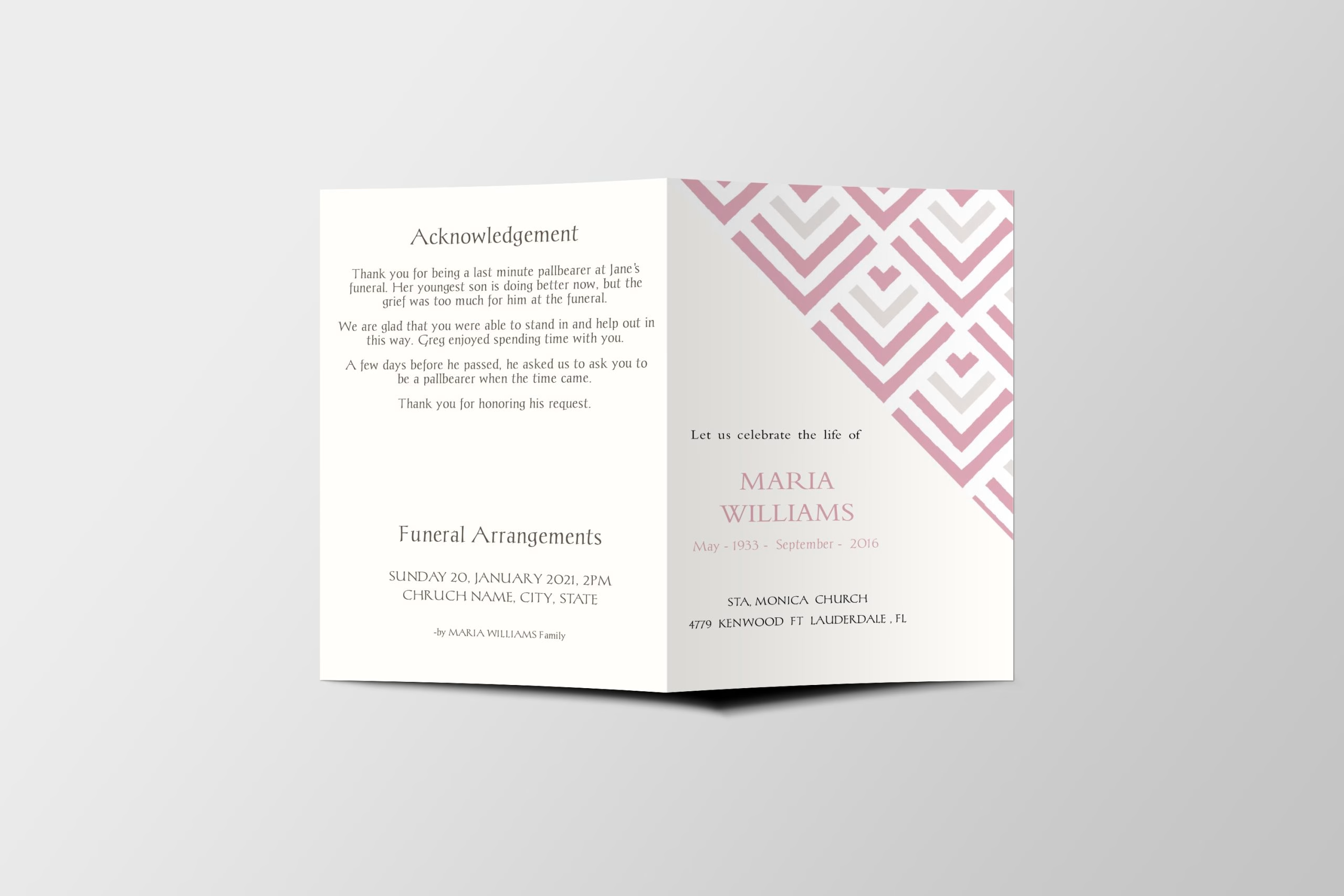
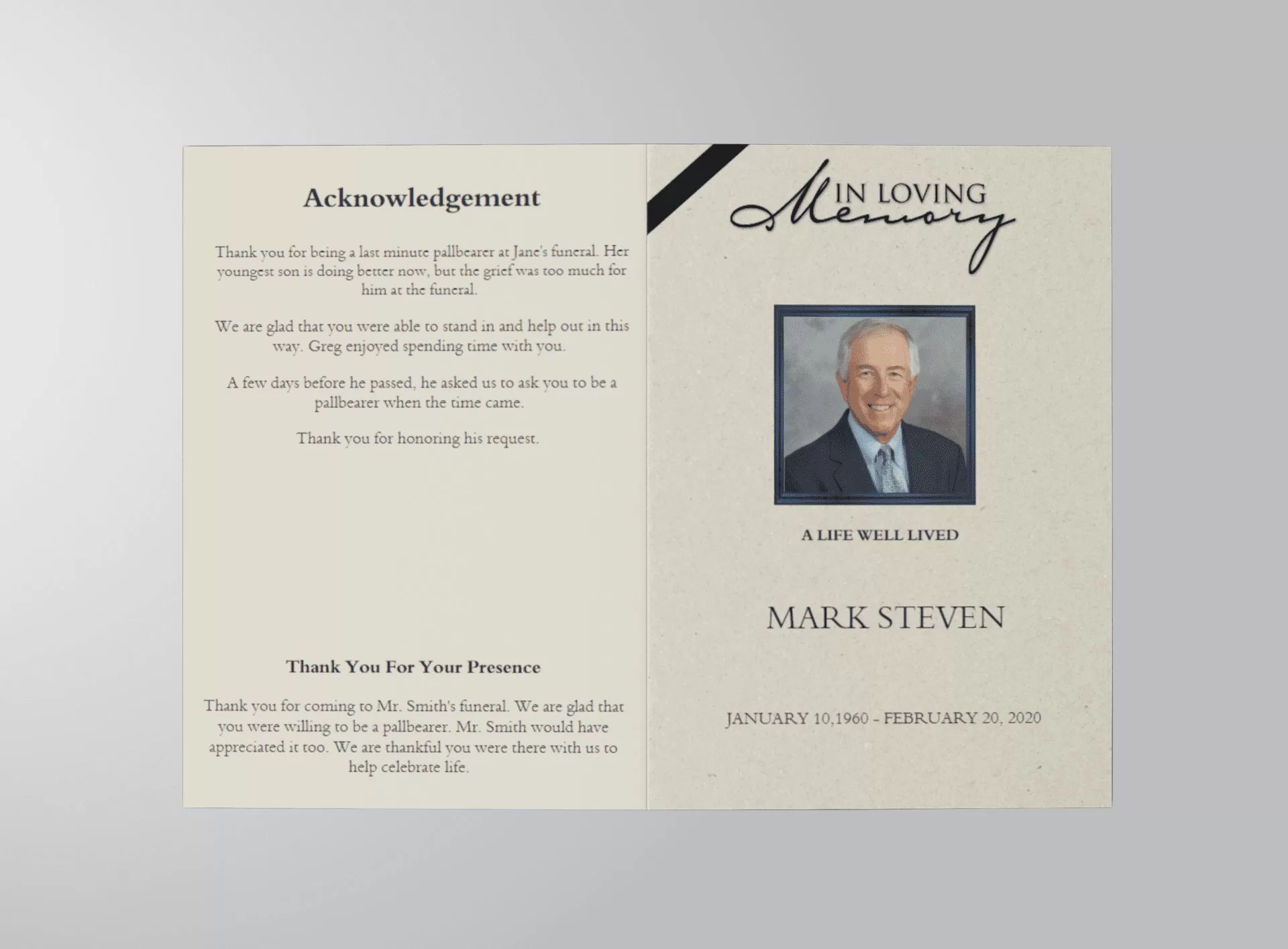
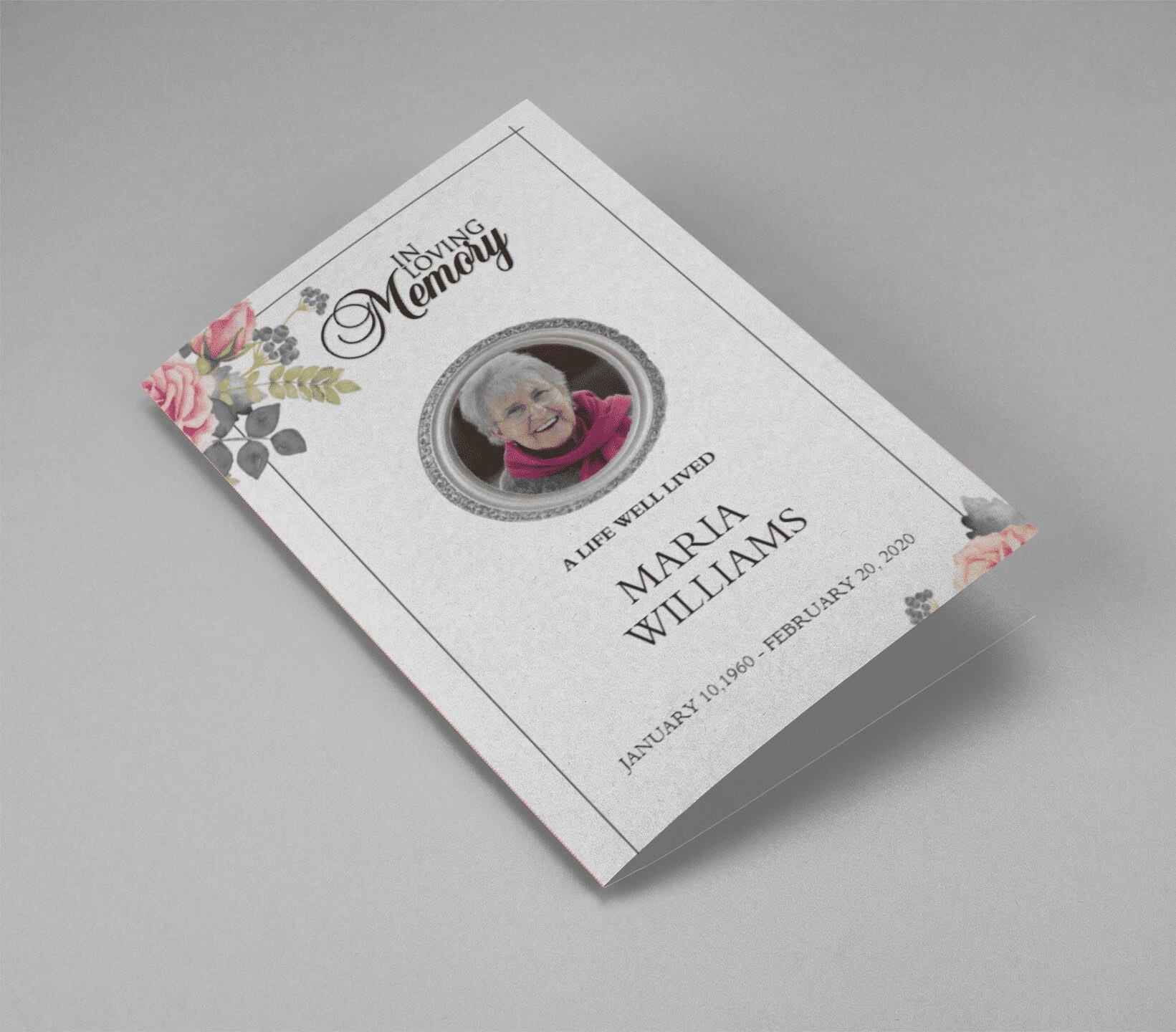
Example of an obituary for a mother template

Why Funeral Planning Matters

Planning a funeral is more than just organizing an event; it’s about creating a meaningful tribute to a loved one. Understanding the essentials of funeral planning can alleviate stress during such a difficult time. By taking the time to plan, you can ensure that the service reflects the personality and wishes of the deceased.

Key Considerations in Funeral Planning

  • Budget: Set a financial limit to guide your decisions.
  • Type of Service: Choose between a traditional service, a memorial, or a celebration of life.
  • Location: Decide where the service will be held—at a funeral home, church, or another venue.
  • Personal Touches: Incorporate unique elements such as music, readings, and personal mementos.

Creating Meaningful Memorials

Obituaries play a critical role in the grieving process. They provide an opportunity for families to express their love and share the legacy of their loved ones. Check out our guide on creating meaningful memorials to learn how to write an obituary that honors a life well-lived.

Understanding the Logistics

As you navigate through planning, it’s essential to understand the various logistical aspects involved. From choosing a casket to coordinating transportation, navigating funeral planning can be overwhelming. Here are some logistics to consider:

  1. Casket and Urn Selection
  2. Transportation Arrangements
  3. Legal Requirements
  4. Death Certificates

Support Resources

During this challenging time, it’s important to seek support. Many resources are available to help families cope with grief and the complexities of planning a funeral. For a comprehensive understanding, explore our article on navigating the complexities of funeral planning.

Final Thoughts on Funeral Planning

While planning a funeral can be a daunting task, it is also an opportunity to celebrate a life and create lasting memories. By approaching the process with care and thoughtfulness, you can ensure that the wishes of your loved one are honored and that family and friends come together in a meaningful way.

Sample Obituary Templates

Navigating the Complexities of Funeral Planning

Example of an obituary for a mother

Understanding Funeral Planning

Planning a funeral can often feel like an overwhelming task, especially when faced with the emotional weight of loss. It’s essential to approach this process with care and consideration. For many, understanding the essentials of funeral planning is the first step toward making informed decisions during a difficult time. To gain a deeper insight into this topic, you may want to explore our article on Understanding the Essentials of Funeral Planning.

Why is Funeral Planning Important?

  • Honoring Loved Ones: A well-planned funeral honors the life of the deceased.
  • Reducing Stress: Planning in advance can alleviate the stress on family members.
  • Personalization: Allows for the incorporation of unique elements that reflect the personality of the deceased.

The Role of Obituaries

Obituaries play a significant role in commemorating a loved one’s life. They serve as a final tribute, encapsulating key achievements and memories. Understanding how to craft meaningful obituaries can greatly enhance the memorial experience. For guidance on this, consider reading Creating Meaningful Memorials: A Guide to Obituaries and Poetry.

Elements of a Good Obituary

  • Full Name: Include the full name of the deceased.
  • Birth and Death Dates: Clearly state these dates for clarity.
  • Life Achievements: Highlight significant accomplishments and contributions.
  • Family Information: Share details about surviving family members.

Essential Insights for Funeral Planning

Navigating the complexities of funeral planning involves making several critical decisions. From selecting a venue to choosing a casket, every choice holds significance. For more in-depth insights, explore our comprehensive guide on Navigating Funeral Planning: Essential Insights and Guidance.

Key Considerations in Planning

  • Budget: Establish a budget that aligns with your financial situation.
  • Funeral Type: Decide between burial, cremation, or alternative options.
  • Venue: Choose a location that reflects the personality of the deceased.

The Importance of Personalization

One of the most meaningful aspects of funeral planning is personalization. Tailoring the service to reflect the unique life of the deceased can foster healing for those left behind. To learn more about creating a personalized experience, check out our article on The Essential Guide to Funeral Planning and Obituaries.

Ways to Personalize a Funeral

  • Favorite Music: Include songs that were meaningful to the deceased.
  • Photo Displays: Create a slideshow or display of cherished memories.
  • Special Readings: Incorporate poetry or quotes that resonate with the family.

Final Thoughts on Funeral Planning

Funeral planning is a profound responsibility that brings together emotion and logistics. By understanding the significance of each aspect, families can navigate this path with compassion and intention. For a deeper dive into all facets of funeral planning, visit our Comprehensive Guide to Funeral Planning and Obituaries.

sample obituary examples

Understanding the Essentials of Funeral Planning

Example of an obituary for a mother

The Importance of Funeral Planning

Planning a funeral is not just about the logistics; it’s a way to honor and celebrate the life of a loved one. Understanding the various aspects of funeral planning can help you navigate this difficult time with more clarity and peace of mind.

Steps to Consider When Planning a Funeral

  • Choose a Funeral Home: Selecting a reputable funeral home is critical. Look for one that aligns with your values and budget.
  • Decide on the Type of Service: Will it be a traditional service, a memorial service, or a celebration of life? Each type has its own unique elements.
  • Plan the Details: Consider the location, music, and speakers. Personal touches can make the service more meaningful.
  • Budgeting: Be sure to understand the costs involved. Check out our Essential Guide to Compassionate Funeral Planning for tips on managing expenses.

Emotional Support During Planning

The process of planning a funeral can be emotionally taxing. It’s essential to surround yourself with supportive friends and family who can help you through this time. Additionally, consider seeking professional support if you feel overwhelmed.

Utilizing Resources for Funeral Planning

There are numerous resources available to help you with funeral planning. For a comprehensive overview, check our Comprehensive Guide to Understanding Funeral Planning. This guide covers everything you need to know, from legal requirements to personal choices.

Incorporating Personal Touches

Adding personal elements to a funeral can create a lasting memory. Consider incorporating:

  • Favorite Music: Songs that were meaningful to the deceased can enhance the atmosphere.
  • Photos and Videos: A slideshow can tell the story of their life and achievements.
  • Personal Tributes: Encourage guests to share their memories during the service.

Spiritual Aspects

Many people find comfort in spiritual readings or rituals during funerals. If you’re looking for comforting words, our article on Comforting Psalms for Funeral Services may provide solace and inspiration.

Legal Considerations

Don’t forget to address the legal aspects of funeral planning. This includes obtaining a death certificate, considering burial or cremation permits, and understanding your rights and responsibilities. Our Essential Guide to Navigating Funeral Planning can guide you through these necessary steps.

After the Funeral

Once the funeral has taken place, there are still steps to follow. Think about sending thank-you notes to attendees and considering how you’ll memorialize your loved one moving forward. This could involve establishing a memorial fund or planting a tree in their memory.

Creating Meaningful Memorials: A Guide to Obituaries and Poetry

Example of an obituary for a mother

Understanding the Importance of Obituaries

Obituaries serve as a final tribute to our loved ones, encapsulating their life achievements, character, and the impact they had on those around them. Crafting an obituary can seem daunting, but it’s a significant part of the grieving process and can help bring closure to family and friends.

Finding the Right Words

When writing an obituary, it’s essential to convey the essence of the individual. Here are some tips to consider:

  • Include Basic Information: Name, date of birth, and date of passing.
  • Life Achievements: Highlight key moments in their life, including education, career, and passions.
  • Family: Mention surviving family members and loved ones.
  • Personal Touch: Share anecdotes or quotes that reflect their personality.

Use Our Templates

To ease the process, consider using obituary templates. These resources provide structured formats that can inspire you while allowing for personalization.

Poetry as a Means of Expression

In addition to obituaries, poetry can also be a powerful way to express grief and honor your loved ones. Here are a few types of poems you might consider:

Planning a Meaningful Service

Funeral planning involves many decisions that can reflect your loved one’s personality and wishes. The Essential Guide to Funeral Planning and Obituaries offers comprehensive guidance on how to navigate this process effectively.

Final Thoughts on Memorializing Loved Ones

Creating a memorial is a personal journey and can be tailored to fit your loved one’s unique story. By utilizing the right tools and resources, such as obituary templates and poetry, you can create a meaningful tribute that resonates with family and friends. Embrace the process of remembrance and allow it to foster healing during difficult times.

sample obituary examples

Navigating Funeral Planning: Essential Insights and Guidance

Obituary Template Example

Understanding Funeral Planning

Planning a funeral can be an emotional and overwhelming task. It involves various decisions that can be difficult during a time of grief. This comprehensive guide to funeral planning and obituaries provides actionable insights to help you navigate this challenging process with compassion and care.

The Role of Music in Funerals

Music plays a vital role in the memorialization of your loved one. It offers comfort and allows attendees to express their emotions. If you’re considering music for the service, explore our selection of R&B songs for a funeral that can create a heartfelt tribute.

Significance of Obituaries

Writing an obituary is an essential part of honoring a loved one’s life. It serves as a public acknowledgment of their passing and celebrates their achievements and character. For more information on crafting a meaningful tribute, check out our understanding the importance of obituaries article, which offers tips and examples.

Steps to Create a Meaningful Obituary

If you’re tasked with writing an obituary, our step-by-step guide can help you articulate your thoughts and capture the essence of your loved one’s life. This guide provides a structured approach to ensure that you include all necessary details while conveying your heartfelt sentiments.

Crafting a Thoughtful Funeral Experience

Creating a memorable funeral experience is about more than just logistics; it’s about reflecting the personality and values of the deceased. You can start by considering their favorite activities, passions, and what would make the service truly special. For in-depth strategies, our article on crafting a thoughtful funeral experience is an excellent resource.

Comprehensive Guide to Funeral Planning

For those looking to understand the entire process of planning a funeral, our understanding funeral planning guide is invaluable. It covers everything from choosing a funeral home to selecting burial or cremation options, helping you make informed decisions during a difficult time.

Final Thoughts

While the process of planning a funeral can be daunting, remember that you are not alone. Utilizing available resources, such as our articles, can provide clarity and support. Each decision you make is a step toward honoring your loved one’s memory.

Funeral Program Template Online

The Essential Guide to Funeral Planning and Obituaries

Obituary Template

Understanding the Importance of Funeral Planning

Funeral planning is a significant responsibility that often comes at a difficult time. It involves numerous decisions that reflect the wishes of the deceased and the needs of the family. Having a clear understanding of the significance of funeral planning can aid families in making thoughtful choices during this emotional period.

Key Components of Funeral Planning

  • Choosing a Service Type: Decide between burial, cremation, or a memorial service.
  • Setting a Budget: Consider the costs associated with different services and products.
  • Personalization: Incorporate elements that reflect the personality and life of the deceased.

The Role of Obituaries

Writing an obituary is an important way to honor a loved one. It serves as a public notice of their passing and provides information about the funeral arrangements. For further insights, check out our article on the importance of obituaries.

Essential Elements of an Obituary

  • Full Name: Include their full name, including any nicknames.
  • Date of Birth: Mention their birth date and place.
  • Date of Passing: Clearly state the date and cause of death, if appropriate.
  • Life Achievements: Highlight their accomplishments and contributions.
  • Funeral Details: Provide information about the services and any memorial gatherings.

Finding Comfort in Difficult Times

During these challenging moments, many people seek solace in spiritual guidance. Our article on death verses in the Bible can provide comfort and reflection, reminding us of the hope and peace that can be found even in sorrow.

Funeral Poems as Farewell Tributes

Additionally, funeral poems can serve as a heartfelt way to say goodbye. They encapsulate emotions in a manner that resonates deeply with attendees. Explore our collection of funeral poems to say goodbye for inspiration on how to express your sentiments.

Navigating the Planning Process

To assist families during the planning phase, consider reading our comprehensive guide on navigating the funeral planning process. This resource outlines essential steps to take, providing a sense of direction when needed most.

Conclusion

While we refrain from concluding this guide, the resources mentioned above serve to support you through the intricate process of planning a funeral and crafting a meaningful obituary.

Understanding the Significance of Funeral Planning

Obituary Example

The Importance of Funeral Planning

Planning a funeral can be an overwhelming process, especially when it’s done during a time of grief. However, it’s a crucial step in honoring and remembering the life of a loved one. Understanding funeral planning helps families make informed decisions that reflect their loved one’s wishes.

Key Elements of a Thoughtful Funeral

When planning a funeral, consider the following aspects:

  • Personalization: Incorporating elements that reflect the deceased’s personality and passions.
  • Location: Choosing a venue that is meaningful, whether it’s a chapel or a favorite park.
  • Memorial Items: Utilizing items like memory collages to celebrate their life.

Understanding Obituaries

Writing an obituary is a significant part of the funeral process. It serves as a tribute to the deceased, sharing their life story with family and friends. A well-crafted obituary can be a comforting way to inform others of the passing and details of the service. For a detailed guide, check out our post on creating a meaningful obituary.

Navigating the Funeral Planning Process

It’s essential to approach the funeral planning process with care. Emotions can run high, and many decisions must be made quickly. Our guide on navigating this process provides valuable insights and tips to make this difficult time a little easier.

Crafting a Thoughtful Experience

Success in planning a funeral lies in the details. Ensuring that every aspect honors the deceased will lead to a more meaningful experience for everyone involved. Our article on crafting a thoughtful funeral experience delves into how to create memorable tributes that resonate with attendees.

The Role of Memory Collages

A memory collage can be a beautiful addition to a funeral service, offering a visual celebration of a loved one’s life. It allows family and friends to reflect on cherished memories and shared experiences. For guidance on creating a heartfelt memory collage, see our article on creating a heartfelt memory collage for a loved one.

Top Free Funeral Program Templates for Every Service Style

Comprehensive Guide to Funeral Planning and Obituaries

Example of an obituary for a mother

Understanding Funeral Planning

Planning a funeral is a significant step in honoring a loved one’s life. It involves delicate decisions that require compassion and understanding. At QuickFuneral LLC, we strive to provide the necessary support during this challenging time.

Key Elements of Funeral Planning

  • Choosing a Location: The venue for the ceremony can greatly impact the atmosphere. Consider whether to hold it at a funeral home, church, or another meaningful location.
  • Setting a Budget: Establishing a budget is crucial. It helps to understand the costs involved in various aspects of the funeral.
  • Selecting a Casket or Urn: This choice can vary depending on personal or religious preferences.
  • Funeral Service Details: Personal touches, such as music selections, can create a meaningful experience. You might consider choosing a happy song for a funeral to celebrate life.

Creating an Obituary

Writing an obituary is an essential part of the planning process. It allows family and friends to remember the deceased in a special way. For assistance, visit our obituary template page for guidance on crafting a heartfelt tribute.

Navigating the Emotional Landscape

Funeral planning can be emotionally overwhelming. It’s important to allow yourself time to grieve while making these arrangements. Consider reaching out for support, whether through family, friends, or professionals.

Essential Tips for Effective Planning

Here are some essential tips to help navigate the complexities of funeral planning:

  • Communicate Openly: Discuss preferences and expectations with family members to ensure everyone is on the same page.
  • Research Options: Take time to explore different options for services, caskets, and urns. Understanding your choices can ease stress.
  • Consider Pre-Planning: If you are thinking ahead, understanding the essentials of funeral planning can help you make informed decisions.

The Role of Obituaries in the Healing Process

Obituaries serve a dual purpose: they inform the community about a passing and provide an opportunity for the family to reflect on their loved one’s life. Including personal anecdotes and favorite memories can make the obituary a cherished keepsake.

Additional Resources for Funeral Planning

For further insights, explore our article on navigating the journey of funeral planning with compassion. This guide offers valuable information to help ease the process during such a difficult time.

Ultimately, each funeral is unique, reflecting the individual it honors. By understanding the essential elements and accessing helpful resources, you can create a meaningful farewell that celebrates the life of your loved one.

fall card

Understanding the Importance of Obituaries and Funeral Planning

Example of an Obituary for a Mother Template

The Significance of an Obituary

Writing an obituary is not just a formality; it is a heartfelt tribute that honors the life of a loved one. It serves to inform the community about their passing and celebrate their life achievements. For a detailed guide on crafting a meaningful obituary, refer to our step-by-step guide.

Key Elements of an Obituary

  • Full name: Include the full name of the deceased, including nicknames.
  • Date of birth and death: Clearly state these important dates.
  • Life achievements: Highlight significant life events, such as education, career, and hobbies.
  • Surviving family members: Mention family members who are still living.
  • Funeral service details: Provide information about the services and any memorials.

Navigating the Funeral Planning Process

Planning a funeral can be a daunting task, especially when emotions run high. It is essential to approach this process with care and compassion. For a deeper understanding, check our resource on navigating the funeral planning process.

Steps to Consider When Planning a Funeral

  1. Choose a funeral home: Research and select a funeral home that meets your needs and budget.
  2. Discuss preferences: Talk with family members about the deceased’s wishes regarding the service and burial.
  3. Set a budget: Determine a budget that includes all aspects of the funeral.
  4. Plan the service: Decide on the type of service, readings, music, and speakers.
  5. Coordinate logistics: Handle transportation, floral arrangements, and catering, if necessary.

Emotional Considerations During Funeral Planning

Loss can bring about a myriad of emotions. Understanding these feelings is vital for those involved in the planning process. Our article on navigating the emotional journey of funeral planning offers insights into managing grief and stress during this challenging time.

Ways to Cope with Emotions

  • Seek support: Don’t hesitate to lean on friends and family for emotional support.
  • Take breaks: Allow yourself time to grieve and take breaks from planning.
  • Professional help: Consider talking to a counselor or therapist if needed.

Crafting a Thoughtful Experience

Creating a meaningful funeral experience can help in the healing process. For inspiration, read about crafting a thoughtful funeral experience that honors the deceased while providing comfort to attendees.

Considerations for a Thoughtful Funeral

  • Personal touches: Include elements that reflect the deceased’s personality, such as favorite songs or decor.
  • Engagement: Encourage sharing of stories and memories during the service.
  • Inclusivity: Ensure that all family members and friends can participate in the planning and service.
funeral program template

Navigating the Funeral Planning Process with Care

Example of an obituary for a mother

Navigating the Funeral Planning Process with Care

Planning a funeral is a profound responsibility that often emerges during one of life’s most challenging moments. It is crucial to approach this task with sensitivity and care, ensuring that the wishes of the deceased and the needs of the family are honored. This guide will provide you with essential insights into effective funeral planning, making the process a little less daunting.

Understanding the Essentials of Funeral Planning

At its core, funeral planning involves several key elements. Here’s a breakdown of what you need to consider:

  • Choosing the Type of Service: Decide whether you want a traditional service, a memorial, or a celebration of life.
  • Budget Considerations: Understand the costs involved and create a budget that aligns with your financial situation.
  • Location Selection: Choose a venue that is meaningful, whether it’s a funeral home, church, or outdoor space.
  • Personal Touches: Incorporate elements that reflect the personality and preferences of the deceased, such as favorite music, readings, and photos.

Navigating the Emotional Journey of Funeral Planning

The emotional toll of losing a loved one can be overwhelming. It is essential to consider the emotional journey you and your family will experience throughout this process. Here are some tips on managing these emotions:

  • Seek Support: Lean on friends, family, or a support group. Sharing your feelings can help ease the burden.
  • Take Breaks: Allow yourself time to grieve and process emotions, stepping away from planning when necessary.
  • Communicate Openly: Ensure all family members are on the same page regarding decisions to avoid conflict.

Crafting a Thoughtful Funeral Experience

To create a truly meaningful experience, consider how to personalize the service. Here are some ideas:

  • Incorporate Personal Stories: Share anecdotes that highlight the deceased’s impact on others.
  • Display Memorabilia: Set up a display of cherished items that represent their life.
  • Engage in Rituals: Include cultural or religious practices that were significant to the deceased.

Creating a Meaningful Obituary

A well-crafted obituary is a beautiful tribute to your loved one. Follow this step-by-step guide to ensure you capture their essence:

  1. Start with Basic Information: Include their full name, age, and date of passing.
  2. Highlight Key Life Events: Mention education, career, and significant life milestones.
  3. Personalize the Message: Add personal touches that reflect their character and passions.
  4. Include Service Details: Provide information about the funeral service arrangements.

Understanding Funeral Planning: A Comprehensive Guide

For a deeper dive into the logistics involved, refer to our comprehensive guide. This resource covers everything from legal requirements to selecting funeral providers, ensuring you have all the necessary information at your fingertips.

Back to Top
Product has been added to your cart
Compare (0)