
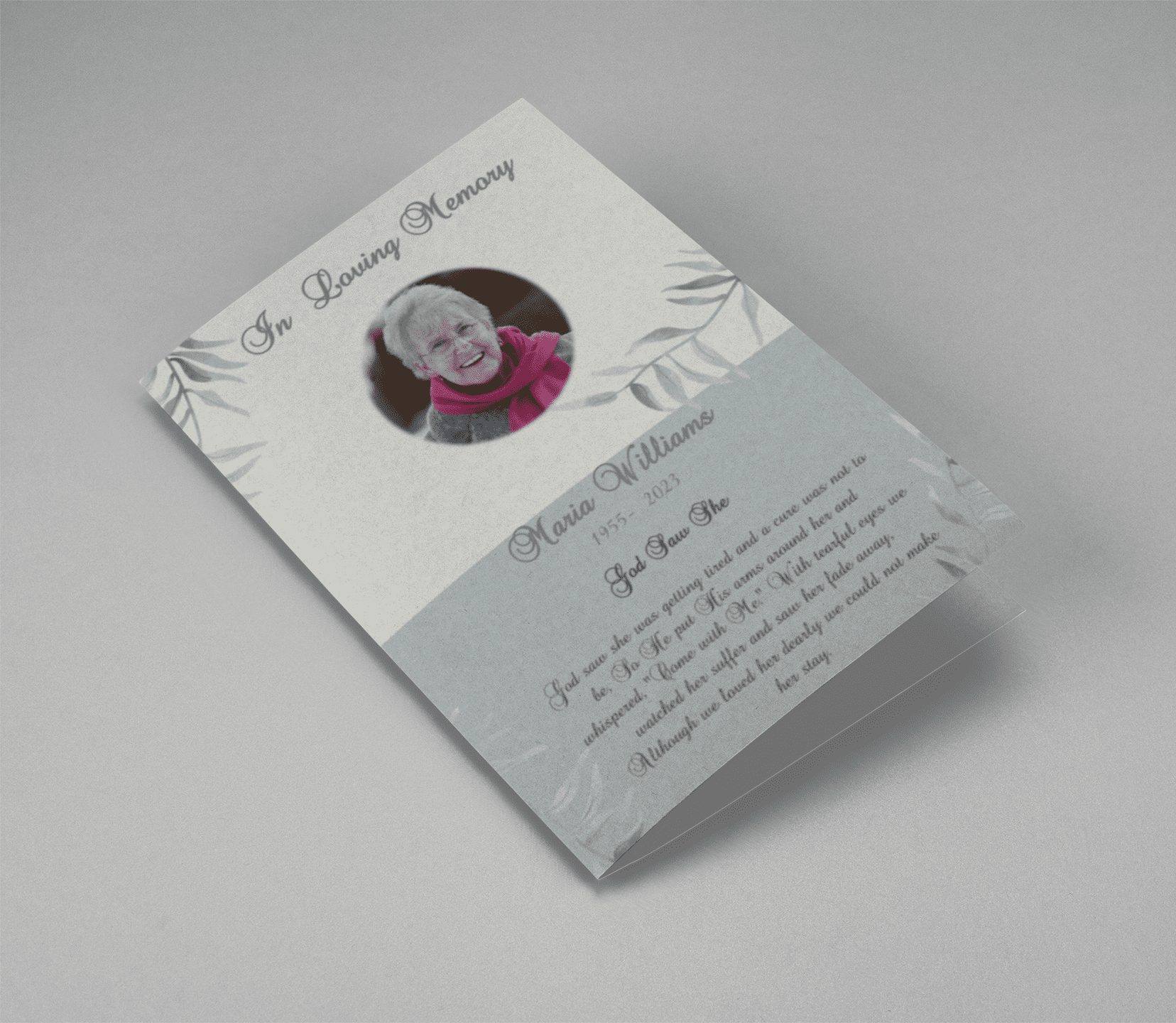
Understanding the Importance of Obituaries and Funeral Planning

The Significance of an Obituary
Writing an obituary is not just a formality; it is a heartfelt tribute that honors the life of a loved one. It serves to inform the community about their passing and celebrate their life achievements. For a detailed guide on crafting a meaningful obituary, refer to our step-by-step guide.
Key Elements of an Obituary
- Full name: Include the full name of the deceased, including nicknames.
- Date of birth and death: Clearly state these important dates.
- Life achievements: Highlight significant life events, such as education, career, and hobbies.
- Surviving family members: Mention family members who are still living.
- Funeral service details: Provide information about the services and any memorials.
Navigating the Funeral Planning Process
Planning a funeral can be a daunting task, especially when emotions run high. It is essential to approach this process with care and compassion. For a deeper understanding, check our resource on navigating the funeral planning process.
Steps to Consider When Planning a Funeral
- Choose a funeral home: Research and select a funeral home that meets your needs and budget.
- Discuss preferences: Talk with family members about the deceased’s wishes regarding the service and burial.
- Set a budget: Determine a budget that includes all aspects of the funeral.
- Plan the service: Decide on the type of service, readings, music, and speakers.
- Coordinate logistics: Handle transportation, floral arrangements, and catering, if necessary.
Emotional Considerations During Funeral Planning
Loss can bring about a myriad of emotions. Understanding these feelings is vital for those involved in the planning process. Our article on navigating the emotional journey of funeral planning offers insights into managing grief and stress during this challenging time.
Ways to Cope with Emotions
- Seek support: Don’t hesitate to lean on friends and family for emotional support.
- Take breaks: Allow yourself time to grieve and take breaks from planning.
- Professional help: Consider talking to a counselor or therapist if needed.
Crafting a Thoughtful Experience
Creating a meaningful funeral experience can help in the healing process. For inspiration, read about crafting a thoughtful funeral experience that honors the deceased while providing comfort to attendees.
Considerations for a Thoughtful Funeral
- Personal touches: Include elements that reflect the deceased’s personality, such as favorite songs or decor.
- Engagement: Encourage sharing of stories and memories during the service.
- Inclusivity: Ensure that all family members and friends can participate in the planning and service.