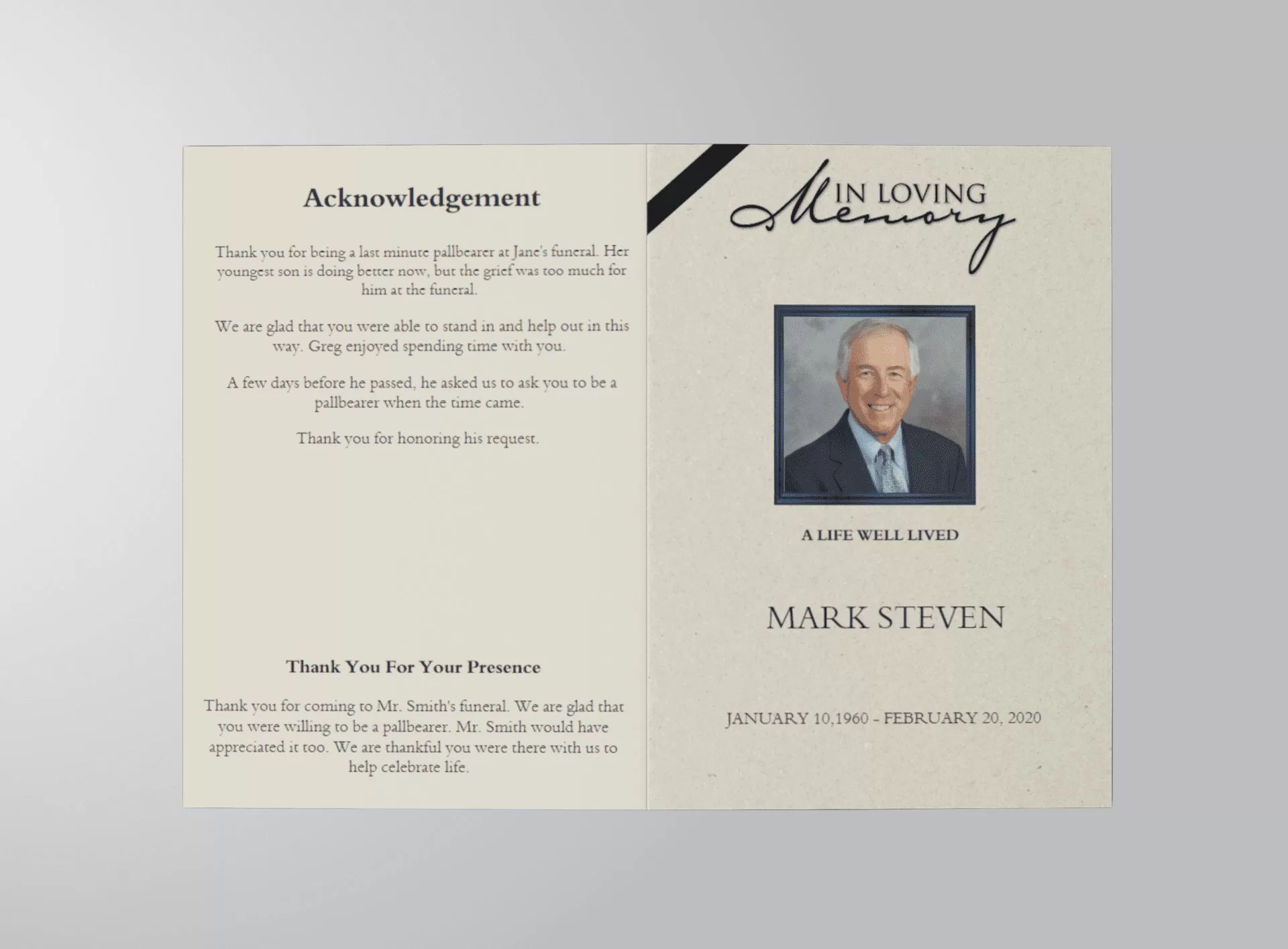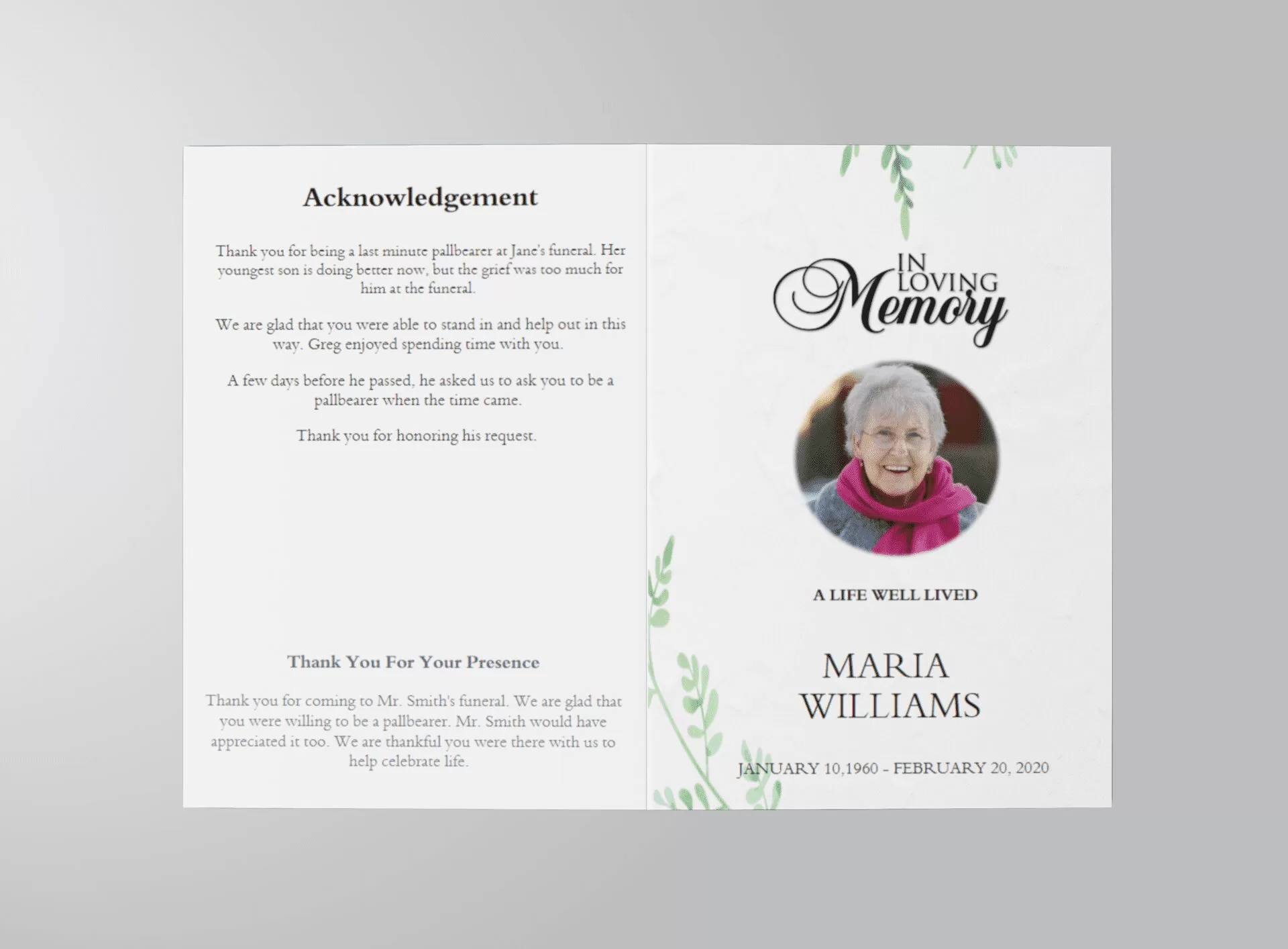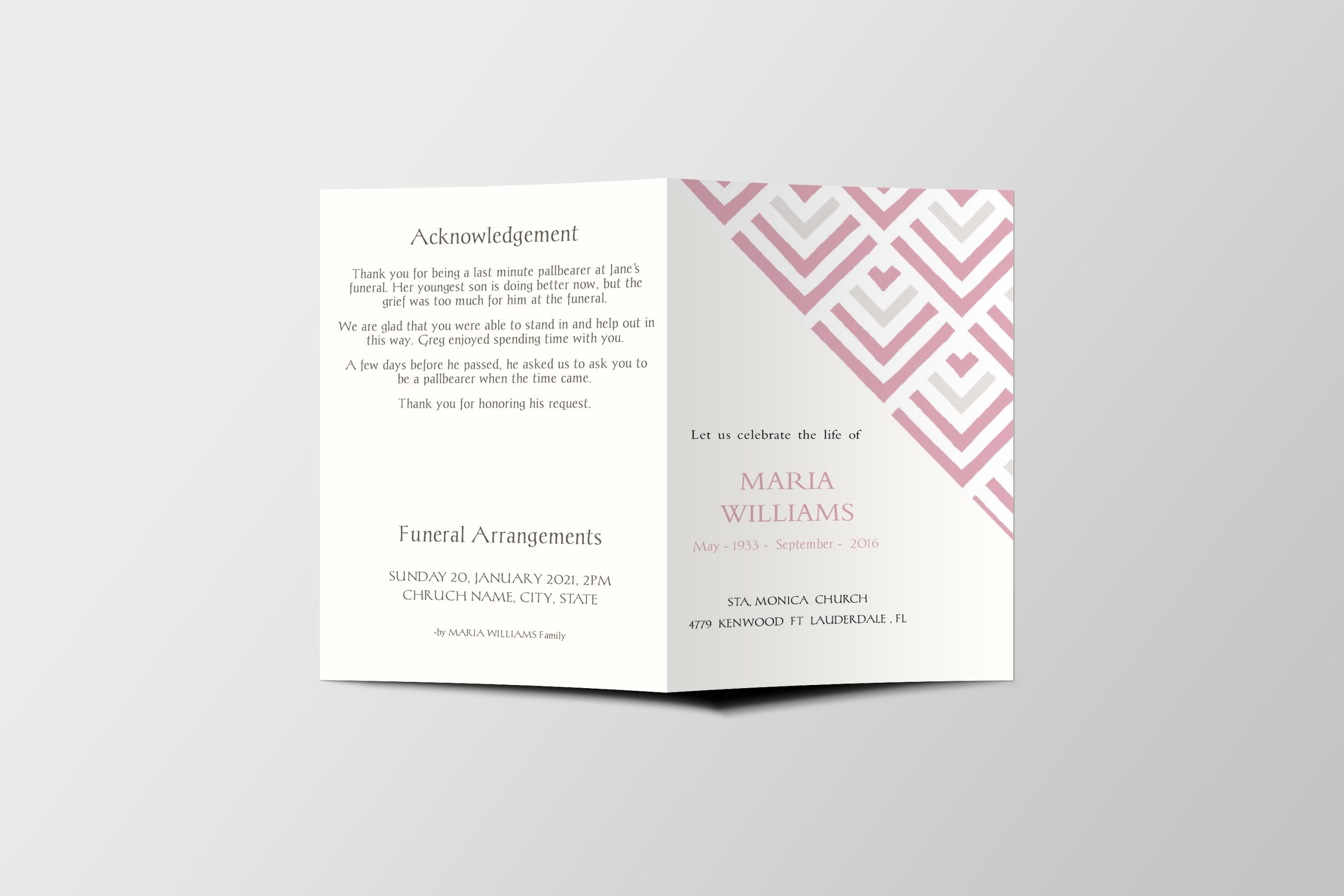
Sample Obituary Templates

Understanding Funeral Planning: Your Comprehensive Guide

Obituary Template

Introduction to Funeral Planning

When faced with the loss of a loved one, the journey of funeral planning can feel overwhelming. It is essential to understand the various components involved in this process to ensure a meaningful farewell that honors the deceased. This guide aims to help you navigate through the complexities of funeral planning with compassion and clarity.

Understanding the Importance of Funeral Planning

Planning a funeral is not just about logistics; it is also about providing support to grieving families. According to our Understanding Funeral Planning and Its Importance resource, having a structured plan can alleviate stress during an emotionally charged time. Here are some key aspects of why planning is crucial:

  • Emotional Relief: Having a plan can reduce the emotional burden on family members.
  • Personalization: It allows you to personalize the service to reflect the deceased’s life and values.
  • Financial Considerations: Proper planning can help manage costs effectively and avoid unnecessary expenses.

Key Components of Funeral Planning

When organizing a funeral, several key elements must be taken into account:

  1. Choosing a Funeral Home: Selecting a funeral home that aligns with your family’s needs is a pivotal step.
  2. Deciding on Service Type: Determine whether a traditional burial, cremation, or a memorial service fits best.
  3. Obituary Writing: Writing an obituary can be a meaningful tribute. Explore our Understanding Funeral Planning and Obituaries page for guidance on this task.
  4. Planning the Ceremony: Personal touches, such as music selections and readings, can be incorporated to honor the deceased.

Incorporating Spiritual Elements

For many, spirituality can play a significant role in the grieving process. Our Comforting Bible Scriptures for Funerals and Memorial Services provides a selection of verses that can be included in the service, offering solace to those in attendance. Here are a few options:

  • Psalm 23:4 – “Even though I walk through the darkest valley, I will fear no evil, for you are with me.”
  • John 14:1-2 – “Do not let your hearts be troubled. You believe in God; believe also in me.”

Support Resources for Grieving Families

Grieving is a personal journey, and support during this time is invaluable. Consider resources that aid in emotional healing. Our article on Understanding Funeral Planning and Grief Support outlines various avenues for support, such as:

  • Support groups for shared experiences.
  • Professional counseling services.
  • Online resources and forums for grief support.

Conclusion

Planning a funeral can be a daunting task, but with the right resources and support, families can navigate this journey with compassion. Whether you are looking for spiritual guidance or practical tips, understanding the elements of funeral planning will help you honor your loved one meaningfully.

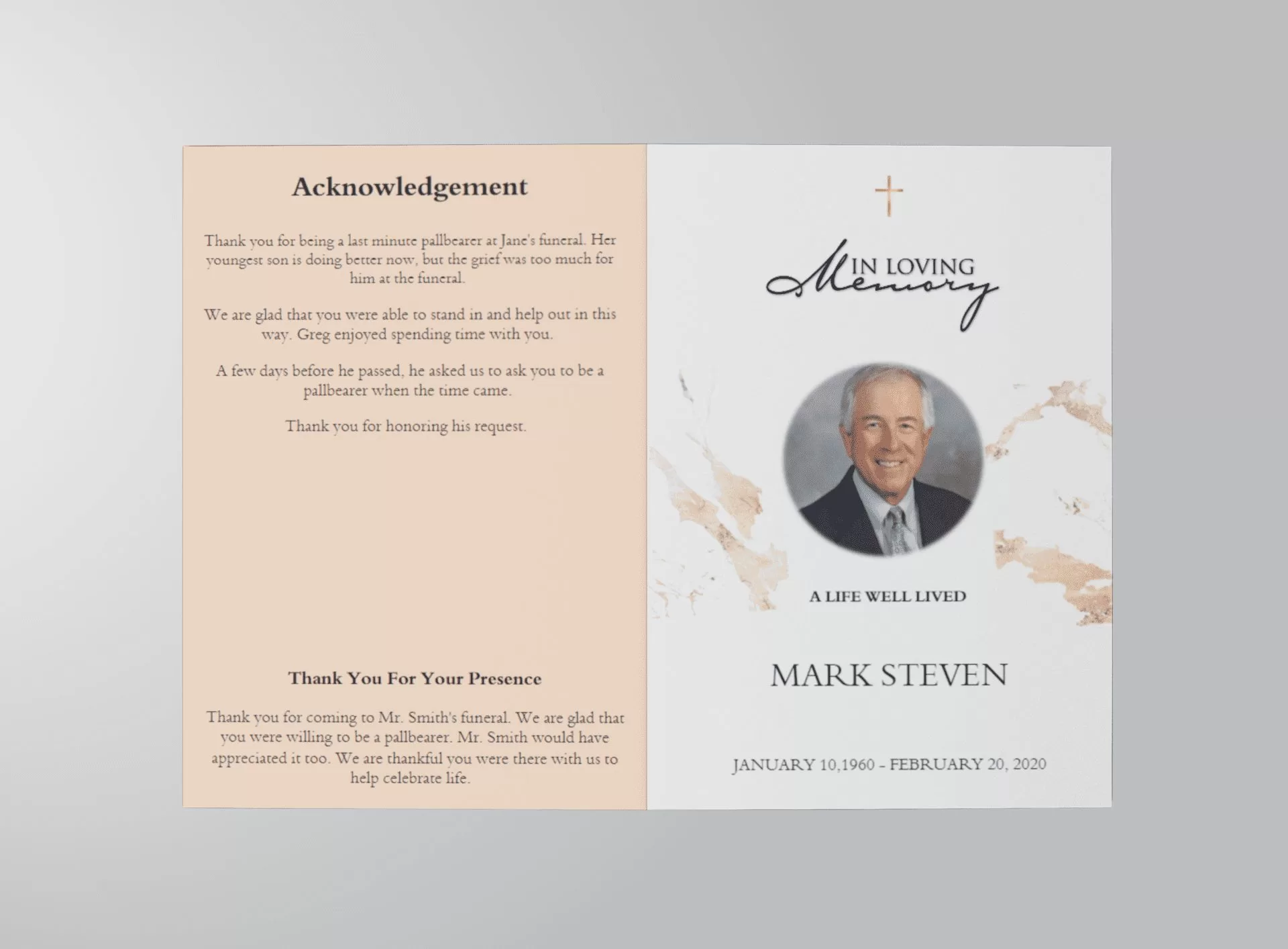
Top Free Funeral Program Templates for Every Service Style

Understanding Funeral Planning and Obituaries

Example of an obituary template

Grieving and Planning: A Delicate Balance

The loss of a loved one is an emotional and challenging time. During this period, families often face the daunting task of planning a funeral. Understanding the essentials of funeral planning can provide clarity and support.

Creating an Obituary

One of the first steps in honoring a loved one is to create an obituary. An obituary serves as a tribute, detailing the life and achievements of the deceased. To assist you, check out our sample obituary for funeral programs, which provides a structured approach to crafting a meaningful obituary.

Key Components of an Obituary

  • Name: Full name of the deceased.
  • Date of Birth and Death: Important dates that mark their life.
  • Life Story: A brief narrative of their life, including achievements and passions.
  • Service Details: Information regarding the funeral service and burial.
  • Survived By: Names of family members and loved ones.

Navigating Funeral Planning

Funeral planning can be overwhelming. It’s essential to approach this process with compassion and clarity. Our guide on navigating funeral planning offers valuable insights to help families make informed decisions during this difficult time.

Essential Elements of Funeral Planning

When planning a funeral, consider the following elements:

  • Choosing a Funeral Home: Research and select a reputable funeral home that aligns with your family’s needs.
  • Service Type: Decide whether to have a traditional service, memorial service, or a celebration of life.
  • Budgeting: Understand the costs involved and plan accordingly.
  • Personal Touch: Incorporate elements that reflect the personality and wishes of the deceased.

Understanding the Complexities

Planning a funeral involves numerous decisions that can be complex. Our article on navigating the complexities of funeral planning breaks down this process, providing clarity and direction to grieving families.

A Comprehensive Guide to Support Families

For those seeking a thorough understanding of the funeral planning process, our comprehensive guide to funeral planning covers all necessary aspects, ensuring families feel supported and informed every step of the way.

Conclusion

Remember, the goal of both obituary writing and funeral planning is to honor and celebrate the life of your loved one. By utilizing available resources, you can navigate this challenging time with confidence and grace.

How to Write a Funeral Program Obituary

Understanding the Essentials of Funeral Planning

Obituary Template

Funeral Planning: A Compassionate Approach

When faced with the loss of a loved one, navigating the complexities of funeral planning can be overwhelming. It’s essential to approach this sensitive process with care and clarity. Understanding the emotional toll involved is critical, as it allows for a more compassionate approach to each decision made during this challenging time.

Key Elements of Funeral Planning

Funeral planning involves several important elements that need to be considered. Here are some essential components:

  • Choosing a Funeral Home: Research and select a funeral home that aligns with your family’s needs and values.
  • Deciding on Services: Determine whether you will have a burial, cremation, or another type of service.
  • Planning the Ceremony: Consider the type of service, speakers, music, and any personal touches that honor your loved one.
  • Creating a Funeral Leaflet: A well-designed leaflet can serve as a beautiful keepsake. For inspiration, check out our guide on creating a meaningful funeral leaflet.

Navigating the Complexities

To further assist you, it’s beneficial to delve into the various aspects of funeral planning. Our comprehensive guide, A Comprehensive Guide to Funeral Planning, offers insights on how to tackle these challenges with grace and understanding. It includes practical tips for managing emotional stress while making important arrangements.

Practical Tips for Funeral Planning

Here are some practical tips to help ease the burden of planning:

  • Communicate openly with family members about preferences and budgets.
  • Consider pre-planning options if you are able, as this can alleviate stress for your loved ones.
  • Utilize online resources and templates to simplify the planning process; for example, our Essential Elements of Funeral Planning provides foundational knowledge.

Support During the Process

The emotional burden of losing a loved one should not be carried alone. Seek support from family, friends, or professional counselors. Remember, it’s okay to lean on others during this time.

As you navigate through the intricate details of planning, remember that you are not alone; many have walked this path and found ways to honor their loved ones beautifully. For additional guidance, explore Navigating the Journey of Funeral Planning with Compassion to gain further insights into managing both the logistics and emotional aspects of the process.

Funeral Program Template Online

Navigating Funeral Planning with Compassion and Clarity

Example of an obituary for a mother template

Navigating Funeral Planning with Compassion and Clarity

Dealing with the death of a loved one is never easy. The emotional toll can be overwhelming, and amidst the grief, the responsibilities of planning a funeral can feel daunting. Understanding the essential elements of funeral planning can provide some clarity and compassion during this difficult time. At QuickFuneral, we are here to guide you through this process.

Understanding Funeral Planning

Funeral planning involves several key components that need to be addressed. It is essential to approach this process with knowledge and care to ensure that you honor your loved one’s memory appropriately.

Key Components of Funeral Planning

  • Choosing the Type of Service: Decide whether you want a traditional service, a memorial service, or a celebration of life.
  • Location and Venue: Consider where you would like the service to take place, whether at a funeral home, church, or another location.
  • Budget Planning: Establish a budget to manage expenses while ensuring that all necessary arrangements are made.
  • Obituary and Announcement: Crafting a thoughtful obituary is important for honoring the deceased and informing the community.

For a deeper dive into these components, check out our Essential Elements of Funeral Planning guide.

Preparing for the Service

The preparation phase can sometimes feel overwhelming. Here are some steps to simplify the process:

  1. Gather Information: Collect necessary documents and personal details about the deceased.
  2. Select a Funeral Director: A qualified professional can help streamline the planning process and provide valuable assistance.
  3. Personalization: Think about how you would like to personalize the service, including music, readings, and displays.

For more insights on handling the logistics of planning, read our article on Navigating the Complexities of Funeral Planning.

Support and Resources

During this challenging time, emotional support is crucial. Many families find solace in community support groups or counseling services. Additionally, you can refer to our Comprehensive Guide to Funeral Planning for helpful tips and resources.

After the Service: What’s Next?

Once the funeral service has concluded, there are still several important steps to take:

  • Thank You Notes: Sending thank you notes to those who offered support can help express your gratitude.
  • Final Arrangements: Ensure that all final arrangements, such as burial or cremation, are carried out as per the wishes of your loved one.
  • Grief Support: Consider seeking grief counseling or support groups to help navigate the emotions that follow a loss.

Planning a funeral doesn’t have to be a solitary journey. Our article on Navigating the Journey of Funeral Planning with Compassion offers additional support and resources.

Catholic Funeral Program Example PDF (Free Editable Template)

Navigating the Complexities of Funeral Planning

Example of an obituary for a mother template

Navigating the Complexities of Funeral Planning

When a loved one passes, the weight of grief can be overwhelming. Coupled with this emotional burden is the task of planning a funeral, a process that can seem daunting. At QuickFuneral LLC, we provide resources to simplify this journey for you.

Understanding the Essentials of Funeral Planning

Planning a funeral involves several critical elements. Here are some key components to consider:

  • Choosing a Funeral Home: Research local funeral homes and read reviews to find one that aligns with your family’s needs.
  • Deciding on Burial or Cremation: Consider the deceased’s wishes, family traditions, and financial implications.
  • Planning the Service: Think about the type of service that would best honor your loved one.
  • Documenting Wishes: Ensure that any pre-arranged plans or specific wishes are documented and accessible.

For a deeper understanding of these aspects, refer to our article on Essential Elements of Funeral Planning.

Creating an Obituary

Writing an obituary is a meaningful way to honor the life of the deceased. It serves as a public announcement and a tribute. If you’re not sure where to start, using a template can be incredibly helpful. For an example, check out our obituary template.

Comprehensive Planning Resources

We understand that planning a funeral can feel overwhelming. Our Comprehensive Guide to Funeral Planning provides step-by-step assistance to help you navigate this process. From understanding the financial aspects to selecting meaningful elements for the service, we cover all bases.

Key Steps in the Planning Process:

  1. Gather essential information about the deceased.
  2. Contact family members to discuss their wishes and preferences.
  3. Make arrangements with the chosen funeral home.
  4. Decide on the type of service and any rituals or traditions to include.

For additional insights, visit our guide on Helpful Guide to Understanding Funeral Planning.

Emotional Support and Resources

During this difficult time, emotional support is crucial. Engaging with support groups or seeking counseling can provide comfort. Moreover, our article on Navigating the Journey of Funeral Planning with Compassion explores how to cope with grief while managing funeral arrangements.

Finalizing Arrangements

Once the service is planned, ensure all arrangements are confirmed with the funeral home. This includes details like transportation, flowers, and any memorial contributions. Our resource on Understanding and Navigating Funeral Planning can help you finalize these details without added stress.

Catholic Funeral Program Example PDF (Free Editable Template)

Essential Elements of Funeral Planning

Obituary Template

Understanding Funeral Planning

Planning a funeral is a significant task that often arises during one of the most challenging times in life. The emotional burden of losing a loved one can make this process feel overwhelming. However, with the right resources and guidance, you can navigate this journey with compassion and clarity.

Key Steps in the Funeral Planning Process

When it comes to organizing a funeral, there are several essential steps to consider:

  • Choosing a Funeral Home: Research and select a reputable funeral home that aligns with your family’s needs and budget.
  • Deciding on the Type of Service: Reflect on whether you prefer a traditional service, memorial, or a celebration of life.
  • Creating an Order of Service: An order of service template for the funeral can help outline the schedule, speakers, and elements of the ceremony.
  • Planning Personal Touches: Incorporate personal stories, music, and readings that reflect the life of the deceased.
  • Arranging Transportation: Ensure that transportation is organized for family members and guests.

Emotional Support During Planning

It’s crucial to seek emotional support while planning. Grieving can cloud judgment, and having a support system can help ease the burden:

  • Consider involving family members or close friends to share the load.
  • Seek guidance from professionals, such as funeral directors, who can provide valuable insights.
  • Don’t hesitate to reach out to grief support groups or counselors if needed.

Resources for Effective Funeral Planning

Utilizing available resources can make the planning process smoother. Here are some helpful links:

Final Thoughts on Funeral Planning

While the process of planning a funeral can be daunting, having a structured approach and access to the right resources can significantly ease the burden. Remember to take your time, lean on your support network, and honor the memory of your loved one in a way that feels right for you.

Sample Obituary Templates

A Comprehensive Guide to Funeral Planning

Obituary Template

A Comprehensive Guide to Funeral Planning

Dealing with the loss of a loved one is one of the most challenging experiences in life. As you navigate through this emotional journey, understanding the intricacies of funeral planning can provide some clarity during a difficult time. This guide will help you through the essential aspects of funeral planning, while also offering some creative ideas to honor your loved one’s memory.

Understanding Funeral Planning

When a loved one passes away, the emotional burden can be overwhelming. Understanding funeral planning is crucial, as it involves making decisions that reflect the wishes of the deceased and the needs of the family. Here are some key components to consider:

  • Choosing the Type of Service: Decide between a traditional service, memorial service, or a celebration of life.
  • Location and Venue: Select a location that holds significance, whether it’s a church, funeral home, or outdoor space.
  • Budgeting: Creating a budget is essential. Be sure to consider costs such as the venue, casket, and any additional services.

Creative Ideas for a Meaningful Funeral Service

Planning a funeral service is a deeply personal and significant task. Here are some creative ideas that can help make the service memorable:

  • Personalized Eulogies: Encourage family and friends to share stories and memories.
  • Memory Boards: Create a funeral picture board to display cherished photographs.
  • Music Selection: Choose songs that were meaningful to the deceased for a personal touch.

Navigating the Complexities of Funeral Planning

Understanding the emotional journey of funeral planning can help ease your burden. Here are some tips for navigating through the planning process:

  • Communicate: Openly discuss your plans with family members to ensure everyone is on the same page.
  • Seek Professional Help: Don’t hesitate to reach out to funeral directors for guidance and support.
  • Take Your Time: If possible, take your time to make decisions. Rushed choices can lead to regrets later.

The Importance of Thoughtful Funeral Planning

Planning a funeral is not just about logistics; it’s about honoring the life of the deceased. Thoughtful funeral planning allows you to reflect on your loved one’s life and create a service that celebrates their legacy. Here are some key considerations:

  • Personal Touches: Include elements that reflect your loved one’s passions and interests.
  • Memorial Keepsakes: Consider creating keepsakes for attendees to take home, like personalized bookmarks or small tokens.
  • Community Involvement: Engaging the community can help provide support during this time.

Resources for Funeral Planning

For more detailed information on funeral planning, check out our essential guide. It covers everything from emotional preparation to practical steps, ensuring you have the resources needed to navigate this journey.

At QuickFuneral LLC, we are dedicated to helping families through the complexities of funeral planning with compassion and care. We hope this guide provides you with the information and support you need during this challenging time.

How to Write a Funeral Program Obituary

Navigating the Journey of Funeral Planning with Compassion

Obituary Template

Understanding Funeral Planning

When a loved one passes away, the emotional toll can be overwhelming. Planning a funeral is often one of the most challenging tasks a family faces during such a difficult time. It is essential to approach this process with compassion and understanding, ensuring that the wishes of the deceased are honored while also supporting the grieving family.

Key Steps in Funeral Planning

  • Deciding on Burial or Cremation: This is often the first decision to make. Consider the wishes of the deceased and the preferences of the family.
  • Selecting a Funeral Home: Research local funeral homes and compare their services. Look for one that aligns with your values and budget.
  • Planning the Service: This includes choosing a date and time, deciding on speakers, and determining if there will be music or readings.
  • Creating a Tribute: Many families find comfort in creating a tribute for their loved one. A photo board can be a wonderful way to honor their memory.

Emotional Support During Planning

The process of planning a funeral can be emotionally draining. It’s crucial to allow yourself and your family members the necessary space to grieve while also making arrangements. Consider reaching out for support, whether that be from friends, family, or professional counselors.

Resources for Funeral Planning

For those new to the process, our Comprehensive Guide to Funeral Planning offers essential tips and insights that can help ease the burden. Understanding what to expect can significantly reduce anxiety during this challenging time.

Understanding the Essentials of Funeral Planning

As families navigate through their grief, it’s vital to keep communication open. Discussing the logistics of the funeral can often be difficult, but it is necessary. The essentials of funeral planning include understanding the costs involved, as well as the various options available for services and memorials.

Compassionate Planning Approaches

Taking a compassionate approach to funeral planning can make a significant difference. It’s about more than just logistics; it’s about honoring lives and memories. Explore our article on Understanding Funeral Planning: A Compassionate Approach for further insights.

Final Thoughts on Funeral Planning

Funeral planning is a deeply personal experience, and every family will approach it differently. Remember to take care of your emotional needs during this process. Engaging in conversations about death and loss can be tough, but it can also foster healing and understanding among family members.

For more personalized guidance, consider reading about navigating funeral planning with compassion to help you and your family find the support you need during this emotional journey.

sample obituary examples

Understanding and Navigating Funeral Planning

Example of an obituary for a mother

Your Guide to Funeral Planning

Funeral planning can often feel overwhelming, especially when dealing with the emotional weight of loss. It’s essential to approach this journey with both compassion and clarity. Whether you are planning for a loved one or pre-planning for yourself, understanding the process can ease the burden significantly.

Why Is Funeral Planning Important?

Funeral planning serves a dual purpose: it honors the deceased and provides closure for those left behind. Here are some key reasons to consider:

  • Emotional Relief: Pre-planning can alleviate stress during an already difficult time.
  • Financial Clarity: Understanding costs helps avoid unexpected expenses.
  • Personalization: Tailor the service to reflect the individual’s personality and wishes.

Essential Steps in Funeral Planning

Here are some fundamental steps to guide you in planning a funeral:

  1. Gather Information: Collect necessary documents like birth certificates, military records, and any pre-arrangement details.
  2. Choose a Funeral Home: Look into various funeral homes and their offerings. Reading about essential insights on funeral planning can help in making an informed choice.
  3. Decide on Services: Determine the type of service (burial, cremation, memorial) that aligns with the deceased’s wishes.
  4. Create Obituary: An obituary serves as a meaningful tribute. You can check out a sample obituary for a funeral program for guidance.

Personalizing the Funeral Experience

Every life is unique, and the funeral should reflect that individuality. Consider the following:

  • Favorite Music: Choose songs that hold significance for the deceased.
  • Memory Sharing: Invite guests to share their favorite memories during the service.
  • Theme Elements: Incorporate themes, colors, or symbols that represent the person’s life.

Finding Support During This Time

Planning a funeral can be emotionally taxing. It’s crucial to seek support, whether through family, friends, or professionals. Resources like navigating funeral planning with compassion and care can provide valuable insights to help you through this process.

Financial Considerations

Funeral costs can vary significantly. Here are a few tips to manage expenses:

  • Budgeting: Create a budget ahead of time to avoid overspending.
  • Pre-Planning: Consider pre-planning options to lock in current prices.
  • Insurance: Check if there are policies that cover funeral expenses.

Understanding the intricacies of funeral planning can alleviate some of the burdens during a challenging time. For further details, visit our comprehensive guide on understanding funeral planning to empower yourself with knowledge and resources.

Comprehensive Guide to Funeral Planning

Obituary Example

Understanding the Essentials of Funeral Planning

Planning a funeral can be one of the most challenging tasks a family faces during a time of loss. At QuickFuneral LLC, we strive to support families through this emotional journey by providing comprehensive resources and helpful guides.

The Importance of Thoughtful Funeral Planning

When a loved one passes away, thoughtful funeral planning is essential. It not only honors the deceased but also helps families to cope with their grief. A well-planned funeral can provide a sense of closure and a space for family and friends to gather and remember. For more insights, check out our Understanding Funeral Planning: A Compassionate Approach.

Key Steps in Funeral Planning

  1. Gather Information: Collect vital information about the deceased, including their preferences and any pre-arrangements they may have made.
  2. Choose a Funeral Home: Research local funeral homes, their services, and their reputation. This step is crucial for ensuring your family’s needs are met.
  3. Select the Type of Service: Decide on the kind of service that reflects your loved one’s wishes—be it a traditional funeral, memorial service, or celebration of life.
  4. Plan the Details: From selecting music to arranging for speakers, every detail matters. Our Staples Funeral Programs: Comprehensive Guide for Families offers valuable assistance in this area.

Understanding the Emotional Journey

Funeral planning is not just a logistical task; it also involves navigating a complex emotional landscape. Grief can manifest in various ways, and it’s important to allow space for personal feelings. You might find it helpful to read our article on Navigating the Emotional Journey of Funeral Planning, which offers insights into coping with loss.

Resources for Families

At QuickFuneral, we provide numerous resources to make this process easier:

By utilizing these resources, families can feel more empowered to make informed decisions during a challenging time. Remember, you are not alone in this process; we are here to help guide you every step of the way.

Back to Top
Product has been added to your cart
Compare (0)