
Understanding Funeral Planning: A Comprehensive Guide

Understanding Funeral Planning
Planning a funeral is a significant responsibility that often comes during one of the most challenging times in life. The emotional weight can be overwhelming, and understanding the various aspects of this process is essential. In this guide, we will explore essential insights into funeral planning, covering everything from logistics to emotional support.
The Importance of Funeral Planning
Funeral planning is not just about the logistics; it’s about honoring a loved one while providing a sense of closure for family and friends. Here are some key reasons why planning is vital:
- Emotional Support: A well-planned service can help family and friends grieve together and celebrate the life of the deceased.
- Financial Considerations: Planning ahead can help alleviate unexpected costs during a time of grief.
- Personal Touch: Tailoring the service to reflect the individual’s personality can make the event more meaningful.
Steps to Navigate Funeral Planning
While every situation is unique, here are some steps to consider when navigating the journey of funeral planning:
- Choose a Funeral Home: Research local funeral homes, read reviews, and consider their services.
- Decide on the Type of Service: Whether it’s a traditional service, cremation, or a celebration of life, defining this early can guide your planning.
- Set a Budget: Discuss financial limitations with family to ensure that the plans align with available resources.
- Gather Necessary Documents: Acquire important documents such as the death certificate and any pre-arranged funeral plans.
Understanding Funeral Services
There are various types of services to consider, each with its unique characteristics. Here’s a brief overview:
- Memorial Services: Often held without the body present, these services focus on celebrating the deceased’s life.
- Graveside Services: A short service held at the burial site, often with family and close friends.
- Traditional Funerals: Typically involve a viewing, a service, and a burial or cremation.
Expressing Gratitude
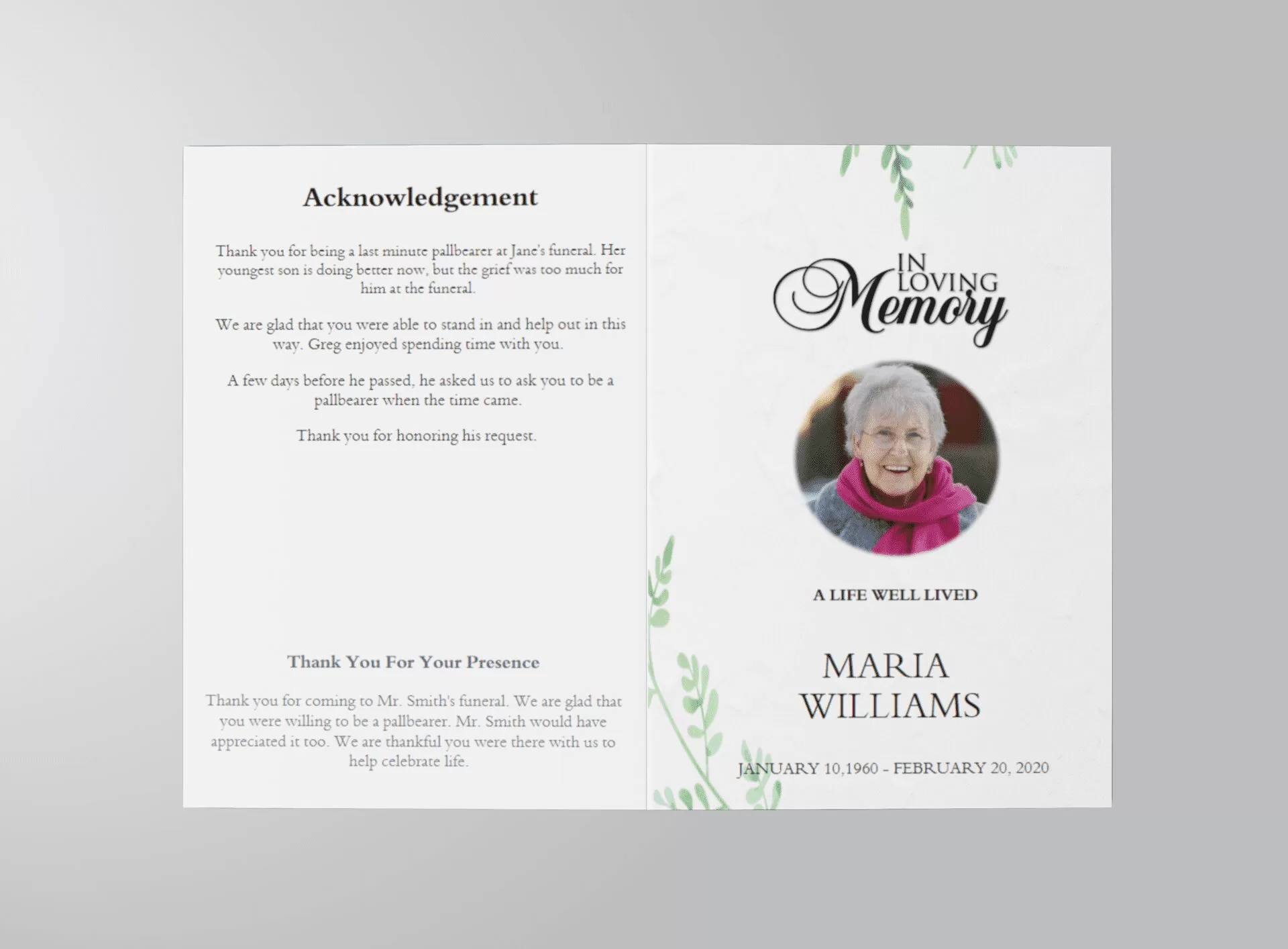
After a funeral, expressing gratitude to those who supported your family is essential. Thank you notes for funeral attendees play a crucial role in this process, showing appreciation for their support and presence during a difficult time. Here are some tips for writing these notes:
- Be Timely: Send your notes within a few weeks of the service.
- Personalize Each Note: Mention specific actions or words of comfort that meant a lot to you.
- Keep It Simple: A heartfelt thank you is often more appreciated than a lengthy message.
Resources for Funeral Planning
To ensure a smooth planning process, consider utilizing resources like a complete guide to navigating funeral planning. This can provide comprehensive insights and checklists to keep you organized. Additionally, understanding funeral services can also help clarify the options available to you, ensuring that you make informed choices throughout the process.
Planning a funeral can be daunting, but with the right resources and support, you can navigate it successfully. Remember to lean on friends and family for emotional support as you honor your loved one’s memory.