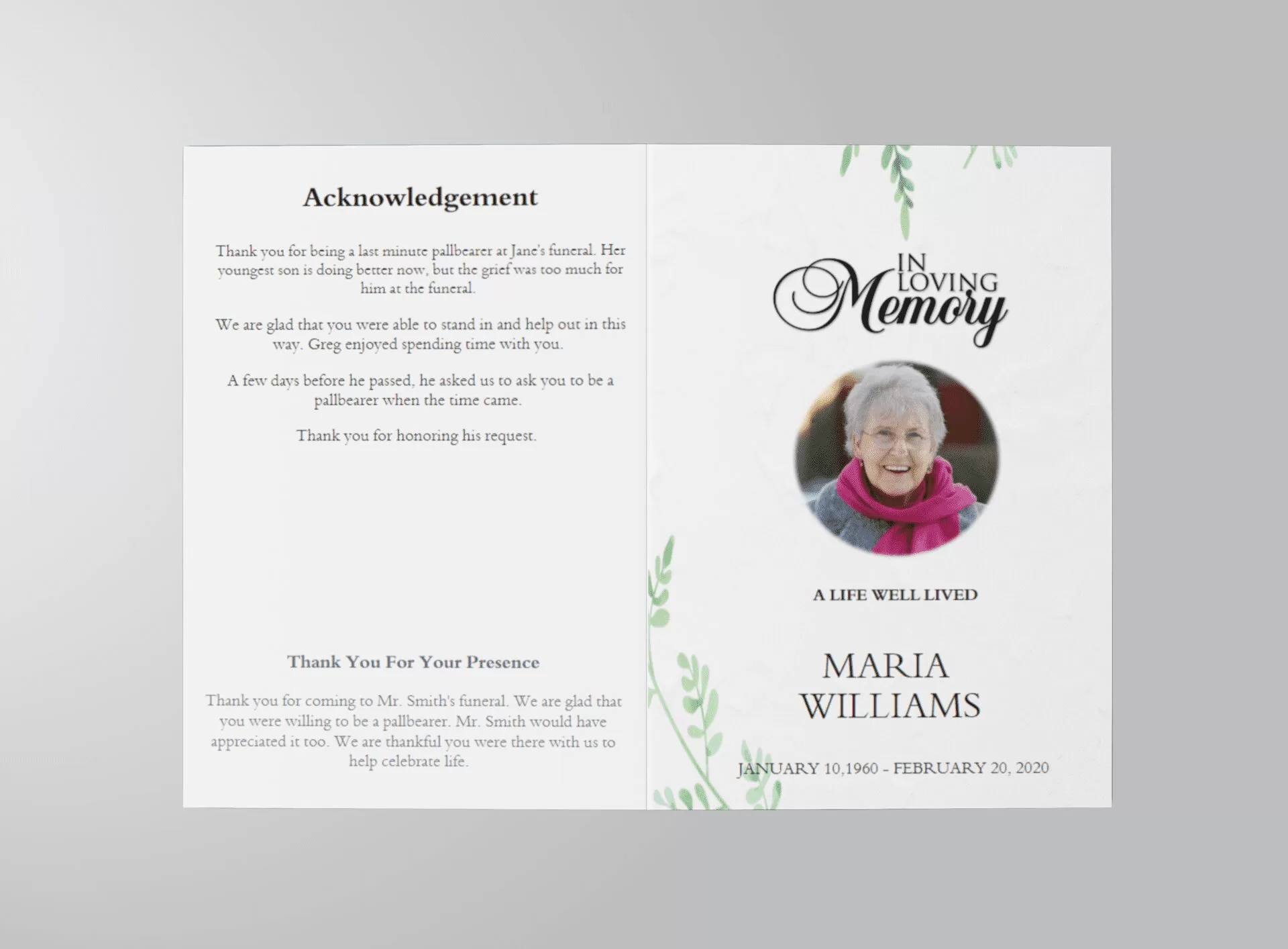
Understanding Funeral Planning and Personalization

Understanding Funeral Planning

Experiencing the loss of a loved one is an emotionally challenging time, and part of navigating this difficult journey involves making plans for their funeral. Funeral planning can feel overwhelming, but having a clear guide can help ease some of the burdens. At QuickFuneral.com, we understand the importance of honoring your loved one in a way that feels personal and meaningful.

Funeral Home Programs Templates

One essential aspect of funeral planning is creating a program that outlines the service. Funeral home programs templates can be customized to reflect the personality and life of the deceased. These templates typically include details about the service, readings, music selections, and a tribute to the loved one. By using a template, families can save time while ensuring the program looks polished and professional.

Funeral Service Program Template

A funeral service program template serves as a guide for attendees during the service. It can include a schedule of events, such as eulogies and prayers, making it easier for guests to follow along. This structured format not only honors the deceased but also provides comfort to those grieving, as they can focus on the memories shared rather than the logistics of the ceremony.

Memorial Service Program Template

Similar to a funeral service program, a memorial service program template can be tailored to suit a more casual remembrance gathering. This type of program might emphasize personal stories, photographs, and special messages from family and friends. By crafting a unique memorial program, families can celebrate their loved one’s life in a way that feels authentic and heartfelt.

Funeral Programme Template

For those looking for a more traditional approach, a funeral programme template can encapsulate the essence of the deceased in a formal format. This document often includes the order of service, prayers, and acknowledgments. With a variety of designs available, families can choose one that best reflects their loved one’s character and the tone of the service.

Prayer Cards

Another thoughtful addition to any funeral planning process is the creation of prayer cards. These small cards often feature a photo of the deceased on one side and a comforting prayer or message on the other. They serve as a tangible reminder of the loved one and can be distributed to guests during the service. Prayer cards offer a personal touch that many families find meaningful, providing an opportunity for reflection and remembrance.

Personalization Ideas for Funerals

Personalizing a funeral service is essential in acknowledging the unique life of the deceased. Incorporating personal touches, such as favorite songs, significant poems, or special rituals, can create a more meaningful experience for everyone involved. Families are encouraged to think about what made their loved one unique and how those elements can be integrated into the service.

For instance, sharing cherished memories during the eulogy can bring comfort to attendees and celebrate the life of the departed. Additionally, creating a memory table filled with photos and mementos can serve as a beautiful centerpiece, allowing guests to reminisce and share stories.

Thank You Cards

After the service, expressing gratitude is also an important part of the process. Sending thank you cards to those who offered support can help families feel connected to their community during such a difficult time. Whether it’s for those who attended the service or for those who sent flowers and condolences, these cards can be a heartfelt way to acknowledge the kindness shown during a time of grief.

For more detailed guidance on writing and sending thank you cards, families can refer to our resources on writing thoughtful thank you cards and how to address them. Understanding the nuances of gratitude can provide relief and comfort in the midst of mourning.

Funeral planning is undoubtedly a challenging journey, but with the right resources and support, families can honor their loved ones in a way that feels true to their memories. At QuickFuneral, we are committed to providing compassionate guidance and helpful tools for families navigating this path.

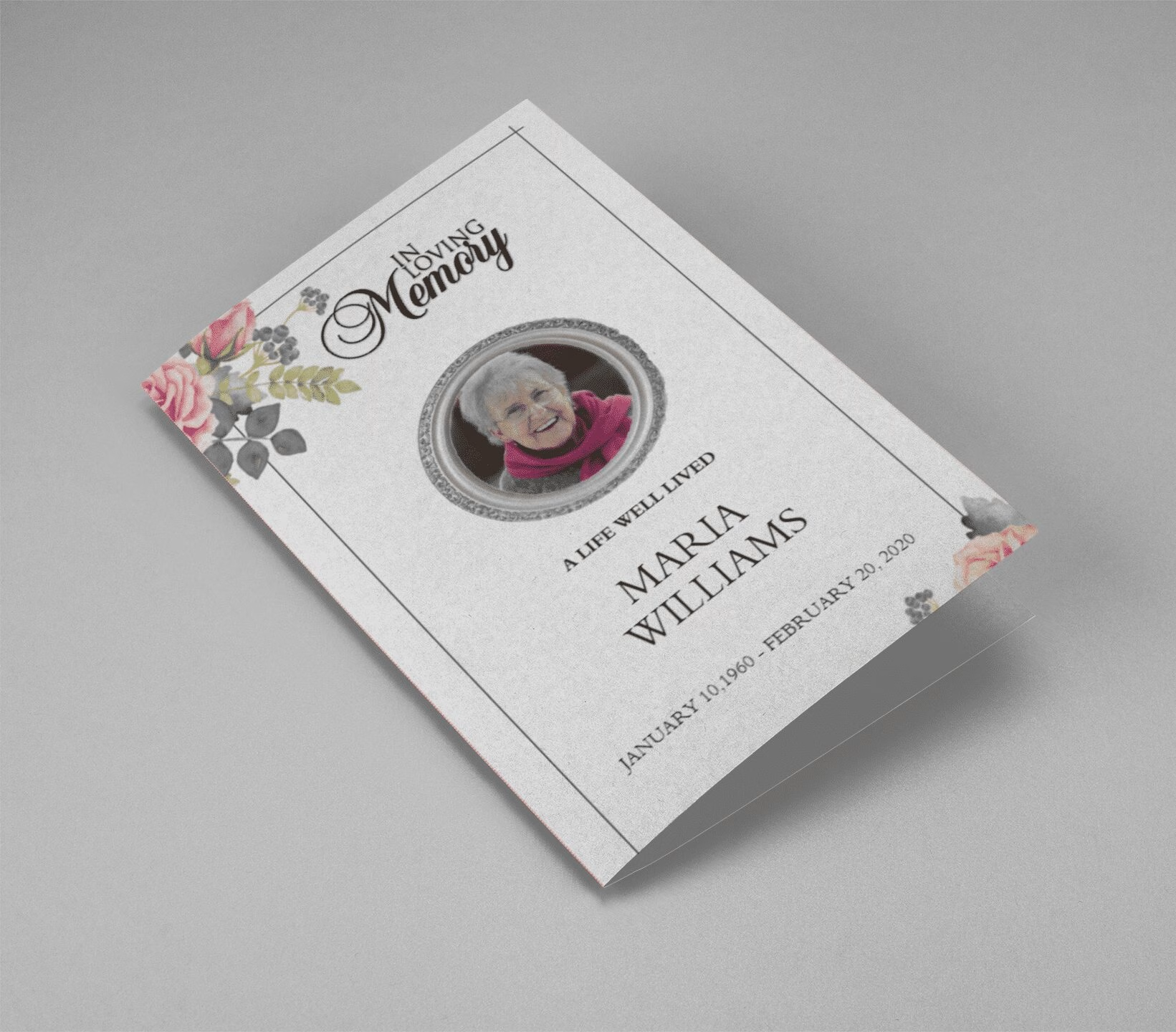
Compassionate Guidance for Funeral Planning

Obituary Template

Understanding Funeral Planning

Facing the loss of a loved one is a challenging experience, and navigating the intricacies of funeral planning can be overwhelming. Here, we provide a compassionate guide to help you through this difficult time.

Key Steps in Funeral Planning

  • Choosing the Right Funeral Home: Research local funeral homes and read reviews. Consider their services and pricing.
  • Setting a Budget: Determine a budget for the funeral. This includes costs for the service, burial, and additional expenses.
  • Planning the Service: Decide on the type of service you wish to hold. This could be a traditional service, a memorial service, or a celebration of life.
  • Handling Legalities: Ensure that all necessary documents are prepared, including death certificates and permits.

Expressing Gratitude

After the funeral, it’s important to acknowledge the support you received from friends and family. Crafting heartfelt thank you messages can be a comforting gesture. Here are some tips:

  • Be personal: Mention specific acts of kindness.
  • Send notes promptly: Aim to send thank you cards within a few weeks.
  • Use simple language: Speak from the heart.

How to Sign Thank You Notes

When you’re ready to send your notes, consider how to sign them. Check out our guide on how to sign thank you notes for a funeral for more personalized suggestions.

Ending a Thank You Card

It can be challenging to find the right words to conclude your thank you cards. Our resource on how to end a funeral thank you card provides examples that you can adapt to fit your sentiments.

Additional Resources

If you’re seeking further assistance with funeral planning, our guide on navigating funeral planning with compassion can be beneficial. We offer insights into handling both emotional and logistical aspects of planning.

Remember, you are not alone during this time. Many resources are available to help you manage the complexities of funeral arrangements and the grieving process.

Top Free Funeral Program Templates for Every Service Style

Navigating the Emotional Journey of Funeral Planning

Example of an obituary for a mother

Understanding the Importance of Funeral Planning

When faced with the loss of a loved one, the emotional and logistical challenges of planning a funeral can be overwhelming. It’s a time filled with grief, making it essential to approach funeral arrangements with care and compassion. At QuickFuneral.com, we aim to guide you through this process with valuable insights and resources.

Steps to Consider in Funeral Planning

  • Choose the Type of Service: Determine whether you want a traditional burial, cremation, or a memorial service.
  • Set a Budget: Understand the costs involved and set a budget that feels comfortable for you and your family.
  • Pick a Venue: Research funeral homes or venues that align with your needs and preferences.
  • Gather Necessary Documents: Collect any required paperwork, such as death certificates and insurance documentation.

Resources for Compassionate Funeral Planning

To help you navigate through this challenging time, we offer several comprehensive guides:

Expressing Gratitude

After a funeral, it’s customary to thank those who supported you during this difficult time. Writing thank-you notes can be a meaningful way to express your appreciation. For guidance on crafting heartfelt messages, check out our Heartfelt Thank You Samples for Funeral Services.

Conclusion

While we have not included a conclusion, remember that the journey of planning a funeral is personal and unique to each individual. We hope these resources help you navigate this emotional experience with compassion and care.

Catholic Funeral Program Example PDF (Free Editable Template)

Understanding Funeral Planning: A Comprehensive Guide

Example of an obituary for a mother

Understanding Funeral Planning

Planning a funeral is a significant responsibility that often comes during one of the most challenging times in life. The emotional weight can be overwhelming, and understanding the various aspects of this process is essential. In this guide, we will explore essential insights into funeral planning, covering everything from logistics to emotional support.

The Importance of Funeral Planning

Funeral planning is not just about the logistics; it’s about honoring a loved one while providing a sense of closure for family and friends. Here are some key reasons why planning is vital:

  • Emotional Support: A well-planned service can help family and friends grieve together and celebrate the life of the deceased.
  • Financial Considerations: Planning ahead can help alleviate unexpected costs during a time of grief.
  • Personal Touch: Tailoring the service to reflect the individual’s personality can make the event more meaningful.

Steps to Navigate Funeral Planning

While every situation is unique, here are some steps to consider when navigating the journey of funeral planning:

  1. Choose a Funeral Home: Research local funeral homes, read reviews, and consider their services.
  2. Decide on the Type of Service: Whether it’s a traditional service, cremation, or a celebration of life, defining this early can guide your planning.
  3. Set a Budget: Discuss financial limitations with family to ensure that the plans align with available resources.
  4. Gather Necessary Documents: Acquire important documents such as the death certificate and any pre-arranged funeral plans.

Understanding Funeral Services

There are various types of services to consider, each with its unique characteristics. Here’s a brief overview:

  • Memorial Services: Often held without the body present, these services focus on celebrating the deceased’s life.
  • Graveside Services: A short service held at the burial site, often with family and close friends.
  • Traditional Funerals: Typically involve a viewing, a service, and a burial or cremation.

Expressing Gratitude

After a funeral, expressing gratitude to those who supported your family is essential. Thank you notes for funeral attendees play a crucial role in this process, showing appreciation for their support and presence during a difficult time. Here are some tips for writing these notes:

  • Be Timely: Send your notes within a few weeks of the service.
  • Personalize Each Note: Mention specific actions or words of comfort that meant a lot to you.
  • Keep It Simple: A heartfelt thank you is often more appreciated than a lengthy message.

Resources for Funeral Planning

To ensure a smooth planning process, consider utilizing resources like a complete guide to navigating funeral planning. This can provide comprehensive insights and checklists to keep you organized. Additionally, understanding funeral services can also help clarify the options available to you, ensuring that you make informed choices throughout the process.

Planning a funeral can be daunting, but with the right resources and support, you can navigate it successfully. Remember to lean on friends and family for emotional support as you honor your loved one’s memory.

Back to Top
Product has been added to your cart
Compare (0)