
Understanding Funeral Planning: Templates and Personalization Ideas
Understanding Funeral Planning
Experiencing the loss of a loved one is undoubtedly one of life’s most challenging moments. During this emotional time, planning a respectful and memorable funeral becomes essential. A well-structured plan not only honors the deceased but also provides comfort to the grieving family and friends. In this article, we will explore various aspects of funeral planning, including templates and ideas for personalization.
Why Use Funeral Templates?
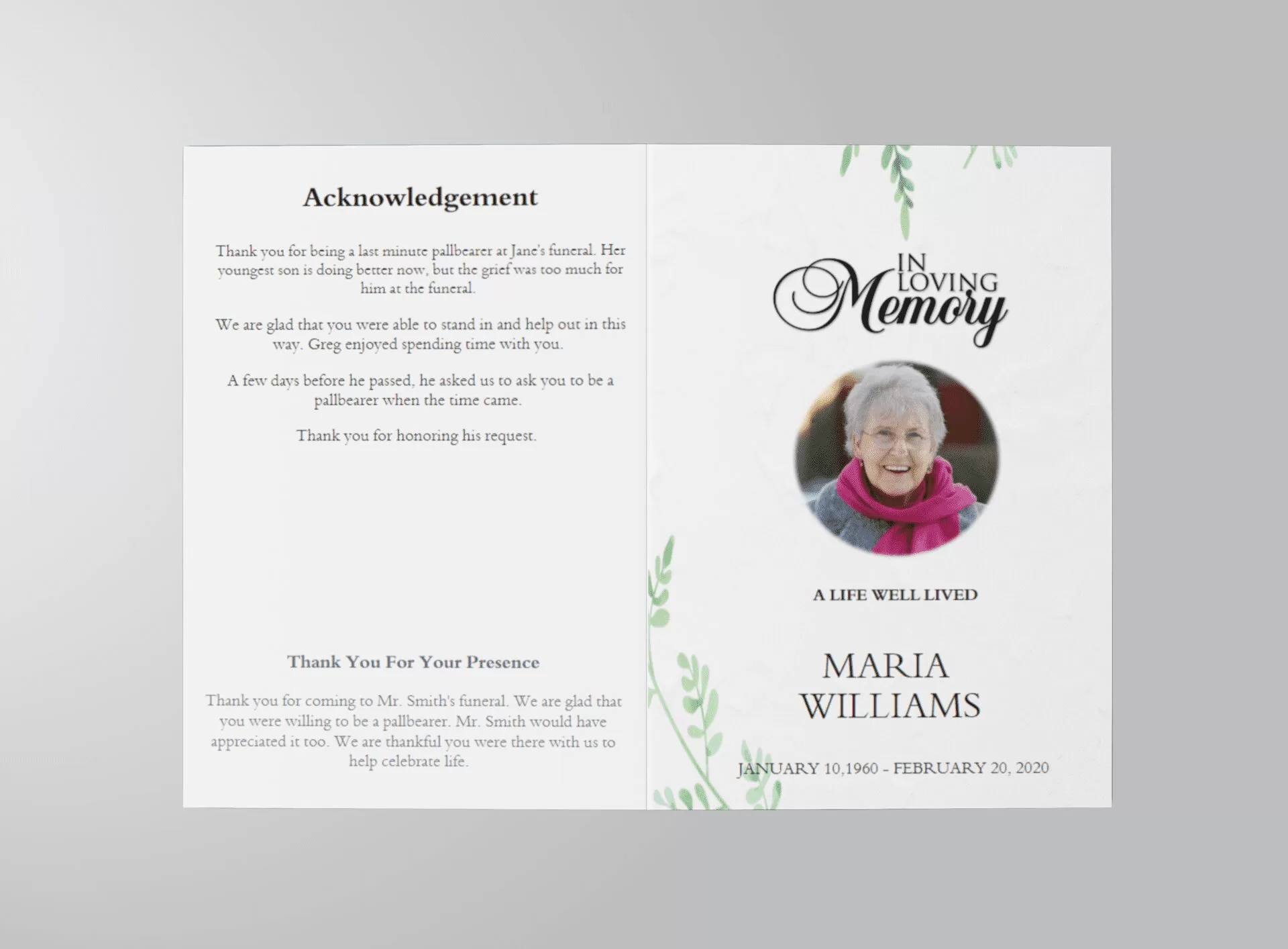
Funeral templates serve as valuable tools that help families navigate the complexities of planning a memorial service. They streamline the process, ensuring that all necessary elements are included while allowing for personalization. For example, funeral home programs templates can be customized with photographs, personal messages, and details about the service, making the final send-off even more special.
Types of Funeral Templates
There are several types of templates to consider, each serving a unique purpose. A funeral service program template is designed to guide attendees through the service, providing them with essential information like the order of events and details about speakers. Meanwhile, a memorial service program template focuses on celebrating the life of the deceased, often including personal anecdotes and photos.
Personalizing the Funeral Experience
Personalization is a vital aspect of modern funerals. It allows families to reflect on the unique qualities of their loved one. From the choice of music to the decor, every detail can be tailored to honor the individual. Utilizing a funeral programme template helps families incorporate personal touches seamlessly, ensuring that the ceremony resonates deeply with attendees.
Creating Lasting Memories with Prayer Cards
Another meaningful way to personalize a funeral is through the use of prayer cards. These small cards often feature a photo of the deceased, a meaningful quote, or a prayer. They serve not only as keepsakes for attendees but also as a way to share the spiritual essence of the loved one. Including these in the service can provide comfort to guests and serve as a beautiful reminder of the person’s life.
Best Practices for Funeral Planning
When planning a funeral, it is essential to communicate openly with family members about preferences and expectations. This can help avoid misunderstandings and ensure that everyone feels included in the planning process. Furthermore, it’s beneficial to consult resources such as the Essential Templates for Thoughtful Funeral Planning guide. This can provide families with a comprehensive overview of what to consider.
Utilizing Professional Services
Engaging with a funeral director can also streamline the planning process. They can provide invaluable insights and support, guiding families through the myriad of decisions that need to be made. From selecting a casket to arranging for transportation, their expertise can alleviate some of the burdens during this difficult time.
Conclusion
As you navigate the challenging journey of funeral planning, remember that you are not alone. Resources like navigating funeral planning can provide you with the guidance and support needed to create a beautiful and meaningful tribute to your loved one.