
Understanding Funeral Planning: Templates and Personalization
Understanding Funeral Planning
Experiencing the loss of a loved one is an emotional journey that many face at some point in their lives. When it comes to planning a funeral, it can feel overwhelming. However, with the right guidance and tools, families can create a meaningful tribute that reflects their loved one’s life. This is where funeral programs, templates, and personalization ideas come into play.
Why Use Funeral Programs?
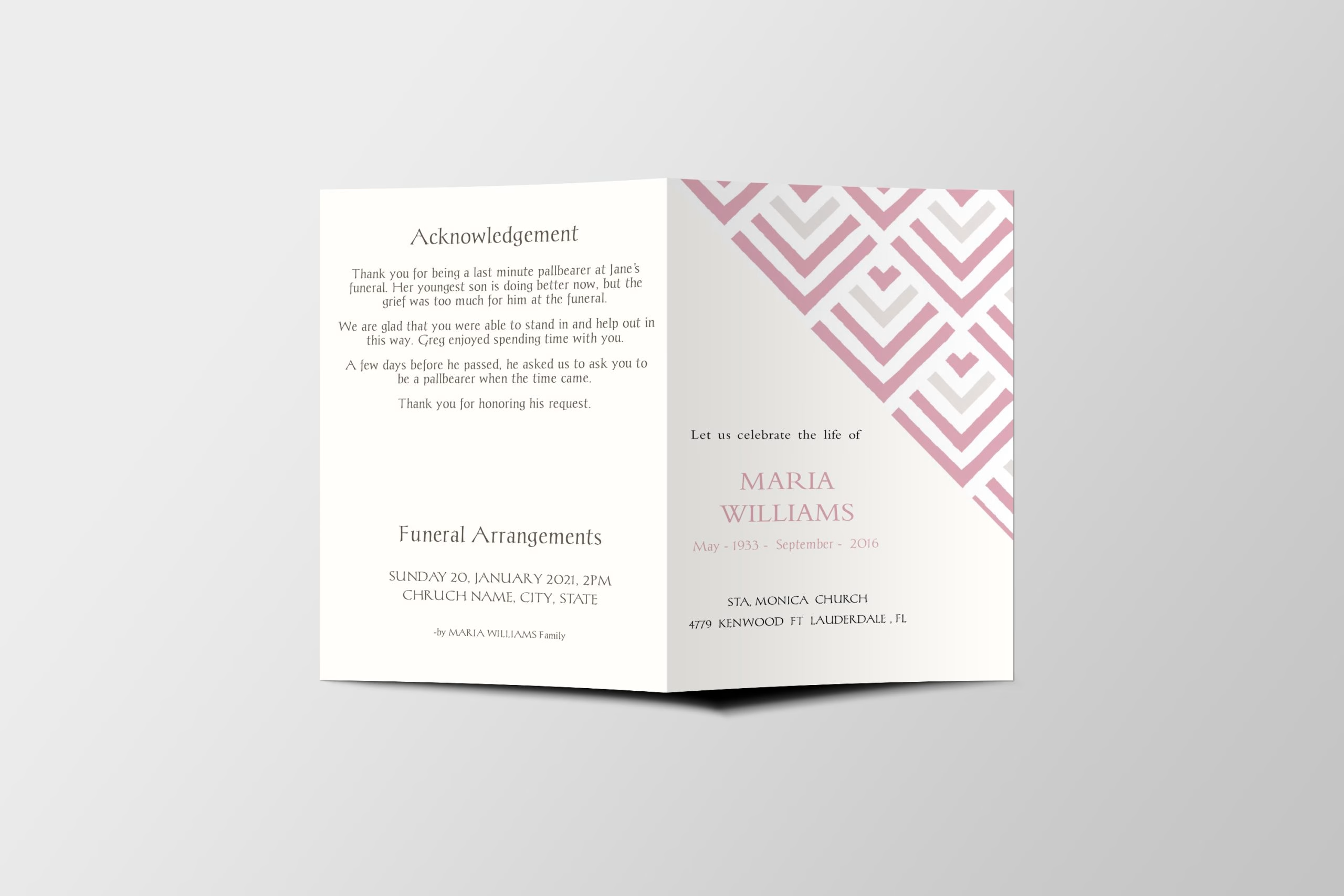
Funeral programs serve multiple purposes. They not only inform attendees of the service’s schedule but also provide a keepsake for family and friends. Many families opt for funeral home programs templates that simplify the process. By utilizing these templates, families can ensure that they include all necessary information in a respectful and organized manner.
Types of Funeral Programs
There are various types of programs families can choose from. A funeral service program template is often designed for the actual service, detailing the order of events, readings, and music selections. In contrast, a memorial service program template might be used for a gathering that occurs at a later date, focusing on remembrance rather than a formal service.
Personalizing Your Program
Personalization is key to honoring a loved one’s legacy. Incorporating photos, poems, or quotes that resonate with the deceased can enhance the program’s emotional impact. Additionally, families can consider using a funeral programme template that allows for customization, ensuring it feels unique and special.
Creating Prayer Cards
Another thoughtful way to remember a loved one is through prayer cards. These small cards can include a cherished prayer, a photo, or a brief message that attendees can take home. They serve as a tangible reminder of the service and the person being honored, providing comfort to mourners long after the event.
The Importance of Planning
Planning a funeral involves numerous decisions, and understanding the essential aspects can alleviate some of the stress. Resources like Essential Aspects of Funeral Planning can guide families through this difficult time. From selecting a burial or cremation option to choosing a location for the service, being informed can help families make decisions that align with their values and wishes.
Finding Support
During such a challenging period, seeking support from professionals can be beneficial. Guidance on navigating the emotional landscape can be found in articles like Navigating the Journey of Funeral Planning. These resources provide insight into handling grief while making necessary plans.
Tools for Effective Planning
Utilizing available tools can streamline the planning process, allowing families to focus on honoring their loved ones. Many families find it helpful to refer to a comprehensive guide like Essential Guide to Funeral Planning, which outlines everything from logistics to emotional considerations.
Making the Process Personal
Ultimately, the goal of the funeral is to celebrate the life of the deceased in a way that feels authentic and true to their spirit. Personal touches in programs and prayer cards can make a significant difference in how attendees feel connected to the service. As families navigate this process, remember that each element can reflect the unique personality of the loved one being honored.