
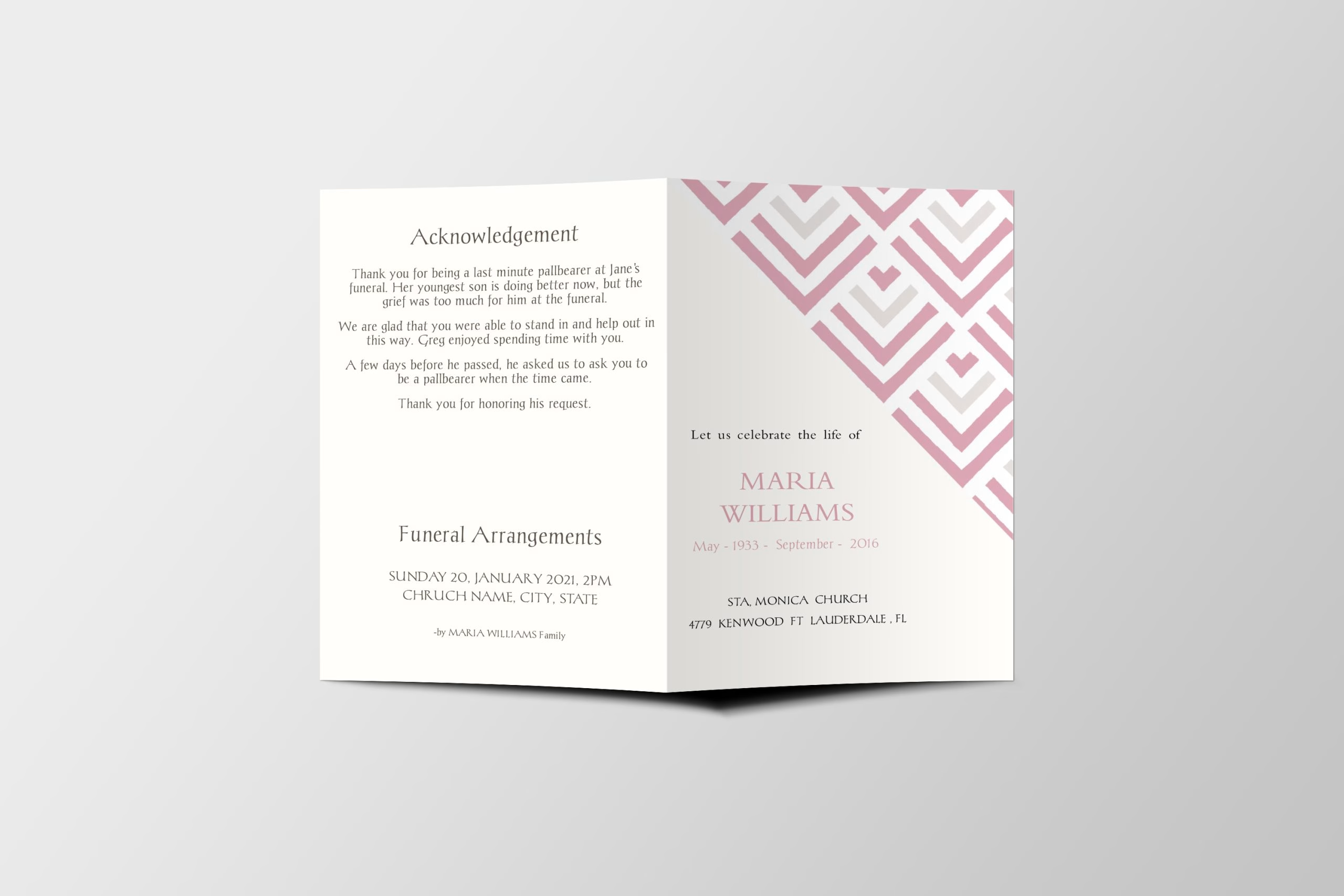
Understanding Funeral Planning and Its Importance

The Significance of Funeral Planning
Funeral planning is more than just a list of tasks; it is a way to honor the memory of a loved one. During a challenging time of grief, planning a funeral can help families celebrate the life of the deceased while ensuring their wishes are respected.
Why is Funeral Planning Important?
- Emotional Support: Planning serves as a therapeutic process, helping loved ones express their grief and celebrate life.
- Respect for Wishes: Ensuring that the deceased’s wishes are honored can provide comfort to family members.
- Financial Considerations: Pre-planning can alleviate the financial burden on surviving family members.
Key Components of Funeral Planning
Understanding the essential elements involved in funeral planning is crucial. Here are some key components:
- Choosing a Funeral Home: It’s important to select a reputable funeral home that meets your needs. For a comprehensive overview of what to look for, check out our Comprehensive Guide to Understanding Funeral Planning.
- Service Type: Decide on the type of service, whether traditional, memorial, or direct cremation. Each has its benefits and implications.
- Obituary Writing: Crafting an obituary can be a healing task. For guidance, visit our page on Crafting a Heartfelt Eulogy.
Navigating the Complexities of Funeral Planning
The process can seem overwhelming, but breaking it down into manageable steps can help. Consider these practical tips:
- Gather Essential Information: Collect necessary documents such as the deceased’s will and any pre-arranged funeral plans.
- Consult with Family: Discuss plans with family members to ensure everyone’s wishes and feelings are considered.
- Budgeting: Determine a budget early on. For insights into financial aspects, read our article on Essential Insights into Funeral Planning.
Emotional Considerations
While the logistics of planning are crucial, the emotional aspect cannot be overlooked. Here are some ways to support each other during this time:
- Communication: Encourage open dialogue among family members about feelings and preferences.
- Seeking Support: Don’t hesitate to seek help from professionals or support groups.
- Remembering the Deceased: Plan activities that honor the life of the deceased, such as sharing stories or creating a memory book.
Conclusion
By understanding the significance of funeral planning and its various components, families can better navigate this emotional journey. For more in-depth information on the funeral planning process, check out our Understanding Funeral Planning Guide.
For those looking for a comprehensive look at the funeral planning process, consider our Essential Guide to Funeral Planning.