
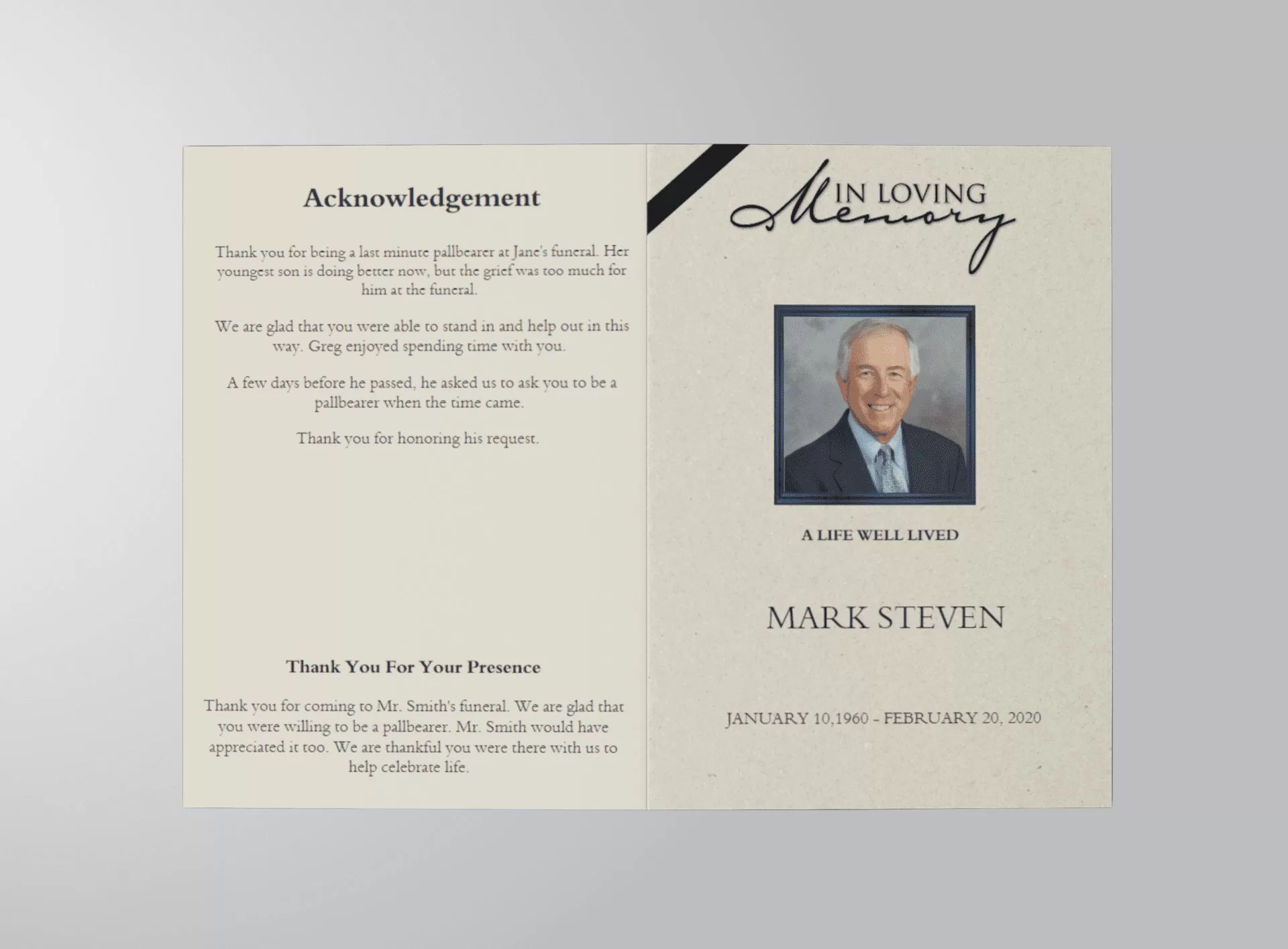
Understanding Funeral Planning: A Comprehensive Guide

Understanding Funeral Planning: A Comprehensive Guide
Planning a funeral is a significant and often overwhelming task that involves numerous decisions during a challenging time. The emotional weight of losing a loved one can complicate these decisions, making it crucial to approach the process with care and thoughtfulness. In this guide, we will explore essential aspects of funeral planning, offering valuable insights to help you navigate this journey.
Key Considerations in Funeral Planning
When embarking on funeral planning, several key factors should be taken into account:
- Understanding Your Options: Familiarize yourself with various funeral services, including traditional burials, cremations, and memorial services.
- Budgeting: Establish a budget early on. Understanding the costs associated with each service can help you make informed decisions.
- Personalization: Consider ways to personalize the service to honor the deceased’s life and legacy. This could include unique tributes or special music selections.
- Legal Requirements: Be aware of any necessary legal paperwork, such as death certificates and permits, that may be required.
The Importance of Thoughtful Funeral Planning
Engaging in thoughtful funeral planning can help mitigate stress during a time of grief. It allows families to focus on their emotional needs rather than logistical challenges. For more in-depth information, check out our article on the importance of thoughtful funeral planning.
Finding Comfort in Difficult Times
During this period, many find solace in spiritual texts and uplifting messages. Exploring comforting Bible verses can provide peace and hope, offering a source of strength for families and friends reflecting on their loss.
Steps to Plan a Meaningful Funeral
Here is a step-by-step approach to planning a funeral that honors your loved one:
- Gather Information: Collect vital information about the deceased, including personal details, preferred music, and any specific wishes they may have had.
- Choose a Funeral Home: Research and select a reputable funeral home that aligns with your family’s needs and values.
- Select a Service Type: Decide on the type of service that best reflects the deceased’s wishes and your family’s preferences.
- Plan the Details: Consider logistics such as the date and location, officiant, and any speakers or participants you wish to include.
- Communicate with Family: Keep open lines of communication with family members to ensure everyone’s feelings and wishes are considered.
Utilizing Resources for Planning
Many resources are available to assist families during the planning process. Our comprehensive guide to funeral planning provides detailed insights into the various aspects involved, ensuring that you are well-prepared for each step.
Emotional Support and Counseling
Grieving is a personal journey, and it’s essential to seek support when needed. Whether it’s through counseling, support groups, or simply leaning on friends and family, don’t hesitate to reach out for help during this time.
In summary, funeral planning is a profound process that requires careful thought and consideration. By utilizing available resources and understanding the various aspects involved, families can honor their loved ones’ memories while navigating this challenging time in a supportive and meaningful way.