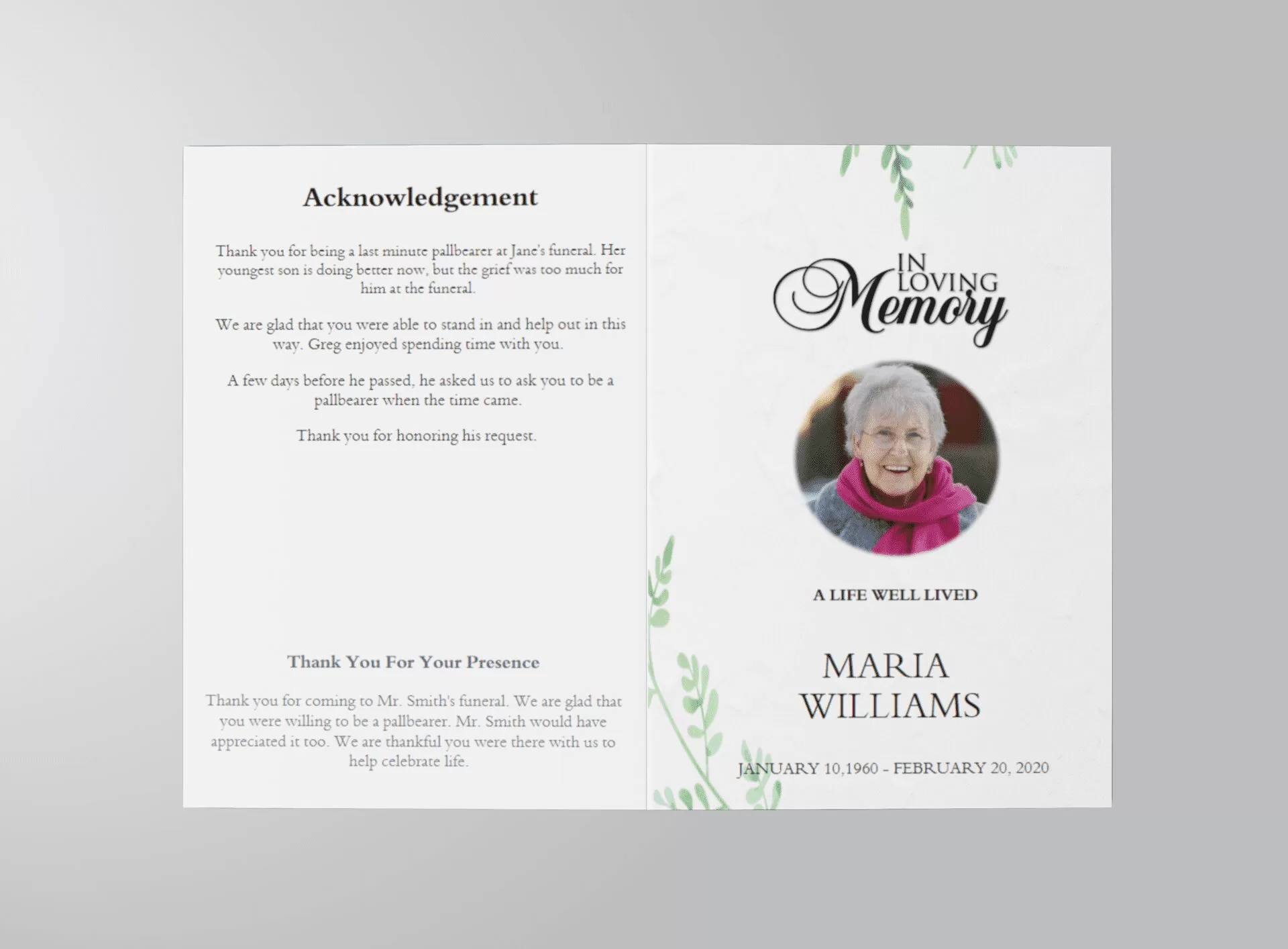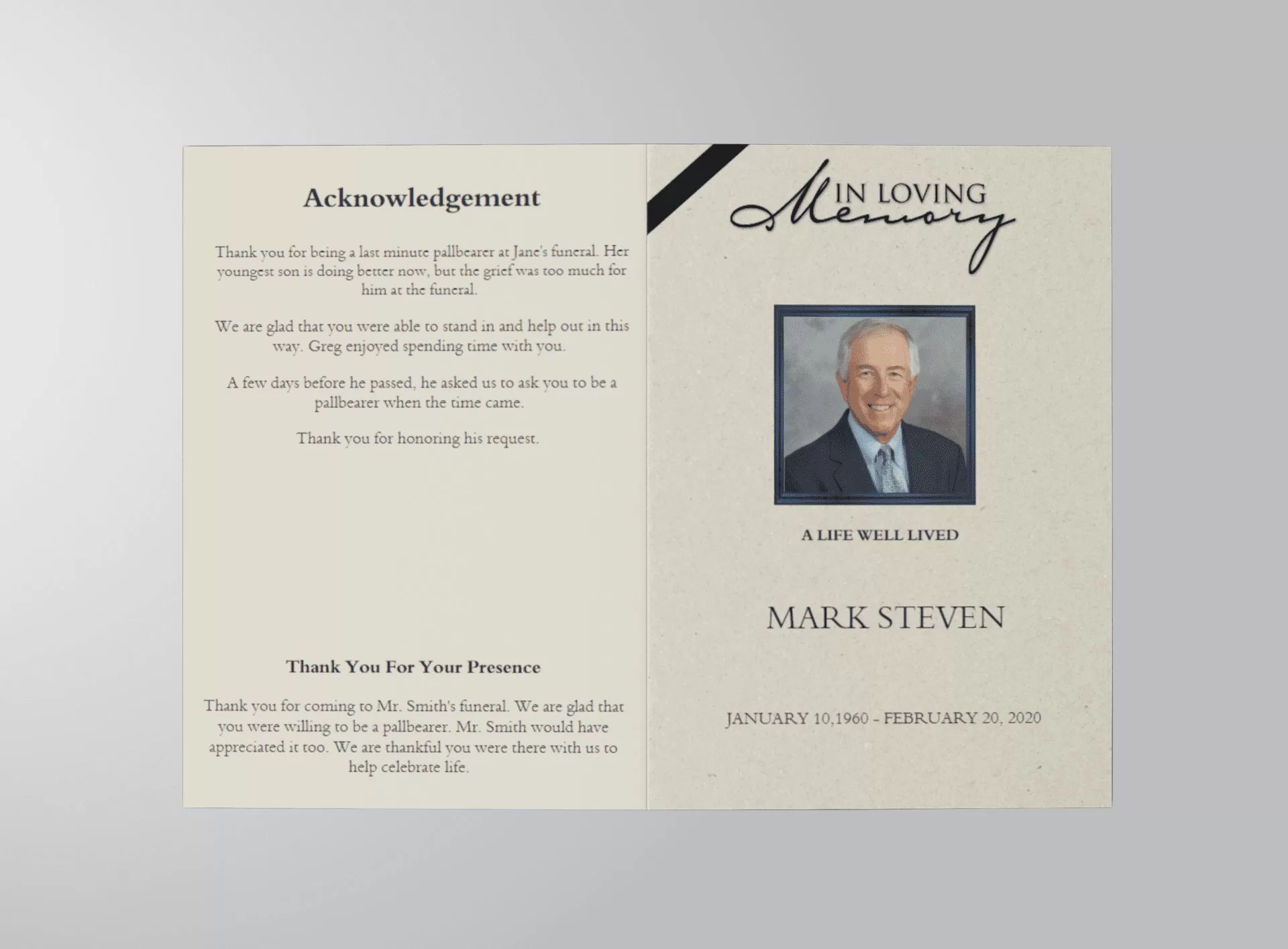
funeral program template

Navigating the Complexities of Funeral Planning

Obituary Example

Understanding Funeral Planning

Planning a funeral can be one of the most challenging tasks we face when losing a loved one. It involves a mix of emotions and logistical decisions that can feel overwhelming. However, with the right guidance and resources, you can navigate this journey more smoothly.

The Importance of Funeral Planning

Effective funeral planning is crucial for honoring the deceased and providing comfort to the bereaved. It involves decisions regarding burial or cremation, service details, and how to celebrate the life of the departed. For a deeper dive into the significance of thoughtful funeral arrangements, check out our essential insights on funeral planning.

Steps to Consider in Funeral Arrangements

  • Choosing the Right Funeral Home: Research local funeral homes to find one that aligns with your values and budget.
  • Deciding on Service Type: Determine if you want a traditional service, memorial service, or immediate burial.
  • Planning the Details: Consider music, readings, and who will speak during the service.
  • Personalizing the Experience: Incorporate elements that reflect the deceased’s personality and wishes.

Emotional Support During Planning

During such a difficult time, it’s important to seek support. Friends and family can offer comfort, and professional services can provide guidance. You may also find solace in condolence poems, which can help express your feelings.

Comprehensive Resources for Funeral Planning

For those looking to take a more informed approach, our comprehensive guide to compassionate funeral planning provides valuable insights and checklists to help you through the process.

Additional Considerations

As you plan, consider these additional aspects:

  • Budgeting: Be transparent about costs and set a budget to avoid unexpected expenses.
  • Legal Considerations: Ensure all necessary documents are in order, including death certificates and permits.
  • Memorialization: Think about how you would like to memorialize your loved one, whether through a physical marker or an online tribute.

Compassionate Guidance Throughout the Journey

Funeral planning doesn’t have to be an isolating experience. Engaging with resources like our navigating the journey of funeral planning with compassion can help you feel less alone in this process.

Final Thoughts

Remember, the goal of funeral planning is to honor and celebrate the life of your loved one while providing a space for healing and remembrance for yourself and others. Utilize the tools and resources available to ensure you are well-prepared during this difficult time.


fall card

Understanding Funeral Planning: A Compassionate Approach

Obituary Template

Understanding the Importance of Funeral Planning

When faced with the loss of a loved one, the emotional toll can be immense. During these challenging times, planning a funeral may feel overwhelming. Yet, having a structured approach can ease the burden and help honor the memory of the deceased.

Key Considerations in Funeral Planning

Funeral planning involves several important aspects. Here are some key considerations to keep in mind:

  • Choosing a Funeral Home: Research local funeral homes and compare services offered. Feel free to check our guidelines on navigating funeral planning for assistance.
  • Budgeting: Determine a budget that reflects your financial situation while still honoring your loved one. An essential guide to funeral planning can provide insights into typical costs.
  • Personalization: Incorporate elements that reflect the personality and interests of the deceased, such as favorite flowers, music, or photos.

The Role of Family and Friends

Involving family and friends can provide emotional support during this time. They may also want to contribute ideas or help with planning aspects. It’s important to communicate openly about preferences and expectations.

Types of Funeral Services

There are various options when it comes to funeral services, including:

  • Traditional Funeral: Often includes a viewing, service, and burial.
  • Cremation: Can be followed by a memorial service or scattering of ashes.
  • Memorial Services: A service without the body present, typically held after the burial or cremation.

Understanding these options can help you select what feels right for your family and your loved one.

Legal and Administrative Aspects

Don’t forget to consider the legal paperwork required in the aftermath of a death. This includes obtaining a death certificate and dealing with any estate issues. For more detailed information, explore our insights on funeral planning.

Finding Comfort in the Process

While planning a funeral can be a difficult task, it can also be a time of reflection and celebration of life. Allow yourself and your family the space to grieve and remember your loved one in a way that feels genuine. Our journey of funeral planning offers tips to navigate this emotional time with care and compassion.

Final Thoughts

While the loss of a loved one is never easy, understanding the importance of funeral planning can help create a meaningful farewell. Each decision made can honor their memory while providing comfort to those left behind.

Navigating Funeral Planning with Compassion and Care

Example of an obituary for a mother template

Understanding the Importance of Funeral Planning

When faced with the loss of a loved one, navigating the process of funeral planning can be daunting. Not only is it a time filled with grief, but it also involves making numerous decisions. At QuickFuneral.com, we strive to provide resources that can help ease this burden. Understanding the importance of funeral planning is the first step in ensuring a meaningful goodbye.

Key Considerations for Funeral Planning

Here are some essential aspects to consider when planning a funeral:

  • Budgeting: Funerals can vary greatly in cost. Establishing a budget early on can help guide your decisions.
  • Location: Choose a venue that is comfortable and accessible for family and friends.
  • Personalization: Incorporating unique elements, such as favorite songs or memorabilia, can make the service truly reflective of the deceased.

Choosing the Right Music

Music plays a significant role in creating the atmosphere of a funeral service. For those considering a spiritual touch, contemporary Christian funeral songs can offer comfort and meaning to the ceremony. Whether you prefer traditional hymns or modern compositions, ensure that the music resonates with the deceased’s life and beliefs.

Compassionate Support Through the Process

During this challenging time, it’s crucial to approach funeral planning with compassion. Navigating the journey of funeral planning with compassion can lead to a more comforting experience for everyone involved. It allows you to focus not only on the logistics but also on celebrating the life of your loved one.

Resources for Planning

At QuickFuneral, we offer a variety of resources to assist you:

As you embark on this journey, remember that while the process can be overwhelming, you are not alone. Utilizing available resources and seeking support can significantly lighten your load.

sample obituary examples

Navigating the Funeral Planning Process with Ease

Obituary Template

Understanding the Emotional Journey

Experiencing the loss of a loved one is a profound and deeply emotional journey. It is during these challenging times that families often need guidance on how to navigate the complexities of funeral planning. This process can feel overwhelming, but with the right support and resources, it can be manageable.

Steps to Consider in Funeral Planning

  • Gathering Information: Start by collecting all necessary information about the deceased, including personal details and preferences regarding the service.
  • Choosing a Funeral Home: Selecting a funeral home is crucial. Consider factors such as location, services offered, and pricing.
  • Planning the Service: Decide on the type of service that would honor your loved one best. Options include religious ceremonies, memorials, or simple gatherings.
  • Arranging for Disposal: Determine whether your loved one preferred burial, cremation, or another form of disposition.

Incorporating Personal Touches

Personalizing the funeral service is an important way to pay tribute to the deceased. Here are some ideas:

  • Share meaningful stories or anecdotes during the service.
  • Include favorite songs or readings that reflect the person’s life.
  • Set up a memory table with photos and memorabilia.

Understanding Funeral Attire Traditions

One aspect that often comes up is the tradition of wearing black to funerals. While it has been a common practice, many families now opt for colors that reflect the personality and spirit of the deceased. This shift illustrates the evolving nature of funeral customs.

Resources for Support

Planning a funeral can be emotionally draining. Seeking support from friends, family, or professional counselors can be beneficial. Additionally, our Essential Guide to Funeral Planning and Support offers practical insights and resources to help you navigate this challenging experience.

Key Considerations in Funeral Planning

When planning a funeral, several key considerations should be top of mind:

  • Budget: Understand the costs involved and create a budget.
  • Legal Requirements: Be aware of any legal obligations that may affect planning.
  • Timeframe: Plan for the timeline of events leading up to the service.

For a more detailed approach, check out our article on understanding the nuances of funeral planning. This resource can provide additional insights into the various elements that need to be addressed.

Final Thoughts

While the funeral planning process can be daunting, remember that you are not alone. Utilize available resources and support systems to make this challenging time a bit easier. For more comprehensive guidance, consider our importance of thoughtful funeral planning article, which emphasizes the significance of planning with care and compassion.

fall card

Navigating Funeral Planning: A Helpful Guide

Example of an obituary for a mother

Understanding Funeral Planning

When experiencing the loss of a loved one, the process of planning a funeral can feel daunting. It’s essential to approach this sensitive task with care and compassion. Here, we provide key insights to help you navigate this challenging time.

Why Funeral Planning Matters

Planning a funeral involves numerous decisions that can significantly impact how loved ones remember the deceased. Understanding the essentials can ease the burden. For a comprehensive overview, check out our Essential Guide to Funeral Planning and Support.

Key Steps in Funeral Planning

  • Choosing the Right Service: Decide whether you want a traditional service, a cremation, or a memorial ceremony. Each option has its unique aspects, and it’s important to select what feels right.
  • Establishing a Budget: Costs can vary significantly. Establishing a budget upfront can help manage expenses effectively.
  • Selecting Attire: Understanding appropriate attire is crucial. For guidance, refer to our Compassionate Guide for Funeral Attire Ideas.
  • Personalizing the Service: Including personal touches, such as favorite songs or photos, can make the service more meaningful.

Emotional Considerations

During this time, emotions can run high. It’s important to allow yourself and others to grieve. Seeking support from friends, family, or professionals can be beneficial. Our article on Compassionate Funeral Planning: A Guiding Light in Difficult Times offers valuable insights into finding that support.

Understanding Funeral Costs

Funeral costs can add to the stress of losing a loved one. Here are some typical expenses to expect:

  • Service fees
  • Casket or urn costs
  • Transportation fees
  • Memorial items

For a deeper understanding, explore our The Essentials of Compassionate Funeral Planning guide.

Choosing a Funeral Home

Selecting the right funeral home is crucial. Look for one that aligns with your values and offers the services you need. It’s wise to visit a few options and ask questions about their services and pricing.

Final Thoughts on Planning

Funeral planning is not just about logistics; it’s about honoring the life of your loved one. Be sure to incorporate elements that reflect their personality and wishes. This ensures that the service is a true celebration of their life.

As you navigate this journey, remember that you’re not alone. Resources like our Essential Insights into Funeral Planning can provide support and guidance every step of the way.

Catholic Funeral Program Example PDF (Free Editable Template)

Navigating Grief and Funeral Planning with Compassion

Example of an obituary for a mother

Understanding Grief

Experiencing the loss of a loved one is one of life’s most challenging moments. Grief manifests differently for everyone, but common emotional responses include sadness, anger, confusion, and even relief. Recognizing these feelings is essential for processing your emotions and moving forward.

Funeral Planning: The Basics

Funeral planning can seem daunting, especially when you are navigating your grief. However, having a structured approach can ease some of that burden. Here are the key steps to consider:

  • Choosing a Funeral Home: Research local funeral homes and compare services and prices. Understanding the Nuances of Funeral Planning can help clarify your options.
  • Setting a Budget: Determine how much you can spend. Funerals can range significantly in cost, so having a budget in place is essential.
  • Selecting Services: Decide on burial or cremation, service type, and any additional memorial services or gatherings.
  • Gathering Important Documents: Ensure you have all necessary paperwork, including death certificates and any pre-arranged funeral plans.

Crafting a Meaningful Obituary

One of the most impactful ways to honor your loved one is through a heartfelt obituary. An obituary not only informs others of the passing but also celebrates the deceased’s life. For a detailed approach, refer to our step-by-step guide on creating a meaningful obituary.

Finding Comfort in Words

During times of grief, many find solace in poetry and literature. Poems for Losing a Loved One can provide comfort and help articulate feelings that are hard to express. Consider sharing these with family or friends who are also grieving.

Support Resources

Don’t hesitate to seek support during this challenging time. Many resources are available to help guide you through grief and funeral planning. Our comprehensive guide to funeral planning and support offers helpful tips and strategies.

Understanding the Journey of Grief

Grief is not linear; it comes in waves and can catch you off guard. It’s important to allow yourself to feel and process these emotions. If you’re looking for a deeper exploration of this topic, our article on navigating the journey of grief and funeral planning can provide valuable insights.

Understanding Funeral Planning: A Complete Resource

Example of an obituary for a mother

Why Funeral Planning is Essential

Funeral planning is a crucial aspect of honoring a loved one’s memory. It allows families to thoughtfully navigate their options during a time of grief. Understanding the steps involved can help ease the burden when making decisions about funeral services and support.

Key Aspects of Funeral Planning

When planning a funeral, consider the following elements:

  • Understanding Wishes: It’s important to know the deceased’s preferences, which can guide your choices.
  • Budgeting: Establish a budget early on to avoid overspending during an emotionally taxing time.
  • Choosing a Service: Decide on the type of service (traditional, memorial, or celebration of life) that best honors the deceased.
  • Location: Select a location that holds significance for the family or the deceased.

Planning Steps

  1. Gather Information: Collect necessary documents and information about the deceased.
  2. Consult a Funeral Provider: Professional guidance can be invaluable. Learn more in our guide to thoughtful funeral planning.
  3. Personalize the Service: Incorporate special elements that reflect the loved one’s personality.
  4. Communicate with Family: Ensure all family members are on the same page regarding the plans.

Helpful Resources

At QuickFuneral, we provide various resources to assist in this challenging time. Our essential guide to funeral planning will help you navigate the complexities of arranging a service. Additionally, our navigating essentials of funeral planning article offers insights into the practicalities involved.

Understanding Obituaries

Writing an obituary is a significant component of the funeral process. It serves as a public announcement and a tribute to the deceased. For guidance, check out our essential insights into funeral planning and obituaries.

The Role of Funeral Directors

Funeral directors can provide invaluable support throughout the planning process. Their expertise can help alleviate stress and ensure that the service runs smoothly. Explore more about understanding funeral planning to learn how professionals assist families in these times.

Funeral Program Template Online

Navigating Funeral Planning with Comfort and Care

Navigating Funeral Planning with Comfort and Care

Obituary Template

Planning a funeral is one of the most challenging tasks that families face during a time of loss. It can feel overwhelming, but understanding the steps involved can help ease the burden. At QuickFuneral LLC, we offer a variety of resources and insights to assist you through this difficult journey.

Understanding Funeral Planning

Funeral planning involves making important decisions regarding the final arrangements for your loved one. Here are some key aspects you may want to consider:

  • Type of Service: Will it be a traditional funeral, a memorial service, or a celebration of life?
  • Location: Where will the service take place? Consider local funeral homes or community centers.
  • Budget: Understanding the costs involved is essential. Familiarize yourself with average expenses to plan accordingly.

For a deeper understanding of these elements, read our comprehensive guide on navigating the journey of funeral planning.

Finding Comfort Through Verses

During these times, many seek solace through words of comfort. Incorporating verses into the service can provide emotional support. You can explore a collection of touching verses in our article on verses of comfort for funeral services.

Creating an Obituary

An obituary is a significant piece that honors your loved one’s life. It serves to inform others about the passing and can include details about their achievements and the service. For those looking for guidance, our comprehensive guide to funeral planning and obituaries offers valuable insights.

Planning with Compassion

Understanding the emotional aspect of planning a funeral is crucial. It’s not just about logistics; it’s about honoring a life. Our resources can help you navigate this emotional journey. For a broader overview of the planning process, check out our comprehensive guide to funeral planning.

Seeking Help and Support

Don’t hesitate to reach out for help. Whether it’s seeking advice from family, friends, or professional services, support is key. We also offer insights into understanding funeral planning and obituaries which can assist you in making informed decisions.

Conclusion

While there is no conclusion here, remember that you are not alone in this journey. The resources at QuickFuneral LLC are designed to guide you through each step of the process with care and compassion.

funeral program template

Navigating Funeral Planning with Compassion and Care

Example of an obituary for a mother

Understanding Funeral Planning

When a loved one passes, the journey of planning a funeral can feel overwhelming. The emotional landscape is often fraught with grief and stress, making it crucial to have a well-structured plan in place. At QuickFuneral LLC, we believe in providing resources that help you navigate this difficult time with compassion.

The Importance of Thoughtful Funeral Planning

Having a thoughtful plan can ease the burden on family members during an already challenging time. You can explore our article on the importance of thoughtful funeral planning to understand how a structured approach can bring peace of mind.

Key Steps in Funeral Planning

  • Choosing the Right Service: Whether it’s a burial or cremation, selecting the type of service is one of the first important decisions.
  • Location: Decide on a venue that holds significance for your loved one and family.
  • Budgeting: Understanding costs associated with the funeral can help avoid financial stress later.
  • Personalization: Personal touches such as music, readings, or displays can make the service more meaningful.

Emotional Aspects of Planning

Funeral planning is not just about logistics; it’s also about honoring the memory of the deceased while coping with your own grief. Our guide on navigating the emotional landscape of funeral planning delves deeper into coping strategies and emotional support.

Funeral Planning Resources

We offer a variety of resources to assist you during this time. From understanding the essentials of funeral planning to providing a compassionate approach, our articles are designed to support you:

Comforting Words for the Grieving

During times of loss, many find solace in comforting words. Our article on comforting Bible verses for families in mourning provides thoughtful selections to help navigate feelings of sorrow.

Final Considerations

As you embark on planning a funeral, remember that it’s okay to seek help. Surround yourself with supportive friends and family, and don’t hesitate to reach out for professional guidance when needed. With the right resources and support, you can create a meaningful tribute that honors your loved one while also caring for your own emotional well-being.

fall card

Understanding Funeral Planning: A Step-by-Step Guide

Example of an obituary for a mother

What is Funeral Planning?

Funeral planning is an essential process that involves making arrangements for a loved one’s final farewell. It encompasses a variety of decisions that reflect the deceased’s wishes while also considering the needs of the grieving family.

Why is Funeral Planning Important?

Planning a funeral provides an opportunity to celebrate the life of a loved one and to gather family and friends for support. It also ensures that your loved one’s wishes are honored, reducing the burden on grieving family members during a challenging time.

Key Steps in Funeral Planning

  • Determine the Type of Service: Decide between a traditional funeral service, memorial service, or a celebration of life.
  • Select a Funeral Home: Research local funeral homes and choose one that aligns with your needs, values, and budget.
  • Define the Budget: Establish a budget that considers all expenses, including the service, burial or cremation, and additional costs.
  • Create an Obituary: Crafting a meaningful obituary is a tribute to your loved one’s life. For guidance, check out our article on how to write an obituary for a parent.
  • Choose Burial or Cremation: Decide whether your loved one will be buried or cremated, and make arrangements accordingly.

Resources for Navigating Funeral Planning

Planning a funeral can often feel overwhelming, but there are many resources available to help you through the process. For a comprehensive overview, explore our comprehensive guide to funeral planning. This guide includes practical tips and insights to ease the planning process.

Understanding Emotional Aspects

Funeral planning is not just about logistics; it’s about honoring emotions and memories. It can be helpful to approach this task with compassion. For more support, consider reading our article on navigating funeral planning with compassion and care.

Legal and Financial Considerations

When planning a funeral, it’s crucial to understand the legal and financial implications. Be sure to check for any pre-existing funeral arrangements or insurance policies that may help with costs.

Funeral Planning Checklist

To ensure you cover all bases, consider using a funeral planning checklist. This can help you stay organized and make informed decisions. You can find helpful insights in our article on understanding funeral planning.

Finding Support

Don’t hesitate to reach out for support during this time. Whether it’s leaning on family and friends or seeking professional guidance, support is crucial. Our article on navigating the complexities of funeral planning offers valuable advice on managing these emotional challenges.

Back to Top
Product has been added to your cart
Compare (0)