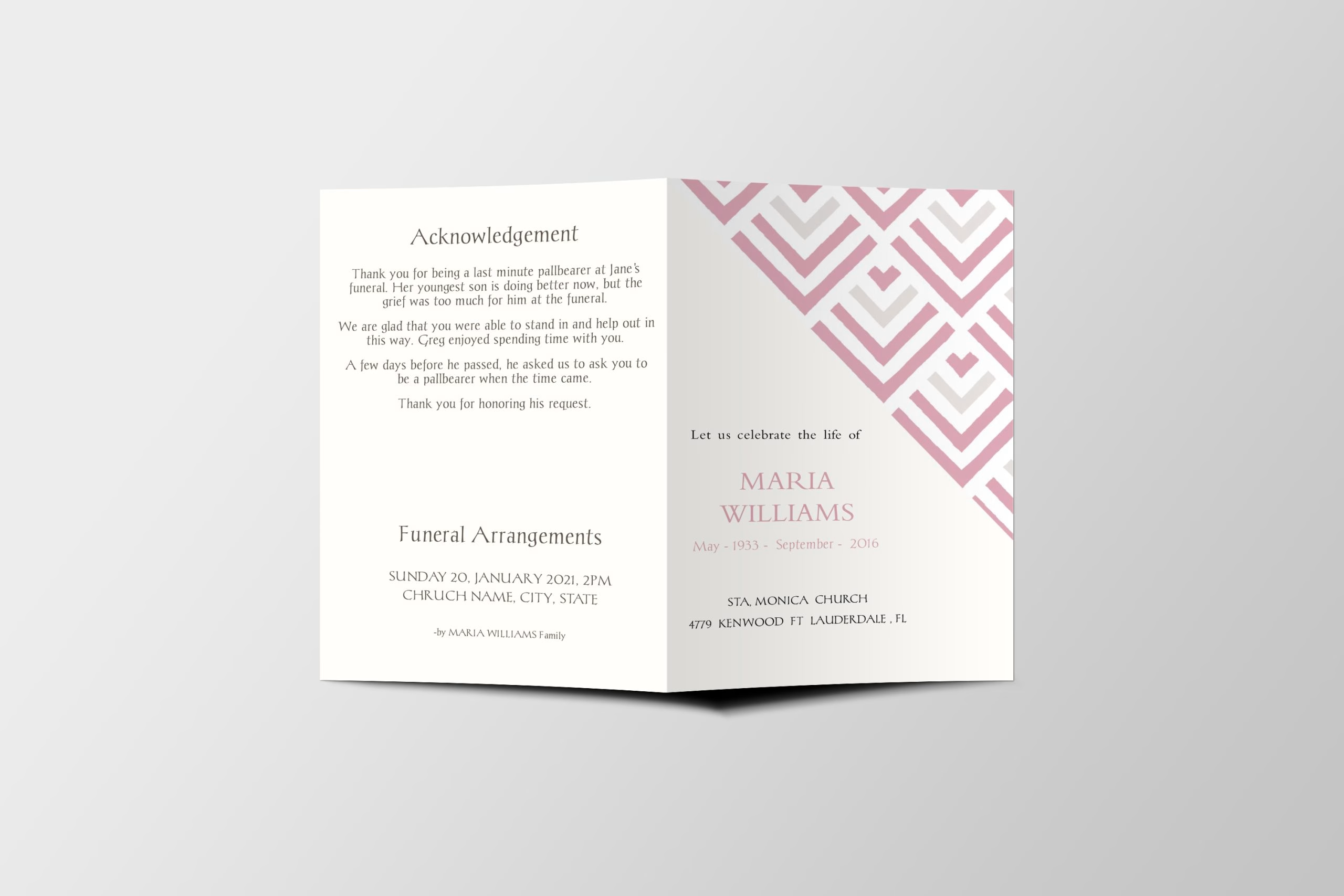
sample obituary examples

Navigating Funeral Planning with Compassion and Care

Understanding Funeral Planning

Planning a funeral can often feel overwhelming, especially when emotions are running high. It’s a time filled with grief, but understanding the options available can ease some of that burden. At QuickFuneral, we strive to provide you with compassionate guidance through this process.

Funeral Home Programs Templates

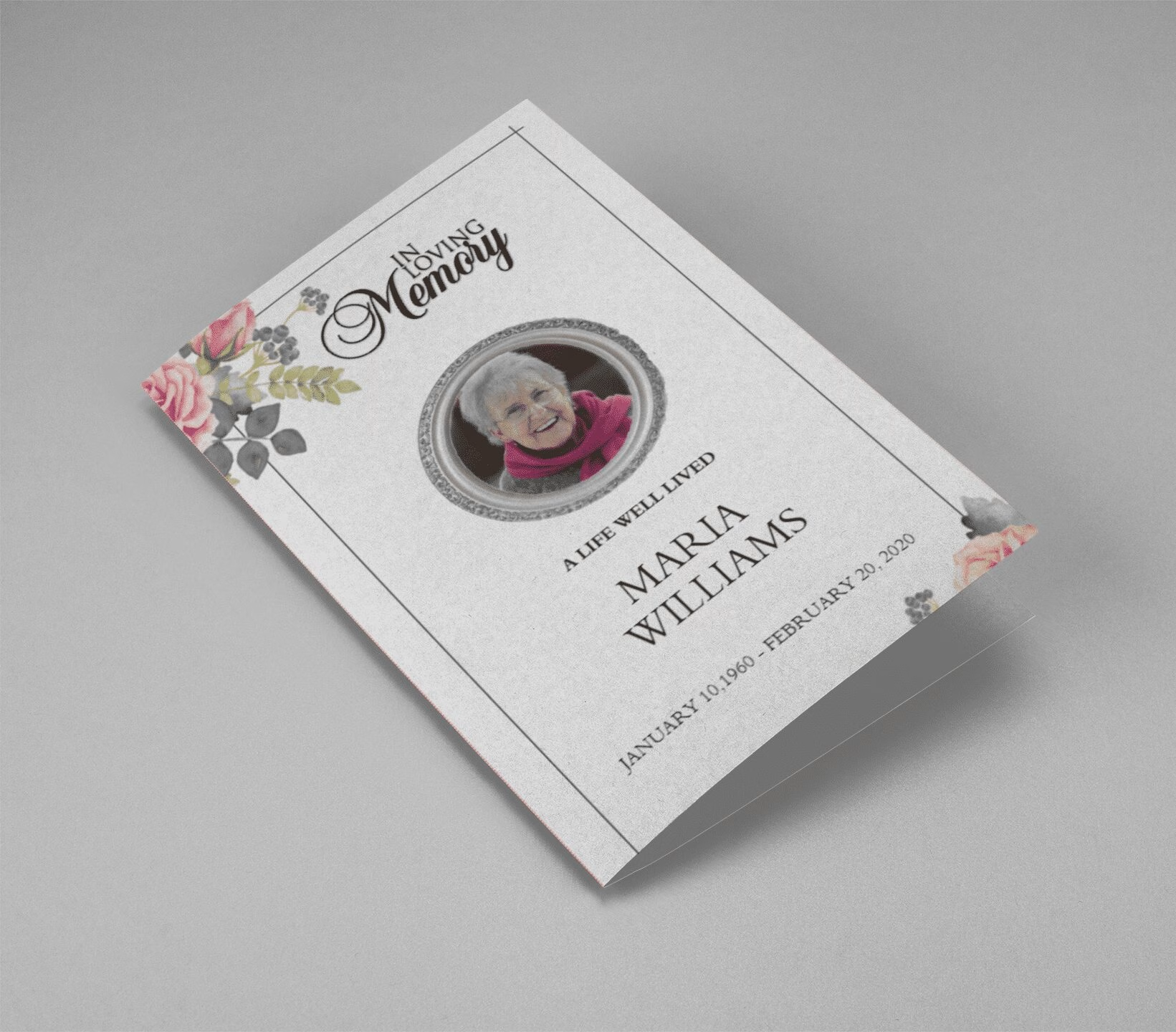
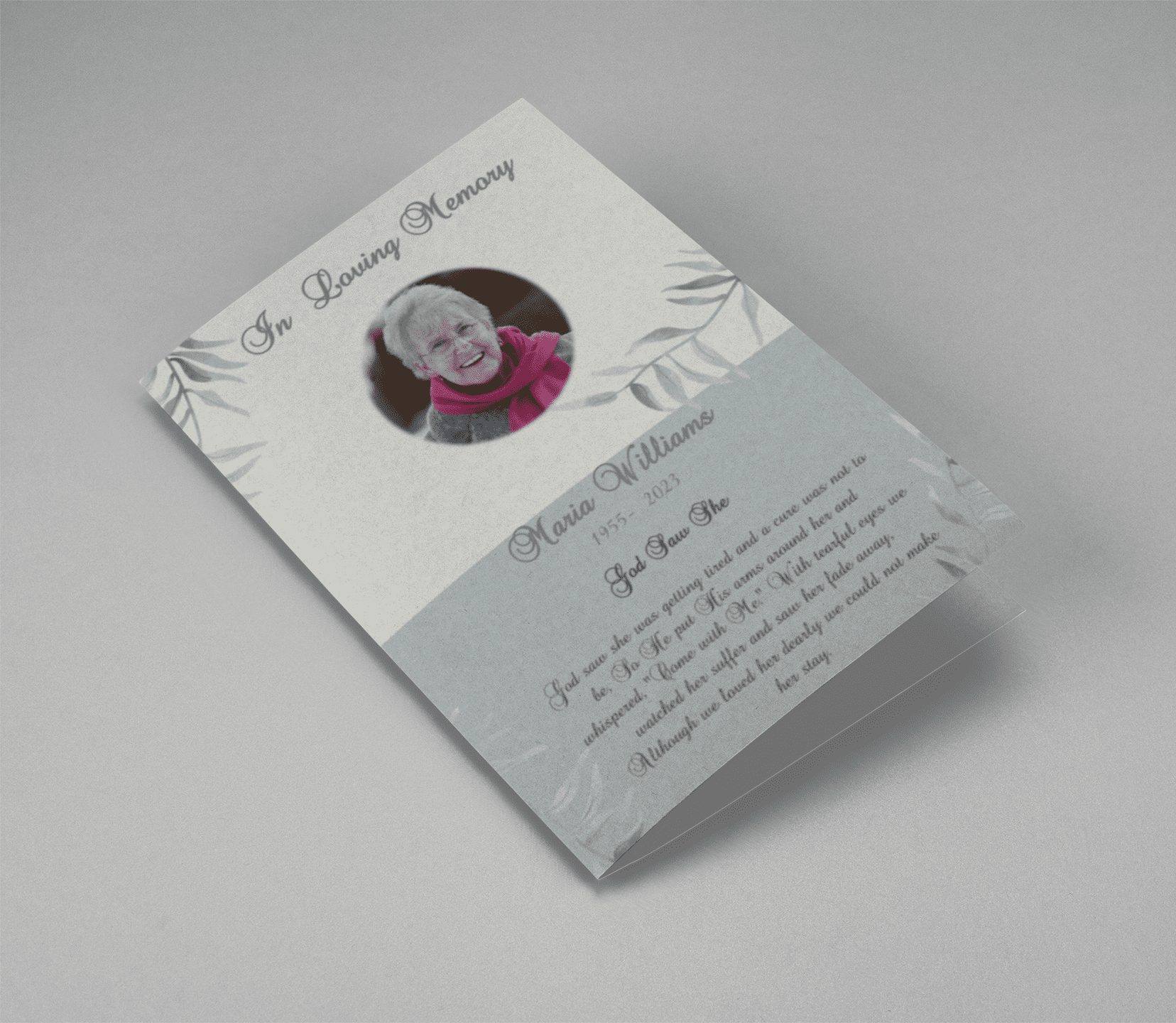
One essential aspect of funeral planning is the creation of funeral home programs. These templates serve as a keepsake for attendees and provide a structured way to share the life story of your loved one. From the order of service to personal tributes, these funeral home programs templates can be easily customized to reflect the personality of the deceased.

Funeral Service Program Template

A funeral service program template is another vital tool that aids in planning the service. This document typically includes details like the schedule of events, readings, and musical selections. By utilizing a template, you can focus on the more personal elements of the ceremony while ensuring that all necessary information is communicated effectively.

Memorial Service Program Template

Similarly, a memorial service program template offers the flexibility to honor your loved one in a unique way. It can be tailored to reflect their passions, hobbies, and cherished memories, making it a meaningful tribute for attendees. This personal touch can help foster a supportive atmosphere during the service.

Funeral Programme Template

The funeral programme template serves a similar purpose, allowing families to create a comprehensive overview of the service. These programs can incorporate photographs, quotes, and even personal messages, making them a lasting memory for those attending.

Prayer Cards

In addition to programs, many families choose to include prayer cards in their planning. These small cards can feature a prayer, a favorite quote, or an image of the deceased, serving as a comforting reminder for attendees. They are often distributed during the service and can be cherished for years to come.

Personalization Ideas for Funeral Planning

Personalizing the funeral experience can bring immense comfort to grieving families. Whether it’s through customized programs or unique memorials, creating a service that reflects the essence of the deceased can make a significant difference. For ideas on how to make the service more personal, visit our guide on personalizing funeral planning.

Utilizing Templates for Ease

Templates, such as those for funeral programs and prayer cards, can simplify the planning process. They offer a framework that can be filled in with details specific to the individual being honored. By following our essential guide to funeral planning, families can navigate this emotional journey with greater ease and clarity.

Finding Support

When planning a funeral, it’s important to remember that you don’t have to go through it alone. Seeking support from friends, family, or even professional services can help you feel less isolated. Our article on wording for a meaningful memorial service offers insights into crafting messages that resonate with attendees, fostering a sense of community during a difficult time.

At QuickFuneral, we understand the challenges that come with funeral planning. Our goal is to provide you with the resources you need to create a meaningful tribute that honors your loved one.
Top Free Funeral Program Templates for Every Service Style

Understanding Funeral Planning: Key Templates and Ideas

Understanding Funeral Planning

Planning a funeral can be one of the most challenging tasks a family faces during a time of grief. It requires not only emotional strength but also organization and clarity. At QuickFuneral, we aim to provide the resources and support you need to navigate this process with compassion and understanding.

Why Use Funeral Templates?

Funeral templates serve as valuable tools that can ease some of the burdens associated with planning a service. They help guide families in creating meaningful tributes that honor their loved ones. Utilizing these templates can save time and ensure that you don’t overlook any essential details.

Types of Funeral Templates

There are various types of funeral-related templates that families can use, each serving a unique purpose:

Creating Prayer Cards

Another meaningful element of funeral planning is the creation of prayer cards. These cards provide comfort and remembrance, often featuring a cherished prayer or scripture along with a photo of the deceased. Families can distribute these cards during the service, allowing guests to hold onto a piece of memory.

Personalization Ideas for Funeral Services

Personalizing a funeral or memorial service can significantly impact how the event feels to attendees. Here are some ideas to consider:

  • Incorporate Favorite Songs: Choosing music that was meaningful to the deceased can evoke powerful emotions and provide comfort.
  • Display Photographs: A collage or slideshow of memorable moments can celebrate the life lived and bring smiles even amidst tears.
  • Share Personal Stories: Open the floor for attendees to share anecdotes or memories, creating a warm and inviting atmosphere.

Support and Resources

At QuickFuneral, we understand that planning a funeral is not just about logistics; it’s about honoring a life and providing closure for friends and family. Our Navigating Funeral Planning guide offers insights on templates and personalization ideas. Additionally, our Essential Guide to Funeral Planning dives deeper into how to tailor services to reflect the unique personality of your loved one.

For further assistance, our Essential Guide to Funeral Planning provides a comprehensive overview of the essentials needed to plan a respectful service. We are here to support you every step of the way.

fall card

Understanding Funeral Planning: Templates & Personalization

Understanding Funeral Planning

Experiencing the loss of a loved one can be one of life’s most challenging times. During such emotionally charged moments, effective funeral planning can provide much-needed structure and comfort. Fortunately, there are many resources available to help you navigate this path, including funeral home programs templates and a variety of personalization ideas.

Importance of Funeral Programs

Funeral programs serve as a vital component of the funeral service, offering guests a roadmap of the day’s events. They typically include the order of service, biographical information about the deceased, and any special messages or poems. Using a funeral service program template can help streamline this process, allowing families to focus on remembering their loved ones rather than getting lost in the details.

Types of Funeral Templates

There are various templates available to suit your needs and preferences. For example, a memorial service program template can help you create a meaningful tribute that encapsulates the essence of your loved one. These templates often come with customizable features, allowing you to add personal touches such as photos and favorite quotes.

Creating a Personal Touch

Personalizing a funeral is essential for honoring the unique life of the deceased. This can range from including a favorite song in the service to sharing heartfelt memories during the eulogy. Utilizing a funeral programme template makes it easier to incorporate these personal elements into the overall service, ensuring that it reflects the individuality of your loved one.

Prayer Cards as Keepsakes

Another thoughtful addition to a memorial service is the use of prayer cards. These small cards can be distributed to guests as a memento of the service and often include a comforting prayer or a meaningful quote that resonates with the deceased’s values. This small yet significant gesture can provide solace to attendees and serve as a lasting reminder of your loved one.

How Templates Simplify the Process

By leveraging templates, families can simplify the planning process significantly. Instead of starting from scratch, they can choose a funeral planning template that resonates with their needs. This not only saves time but also reduces stress, allowing the family to focus on what truly matters: celebrating the life of their loved one.

Emotional Support Through Planning

Planning a funeral is undoubtedly an emotional endeavor. It’s important to seek support from friends, family, or even professional services that specialize in funeral planning. Understanding the various aspects of planning, including the use of templates and personalization options, can provide a sense of control during an otherwise overwhelming time. Resources like the Essential Guide to Funeral Planning can offer invaluable insights.

In summary, engaging with templates and personalized elements in funeral planning can create a meaningful experience for everyone involved. From program templates to prayer cards, each aspect serves to honor the deceased while providing comfort to those in mourning. Embracing these resources can help families navigate their grief and celebrate the legacy of their loved ones.

sample obituary examples

Navigating Funeral Planning with Compassion and Care

Understanding Funeral Planning

Experiencing the loss of a loved one is an incredibly challenging time. The emotional weight of grief can make the process of planning a funeral feel overwhelming. At QuickFuneral, we understand the importance of providing guidance and support during this difficult journey.

The Role of Funeral Home Programs Templates

One essential component of funeral planning is creating meaningful funeral home programs templates. These programs serve as a tribute to the deceased, offering guests a glimpse into their life and the events of the service. By utilizing funeral home programs templates, families can personalize the experience, ensuring that it reflects the unique personality and values of their loved one.

Funeral Service Program Template: Creating a Lasting Memory

A funeral service program template can help streamline the process. It allows families to include essential details such as the order of service, readings, and special memories. This not only provides structure to the service but also offers attendees a keepsake to remember the day by.

Memorial Service Program Template: Honoring a Life

In addition to traditional funerals, many families opt for a memorial service. A memorial service program template can aid in crafting a heartfelt tribute that honors the life of the deceased in a more informal setting. This flexibility allows for creative expression, making the farewell a personal and meaningful experience.

Funeral Programme Template: A Thoughtful Approach

Choosing the right funeral programme template can help families convey their emotions and memories effectively. These templates allow for a blend of photographs, quotes, and personal stories, creating a narrative that celebrates the life lived. By tailoring the program to reflect the individual’s journey, families can create a comforting atmosphere for mourners.

Creating Prayer Cards

Another way to honor a loved one is through the use of prayer cards. These small cards can be distributed during the service, serving as a reminder of the individual’s faith and values. Families can choose meaningful prayers or quotes that resonate with the memory of their loved one, providing comfort to those in attendance.

Personalization Ideas for a Meaningful Farewell

Personalizing a funeral or memorial service can significantly impact the grieving process. Families are encouraged to incorporate elements that reflect the deceased’s passions and interests. This could include displaying memorabilia, favorite music, or even themed decorations. For more ideas on how to make the service unique, check out our article on navigating funeral planning.

Essential Tips for Funeral Planning

Planning a funeral requires thoughtful consideration and organization. Start by discussing preferences with family members and gathering important documents. It’s also crucial to consider the budget and any pre-arrangements that may have been made. For comprehensive tips on this subject, refer to our post on essential tips for funeral planning.

Support During Difficult Times

Lastly, it’s vital to remember that you are not alone during this process. Many resources are available to help families navigate the complexities of funeral planning. Whether you’re looking for templates, personalization ideas, or support, QuickFuneral is here to assist you every step of the way.

Eulogy Examples: Honoring and Celebrating a Loved One’s Life

Writing a eulogy is one of the most significant ways to honor and celebrate the life of a loved one who has passed away. It provides an opportunity to reflect on their journey, share cherished memories, and highlight the impact they had on the lives of others. Crafting a heartfelt and meaningful eulogy can be challenging, but with some guidance and eulogy examples, you can create a tribute that truly captures the essence of your loved one.

Understanding the Purpose of a Eulogy

A eulogy serves multiple purposes:

  • Reflection: It allows you to reflect on the life of the deceased, celebrating their achievements, personality, and the love they shared with others.
  • Connection: By sharing stories and memories, you connect with the audience, offering comfort and a sense of unity during a time of loss.
  • Legacy: A eulogy helps preserve the legacy of the deceased, ensuring their memory lives on through the words and stories you share.

Structure of a Eulogy

While there is no strict format for a eulogy, a common structure includes:

  1. Introduction: Start with an introduction that sets the tone. Mention your relationship with the deceased and express gratitude for the opportunity to speak.
  2. Personal Anecdotes: Share personal stories and memories that highlight the deceased’s character, values, and impact. Focus on positive and uplifting experiences.
  3. Achievements and Legacy: Talk about the significant achievements and contributions of the deceased. This could include their professional accomplishments, community involvement, or personal passions.
  4. Closing: Conclude with a heartfelt message, a favorite quote or poem, and a final farewell.

Eulogy Example for a Parent

Introduction: “Good afternoon, everyone. My name is [Your Name], and I am honored to stand before you today to celebrate the life of my father, [Father’s Name]. It’s incredibly difficult to sum up a lifetime of love, wisdom, and guidance in just a few words, but I hope to share some of the wonderful memories and lessons he imparted to us.”

Personal Anecdotes: “My father was a man of great integrity and kindness. I remember the countless weekends we spent fishing together. Those trips weren’t just about catching fish; they were about bonding, learning, and sharing stories. Dad always had a way of turning a simple outing into a grand adventure. His laughter was infectious, and he had a knack for making everyone around him feel special and loved.”

Achievements and Legacy: “Dad was not just a pillar in our family but also in our community. As a teacher for over 30 years, he inspired countless students, instilling in them a love for learning and the confidence to pursue their dreams. His legacy lives on in the success and happiness of those he taught and mentored.”

Closing: “As we say goodbye to my father, let us remember his unwavering love and the joy he brought into our lives. One of his favorite quotes was, ‘The measure of a man is not in the wealth he leaves behind, but in the lives he touches.’ By that measure, Dad was truly a rich man. Rest in peace, Dad. We will carry your memory in our hearts forever.”

Eulogy Example for a Friend

Introduction: “Hello, everyone. My name is [Your Name], and I had the privilege of being best friends with [Friend’s Name] for over 20 years. Today, I want to share some of the incredible memories and the lasting impact [Friend’s Name] had on my life and the lives of so many others.”

Personal Anecdotes: “[Friend’s Name] was the kind of person who could light up a room with just a smile. I’ll never forget our spontaneous road trips, where we’d drive for hours, singing along to our favorite songs and talking about our dreams and aspirations. [Friend’s Name] had a unique ability to make every moment feel special and meaningful.”

Achievements and Legacy: “Throughout [Friend’s Name]’s life, they accomplished so much. As a talented artist, their work was not only beautiful but also thought-provoking, touching the hearts of many. [Friend’s Name] was also deeply involved in charitable work, dedicating time and resources to causes they believed in.”

Closing: “Though [Friend’s Name] is no longer with us, their spirit and legacy will live on in the stories we share and the memories we cherish. As we bid farewell, let us remember [Friend’s Name]’s kindness, creativity, and the love they spread wherever they went. Rest in peace, dear friend. You will be forever missed.”

Tips for Writing a Eulogy

  • Be Authentic: Speak from the heart and be true to your feelings. Authenticity resonates more than trying to be overly formal or poetic.
  • Practice: Rehearse your eulogy several times to feel comfortable and confident. It’s okay to have notes or a written copy to refer to.
  • Take Breaks: If you become emotional while delivering the eulogy, it’s perfectly fine to pause and take a moment. The audience will understand.

Writing and delivering a eulogy is a profound way to honor a loved one’s life and legacy. By sharing personal stories, highlighting their achievements, and expressing your heartfelt emotions, you can create a tribute that celebrates their unique journey and the impact they had on those around them. Remember, the most important aspect of a eulogy is the love and respect it conveys.

For more guidance on writing eulogies and other funeral-related resources, visit [Your Website Name]. We are here to support you during this difficult time.

Back to Top
Product has been added to your cart
Compare (0)