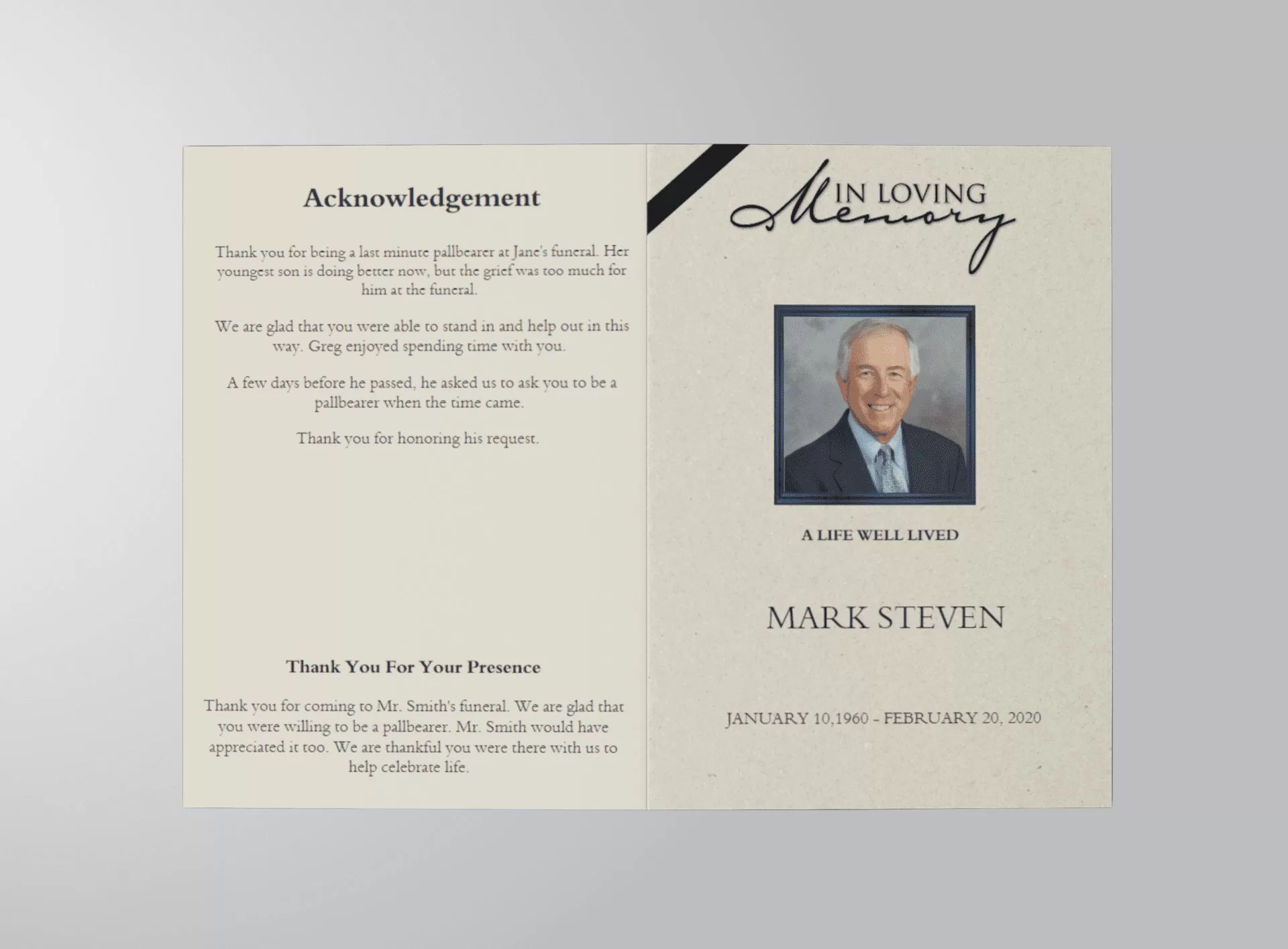
Funeral Program Template Online

Comprehensive Insights on Funeral Planning

Example of an obituary for a mother template

Understanding the Need for Funeral Planning

Experiencing the loss of a loved one is an emotional journey that many find overwhelming. It’s often during these difficult times that the importance of funeral planning becomes apparent. Proper planning can provide clarity and guide you through the necessary steps while alleviating some of the burdens during a challenging time.

The Emotional Journey of Losing a Loved One

When you lose someone dear, you may face a myriad of emotions. Understanding these feelings can help you navigate through the grieving process. Here are some common emotional stages:

  • Shock and Denial: It’s natural to feel disbelief about the loss.
  • Anger: You may feel anger towards the situation or even towards the deceased.
  • Bargaining: This involves reflecting on what could have been done differently.
  • Depression: A deep sense of sadness may set in as reality sinks in.
  • Acceptance: Finding a way to move forward while cherishing memories.

Key Components of Funeral Planning

As you begin the process, several essential aspects need consideration:

  1. Understanding your options: Familiarize yourself with different types of services, such as traditional funerals, cremations, and memorials.
  2. Budgeting: Establish a budget that aligns with your family’s financial situation and desires.
  3. Legal Requirements: Be aware of any legal documentation needed for the funeral services.
  4. Cultural Considerations: Consider the cultural or religious elements that may influence your planning.

Benefits of Pre-Planning a Funeral

Pre-planning your funeral can bring peace of mind, not just to you but also to your loved ones. Here are key benefits:

  • Cost-Effectiveness: Planning ahead can save money by locking in current prices.
  • Personalization: You can tailor the details to reflect your wishes and personality.
  • Reduced Stress: Your family will face less pressure during an already challenging time.

Resources for Funeral Planning

Utilizing various resources can assist you in navigating the complexities of funeral planning. Here are some valuable links to consider:

Understanding the various elements of funeral planning is crucial for anyone dealing with the loss of a loved one. By seeking knowledge and utilizing available resources, you can ensure a meaningful tribute that honors their memory.


sample obituary examples

Understanding the Essentials of Funeral Planning

Example of an obituary for a mother template

What is Funeral Planning?

Funeral planning involves making arrangements for a loved one’s final farewell. This process can be emotionally challenging but is essential for honoring their memory. Whether you’re planning in advance or dealing with an immediate loss, understanding the essentials can guide you through.

The Importance of Thoughtful Funeral Planning

When faced with loss, thoughtful funeral planning is crucial. It allows families to express their love and respect for the deceased. The process includes decisions about:

  • Choosing a burial or cremation
  • Selecting a venue for the service
  • Arranging for transportation
  • Deciding on memorial items such as caskets and flowers

To learn more about making these decisions, check out our article on the importance of thoughtful funeral planning.

Steps to Navigate the Funeral Planning Process

Planning a funeral can feel overwhelming, but breaking it down into manageable steps can help. Here’s a straightforward guide:

  1. Gather Information: Collect necessary documents and information about your loved one.
  2. Discuss with Family: Involve family members in discussions to honor everyone’s wishes.
  3. Set a Budget: Determine how much you can spend and explore options within that budget.
  4. Choose a Provider: Research funeral homes and services available in your area.
  5. Plan the Service: Decide on the format of the service, speakers, and any special tributes.

This process is elaborated further in our post about navigating the funeral planning process with compassion.

Understanding the Essentials of Funeral Planning

Grasping the essentials of funeral planning can simplify many decisions. Key components include:

  • Choosing a type of service (traditional, memorial, or graveside)
  • Deciding on the final resting place
  • Considering personalized elements such as music and readings

For a deeper dive into the essentials, read Understanding the Essentials of Funeral Planning.

Resources and Support

Planning a funeral can be daunting, but numerous resources are available. From local support groups to online articles, these can provide valuable insights. Explore our comprehensive guide on navigating the journey of funeral planning with care to find additional support.

Lastly, don’t forget that funeral planning is not just about logistics; it’s about celebrating a life. Ensure to take time to reflect on your loved one’s unique qualities and how you wish to honor them.

funeral program template

Your Guide to Compassionate Funeral Planning

Example of an obituary for a mother

Understanding Funeral Planning

When the time comes to plan a funeral, the emotional weight can be significant. It’s essential to navigate this process with care and compassion. Navigating funeral planning can often feel overwhelming, but knowing the steps involved can ease this burden.

Key Steps in Funeral Planning

  • Choosing the Right Funeral Home: Research local funeral homes and read reviews to find one that meets your needs.
  • Understanding Costs: Familiarize yourself with the various average funeral costs to avoid unexpected expenses.
  • Deciding on Service Type: Consider whether you want a traditional burial, cremation, or a memorial service.
  • Planning Personal Touches: Include elements that reflect the personality and preferences of the deceased.

Creating Meaningful Obituaries

Obituaries serve as a heartfelt tribute to the deceased. They provide information about the person’s life and achievements, allowing family and friends to celebrate their memory. For tips on writing an effective obituary, check our guide on creating meaningful obituaries.

Elements to Include in an Obituary

  • Full Name: Include the full name of the deceased, along with any nicknames.
  • Life Details: Mention important dates, places, and events in their life.
  • Surviving Family: List family members who are still living.
  • Service Information: Provide details regarding the funeral or memorial service.

Planning Ahead: Why It Matters

Planning ahead can alleviate stress for your loved ones during a difficult time. By discussing your wishes and making arrangements in advance, you ensure that your preferences are honored. For insights on how to approach this topic, read our article on understanding funeral planning.

Benefits of Pre-Planning

  • Peace of Mind: Knowing that your wishes will be respected can provide comfort.
  • Financial Savings: Planning ahead can help you avoid rising costs associated with funerals.
  • Reduced Burden on Family: Your loved ones won’t have to make difficult decisions during an emotional time.

Essential Insights for a Smooth Planning Experience

When navigating the complexities of funeral planning, it’s vital to have a clear understanding of the process. Our resource on essential insights for funeral planning can provide guidance and support.

Common Challenges and Solutions

  • Emotional Challenges: Allow yourself to grieve, and seek support from friends or professional counselors.
  • Logistical Issues: Create a checklist to keep track of tasks and deadlines.
  • Communication: Keep lines of communication open with family members to ensure everyone is on the same page.
Back to Top
Product has been added to your cart
Compare (0)